
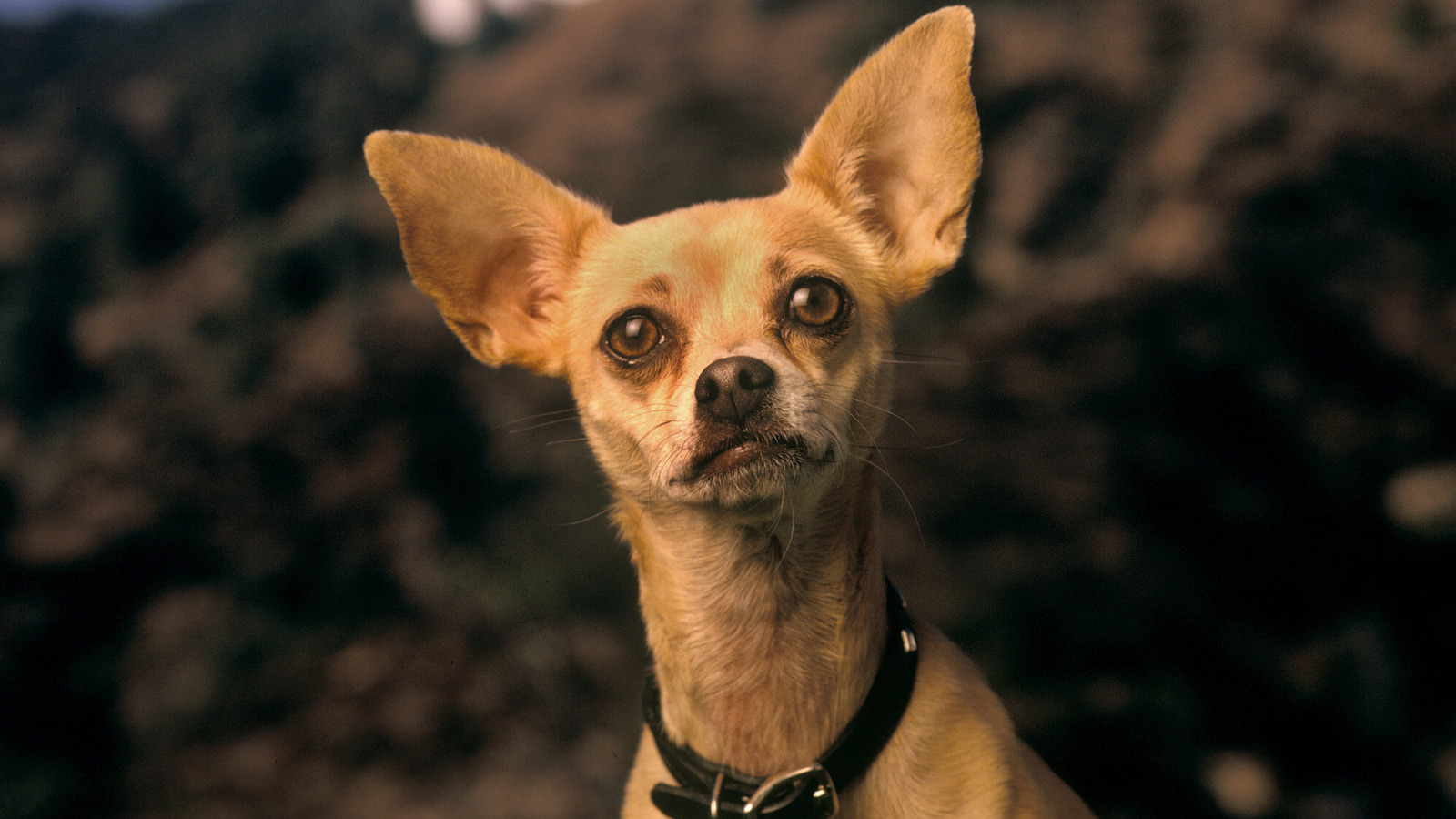
The Taco Bell Dog, affectionately known as Gidget, became an overnight sensation in the late 1990s. Her endearing “¡Yo quiero Taco Bell!” catchphrase and charming persona catapulted her into the cultural zeitgeist, making her one of the most recognizable faces in advertising. This iconic campaign, however, eventually wound down. But the story of the Taco Bell Dog is far more than just a tale of a memorable commercial character; it’s a potent case study in brand strategy, demonstrating the power of a well-executed marketing campaign, the challenges of maintaining relevance, and the enduring impact of a beloved brand icon. This article delves into the trajectory of the Taco Bell Dog, examining the strategic decisions that led to her rise, the factors that contributed to her eventual departure from the spotlight, and the lasting legacy she left on Taco Bell’s brand identity and marketing landscape.
The Genesis of a Cultural Icon: Crafting the Taco Bell Dog’s Brand Persona
The early days of the Taco Bell Dog campaign were marked by a deliberate and highly effective brand strategy aimed at injecting personality and warmth into a fast-food giant. Taco Bell, at the time, was looking for a way to differentiate itself in a highly competitive market. The introduction of a canine mascot was a bold move, one that tapped into a universal appeal and offered a unique avenue for storytelling.
Identifying a Market Gap and a Universal Appeal
In the late 1990s, the fast-food advertising landscape was often dominated by themes of value, speed, and, at times, bombastic celebrity endorsements. Taco Bell sought a different approach, one that emphasized approachability and a sense of fun. The choice of a dog as a mascot was strategic. Dogs, universally, evoke feelings of loyalty, companionship, and innocent joy. This inherent emotional resonance provided a fertile ground for building a connection with consumers. The decision to cast a Chihuahua, a breed that was gaining popularity and had a distinct visual identity, further amplified the potential for memorability.
The Power of a Simple, Memorable Slogan
The success of the Taco Bell Dog campaign hinges on more than just a cute face; it was underpinned by a brilliantly simple yet powerful slogan: “¡Yo quiero Taco Bell!” This Spanish phrase, meaning “I want Taco Bell,” was catchy, easy to remember, and carried a certain playful swagger. The integration of a foreign language, delivered with a charming accent by the dog, added an element of exoticism and intrigue, making the commercials stand out. This linguistic choice also subtly hinted at Taco Bell’s (though not exclusively Spanish-cuisine based) roots, adding a layer of authentic brand narrative.
Linguistic Strategy and Cultural Resonance
The choice of Spanish was not arbitrary. It served multiple marketing purposes. Firstly, it provided a memorable linguistic hook that differentiated Taco Bell from its competitors. Secondly, it tapped into the growing multicultural landscape of the United States, creating a sense of inclusivity and broad appeal. The phrase resonated with both Spanish speakers and non-Spanish speakers alike, becoming a phrase that transcended linguistic barriers and became ingrained in popular culture. The visual of a small dog confidently declaring her desire for Taco Bell was inherently humorous and disarming, making the brand seem more relatable and less corporate.
The Creation of an Endearing Character
Beyond the slogan, the visual presentation and the dog’s animated expressions were crucial in forging a genuine connection with the audience. Gidget, the Chihuahua who brought the character to life, possessed a unique charm and a surprisingly expressive face. The campaign utilized subtle animation and clever editing to imbue her with human-like emotions and intentions. This ability to convey desire, excitement, and even a hint of sass made her more than just a prop; she became a fully-fledged character with whom viewers could empathize and even project their own cravings onto. This character development was a masterclass in creating a brand ambassador that felt authentic and relatable.
The Triumphs and Challenges of a Viral Phenomenon
The “¡Yo quiero Taco Bell!” campaign achieved unprecedented levels of success. It not only boosted Taco Bell’s sales but also cemented its place in popular culture. However, like many viral sensations, maintaining that momentum and navigating the inevitable evolution of consumer preferences presented significant challenges.
Explosive Popularity and Brand Recognition
The Taco Bell Dog campaign became a genuine cultural phenomenon. The commercials were ubiquitous, appearing on television screens across the nation. The dog’s image was plastered on merchandise, and the catchphrase became a common refrain in everyday conversations. This widespread recognition translated directly into increased brand awareness and customer traffic for Taco Bell. The campaign effectively democratized the brand, making it feel less like a corporate entity and more like a fun, approachable part of consumers’ lives. The dog became a de facto ambassador, embodying the brand’s personality and forging an emotional connection that went beyond mere product consumption.
Measurable Impact on Sales and Market Share

While specific, publicly disclosed sales figures directly attributable to the dog campaign are proprietary, industry analysts and Taco Bell executives at the time widely acknowledged its significant positive impact. The buzz generated by the commercials and the widespread popularity of the dog character undoubtedly contributed to increased foot traffic and higher sales volumes. In a market where incremental gains are hard-won, the Taco Bell Dog campaign represented a substantial leap in brand visibility and customer engagement. This success underscored the power of a strong, memorable brand icon to drive tangible business results.
The Inevitable Winds of Change: Campaign Fatigue and Evolving Marketing Landscapes
Despite its initial success, every advertising campaign eventually faces the challenge of fatigue. As the commercials ran their course, the novelty began to wear off. Consumer tastes and preferences are constantly shifting, and what once felt fresh and innovative can eventually become commonplace or even outdated. The fast-food industry, in particular, is a dynamic environment where brands must continually adapt to stay relevant.
The Limits of a Single Campaign
While the Taco Bell Dog was incredibly successful, relying too heavily on a single campaign or character can become a double-edged sword. As the novelty wore down, Taco Bell faced the dilemma of how to evolve without alienating the existing customer base that had embraced the dog. Furthermore, the market itself was evolving. New competitors emerged, consumer demands shifted towards healthier options, and digital marketing began to gain prominence, requiring brands to explore new avenues of engagement.
Transitioning Away: Strategic Decisions and Brand Realignments
The decision to eventually phase out the Taco Bell Dog was likely a calculated one, driven by a combination of factors. Brands must continually assess the effectiveness of their marketing efforts and be willing to adapt their strategies to meet new challenges and opportunities.
The Need for Brand Evolution
As Taco Bell matured and its product offerings evolved, the brand likely recognized the need for a more contemporary and perhaps more diverse marketing approach. While the dog had been a tremendous asset, the company may have sought to broaden its appeal to new demographics or to highlight different aspects of its menu and brand identity. This is a common challenge for brands that achieve massive success with a singular, highly recognizable icon. The question becomes: how do you move forward without losing the goodwill built by your past successes?
The Enduring Legacy: What the Taco Bell Dog Taught Us About Brand Building
The story of the Taco Bell Dog is far from over; her impact continues to resonate within the realm of brand strategy and marketing. Her tenure, though finite, provided invaluable lessons on the power of emotional connection, the art of cultural integration, and the long-term implications of iconic advertising.
The Power of Emotional Resonance in Branding
The Taco Bell Dog campaign demonstrated that successful branding is not solely about selling products; it’s about forging emotional connections. The dog’s charm and the playful nature of the commercials tapped into a fundamental human desire for happiness and lightheartedness. This emotional resonance created a loyalty that transcended transactional relationships with the brand. Taco Bell learned that by making consumers feel something, they could build a more profound and lasting connection. This lesson remains central to effective brand building today.
Cultural Impact and Brand Memorability
The “¡Yo quiero Taco Bell!” campaign achieved a level of cultural penetration rarely seen in advertising. The dog became a pop culture icon, referenced in movies, TV shows, and everyday conversations. This widespread adoption ensured Taco Bell’s top-of-mind awareness and cemented its place in the collective memory of a generation. This enduring memorability is a testament to the campaign’s creative brilliance and its ability to tap into the cultural zeitgeist. It serves as a powerful example of how a well-executed marketing initiative can transcend its advertising origins to become a cultural touchstone.

Lessons in Mascot Development and Longevity
The Taco Bell Dog offers a fascinating case study in mascot development. Her success was not accidental but the result of careful planning and execution, from character design to slogan creation. While her active role may have diminished, her image and the sentiment she evoked continue to hold a special place in the brand’s history. The company has, at times, referenced the dog in subsequent marketing efforts, demonstrating an understanding of her enduring appeal and her value as a nostalgic brand asset. This suggests that while active campaigns may end, the legacy of a beloved icon can be leveraged strategically for years to come, perhaps in more subtle or integrated ways, ensuring continued brand relevance without relying solely on a past success. The Taco Bell Dog’s story is a reminder that iconic brands are built not just on products, but on memorable characters and the emotional narratives they help to create.
aViewFromTheCave is a participant in the Amazon Services LLC Associates Program, an affiliate advertising program designed to provide a means for sites to earn advertising fees by advertising and linking to Amazon.com. Amazon, the Amazon logo, AmazonSupply, and the AmazonSupply logo are trademarks of Amazon.com, Inc. or its affiliates. As an Amazon Associate we earn affiliate commissions from qualifying purchases.