
The image of a scorpion is often synonymous with its potent stinger, a fearsome appendage that elicits both respect and trepidation. Beyond its venomous capabilities, the scorpion stinger is a masterpiece of biological engineering, a complex structure that has evolved over millions of years to serve a critical purpose. Understanding its morphology, composition, and functional mechanics offers a fascinating glimpse into the intersection of biology and technology, revealing principles that can inspire advancements in fields ranging from material science to robotics and even medicine.
The Anatomy of a Lethal Weapon: Decoding the Stinger’s Structure
The scorpion stinger, technically known as the “telson,” is far more than a simple pointed barb. It is a highly specialized organ, meticulously designed for both defense and predation. Its intricate construction is a testament to evolutionary efficiency, with each component playing a vital role in its effectiveness.
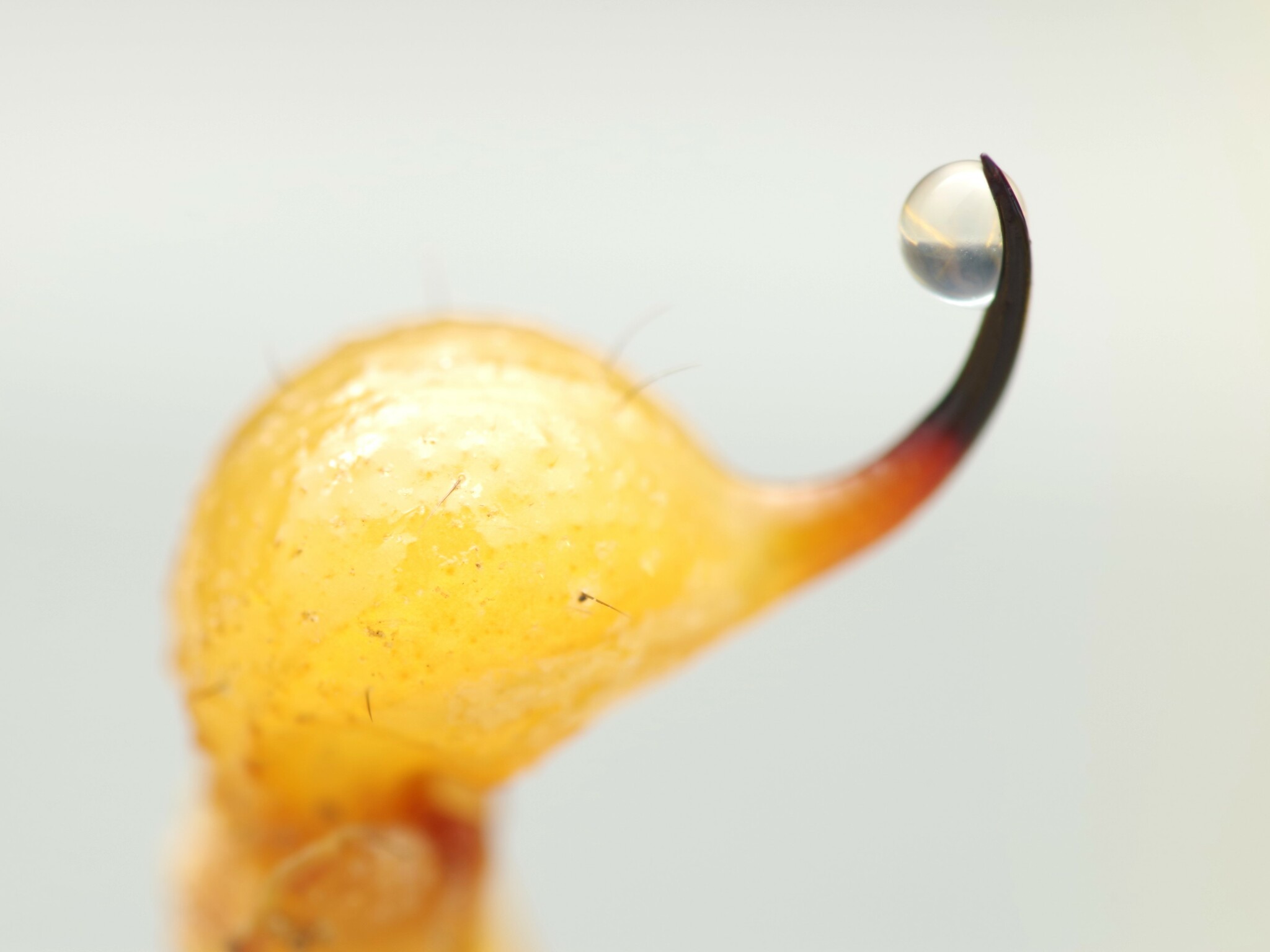
The Aculeus: The Point of Contact
At the forefront of the stinger is the “aculeus,” the sharp, piercing point. This is the part that directly interacts with the target, whether it’s an insect prey or a perceived threat. The aculeus is typically elongated and needle-like, designed to penetrate tough exoskeletons or skin with minimal resistance. Its curvature and sharpness are not accidental; they are optimized for efficient insertion.
The tip of the aculeus is often reinforced with chitin, a tough and resilient polysaccharide that forms the structural component of arthropod exoskeletons. In some species, the aculeus may also contain microscopic serrations or barbs, further enhancing its ability to hold on to prey or inflict deeper wounds. These micro-structures, often invisible to the naked eye, are a key feature that scientists study for inspiration in creating specialized tools and coatings. The precise angle and geometry of the aculeus are crucial for its penetration capabilities, minimizing the force required for insertion.
The Vesicle: The Venom Reservoir
Immediately preceding the aculeus is the “vesicle,” a bulbous, sac-like structure. This is the primary reservoir for the scorpion’s venom. The vesicle is highly muscular and capable of contracting forcefully. This muscular action is what drives the venom through the aculeus and into the victim upon injection. The shape and elasticity of the vesicle are critical for maximizing venom delivery. It acts as a sophisticated pump, ensuring that a significant quantity of venom can be expelled with each strike.
The internal structure of the vesicle is complex, featuring folds and membranes that allow for efficient storage and controlled release of venom. The pressure generated by the vesicle’s muscular contractions can be substantial, enabling the venom to be injected with considerable force, even overcoming the resistance of tough integuments. Understanding the biomechanics of this muscular pump is of significant interest to engineers developing fluid delivery systems.
Articulations and Musculature: The Mechanics of the Strike
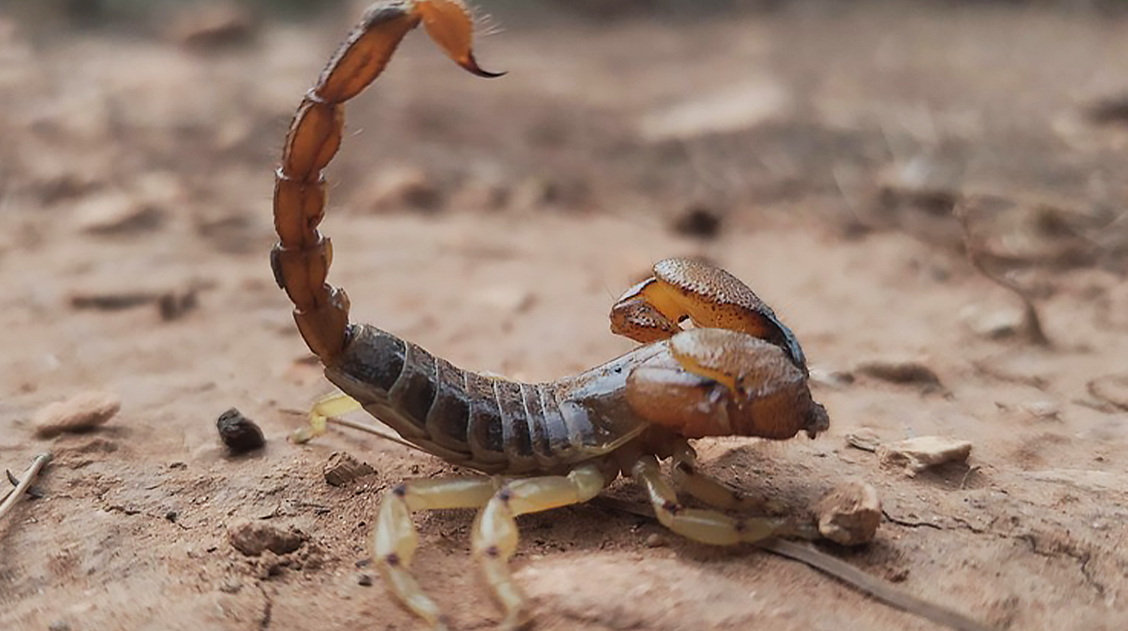
The stinger is not a rigid, unmoving appendage. It is attached to the scorpion’s body via a series of complex articulations and muscles, allowing for a wide range of motion. The telson is typically connected to the metasoma (the tail segments) by a flexible joint, enabling the scorpion to arch its tail forward over its body to strike with remarkable speed and precision.
The musculature surrounding the vesicle and its connection to the metasoma is incredibly powerful for its size. These muscles enable the scorpion to control the angle, force, and speed of its strike. The rapid contraction and expansion of the vesicle, coupled with the precise movements of the telson, create a devastatingly effective delivery system. Studying these muscle-action dynamics can inform the development of advanced robotics, particularly in areas requiring delicate yet powerful manipulation.
Beyond the Point: The Functional Ingenuity of the Stinger
The visual appearance of the scorpion stinger is intrinsically linked to its sophisticated functionality. The design is a marvel of natural engineering, optimized for survival in diverse environments.
Precision and Agility: The Strike Mechanism
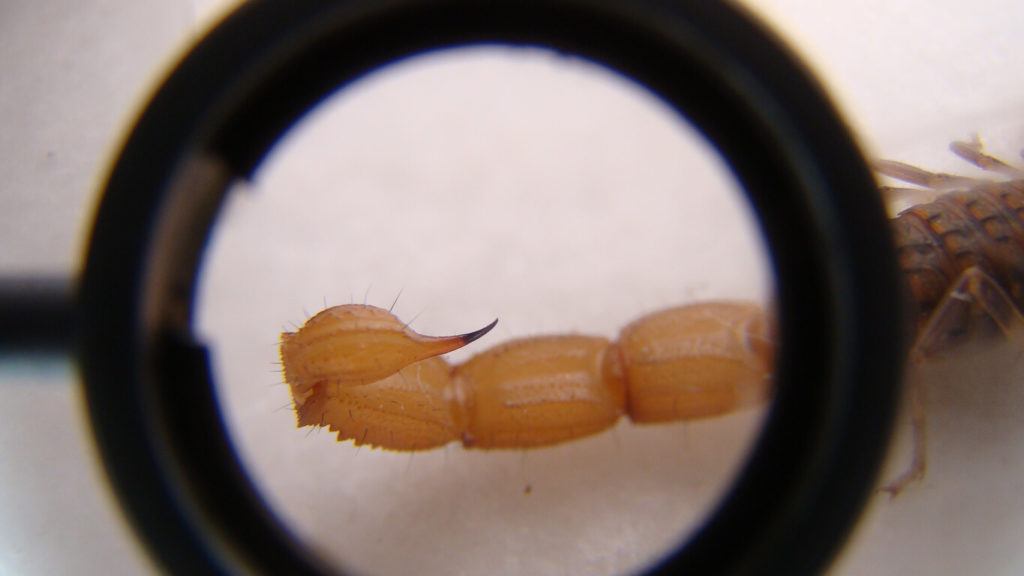
The scorpion’s ability to strike is a combination of its anatomical features and its advanced sensory capabilities. While we focus on the stinger’s appearance, it’s crucial to acknowledge the biological systems that orchestrate its use. The scorpion’s vision, combined with its highly sensitive setae (bristle-like sensory hairs) that detect vibrations in its environment, allows it to pinpoint prey or threats with uncanny accuracy.
Once a target is identified, the scorpion executes a rapid, often whip-like motion of its tail. The stinger’s articulation allows for a wide arc of movement, enabling the scorpion to strike from various angles. The speed at which the stinger can be deployed is astonishing, often occurring too quickly for the naked eye to fully perceive. This swiftness is a critical evolutionary advantage, minimizing the time the scorpion is exposed to danger or prey’s escape. This speed and precision are areas of intense study for roboticists aiming to replicate similar agile movements in autonomous systems.
Venom Delivery System: A Biologically Engineered Microfluidic Device
The stinger, in conjunction with the vesicle and aculeus, functions as a highly effective biological microfluidic device. The vesicle acts as a pressure chamber, and the aculeus serves as the injection needle. The venom, a complex cocktail of enzymes and toxins, is propelled through the hollow lumen of the aculeus by the muscular contractions of the vesicle.
The efficiency of this delivery system is paramount. The chemical composition of the venom is tailored to its purpose, whether it’s to immobilize prey quickly or to deter predators. The design of the aculeus ensures that the venom is introduced directly into the bloodstream or tissues of the target. This system represents a natural model for sophisticated drug delivery mechanisms, inspiring research into the design of microneedles and targeted therapeutic agents. The hollow nature of the aculeus, its internal diameter, and the pressure dynamics of venom expulsion are all factors that engineers analyze.
Technological Inspiration: Biomimicry and the Scorpion Stinger
The intricate design and functional efficiency of the scorpion stinger have long captivated scientists and engineers, serving as a source of inspiration for technological innovation. The principles observed in this biological marvel are being translated into various cutting-edge applications.
Robotics and Actuation: Mimicking Natural Movement
The precise articulation and powerful musculature of the scorpion’s tail and stinger are of great interest to roboticists. Researchers are studying the biomechanics of scorpion movement to develop more agile and versatile robots. The ability to achieve rapid, controlled strikes from multiple angles is a key feature being emulated in robotic manipulators and prosthetic limbs.
The development of soft robotics, in particular, draws inspiration from the flexible yet strong nature of biological appendages like the scorpion’s stinger. By understanding how muscle contractions translate into controlled movements, engineers can design robots with a greater range of motion and dexterity, capable of navigating complex environments and performing delicate tasks. The study of the stinger’s articulation can inform the design of novel joint mechanisms for robots, offering improved flexibility and responsiveness.
Material Science and Micro-Engineering: The Aculeus’s Design
The sharp, durable, and often hollow structure of the aculeus presents a fascinating case study for material scientists and micro-engineers. The chitinous composition offers a remarkable balance of strength and flexibility. Furthermore, the microscopic structure of the aculeus, including any potential surface texturing or internal channels, is being investigated for its implications in the design of advanced cutting tools, surgical needles, and even microscopic sensors.
The self-sharpening nature of some biological structures, where wear and tear can actually maintain a sharp edge, is another aspect being explored. Understanding how the scorpion’s stinger maintains its efficacy over time could lead to the development of more durable and long-lasting micro-mechanical components. Research into the surface properties of the aculeus could also lead to new anti-fouling coatings or surfaces designed for precise penetration.
Medical Applications: Microneedle Technology and Drug Delivery
The concept of a sharp, hollow appendage designed for efficient injection into biological tissues has direct relevance to medical advancements, particularly in the field of microneedle technology. Researchers are exploring the design principles of the scorpion stinger to develop less painful and more efficient methods for drug delivery and diagnostics.
Microneedles, inspired by the aculeus, are tiny needles that can penetrate the outermost layer of the skin (the stratum corneum) to deliver medications or collect biological samples without reaching the pain-sensing nerve endings deeper in the dermis. The hollow nature of the aculeus serves as a direct model for hollow microneedles, while its sharpness and penetration mechanics inform the design of these medical devices for optimal efficacy and patient comfort. This biomimetic approach promises to revolutionize how we administer vaccines, manage chronic conditions, and conduct medical testing.
In conclusion, the scorpion stinger, when examined through a technological lens, transcends its reputation as a mere venomous weapon. Its morphology, from the sharp aculeus to the muscular vesicle, is a testament to evolutionary ingenuity. The principles embedded within its structure and function offer invaluable insights for advancements in robotics, material science, and medical technology, demonstrating how even the most seemingly simple biological features can hold profound lessons for human innovation.
aViewFromTheCave is a participant in the Amazon Services LLC Associates Program, an affiliate advertising program designed to provide a means for sites to earn advertising fees by advertising and linking to Amazon.com. Amazon, the Amazon logo, AmazonSupply, and the AmazonSupply logo are trademarks of Amazon.com, Inc. or its affiliates. As an Amazon Associate we earn affiliate commissions from qualifying purchases.