
The question of “what hand for an engagement ring” is most frequently answered through the lens of cultural tradition or romantic sentiment. However, in the realm of personal finance and high-net-worth asset management, the engagement ring represents much more than a social signal. It is often one of the first significant capital outlays a couple makes, representing a specialized class of “portable wealth.”
Understanding the placement of the ring is not just about adhering to the “Vena Amoris” (the vein of love) tradition; it is about understanding the history of a multi-billion dollar industry and the economic implications of how we display and protect high-value assets. From the strategic marketing of the diamond industry to the practicalities of insurance and resale value, the “hand” you choose carries weight in your financial portfolio.
The Economics of Tradition: Why the Left Hand Dominates the Market
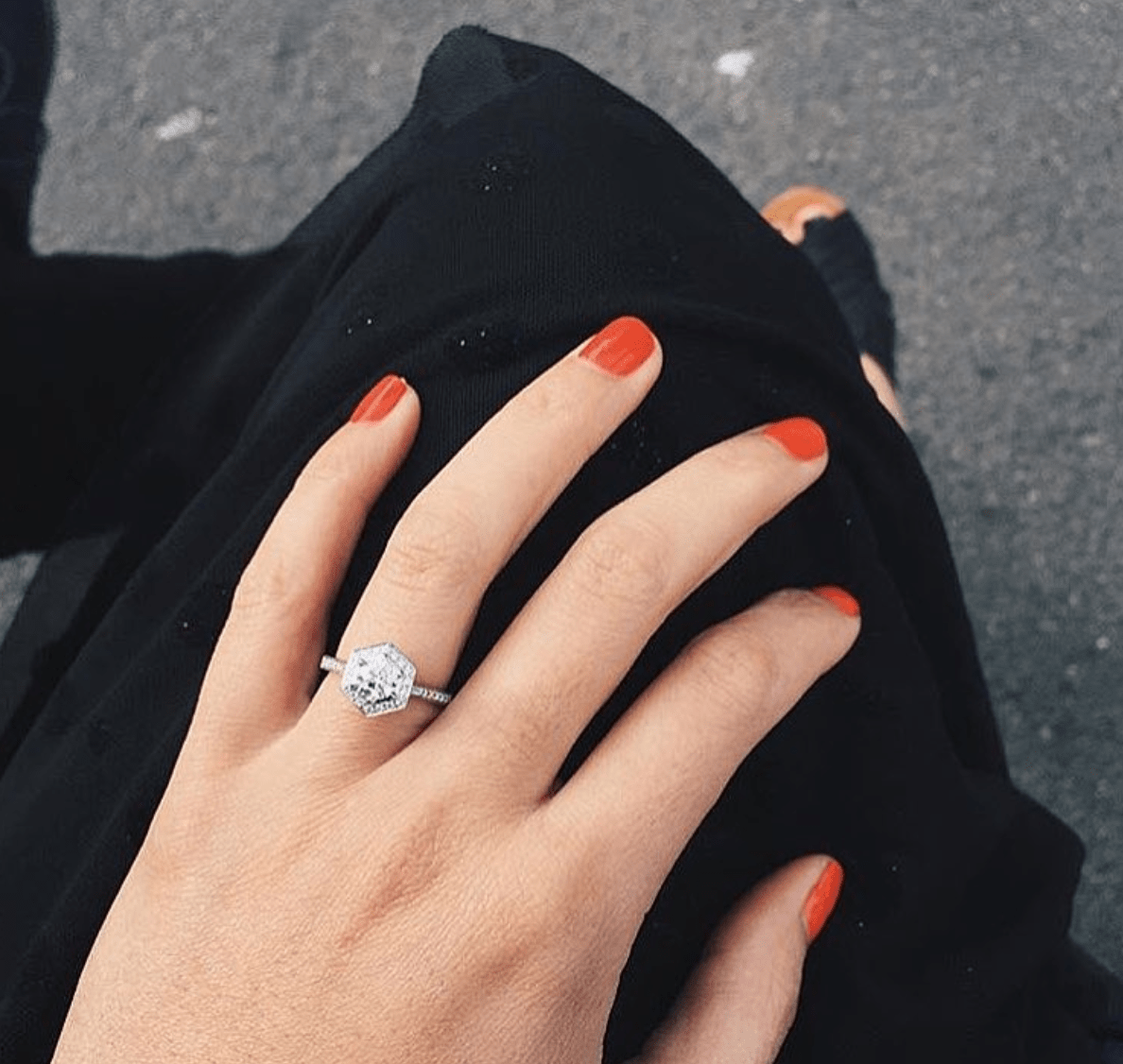
The tradition of wearing an engagement ring on the fourth finger of the left hand is dominant in most Western economies, including the United States, Canada, and much of the United Kingdom. From a financial history perspective, this tradition was solidified not just by ancient Roman lore, but by the aggressive and highly successful branding efforts of the mid-20th century.
The Marketing of the “Left Hand” Asset
In the 1930s and 40s, the diamond cartel De Beers launched one of the most successful marketing campaigns in history. By linking the diamond—specifically on the left hand—to the concept of an unbreakable, “forever” commitment, they created a psychological barrier to resale. From a money management perspective, this was a masterstroke: it effectively took the asset out of the secondary market. If a ring is “forever,” it is never sold, which maintains high demand and keeps the price of new stones inflated.
Global Market Variations and Cultural Capital
While the left hand is standard in the West, significant markets such as Russia, Germany, Norway, and parts of India favor the right hand. For the global investor or someone navigating international business etiquette, understanding these distinctions is vital. These choices are often rooted in “cultural capital”—the non-financial social assets that promote social mobility. In certain high-society circles, the placement of a ring acts as a credit score of sorts, signaling marital status and, by extension, financial stability and social reliability.
The Engagement Ring as a Portable Asset
For many households, the engagement ring is one of the most expensive items they own, second only to a home or a vehicle. Treating the ring as a “hard asset” requires a shift in mindset from romantic sentiment to wealth management. Whether it sits on the left hand or the right, the ring represents locked-in capital.
Liquidity and Resale Value
One of the most important concepts in personal finance is liquidity—how quickly an asset can be converted into cash without losing significant value. Engagement rings are notoriously illiquid. Most consumers purchase rings at retail prices, which include significant markups for branding, labor, and storefront overhead.
The moment the ring is placed on a hand, its market value typically drops by 30% to 50%. However, certain “investment-grade” diamonds or rare gemstones (like untreated sapphires or high-clarity emeralds) can appreciate over decades. Understanding the difference between a “retail luxury” purchase and an “investment-grade” asset is the hallmark of a savvy financial planner.
Hedging Against Inflation with Precious Metals
The “hand” that holds the ring also holds a specific weight of precious metals—usually platinum, gold, or palladium. In times of extreme economic volatility or hyperinflation, physical gold and platinum have historically acted as hedges. While a single ring is not a diversified commodities portfolio, the intrinsic value of the metal provides a “floor” for the asset’s value. When choosing a ring, the choice of metal is a financial decision: platinum is more durable and maintains its density, whereas gold is more liquid in the global scrap market.
Protecting Your Investment: Insurance and Appraisals
Once you have decided on the hand and the ring, the focus must shift to risk management. Wearing a five-figure or six-figure asset on your hand every day introduces significant physical risk. Financial experts recommend treating the engagement ring with the same rigor as any other significant investment.

Why Your Choice of Hand Affects Wear and Tear
From a practical maintenance standpoint, the hand you choose matters for the longevity of the asset. For right-handed individuals, wearing a high-profile diamond on the right hand increases the risk of “impact damage”—chipping a stone or bending a prong during daily activities.
Every repair or restoration effort can potentially lower the integrity of the setting or, in the case of severe damage to the stone, drastically reduce the resale value. Strategic placement on the non-dominant hand is not just tradition; it is a form of preventative maintenance for a physical asset.
Navigating Insurance Premiums and Appraisals
To protect the capital invested in the ring, insurance is non-negotiable. Most standard homeowners’ or renters’ insurance policies have a “sub-limit” for jewelry (often as low as $1,000 or $2,500). If your ring exceeds this value, you must purchase a “scheduled personal property” rider.
This requires a professional appraisal. A professional appraisal should be updated every 2–3 years to reflect current market prices for diamonds and gold. If the market value of your ring increases and you haven’t updated your appraisal, you are effectively under-insured, leaving a gap in your net worth coverage.
The “Three Months’ Salary” Myth: Strategic Budgeting for the Asset
In the world of personal finance, few rules of thumb are as pervasive—or as financially damaging—as the “three months’ salary” rule. This “rule” was a marketing invention designed to maximize the “Share of Wallet” for jewelry retailers. Modern financial planning suggests a more nuanced approach to the cost of the ring.
Strategic Allocation of Capital
Instead of following an arbitrary salary rule, couples should look at their “opportunity cost.” If you spend $15,000 on a ring, that is $15,000 that is not being invested in a diversified stock portfolio or used as a down payment on a home.
Consider the “Future Value” of that money: $15,000 invested in an S&P 500 index fund with an average 7% return would be worth approximately $58,000 in 20 years. When deciding how much to spend on the ring for that left hand, you must weigh the immediate social and emotional utility against the long-term compounding growth of the capital.
Financing vs. Cash Purchases
The method of acquisition is a critical financial decision. Many jewelry retailers offer “0% financing” for the first 12–24 months. While this can be a strategic move to keep your cash in high-yield savings accounts, it is a double-edged sword. If the balance is not paid in full by the end of the promotional period, “deferred interest” often kicks in at rates upwards of 25%. From a wealth-building perspective, if you cannot afford to buy the asset in cash, you are likely over-leveraging yourself for a depreciating retail item.
The Rise of Lab-Grown Diamonds: A Disruptive Financial Trend
In recent years, the “what hand” debate has been joined by the “what stone” debate, which is fundamentally an economic one. Lab-grown diamonds are chemically identical to mined diamonds but retail for 60% to 80% less.
The Depreciation of Lab-Grown Assets
From a consumer standpoint, lab-grown diamonds offer more “visual bang for your buck.” You can get a much larger stone for the same capital outlay. However, from an investment standpoint, lab-grown diamonds have virtually zero resale value. They are a “technology product” rather than a “natural resource.” Just as a computer loses value as newer models are produced, the price of lab-grown diamonds continues to fall as production efficiency increases. Choosing a lab-grown diamond is a decision to spend less upfront, with the understanding that the “asset” on your hand is a sunk cost, not a store of value.

Conclusion: The Value is in the Strategy
Ultimately, whether an engagement ring sits on the left hand or the right is a matter of personal and cultural preference. However, the financial reality of that ring remains constant. It is a significant concentration of wealth that requires insurance, maintenance, and a clear-eyed understanding of its place in your overall financial life.
By treating the engagement ring as a strategic purchase rather than just a romantic impulse, you ensure that this symbol of commitment also serves as a stable component of your financial future. Whether you are budgeting for the purchase, insuring the asset, or considering its long-term resale potential, remember that the most important thing on your hand is not just the diamond—it is the financial wisdom used to put it there.
aViewFromTheCave is a participant in the Amazon Services LLC Associates Program, an affiliate advertising program designed to provide a means for sites to earn advertising fees by advertising and linking to Amazon.com. Amazon, the Amazon logo, AmazonSupply, and the AmazonSupply logo are trademarks of Amazon.com, Inc. or its affiliates. As an Amazon Associate we earn affiliate commissions from qualifying purchases.