
While the acronym BASE—standing for Building, Antenna, Span, and Earth—defines the four categories of fixed objects from which a practitioner jumps, the sport itself has evolved into a sophisticated frontier of mechanical engineering and digital technology. What was once a fringe activity defined by modified skydiving gear has transformed into a high-stakes laboratory for material science, computational fluid dynamics (CFD), and wearable tech.
To understand what BASE jumping stands for in a modern context, one must look past the adrenaline and focus on the technical infrastructure that allows a human being to transition from a stationary object into controlled flight. This article explores the technological advancements in equipment, the digital tools used for site assessment, and the future of safety tech in the world’s most demanding aerial discipline.
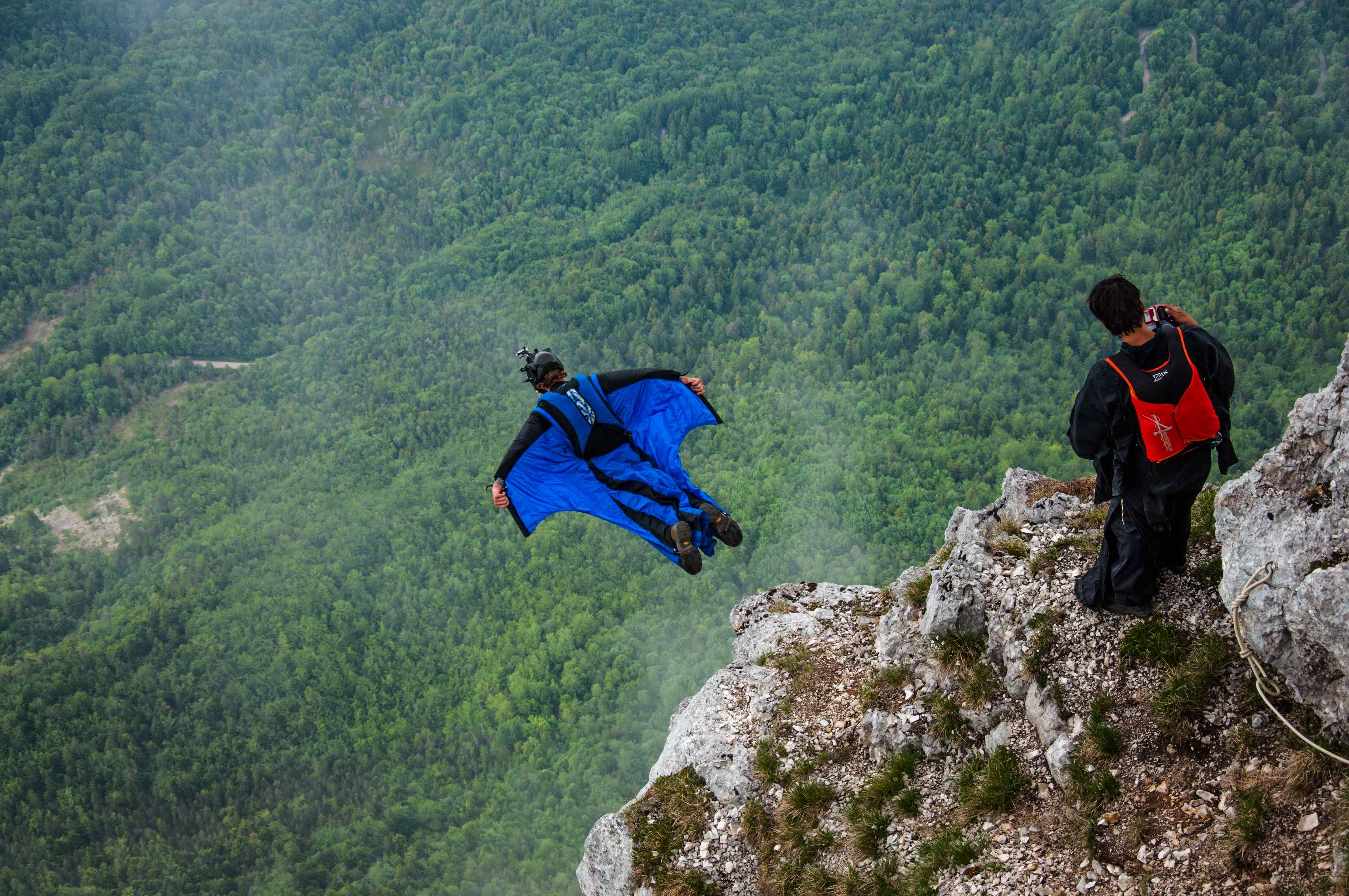
The Engineering of Specialized BASE Systems
Unlike skydiving, where a participant jumps from a moving aircraft at several thousand feet, BASE jumping involves low altitudes and zero airspeed at the moment of exit. This creates a unique set of engineering challenges. Traditional skydiving equipment is designed for high-speed deployment; BASE equipment is engineered for “sub-terminal” environments where every millisecond of parachute inflation counts.
Fabric Innovation and Ripstop Technology
The materials used in modern BASE parachutes are a marvel of textile engineering. Manufacturers have moved away from standard F-111 nylon toward highly specialized fabrics like Porcher Sport’s “zero-porosity” materials. These fabrics are coated with advanced chemicals to ensure that no air escapes through the weave, maximizing lift and response time during low-altitude openings.
Furthermore, “ripstop” technology has been refined through computerized weaving patterns that prevent micro-tears from propagating under the immense pressure of a “slider-down” opening. The tension-to-weight ratio of these textiles is constantly being optimized in labs to ensure that the gear is light enough for a four-hour hike up a mountain but strong enough to withstand the centrifugal force of a sudden deployment.
Container Design and Deployment Mechanics
The “container”—the backpack holding the parachute—has seen a digital overhaul in its design process. Using 3D modeling software, engineers create ergonomic harnesses that distribute the force of the opening across the jumper’s skeletal structure.
Crucially, the deployment tech has shifted toward “vented” canopies. These are parachutes with internal valves that allow the cells to inflate from the inside out, even if the jumper is not moving forward. This pressurized air-cell technology is what allows jumpers to survive exits from “low” objects where there is simply no time for traditional physics to take over.
Wingsuit Aerodynamics: The Intersection of Software and Physics
If the parachute is the safety net, the wingsuit is the engine. The development of the wingsuit is perhaps the most tech-heavy aspect of BASE jumping. It represents a shift from falling to true human flight, and it is made possible through rigorous aerodynamic simulation.
CFD (Computational Fluid Dynamics) in Suit Design
Modern wingsuit manufacturers like Squirrel and Phoenix-Fly utilize Computational Fluid Dynamics (CFD) to iterate on suit designs before a single piece of fabric is cut. This is the same software used by Formula 1 teams and aerospace engineers.
By inputting variables such as air density, body surface area, and glide ratios, designers can predict how a specific wing shape will perform at various “angles of attack.” The goal is to maximize the “glide ratio”—the distance traveled forward for every foot dropped. Ten years ago, a 2:1 ratio was considered elite; today, thanks to software-assisted design, jumpers are reaching ratios of 3:1 and beyond, allowing them to clear massive topographical obstacles that were previously un-flyable.
Material Science: Balancing Lift and Drag
The internal “ribs” of a wingsuit must be rigid enough to maintain an airfoil shape under high wind pressure, yet flexible enough to allow the jumper to reach their deployment handles. Tech companies are now experimenting with air-pressurized stiffeners and carbon-fiber inserts to maintain the wing’s integrity. The surface of the suits is also being treated with hydrophobic coatings to ensure that moisture doesn’t increase the weight or disrupt the laminar flow of air over the suit’s surface, which would increase drag and decrease safety margins.

Digital Tools and Navigation for the Modern Jumper
The “tech stack” of a modern BASE jumper extends far beyond their physical gear. The preparation for a jump now involves a suite of digital tools that would have been unimaginable to the sport’s pioneers.
GPS and Laser Rangefinders for Site Assessment
Before a jump is ever attempted, “technical BASE” requires a precise understanding of the environment. Jumpers use high-precision laser rangefinders to measure the “verticality” of a cliff and the “dead-deck” (the point of no return).
This data is often cross-referenced with GPS mapping software and 3D topographic maps like Google Earth Pro or specialized fatmap layers. By analyzing the digital elevation model (DEM) of a mountain, a jumper can calculate their “flight line” digitally. They can determine exactly how much horizontal distance they need to cover to clear a ledge or reach a landing area, turning a leap of faith into a calculated mathematical exercise.
Wearable Tech and Biometric Monitoring
During the flight, the jumper becomes a data hub. High-definition action cameras are no longer just for social media; they are essential for post-flight telemetry analysis. Furthermore, specialized audible altimeters—devices that use barometric pressure sensors to provide audio cues—are standard.
Advanced jumpers are now integrating heads-up displays (HUDs) into their goggles, providing real-time data on glide ratio and ground speed. Biometric sensors, such as those found in high-end Garmin or Suunto units, allow jumpers to track their heart rate and stress levels, providing data-driven insights into how their physical state affects their decision-making during high-pressure exits.
The Role of AI and Simulation in Training
As the complexity of the tech increases, so does the barrier to entry. To mitigate the risk, the industry has turned to software-based training solutions.
Virtual Reality (VR) Rehearsals
Virtual Reality has become a cornerstone of wingsuit training. Using high-fidelity VR headsets and motion-tracking suits, students can practice “emergency procedures” and “line flying” in a simulated environment. These simulations use real-world GPS data to recreate specific jump sites (like the Eiger in Switzerland) with startling accuracy. This allows the jumper to build the muscle memory required to pull their parachute while traveling at 120 mph without the immediate life-threatening consequences of a mistake.
Predictive Weather Modeling Software
Weather is the most volatile variable in BASE jumping. Modern jumpers rely on hyper-local weather modeling apps that use AI to predict “micro-climates.” Standard weather reports are insufficient for a jumper standing on a 3,000-foot cliff where wind shear and thermal updrafts can change in seconds.
By using apps that aggregate data from thousands of local sensors and satellite imagery, jumpers can identify “launch windows” with high precision. These tools can predict when a “back-wind” (which pushes a jumper toward the object) might shift to a “head-wind” (which provides the lift necessary for a safe exit), essentially using big data to manage the inherent risks of the environment.
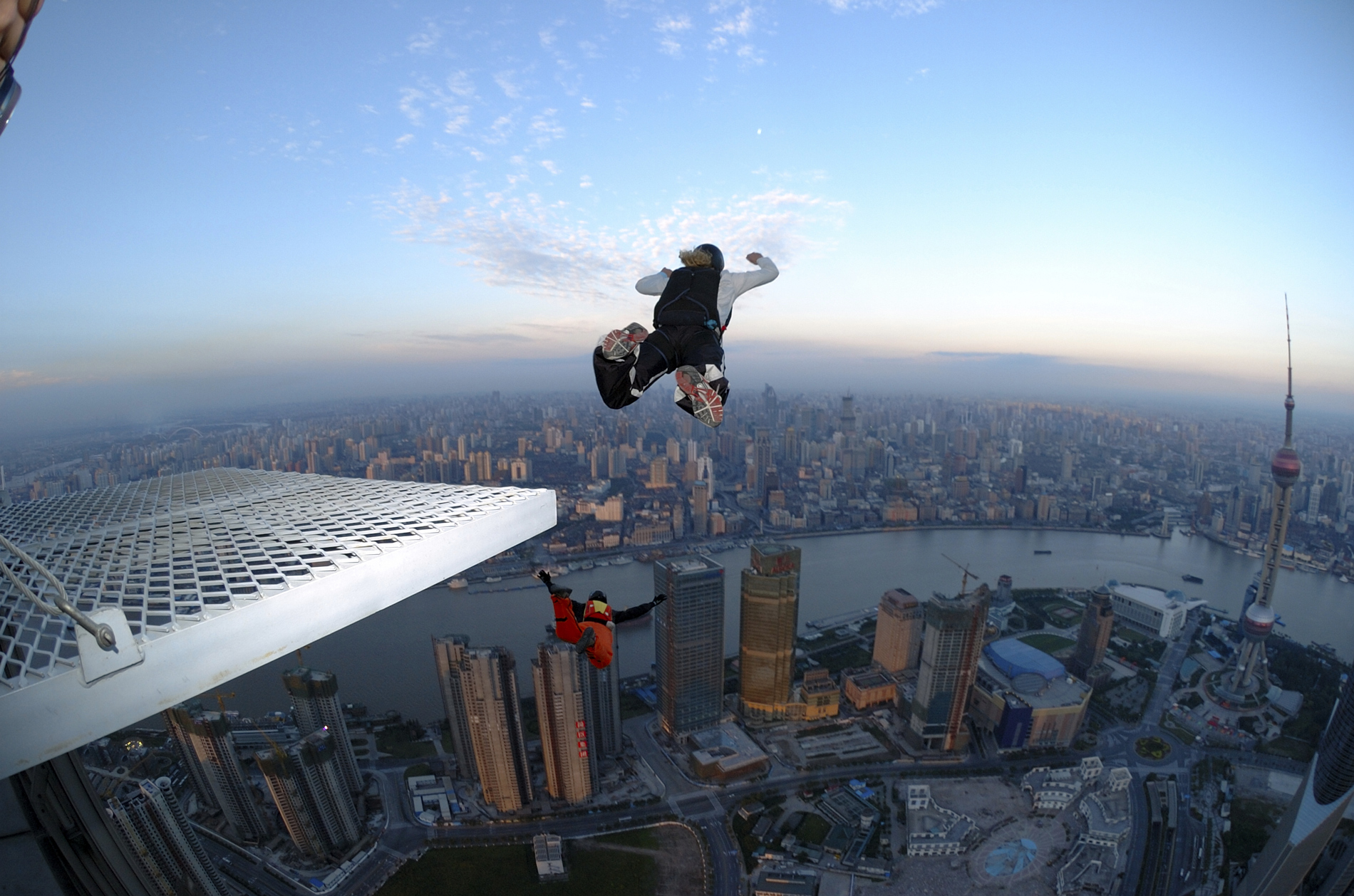
The Future of Safety Tech: Sensors and Automation
Looking forward, the definition of BASE jumping is being further refined by the introduction of automated safety systems. In skydiving, Automatic Activation Devices (AADs) are common, but they have historically been difficult to implement in BASE due to the low altitudes and rapid pressure changes.
However, a new generation of “intelligent” BASE AADs is in development. These devices use sophisticated algorithms to distinguish between a jumper in a stable glide and a jumper who has lost control or is unconscious. By using multi-sensor fusion—combining barometric data with accelerometers and gyroscopes—these devices can theoretically trigger a parachute deployment if they detect a “near-ground” impact trajectory.
This integration of hardware and software is what BASE jumping stands for in the 21st century. It is no longer just an acronym for the objects being jumped; it is a testament to human ingenuity and the relentless pursuit of perfecting the physics of flight through technology. As we continue to refine the materials, the software, and the data, the line between man and machine continues to blur, turning the sky into a digital playground of infinite possibility.
aViewFromTheCave is a participant in the Amazon Services LLC Associates Program, an affiliate advertising program designed to provide a means for sites to earn advertising fees by advertising and linking to Amazon.com. Amazon, the Amazon logo, AmazonSupply, and the AmazonSupply logo are trademarks of Amazon.com, Inc. or its affiliates. As an Amazon Associate we earn affiliate commissions from qualifying purchases.