
In the modern digital landscape, communication has evolved beyond the written word. We now inhabit an era of visual shorthand where a single character can carry the weight of a paragraph. Among the diverse iconography available on our smartphone keyboards, hand emojis stand out as the most nuanced and context-dependent tools in our digital arsenal. For tech enthusiasts, UI/UX designers, and casual digital communicators alike, understanding the semiotics of these icons is essential to navigating the nuances of messaging apps, collaborative platforms, and social media ecosystems.
The Evolution of Digital Gestures in UI/UX
Hand emojis are not merely decorative elements; they are vital components of modern user interface and user experience design. From the early days of simple emoticons to today’s high-definition, skin-tone-diverse Unicode characters, hand gestures have become a cornerstone of human-computer interaction (HCI).
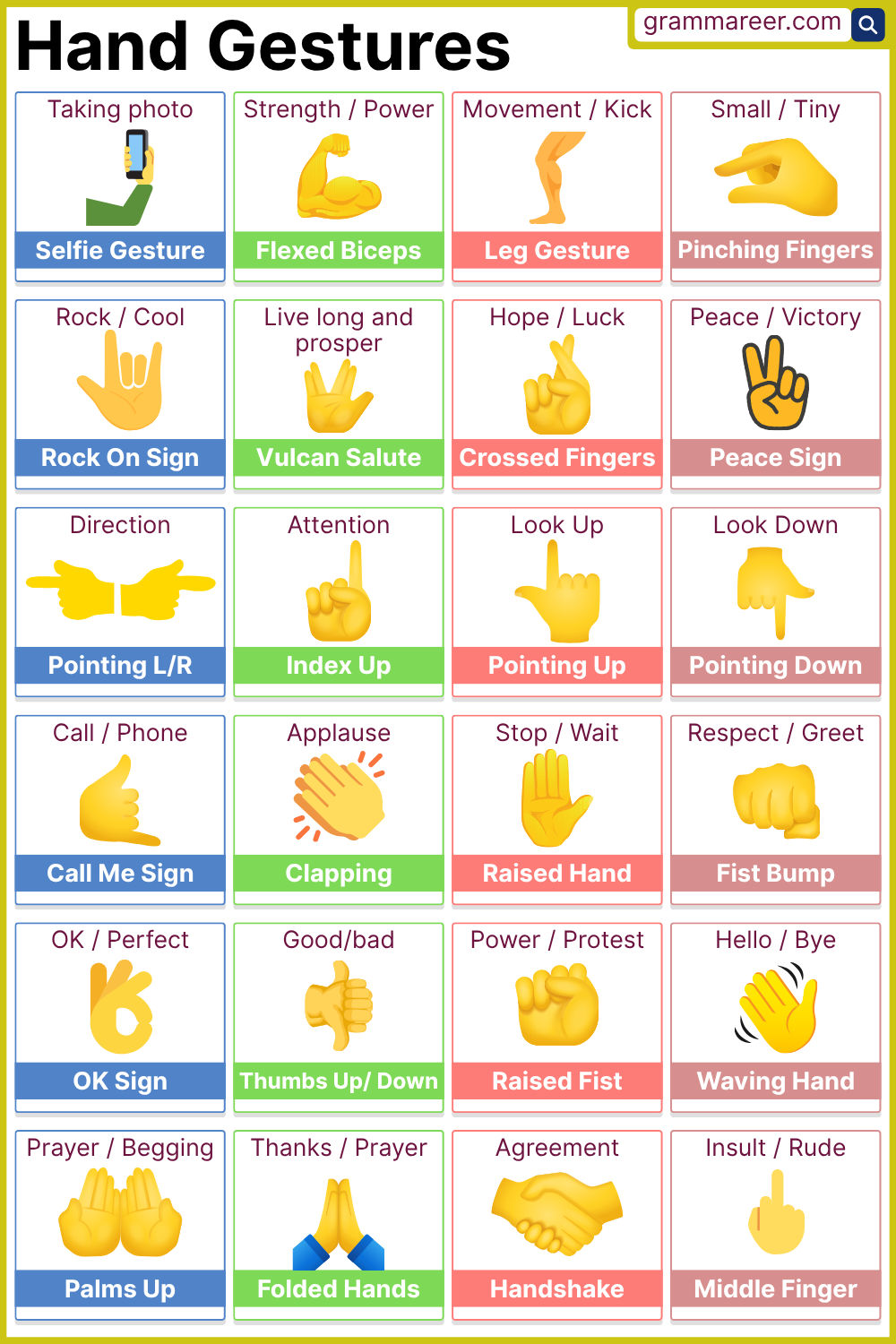
Communication Protocols and Digital Literacy
As software platforms become more global, the standardization of hand emojis provides a universal language that transcends spoken barriers. However, the interpretation of these symbols is heavily influenced by regional culture and the specific platform’s design language. In messaging apps like Slack or Discord, a “thumbs up” ( ) might be interpreted as a neutral acknowledgment of a task, whereas in more formal email environments, it could be perceived as dismissive or passive-aggressive. Mastering these digital cues is a foundational skill in digital literacy, requiring users to read the room—or, more accurately, the chat thread—before deploying specific gestures.
Accessibility and Emoji Integration
From a technical standpoint, the integration of hand emojis into operating systems like iOS and Android involves complex encoding standards governed by the Unicode Consortium. These characters are designed to be inclusive, supporting multiple skin tones and gender variations. This technical inclusivity is a reflection of a broader push within the tech industry to ensure that digital representation mirrors the diversity of the global user base. When we send a hand gesture, we are interacting with a sophisticated data architecture designed to bridge the gap between human kinetic expression and binary transmission.
Decoding the Most Frequently Used Hand Emojis
While there are dozens of hand-based icons available, a few have become industry standards for digital communication. Understanding their precise meanings—and the potential for miscommunication—is key to effective digital discourse.
The Thumbs Up ( ) and the Thumbs Down ( )
The thumbs up is perhaps the most globally recognized digital symbol, yet it is also one of the most contentious. In many tech-centric workspaces, it serves as a “read receipt,” confirming that a message has been seen and processed. However, younger generations, particularly Gen Z, have occasionally cited the thumbs up as a gesture that feels abrupt or even hostile in its brevity. The thumbs down, conversely, is rarely used literally to express “dislike” in a professional capacity; instead, it is often used as a tool for quick consensus-building or error-signaling in collaborative environments.
The “Okay” ( ) and the “Victory” (✌️)
The “OK” hand sign is a testament to how digital meanings can shift rapidly due to sociocultural pressures. Once a clear sign of agreement or technical “all-clear,” it has seen its reputation complicated by its adoption in various fringe online circles. In a strictly professional software or development context, however, it remains a standard shorthand for confirming that a build or a process is functioning correctly. The “Victory” or “Peace” sign (✌️) is frequently used to convey a sense of relaxed camaraderie. In digital project management, it often signals the completion of a two-part task or a casual sign-off.
The Clapping Hands ( ) and the Prayer Hands ( )
The clapping hands emoji is the quintessential tool for digital validation. It is widely used to show support for a colleague’s achievement or to emphasize a point made in a public forum. The “folded hands” or “prayer” emoji is frequently misunderstood. While intended to represent a gesture of gratitude, prayer, or a “high five,” its ambiguity is a frequent subject of debate. In the tech world, it is most commonly used to signal “thank you” or “please,” acting as a soft-skill buffer in text-heavy communication.
The Nuance of Contextual Interpretation
The meaning of a hand emoji is rarely static. It exists in a state of flux, dependent entirely on the platform, the relationship between the users, and the velocity of the conversation.
Platform-Specific Etiquette
On professional platforms like LinkedIn, hand emojis are typically used to signify congratulation, networking success, or general business interest. On messaging platforms like Telegram or WhatsApp, the same emojis might take on a more playful, ironic, or urgent tone. Understanding the “Platform Etiquette” is akin to understanding the file format requirements of a specific software; just as you wouldn’t send a raw PSD file when a JPEG is expected, you shouldn’t use overly casual emojis in an environment that demands professional sobriety.
Tone and Frequency
The frequency with which one uses hand emojis also dictates their meaning. A single hand emoji can appear professional and concise. However, a string of multiple hand emojis—such as “clapping hands” repeated five times—signals high energy, sarcasm, or an exaggerated emotional response. This is essentially the digital equivalent of voice modulation. In tech-driven communication, where brevity is often prized, the ability to control the tone through minimal visual input is a high-level skill that can prevent misunderstandings and foster better remote team cohesion.
Mitigating Miscommunication in Virtual Spaces
As remote work and digital collaboration continue to dominate the modern workforce, the risk of misinterpretation is higher than ever. Hand emojis, while intended to bridge the “empathy gap,” can sometimes widen it.
Best Practices for Digital Gestures
To ensure that your digital communication remains professional and effective, consider the following best practices:
- Mirroring: In a professional thread, observe how your counterparts are using emojis. If the environment is formal, wait to see how they acknowledge your input before responding with a high volume of hand emojis.
- Clarity Over Aesthetic: If a gesture is inherently ambiguous (like the “folded hands” emoji), pair it with a brief word to ensure your meaning is clear. For example, “Thank you for the update! ” is far harder to misinterpret than the emoji alone.
- Cultural Sensitivity: Remember that tech is global. A gesture that is benign in Silicon Valley may have a completely different, potentially offensive connotation in another part of the world. When communicating with international teams, prioritize standard symbols with universally understood meanings.

The Future of Gestural Communication
As we move toward augmented reality (AR) and virtual reality (VR) workspaces, the role of hand gestures will become even more critical. In immersive environments, hand tracking technology will allow us to use our actual hands to control interfaces, potentially rendering the emoji keyboard obsolete in favor of direct, gesture-based command inputs. However, until that technology reaches ubiquity, the hand emoji remains the most efficient way to communicate human intent through the limitations of a flat screen.
By treating these emojis as a specialized language—one that requires understanding, context, and careful application—you can enhance your digital communication skills. Whether you are managing a software development team, coordinating a global marketing campaign, or simply navigating the complexities of modern Slack etiquette, the humble hand emoji is your primary tool for conveying warmth, clarity, and professionalism in an increasingly automated world. Mastering these icons is not just about keeping up with trends; it is about becoming a more effective, empathetic, and precise communicator in the digital age.
aViewFromTheCave is a participant in the Amazon Services LLC Associates Program, an affiliate advertising program designed to provide a means for sites to earn advertising fees by advertising and linking to Amazon.com. Amazon, the Amazon logo, AmazonSupply, and the AmazonSupply logo are trademarks of Amazon.com, Inc. or its affiliates. As an Amazon Associate we earn affiliate commissions from qualifying purchases.