
Cesar Chavez is a name synonymous with the fight for justice and equality, particularly for a group of workers who had long been marginalized and exploited. He is most famously known for his tireless advocacy for farmworkers, specifically the Mexican-American and Filipino-American laborers who toiled in the fields of California and beyond. His life’s work was dedicated to improving their living and working conditions, securing fair wages, and granting them the dignity and respect they deserved.
While the initial query might seem straightforward, understanding the depth and breadth of Chavez’s advocacy requires delving into the socio-economic landscape of mid-20th century America, the specific challenges faced by farmworkers, and the strategic innovations Chavez employed to bring about change. This journey involves examining not just the “who” but also the “why” and “how” of his monumental efforts.
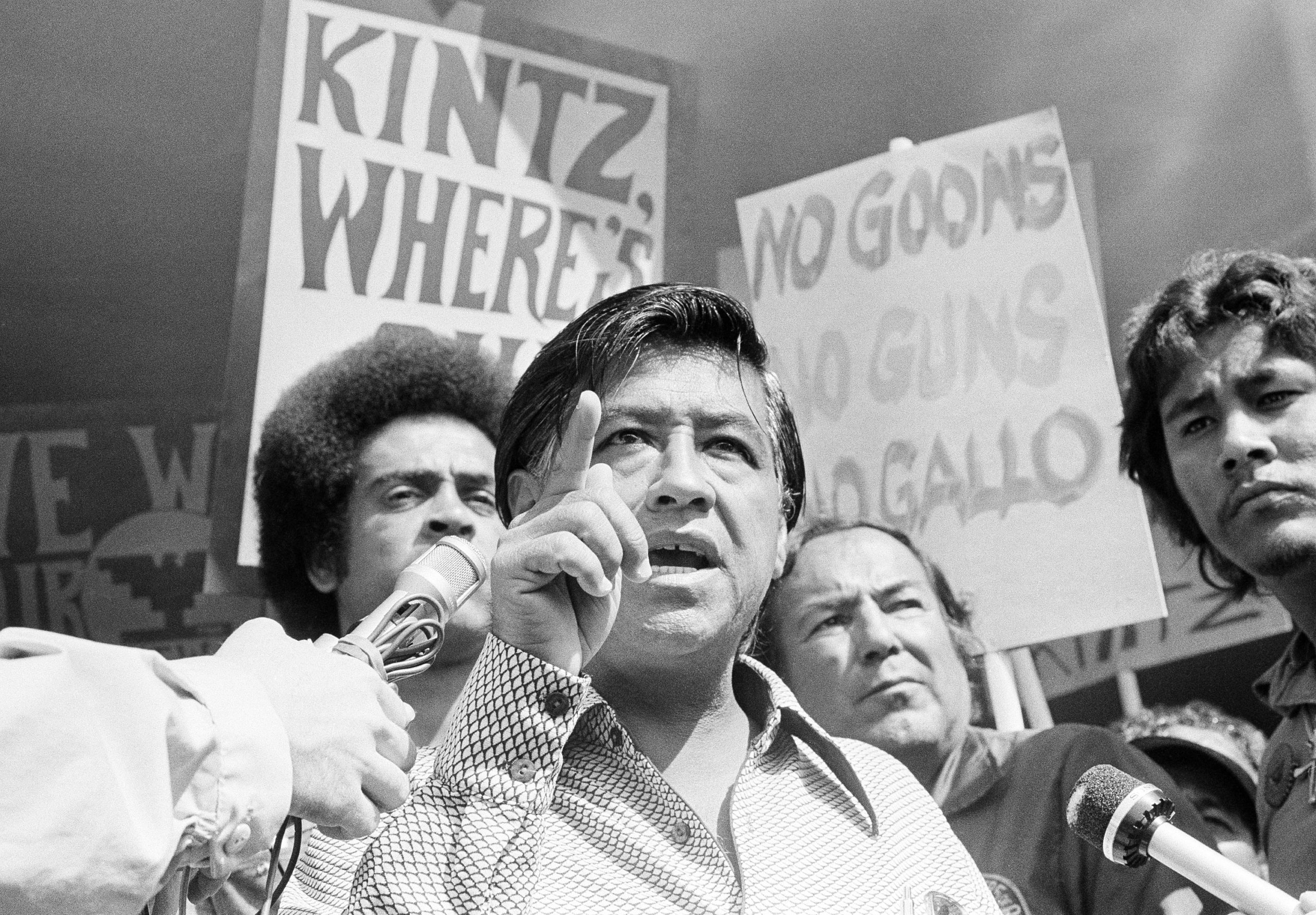
The Unseen Laborers: The Plight of Farmworkers
To truly grasp what group Cesar Chavez advocated for, one must first understand the historical context and the dire circumstances of the farmworkers he championed. The agricultural industry, a cornerstone of the American economy, relied heavily on a transient and often exploited workforce. These laborers, predominantly of Mexican and Filipino descent, faced a brutal reality characterized by:
Low Wages and Exploitative Practices
Farmworkers were notoriously underpaid, earning wages that barely allowed for survival. Piece-rate systems, where workers were paid by the pound or by the crop, incentivized grueling labor for minimal reward. They often worked under the constant threat of losing their jobs if they dared to speak out against unfair practices. This economic vulnerability made them susceptible to a cycle of poverty that was passed down through generations.
Deplorable Living and Working Conditions
Beyond the meager wages, the living and working conditions were often Dickensian. Workers were crammed into unsanitary labor camps with inadequate access to clean water, healthcare, and basic amenities. The fields themselves posed significant dangers, with exposure to harmful pesticides, extreme weather conditions, and the constant risk of injury from harvesting tools and machinery. There was little to no recourse for those who became ill or injured on the job.
Lack of Basic Rights and Protections
Crucially, farmworkers were largely excluded from the protections afforded to other industrial workers. They were denied the right to unionize, to collectively bargain for better conditions, and to strike without fear of reprisal. This legal and societal disenfranchisement left them at the mercy of powerful agricultural corporations and growers, who wielded immense influence over their lives.
The Birth of a Movement: The United Farm Workers (UFW)
Cesar Chavez, himself a former farmworker, understood these hardships intimately. His vision was to empower these laborers by giving them a collective voice and the means to fight for their rights. This vision coalesced into the formation of the National Farm Workers Association (NFWA) in 1962, which later merged with another Filipino-led union to become the United Farm Workers (UFW) in 1966. The UFW became the vehicle through which Chavez mobilized and advocated for the rights of farmworkers.
The UFW, under Chavez’s leadership, was not just a labor union; it was a movement deeply rooted in principles of nonviolence, civil disobedience, and community organizing. Chavez drew inspiration from figures like Mahatma Gandhi and Martin Luther King Jr., believing that peaceful protest was the most powerful weapon against oppression.
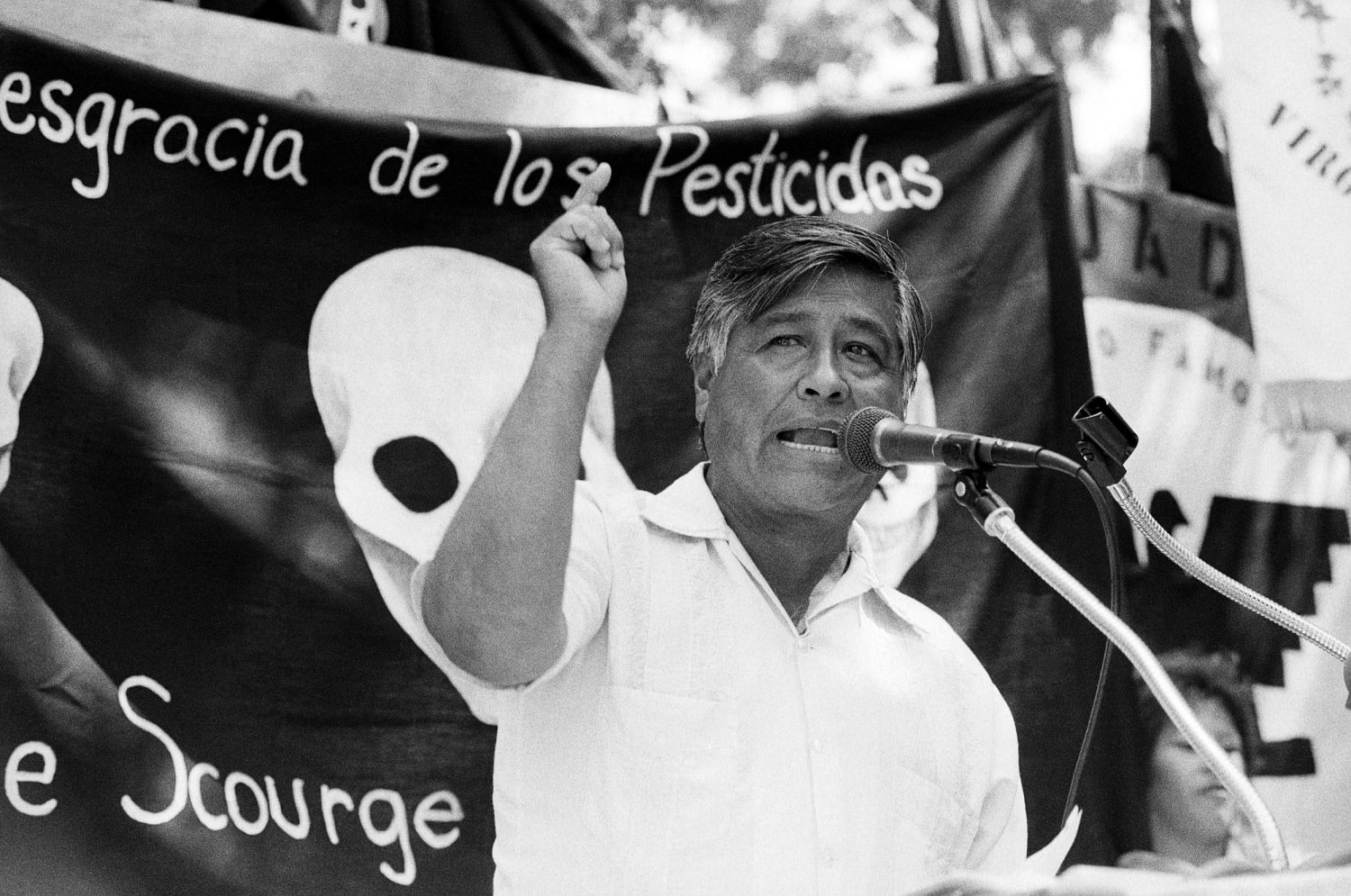
Strategic Organizing and Nonviolent Tactics
Chavez’s genius lay in his ability to organize a scattered and diverse workforce. He understood the importance of building solidarity and fostering a sense of shared identity among the farmworkers, transcending ethnic and linguistic barriers. The UFW employed a range of innovative tactics:
- Strikes and Boycotts: The UFW famously organized strikes, such as the Delano grape strike, where workers walked off the fields to demand better treatment. Crucially, they recognized the power of consumer pressure and launched highly effective boycotts of grapes and lettuce, urging the public not to purchase these products until growers agreed to fair labor practices. These boycotts brought national attention to the plight of farmworkers and pressured growers to negotiate.
- Marches and Pilgrimages: Chavez led long, arduous marches, often from the fields to state capitals, to raise awareness and demonstrate the unwavering commitment of the farmworkers. These marches were not just acts of protest but also spiritual journeys, reinforcing the moral righteousness of their cause.
- Union Contracts: The ultimate goal was to secure legally binding contracts that guaranteed fair wages, better working conditions, the abolition of harmful pesticides, and the right to union representation. The UFW’s persistent efforts eventually led to landmark contracts with major agricultural companies, setting precedents for labor rights in the industry.
Beyond the Fields: The Wider Impact of Chavez’s Advocacy
While Cesar Chavez’s primary focus was on farmworkers, his advocacy had a ripple effect, influencing broader social and political landscapes. His fight for the rights of marginalized laborers contributed to a larger narrative of civil rights and social justice in America.
A Catalyst for Civil Rights
Chavez’s movement became an integral part of the broader Chicano Movement, a civil rights struggle for Mexican Americans. His success in organizing and empowering farmworkers inspired other ethnic groups and marginalized communities to demand their rights. The UFW’s fight for dignity and respect resonated with a nation grappling with issues of racial discrimination and inequality.
Innovation in Brand and Marketing for a Cause
From a modern perspective, Chavez’s advocacy can also be viewed through the lens of brand building and marketing. The UFW, under his leadership, effectively crafted a powerful brand identity.
- The UFW Logo and Symbolism: The iconic UFW eagle, a symbol of pride and empowerment, was instantly recognizable and served as a potent emblem of the movement. It communicated strength, unity, and a shared purpose.
- Storytelling and Public Awareness: Chavez and the UFW were adept at telling the story of the farmworkers’ struggle. Through media campaigns, public speeches, and grassroots organizing, they painted a vivid picture of the injustices faced, fostering empathy and support among the wider public. This was a form of reputation management for a cause, shaping public perception in favor of the workers.
- Building a Community of Supporters: The UFW didn’t just rely on the farmworkers themselves; they actively built a coalition of supporters, including students, religious leaders, and civil rights activists. This expansion of their supporter base was a testament to their effective brand strategy, making the cause relatable and garnering widespread advocacy.
- Ethical Marketing: The boycotts, in particular, can be seen as a form of ethical marketing. They leveraged consumer power to promote ethical business practices and hold corporations accountable. This foreshadowed later movements advocating for socially responsible consumerism.
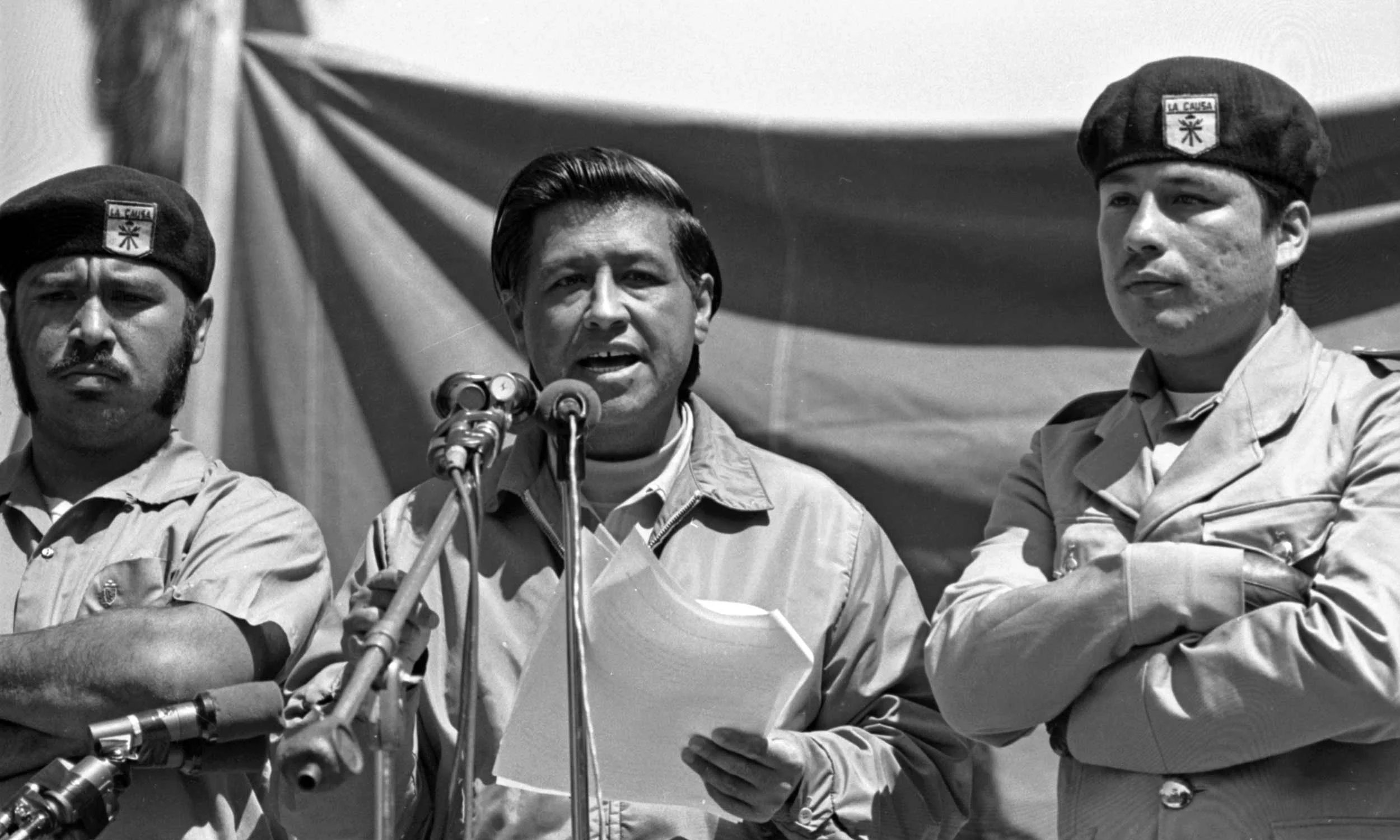
The Economic and Social Transformation of Farm Labor
The impact of Chavez’s advocacy on the economic and social standing of farmworkers is undeniable. While the fight for fair wages and conditions continues, the UFW achieved significant victories:
- Increased Wages and Benefits: Union contracts secured by the UFW led to substantial increases in wages, the establishment of health and welfare benefits, and improved working hours.
- Safer Working Conditions: The UFW fought for and won protections against the indiscriminate use of harmful pesticides, leading to safer environments for farm laborers.
- Recognition and Dignity: Perhaps most importantly, Chavez’s movement bestowed a sense of dignity and recognition upon farmworkers, who had previously been invisible and devalued. He demonstrated that their labor was essential and deserved respect.
In conclusion, Cesar Chavez is famous for advocating for the rights and dignity of farmworkers, a group historically exploited and overlooked. His unwavering commitment, coupled with the strategic brilliance of the United Farm Workers, brought about transformative changes in the agricultural labor landscape. His legacy serves as a powerful reminder of the impact one individual and a united movement can have in the pursuit of social justice and economic equality. The lessons learned from his advocacy continue to inspire movements for workers’ rights and social change across the globe.
aViewFromTheCave is a participant in the Amazon Services LLC Associates Program, an affiliate advertising program designed to provide a means for sites to earn advertising fees by advertising and linking to Amazon.com. Amazon, the Amazon logo, AmazonSupply, and the AmazonSupply logo are trademarks of Amazon.com, Inc. or its affiliates. As an Amazon Associate we earn affiliate commissions from qualifying purchases.