
In the pursuit of the perfect cup of coffee, few variables are as critical, yet often misunderstood, as the grind size. For pour over brewing, where precision dictates perfection, the choice of grind is not merely a preference but a foundational technical specification. This method, celebrated for its clarity, complexity, and control, demands a rigorous understanding of how particle size influences extraction dynamics. Far from a trivial detail, optimizing your grind for pour over is a deep dive into the engineering of flavor, involving a careful balance of surface area, flow rate, and solubility.
The pour over technique, whether utilizing a Hario V60, Chemex, Kalita Wave, or any other manual brewer, is a testament to the idea that thoughtful design and precise execution can yield extraordinary results from simple ingredients. But even the most sophisticated brewing device or the finest roasted beans cannot overcome an incorrect grind. This article delves into the technical nuances of grind size for pour over coffee, exploring the scientific principles, the critical role of grinder technology, and the systematic approach required to dial in your perfect brew. We will dissect the impact of particle distribution, offer guidance on selecting the right equipment, and equip you with the knowledge to troubleshoot common extraction challenges, all through the lens of technical mastery.
The Science of Grind Size: More Than Just Fineness
At its core, coffee brewing is a process of extraction – dissolving desirable compounds from coffee grounds into water. The efficiency and quality of this extraction are heavily influenced by the coffee’s grind size. This isn’t just about how “fine” or “coarse” the particles are; it’s a precise engineering challenge involving surface area, resistance, and the kinetics of flavor transfer.
Surface Area and Extraction Dynamics
Imagine a coffee bean as a miniature flavor reservoir. When you grind it, you fracture this reservoir into countless smaller particles, vastly increasing its total surface area. This increased surface area allows water to interact more effectively with the coffee solids, facilitating the dissolution of compounds like acids, sugars, and oils.
For pour over, the goal is a balanced extraction. If the grind is too fine, the enormous surface area can lead to over-extraction – the dissolution of bitter, acrid compounds that manifest as an unpleasant taste. Conversely, a grind that is too coarse offers insufficient surface area, resulting in under-extraction and a weak, sour, or watery cup. The “sweet spot” for pour over lies in a medium-fine grind, specifically calibrated to allow optimal interaction without overwhelming the water’s extraction capacity or restricting its flow. This requires understanding the delicate equilibrium between extraction rate and desired flavor profile.
The Role of Uniformity: Why Burr Grinders Dominate
Beyond just the average particle size, the uniformity of the grind is paramount. An ideal grind consists of particles that are as close to the same size as possible, a concept known as a tight “particle distribution.” This technical characteristic is crucial because different-sized particles extract at different rates. Finer particles extract quickly, while coarser particles extract slowly.
Blade grinders, which chop beans rather than grind them, produce an extremely inconsistent particle distribution, generating a mix of fine “boulders” and coarse “boulders.” This leads to a brew that is simultaneously over-extracted (from the fines) and under-extracted (from the coarse particles) – a “bimodal extraction” often resulting in a muddy, unbalanced cup.
Burr grinders, on the other hand, utilize two abrasive surfaces (burrs) that mill the coffee beans to a consistent size. This precise mechanical action ensures a more uniform particle distribution, allowing for even extraction and a cleaner, more predictable flavor profile. This superior uniformity is why burr grinders are considered essential equipment for any serious pour over enthusiast and are a key technological component in achieving consistent brewing results.
Decoding Grind Scales: From Coarse to Fine
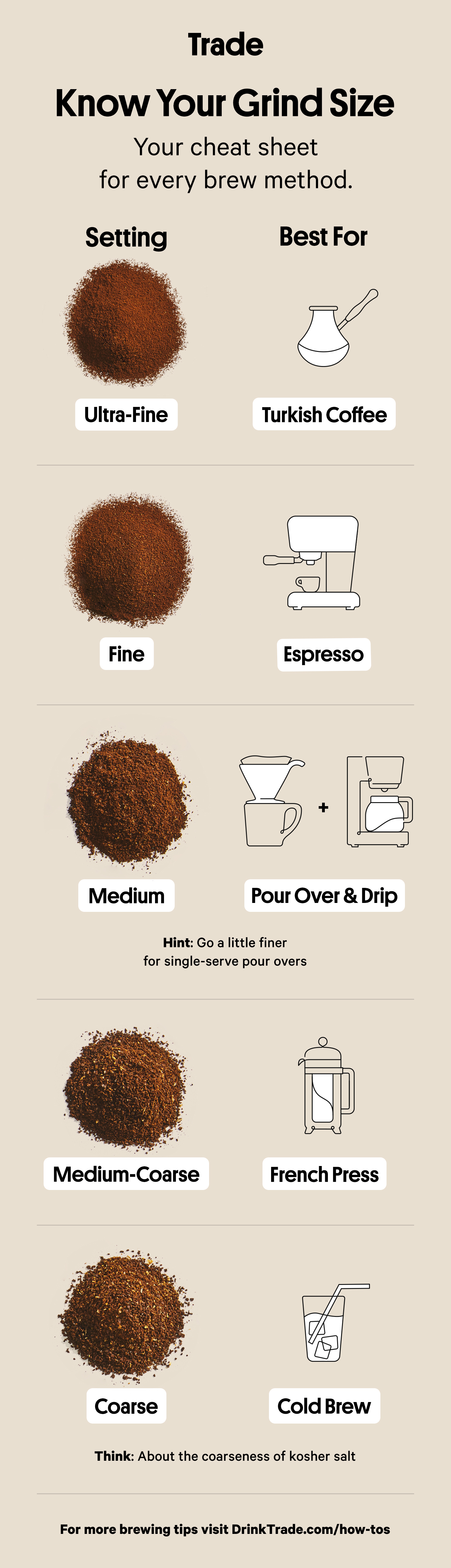
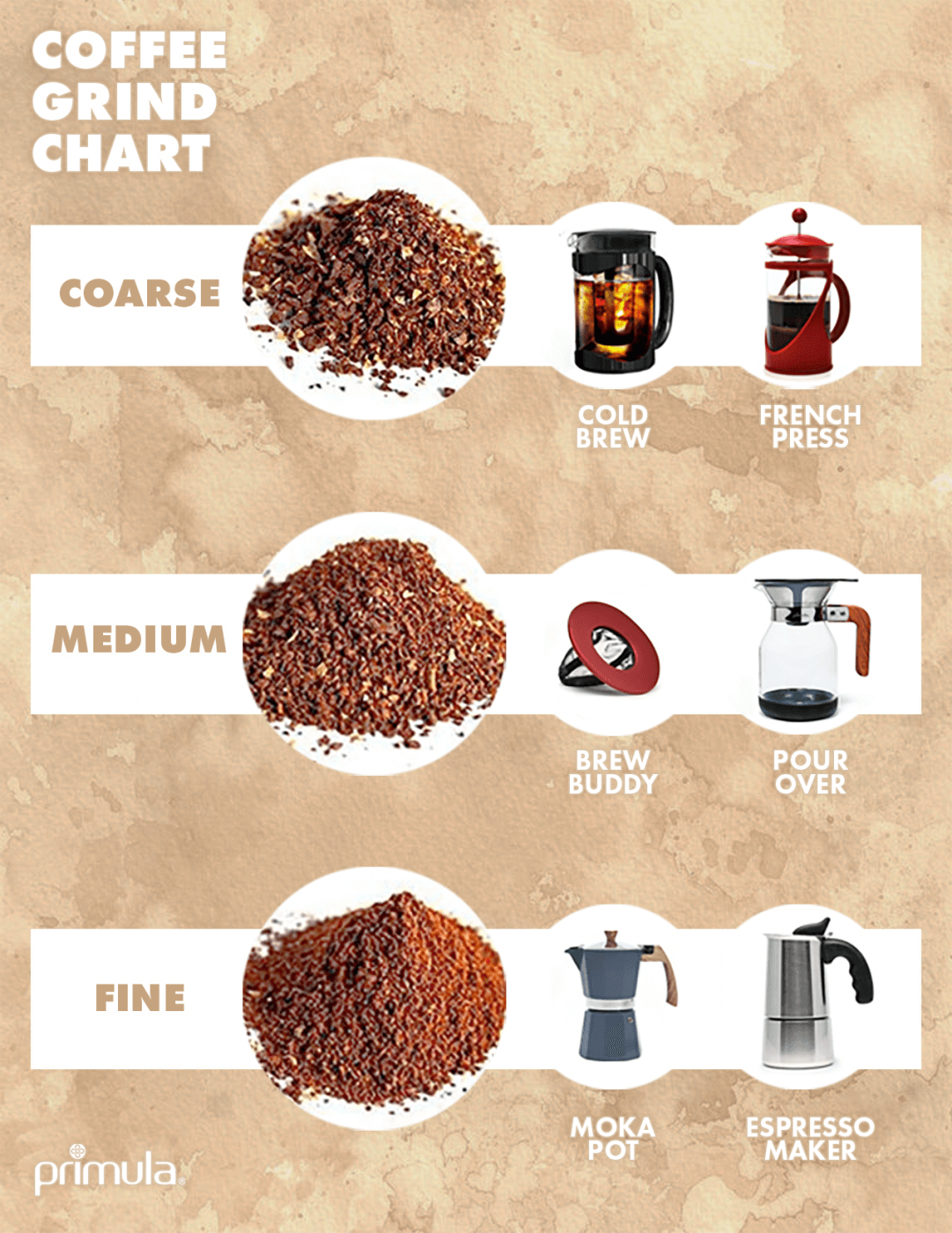
While “medium-fine” is the general recommendation for pour over, this term can be subjective. To standardize, visualize grind sizes along a spectrum:
- Extra Coarse: Resembles peppercorns. Used for cold brew or French Press (if you prefer less sediment).
- Coarse: Similar to sea salt crystals. Ideal for French Press.
- Medium-Coarse: Like rough sand. Suitable for Chemex or auto-drip coffee makers with flat-bottom filters.
- Medium: Similar to regular sand. A good starting point for drip coffee.
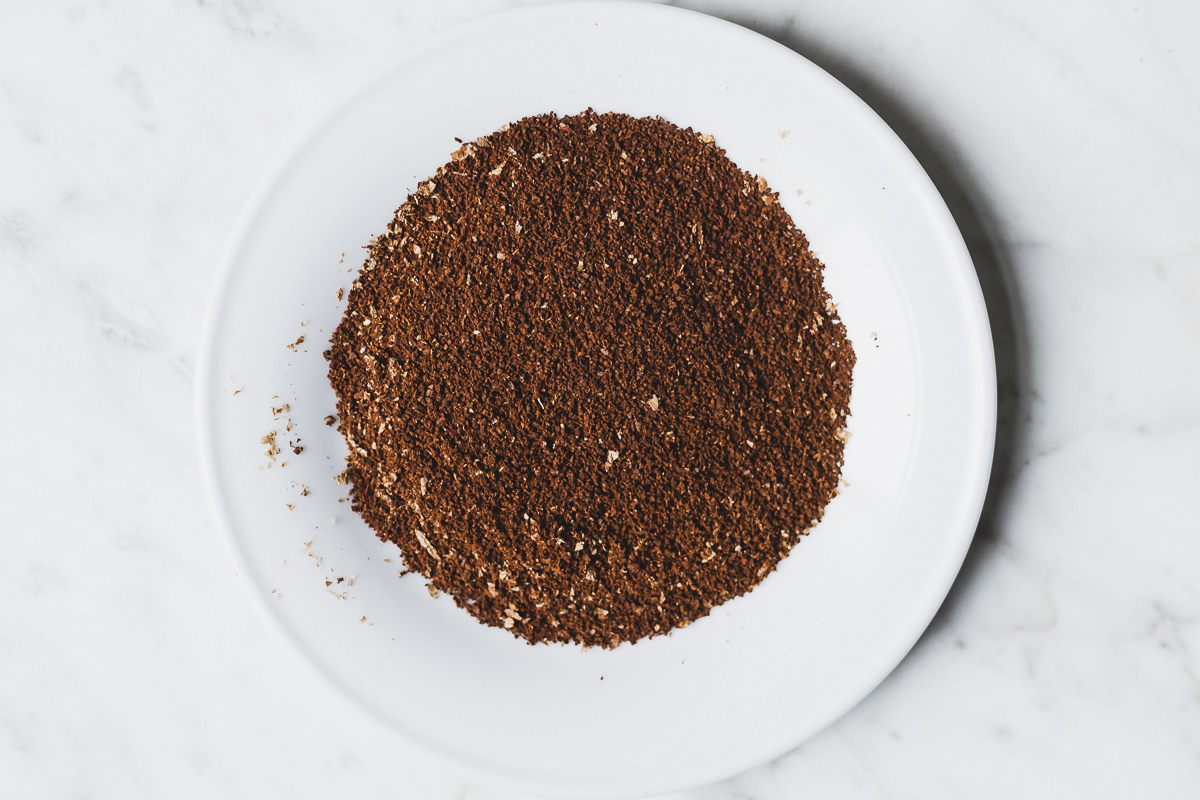
- Medium-Fine: Resembles table salt or granulated sugar. This is the sweet spot for most pour over methods (V60, Kalita Wave). It should feel slightly gritty between your fingers, not powdery.
- Fine: Like powdered sugar or espresso grind. For espresso machines, Aeropress (short brew time).
- Extra Fine: Like flour. For Turkish coffee.
The exact setting on your grinder will vary, even between identical models. The key is to calibrate your grinder by grinding a small amount and feeling it, looking at it, and ultimately tasting the resulting coffee. This tactile and sensory calibration is an essential part of the technical process.
The Pour Over System: A Synergy of Components
Achieving the perfect pour over isn’t solely about the grind; it’s about the intricate interaction of multiple variables, each contributing to the overall technical system. The grind size is the core input, but its impact is modulated by the brewer’s design, water parameters, and even the filter material. Understanding these interdependencies is key to mastering the pour over art.
Anatomy of the Pour Over Brewer
Different pour over brewers are not just aesthetically varied; they represent distinct design philosophies and engineering solutions for coffee extraction. Each brewer’s geometry influences water contact time, flow dynamics, and bed depth, thus dictating the optimal grind size.
- Hario V60: Characterized by its conical shape, large single hole, and spiral ribs, the V60 promotes a fast flow rate. This design often necessitates a slightly finer grind than other brewers to ensure adequate extraction time and to prevent water from rushing through too quickly, leading to under-extraction. The ribs also facilitate airflow, aiding in more even extraction.
- Chemex: With its elegant hourglass shape, thicker paper filters, and often larger brew volumes, the Chemex offers a slower flow rate. Its thick filter acts as a barrier, requiring a slightly coarser grind than a V60 to avoid clogging and over-extraction. The result is typically a very clean cup, free of sediment and oils.
- Kalita Wave: Featuring a flat bottom and three extraction holes, the Kalita Wave is designed for more even extraction by promoting a consistent bed depth and reducing channeling. This forgiving design often allows for a slightly wider range of grind sizes, typically in the medium-fine to medium range, making it a good choice for beginners.
Understanding these design nuances is crucial for fine-tuning your grind. A grind perfect for a V60 might be too fine for a Chemex, resulting in a stalled brew.
Water Temperature and Flow Rate: The Other Variables
Beyond particle size, water temperature and the speed at which it’s poured are critical technical controls.
- Water Temperature: Ideally, water for pour over should be between 195°F and 205°F (90°C and 96°C). Water that’s too hot can scorch the grounds and extract bitter compounds excessively, even with a correct grind. Water that’s too cool will under-extract, regardless of grind, leading to a flat or sour taste. Temperature-controlled kettles are invaluable gadgets for maintaining this precise parameter.
- Flow Rate: The speed and consistency of your pour significantly impact agitation and extraction. A slow, steady, concentric pour (often achieved with a gooseneck kettle, another piece of specialized tech) helps ensure all grounds are evenly saturated and prevents channeling – where water creates preferential pathways through the coffee bed, bypassing other grounds and leading to uneven extraction. A finer grind naturally restricts flow, requiring more careful pouring to avoid over-agitation or clogging.
Filters: The Unsung Technical Hero
The coffee filter, often overlooked, is a critical component in the pour over system, acting as a selective membrane that influences both flow rate and cup clarity.
- Paper Filters: The most common type, paper filters vary in thickness, porosity, and material. Thicker, denser filters (like those for Chemex) slow down flow and trap more oils and fine particulates, leading to a cleaner, brighter cup. Thinner filters (like for V60) allow for faster flow and a slightly richer body. The interaction between grind size and filter pore size is crucial: a grind that’s too fine can clog the filter, leading to excessively long brew times and over-extraction.
- Reusable Filters: These can be made of cloth, metal, or even ceramic. Metal filters, being coarser, allow more fines and oils into the cup, resulting in a heavier body and sometimes a slight sediment. Cloth filters offer a balance, filtering out most fines but allowing some oils. Using these requires careful consideration of grind size, often necessitating a slightly coarser grind to prevent excessive sediment or bitterness. Each filter material presents a different technical challenge and offers a distinct sensory outcome.
Navigating Grinder Technology: From Manual to Smart
The grinder is arguably the most important piece of brewing equipment, as it directly determines the consistency and quality of your grind. Investing in a good grinder is an investment in consistent quality and control over your pour over experience. Understanding the different types of grinders and their technological underpinnings is crucial for making an informed choice.
Manual Grinders: Precision in Simplicity
Manual grinders, powered by hand, have seen a resurgence in popularity, especially for pour over enthusiasts. Their appeal lies in their portability, quiet operation, and often excellent grind quality for their price point.
- Burr Type and Material: Most high-quality manual grinders use conical burrs, typically made from ceramic or steel. Ceramic burrs are durable and stay sharp for a long time, while steel burrs are often sharper initially and can produce a slightly more consistent grind for very fine settings.
- Adjustability Mechanisms: Manual grinders feature a stepped or stepless adjustment mechanism. Stepped grinders have pre-defined clicks for grind settings, making it easy to replicate a specific grind. Stepless grinders offer infinite adjustability, providing ultimate control for dialing in a very precise grind, though they can be harder to replicate without careful notation. The technical design of these mechanisms is critical for precision and repeatability.
While requiring manual effort, modern manual grinders like those from Comandante, Timemore, or 1Zpresso boast impressive engineering, offering grind consistency that rivals electric grinders costing significantly more.
Electric Grinders: Convenience Meets Control
Electric grinders offer convenience and speed, making them suitable for daily use or larger batches. They typically come in two main types: blade grinders (which we’ve already dismissed for pour over due to their poor grind uniformity) and burr grinders.
- Conical vs. Flat Burrs: Electric burr grinders primarily use either conical or flat burrs.
- Conical Burrs: Often found in entry-to-mid-level electric grinders, conical burrs are known for producing a consistent grind with good particle distribution. They operate at lower RPMs, which generates less heat, preserving the coffee’s delicate aromatics. They are also generally quieter and less prone to clogging.
- Flat Burrs: Predominantly found in higher-end commercial and prosumer grinders, flat burrs consist of two parallel rings with teeth. Coffee beans are fed between them and ground as they pass through. Flat burrs are renowned for producing an exceptionally uniform grind, particularly at finer settings, which is highly desirable for maximizing clarity and sweetness in pour over. However, they can generate more heat and noise and often come at a higher price point.
- Motor Technology and Gearing: The motor’s power and gearing system in an electric grinder significantly influence grind consistency. Lower quality motors can struggle, leading to inconsistent grind or overheating. Higher-end models often feature direct-drive motors or gear reduction systems that ensure consistent burr speed and torque, irrespective of bean hardness, which is critical for maintaining a tight particle distribution.
Advanced Features and Digital Integration
Modern electric grinders are increasingly incorporating advanced features that align with the Tech category:
- Integrated Scales: Some grinders now include built-in digital scales, allowing for precise dosing by weight rather than volume. This eliminates the variability of measuring by scoops, a significant upgrade in technical precision.
- Programmable Settings: Higher-end models offer programmable grind settings, allowing users to save specific fineness levels for different brewing methods or coffee beans.
- Digital Timers: Grinders with digital timers allow users to grind for a specific duration, which provides a level of consistency for volume-based dosing, though weighing remains superior for ultimate precision.
- App Connectivity: A nascent trend, some grinders are exploring app integration for remote control, grind profile management, and even firmware updates. These “smart grinders” represent the cutting edge of coffee tech.
Choosing Your Grinder: Investment in Consistency
When selecting a grinder for pour over, prioritize grind consistency and adjustability. While an entry-level burr grinder is a significant upgrade from a blade grinder, investing in a mid-to-high-tier burr grinder (manual or electric) will yield the most noticeable improvements in cup quality and control. Consider your budget, desired level of convenience, and the importance of grind precision in your brewing journey.
Troubleshooting Your Pour Over: Diagnosing Extraction Issues
Even with the best equipment and a recommended grind setting, the journey to the perfect pour over often involves iterative adjustments. Diagnosing issues is a critical technical skill, allowing you to fine-tune your grind and other parameters based on sensory feedback.
Under-extraction: The Sour & Weak Diagnosis
An under-extracted cup of coffee is characterized by flavors that are sour, sharp, grassy, hay-like, or overly acidic. The body will often be thin and watery, lacking depth.
Technical Symptoms:
- Brew time is too short.
- Coffee tastes weak and lacks sweetness.
- Sourness dominates, sometimes with a prominent salty note.
- The spent coffee bed might appear unevenly extracted (some areas lighter than others).
Grind-Related Solution: If your coffee is consistently under-extracted, your grind is likely too coarse. The water is flowing through too quickly, and there isn’t enough surface area or contact time for adequate flavor dissolution. Adjust your grinder to a finer setting. Make small adjustments and test.
Over-extraction: The Bitter & Astringent Diagnosis
An over-extracted cup is typically bitter, harsh, burnt, or chemical-like. It might also have an astringent, drying sensation on the tongue, similar to unripe fruit or strong black tea.
Technical Symptoms:
- Brew time is too long (water stalls or flows excessively slowly).
- Coffee tastes hollow, muddy, or lacks vibrancy.
- Bitterness and astringency overwhelm other flavors.
- The spent coffee bed might have a deep crater in the center, indicating channeling.
Grind-Related Solution: If your coffee is consistently over-extracted, your grind is likely too fine. The tiny particles create too much resistance, slowing the water flow and increasing contact time excessively. This leads to the dissolution of undesirable bitter compounds. Adjust your grinder to a coarser setting. Again, make small, incremental adjustments.
The Visual Cues: Reading Your Coffee Bed
Observing the coffee bed after brewing can provide valuable visual diagnostics:
- Uneven Bed/Channeling: If the coffee bed is sloped, has distinct craters, or shows signs of preferential water paths, it indicates uneven extraction. This could be due to an inconsistent grind, poor pouring technique, or an overly fine grind causing blockages.
- “Dry” Spots: If parts of the coffee bed appear untouched by water, it suggests uneven saturation, possibly from an overly coarse grind that allows water to pass too quickly in some areas, or improper pouring.
- Sediment: Excessive sediment in the bottom of your cup can point to a grind that is too fine, producing too many “fines” that pass through the filter, or a low-quality grinder producing an abundance of these micro-particles.
Mastering the Grind: Iteration and Sensory Calibration
Achieving mastery in pour over grinding is not a one-time setup but an ongoing process of iteration, observation, and sensory calibration. It combines the scientific method with the art of tasting.
Developing Your Palate: Sensory Analysis as a Tool
Your tongue is your most sophisticated diagnostic tool. Learning to identify specific flavors and sensations (sour, bitter, sweet, acidic, body, clarity) associated with under- and over-extraction is paramount.
- Taste Systematically: Don’t just drink; actively taste. Take small sips, let the coffee coat your tongue, and pay attention to the initial impression, mid-palate, and finish.
- Compare and Contrast: When making grind adjustments, brew two cups side-by-side: one with your previous setting and one with the new setting. This side-by-side comparison (often called a “cupping”) sharpens your ability to detect subtle differences. This methodical comparison is a foundational scientific technique.
The Grind Chart as a Starting Point
While every grinder and bean is unique, a general grind chart provides an excellent initial technical reference. For pour over, start with a grind that resembles table salt or coarse sand. Then, based on your initial brew time and taste, make systematic micro-adjustments.
Documenting Your Process: A Data-Driven Approach
To truly master your grind, adopt a data-driven approach:
- Logbook/App: Keep a detailed record of each brew. Note the coffee origin, roast date, water temperature, brew ratio (coffee weight to water weight), total brew time, grinder setting (e.g., “1.8 on Comandante C40”), and most importantly, your sensory evaluation.
- One Variable at a Time: When troubleshooting, change only one variable at a time. If you suspect your grind is off, adjust only the grind size, keeping all other parameters (water temperature, ratio, pour technique) constant. This isolates the impact of the variable you’re testing, a fundamental principle of experimental design.
Through this meticulous process of technical understanding, equipment selection, iterative adjustment, and sensory feedback, you will not only dial in the perfect grind for your pour over but also deepen your appreciation for the complex engineering and subtle artistry involved in crafting an exceptional cup of coffee.
By approaching “what grind for pour over” as a technical problem to be solved with precision tools and methods, enthusiasts can move beyond guesswork to achieve truly consistent and delicious results. It’s a journey into the science of flavor, powered by sophisticated yet accessible technology.
aViewFromTheCave is a participant in the Amazon Services LLC Associates Program, an affiliate advertising program designed to provide a means for sites to earn advertising fees by advertising and linking to Amazon.com. Amazon, the Amazon logo, AmazonSupply, and the AmazonSupply logo are trademarks of Amazon.com, Inc. or its affiliates. As an Amazon Associate we earn affiliate commissions from qualifying purchases.