
The Aeropress stands as a testament to elegant engineering in the realm of coffee brewing. This unassuming cylindrical device, a cult favorite among coffee enthusiasts and tech-savvy gadget reviewers alike, offers unparalleled control and versatility. Its unique immersion brewing method, followed by a swift pneumatic press, demands a precise understanding of coffee grind size to unlock its full potential. Far from a mere kitchen utensil, the Aeropress functions like a finely tuned instrument, and the grind of your coffee is the critical variable that dictates its performance and the quality of its output. Optimizing this parameter transforms the Aeropress from a simple brewer into a precision tool for crafting exceptional coffee.
The Aeropress: A Gadget Engineered for Precision Brewing
At its core, the Aeropress is a marvel of simplified technology, designed for durability, portability, and consistently excellent coffee. Its plunger-style system generates pressure, forcing water through a bed of coffee grounds and a paper filter. This distinguishes it from drip brewers or French presses, offering a hybrid extraction method that benefits from both immersion and pressure. The beauty of the Aeropress lies in its adaptability; it can produce anything from a concentrated shot resembling espresso to a full-bodied cup of filter coffee, all within minutes. However, this versatility is directly contingent on understanding and manipulating key variables, with grind size being paramount. The internal mechanics of the device—its airtight seal and the resistance offered by the coffee bed—are profoundly influenced by how coarse or fine your coffee particles are.
Its Unique Extraction Mechanism and Grind Interaction
The Aeropress employs total immersion, meaning all coffee grounds are fully saturated for the entire brew duration, much like a French press. However, unlike a French press, the final stage involves pressing, which introduces a pressure component. This pressure accelerates extraction and filters out fine particles, leading to a cleaner cup. The grind size plays a dual role here:
- Surface Area: A finer grind means more surface area exposed to water, leading to faster extraction. This is crucial for the relatively short brew times typical of Aeropress recipes.
- Resistance: The packed bed of coffee grounds creates resistance against the plunger. A very fine grind creates a dense, resistant bed, requiring more force and potentially extending press time. A coarse grind, conversely, offers less resistance, allowing water to pass through too quickly.
The perfect grind size for the Aeropress strikes a balance, providing enough surface area for optimal flavor extraction within a short period, while also creating sufficient resistance for the pressure system to work effectively without becoming overly strenuous or causing channeling.
The Science of Grind Size: How Particle Geometry Influences Extraction
Understanding the impact of grind size isn’t just about following a recipe; it’s about appreciating the underlying chemical and physical processes at play during brewing. Coffee flavor compounds—acids, sugars, oils, and bitter compounds—extract at different rates. The goal of any brew method, especially one as controlled as the Aeropress, is to extract a balanced range of these compounds, avoiding the extremes of sour under-extraction or bitter over-extraction.
Particle Surface Area and Contact Time
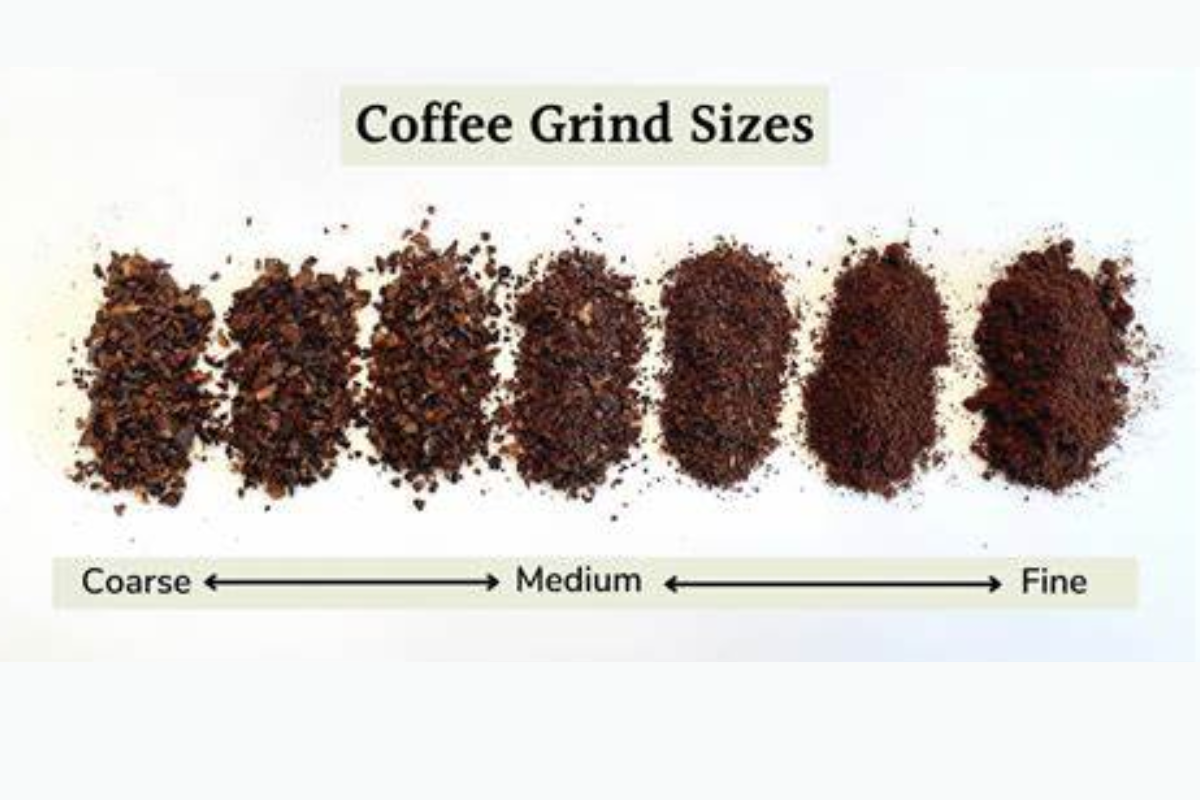
When coffee beans are ground, their internal structure is broken down, exposing a vast network of cells containing soluble compounds. The finer the grind, the greater the total surface area of these particles. More surface area means more points of contact between the water and the coffee solids. This directly correlates with extraction speed: finer grounds extract their solubles more quickly than coarser grounds.
For the Aeropress, with its typically shorter brew times (ranging from 30 seconds to 2 minutes), a finer grind is often favored compared to methods like pour-over or French press, which allow longer contact times. A grind that is too coarse will not allow sufficient extraction within the Aeropress’s typical brewing window, resulting in a weak, sour, or watery cup. Conversely, an excessively fine grind can lead to rapid over-extraction of bitter compounds and an unpleasant astringency.
Pressure Dynamics and Flow Rate
The Aeropress’s defining characteristic is its pressure system. When you press the plunger, water is forced through the coffee bed. The density and porosity of this bed are direct functions of the grind size.
- Fine Grind: A very fine grind creates a tightly packed bed with minimal space between particles. This significantly increases resistance, requiring considerable force to press the plunger. While this can yield a concentrated, espresso-like shot, it also risks channeling (where water finds paths of least resistance, leading to uneven extraction) and can be physically challenging to press.
- Medium Grind: A medium-fine grind offers a more balanced resistance. It allows for a smooth, controlled press, ensuring even water saturation and consistent extraction without excessive effort. This is often the sweet spot for a standard Aeropress brew.
- Coarse Grind: A coarse grind results in a loose bed with ample space between particles. Water flows through too easily, offering little resistance. This leads to a very fast press, but often at the expense of proper extraction, resulting in a weak, underdeveloped cup.
The interplay between particle size, surface area, and the resistance it generates under pressure is fundamental to mastering your Aeropress. Achieving the ideal grind ensures that the water interacts with the coffee effectively and that the pressure aids in a complete, balanced extraction.
Optimal Grind Settings for Popular Aeropress Recipes
The versatility of the Aeropress means there isn’t one single “correct” grind size. Instead, the ideal grind depends heavily on the specific recipe, brew time, and desired final cup profile. We can categorize the most common Aeropress applications and their corresponding grind recommendations.
Standard Method: Medium-Fine
This is arguably the most common starting point for Aeropress users. It involves brewing with the Aeropress in its “upright” position (filter cap on bottom) and pressing directly into a mug.
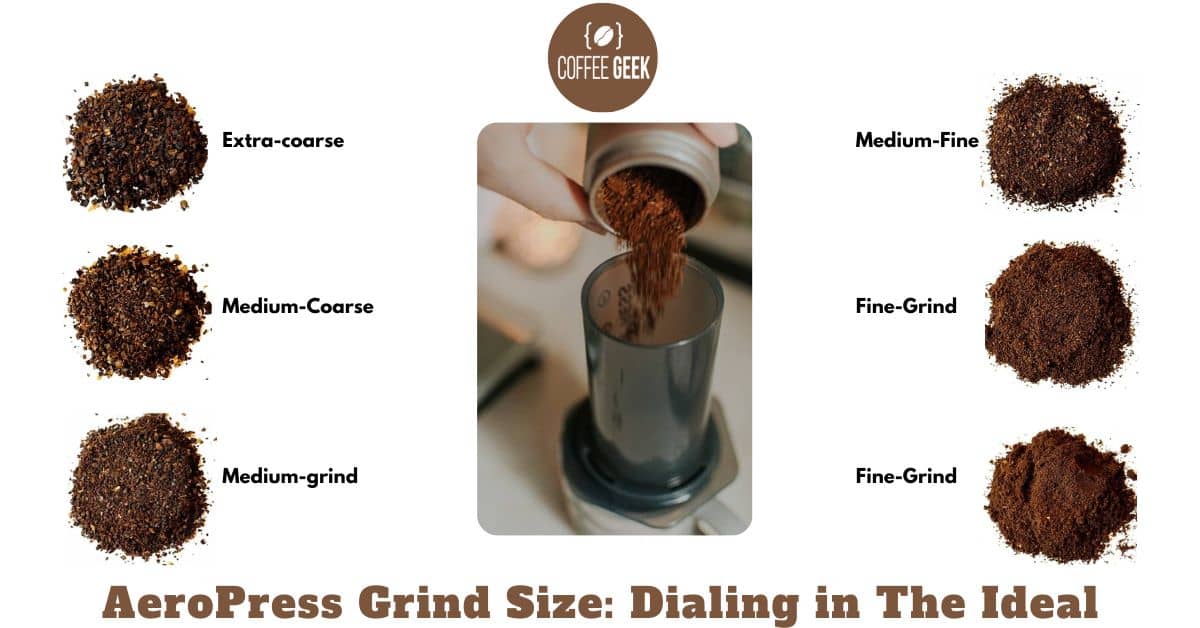
- Grind Recommendation: Medium-fine, similar to fine table salt or slightly finer than standard drip coffee. This provides enough surface area for good extraction within a 60-90 second steep time and offers moderate resistance for a smooth press.
- Result: A balanced, clean cup, often yielding a concentrated brew that can be diluted with hot water to taste.
Inverted Method: Fine to Medium-Fine
The inverted method involves assembling the Aeropress upside down, adding coffee and water, stirring, and then flipping it onto a mug for pressing. This method prevents premature dripping and allows for longer steep times without dilution.
- Grind Recommendation: Fine to medium-fine. Because the inverted method allows for complete immersion without leakage, you can often go a touch finer than the standard method without fear of over-extraction during the initial steep.
- Result: Offers greater control over steep time, often producing a fuller-bodied and more intense cup.
Concentrated/Espresso-Style: Very Fine
For those aiming to mimic an espresso shot – a highly concentrated coffee base for lattes or Americanos – a significantly finer grind is required to maximize extraction under pressure.
- Grind Recommendation: Very fine, finer than table salt, approaching the consistency of espresso grind (though not necessarily as fine as a traditional espresso machine requires). This will create substantial resistance, demanding more force to press.
- Result: A highly concentrated, intense coffee shot with visible crema, perfect as a base for milk drinks or a strong, undiluted shot. Be mindful of over-extraction at this fineness; adjust brew time accordingly (often 30-45 seconds).
Cold Brew Aeropress: Coarse
While less common, the Aeropress can also be used to make concentrated cold brew. Given the extended steep times (many hours), a much coarser grind is essential.
- Grind Recommendation: Coarse, similar to French press grind or even slightly coarser. This prevents over-extraction during the long immersion period and facilitates an easier press after hours of steeping.
- Result: A smooth, low-acid cold brew concentrate that can be diluted with water or milk.
Achieving Consistency: Tools and Tips for the Perfect Grind
The quality of your brew is only as good as the consistency of your grind. In the world of coffee gadgets, a high-quality grinder is as crucial as the brewer itself. Achieving the optimal grind for your Aeropress means investing in the right tools and understanding how to “dial in” your settings.
The Importance of a Quality Grinder
Blade grinders, which chop coffee beans indiscriminately, produce an inconsistent mixture of very fine “fines” and very coarse “boulders.” This leads to uneven extraction, as the fines over-extract and the boulders under-extract simultaneously, resulting in a muddled, bitter, and sour cup.
For an Aeropress, a burr grinder is indispensable. Burr grinders crush coffee beans between two abrasive surfaces, yielding a far more uniform particle size.
- Electric Burr Grinders: Offer convenience and speed, often with precise grind settings. Look for conical burr grinders, which are generally preferred for home use.
- Manual Burr Grinders: Excellent portable options for Aeropress users, especially for travel. They require more effort but can deliver exceptional grind quality for a lower cost than electric equivalents. Investing in a good burr grinder is perhaps the single most significant upgrade you can make to your Aeropress brewing experience.
Dialing In Your Grind
Finding the perfect grind setting is an iterative process of experimentation and adjustment.
- Start with a Recommendation: Begin with a recommended grind size for your chosen Aeropress recipe (e.g., medium-fine for the standard method).
- Brew and Taste: Make your coffee and critically evaluate its taste.
- Too Sour/Weak/Underdeveloped: If the coffee tastes thin, overly sour (like unripe fruit), or lacks body, your grind is likely too coarse. You need to go finer.
- Too Bitter/Astringent/Muddy: If the coffee tastes excessively bitter, drying (astringent) on the palate, or overly dark and heavy, your grind is likely too fine. You need to go coarser.
- Adjust Incrementally: Make small adjustments to your grinder’s setting (one or two clicks on a stepped grinder, or a slight turn on a stepless grinder).
- Repeat: Brew again with the new setting and re-evaluate. Continue this process until you achieve a balanced, flavorful cup that suits your preference.
Factors like roast level (darker roasts often prefer slightly coarser grinds), bean origin, and freshness can also subtly influence the ideal grind, making the “dialing in” process an ongoing journey of discovery.
Troubleshooting Your Brew: Grind-Related Issues and Solutions
The Aeropress is a remarkably forgiving brewer, but even it can fall victim to common grind-related problems. Recognizing the symptoms of an imbalanced grind allows for targeted adjustments, leading you back to an optimal brew.
Over-Extraction: Too Bitter or Astringent
Symptoms: Your coffee tastes excessively bitter, burnt, hollow, or has an unpleasant dry, mouth-puckering sensation (astringency). The press might feel very difficult or take too long.
- Cause: The grind is likely too fine, leading to too many soluble compounds (especially bitter ones) being extracted. Alternatively, the brew time might be too long for the given grind.
- Solution:
- Coarsen the Grind: Adjust your grinder to a slightly coarser setting.
- Reduce Brew Time: If your grind feels correct but bitterness persists, slightly reduce the steeping time.
- Check Water Temperature: Very hot water can accelerate extraction; try reducing the water temperature by a few degrees.

Under-Extraction: Too Sour or Weak
Symptoms: Your coffee tastes thin, watery, overly sour (like lemon or unripe fruit), salty, or lacks body and sweetness. The press might feel too easy or happen too quickly.
- Cause: The grind is likely too coarse, preventing sufficient soluble compounds from dissolving into the water. The brew time might be too short for the given grind.
- Solution:
- Fine-Tune the Grind: Adjust your grinder to a slightly finer setting.
- Increase Brew Time: Allow the coffee to steep for a longer duration.
- Increase Water Temperature: Slightly increasing water temperature can boost extraction for coarser grinds.
- Agitation: Ensure proper stirring to fully saturate all grounds.
By understanding the relationship between grind size and these common brew faults, you can systematically diagnose and correct issues, honing your Aeropress technique to consistently produce exceptional coffee. The Aeropress isn’t just a simple brewer; it’s a platform for experimentation and precision, where mastering the grind unlocks a world of flavor possibilities.
aViewFromTheCave is a participant in the Amazon Services LLC Associates Program, an affiliate advertising program designed to provide a means for sites to earn advertising fees by advertising and linking to Amazon.com. Amazon, the Amazon logo, AmazonSupply, and the AmazonSupply logo are trademarks of Amazon.com, Inc. or its affiliates. As an Amazon Associate we earn affiliate commissions from qualifying purchases.