
In the hyper-competitive landscape of modern commerce, a brand is no longer just a logo, a color palette, or a mission statement. It is a living entity—a narrative that resonates with the collective unconscious of its audience. When business leaders ask the question, “What Greek mythology god am I?” they are not engaging in a whimsical personality quiz; they are embarking on a rigorous strategic exercise in archetypal branding.
Archetypes, popularized by psychiatrist Carl Jung and later applied to marketing by Carol S. Pearson, serve as the psychological blueprints for human behavior. Greek mythology, with its pantheon of distinct, flawed, and powerful deities, provides the ultimate framework for this. By aligning a corporate identity or personal brand with a specific mythological archetype, companies can transcend transactional relationships and foster deep, emotional loyalty. Understanding which god represents your brand allows for consistency in messaging, clarity in design, and a magnetic pull toward your target demographic.
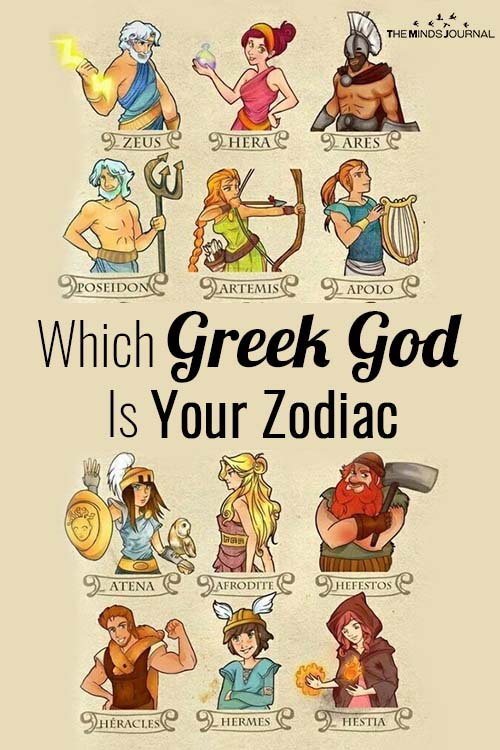
The Strategic Importance of Mythological Archetypes in Branding
The human brain is hardwired for storytelling. Before the advent of digital marketing, myths were the primary vehicle for transmitting values and cultural identities. In the professional sphere, a brand that lacks an archetypal core often feels disjointed, fluctuating between different tones and losing the trust of its consumers. By identifying with a Greek deity, a brand adopts a “soul” that consumers can recognize instantly.
This recognition is vital for brand equity. When a consumer interacts with a brand, they are looking for a reflection of their own aspirations or a solution to a specific existential need. A “Zeus” brand offers the security of authority; an “Athena” brand offers the precision of wisdom. Without this clarity, a brand is merely a commodity. With it, it becomes a legend.
The process of identifying your brand’s mythological counterpart requires a deep dive into your core values, your “why,” and the specific problem you solve for your audience. It is the difference between selling a product and leading a movement.
Decoding the Pantheon: Identifying Your Brand Persona
To determine which god your brand embodies, we must analyze the core characteristics and market positions of the primary Olympian deities. Each represents a distinct strategic approach to the market.
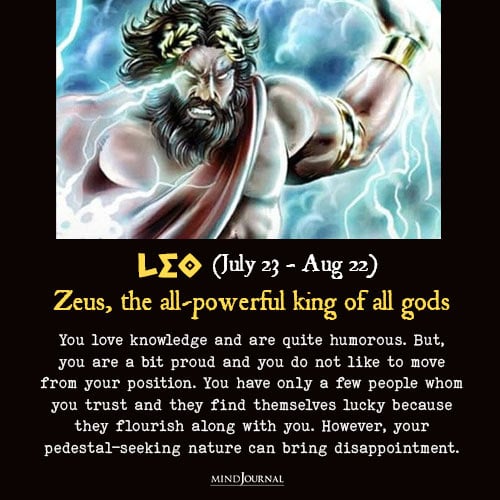
Zeus: The Authority and the Ruler
If your brand sits at the top of its industry, commanding respect through legacy, power, and high-level strategy, you are Zeus. Zeus brands are the “gold standard.” They represent leadership, stability, and corporate dominance.
- Brand Voice: Authoritative, decisive, and grand.
- Visual Identity: Deep blues, golds, and heavy, serifed typography.
- Market Position: The incumbent leader or the premium choice that promises order in a chaotic market. Examples include brands like IBM or Rolex, which emphasize heritage and undisputed status.
Athena: The Sage and the Strategist
Athena represents wisdom, tactical brilliance, and the intersection of art and industry. An Athena brand does not just sell a product; it sells a superior methodology or a more intelligent way of living.
- Brand Voice: Eloquent, educational, and disciplined.
- Visual Identity: Clean lines, minimalist aesthetics, and architectural precision.
- Market Position: The expert consultant, the high-tech innovator, or the prestigious publication. The Economist and McKinsey & Company operate within this archetype, positioning themselves as the ultimate sources of strategic insight.
Hermes: The Messenger and the Innovator
Hermes is the god of speed, transitions, and communication. If your brand thrives on agility, disruption, and the rapid flow of information or goods, you embody the spirit of Hermes.
- Brand Voice: Witty, fast-paced, and highly relatable.
- Visual Identity: Dynamic shapes, vibrant colors, and motifs suggesting movement (wings, arrows, or lightning).
- Market Position: Tech startups, logistics giants, and social media platforms. FedEx and WhatsApp are quintessential Hermes brands, focusing on the seamless connection between people and places.
Apollo: The Artist and the Visionary
Apollo represents the pursuit of perfection, beauty, and the light of truth. This archetype is common in brands that prioritize aesthetic excellence, harmony, and high-concept design.
- Brand Voice: Inspiring, visionary, and refined.
- Visual Identity: Balanced proportions, airy layouts, and a focus on “the golden ratio.”
- Market Position: Luxury design firms and high-end consumer electronics. Apple is the ultimate modern manifestation of Apollo, emphasizing the marriage of form and function to create objects of near-religious devotion.
Artemis: The Explorer and the Protector
Artemis is the goddess of the wilderness and independence. Brands that align with Artemis often focus on sustainability, outdoor adventure, and the rejection of urban constraints.
- Brand Voice: Rugged, authentic, and socially conscious.
- Visual Identity: Earth tones, raw textures, and imagery of the natural world.
- Market Position: Sustainable fashion, outdoor gear, and eco-friendly tech. Patagonia is a primary example, prioritizing the health of the planet and the spirit of exploration over traditional corporate growth.

Strategic Implementation: Translating Myth into Marketing
Identifying your mythological archetype is only the first step. The true value lies in the implementation of this persona across all brand touchpoints. This ensures that every customer interaction reinforces the “myth” you are building.
Tone of Voice and Messaging
Your chosen archetype must dictate your linguistic style. A Zeus brand should never use slang or overly casual language; it must maintain a tone of “noblesse oblige.” Conversely, a Hermes brand that adopts a stiff, formal tone will feel authentic and lose its “trickster” edge.
When crafting copy, ask: “Would my deity say this?” If you are an Athena brand, your blog posts should be deeply researched and instructional. If you are an Ares brand (the challenger), your copy should be provocative, bold, and disruptive.
Visual Design and Semiotics
The psychology of color and shape plays a massive role in mythological branding.
- The Ruler (Zeus): Uses symmetrical layouts and heavy “hero” imagery to project power.
- The Creator (Hephaestus): Focuses on the “how-it’s-made,” using industrial textures and “behind-the-scenes” visuals to emphasize craftsmanship.
- The Aphrodite (Lover): Uses soft lighting, curved lines, and evocative sensory details to appeal to desire and intimacy.
By aligning visual cues with the underlying myth, you reduce cognitive dissonance for the consumer. They don’t have to think about what your brand stands for—they feel it.
Customer Experience and Rituals
Great brands create rituals. In Greek mythology, gods were honored through specific rites. In modern branding, these are the “unboxing” experiences, the user interfaces, and the customer service protocols.
A Hephaestus brand (like a custom tool manufacturer) should offer a customer experience that feels like a masterclass in engineering. An Apollo brand (like a boutique hotel) must ensure that every sensory detail—from the scent in the lobby to the thread count of the sheets—is curated to perfection.
The Risks of Hubris: Avoiding Archetypal Misalignment
In Greek tragedy, “hubris” or excessive pride often leads to a hero’s downfall. In branding, hubris manifests as archetypal misalignment—when a brand tries to be something it is not, or when it fails to evolve its myth for the modern era.
One common mistake is “Archetype Drifting.” This occurs when a brand, fearing it is losing market share, tries to adopt the traits of a different god. A legacy Zeus brand that suddenly tries to act like a youthful Hermes often ends up alienating its core audience while failing to attract new ones. This lack of authenticity is instantly detected by modern consumers, who are highly sensitized to “brand-washing.”
Another risk is the “Shadow Side” of the archetype. Every Greek god had a shadow—Zeus was often tyrannical, Artemis could be aloof, and Hermes could be deceptive. In branding:
- The Zeus Shadow is being perceived as out-of-touch or arrogant.
- The Athena Shadow is appearing cold, clinical, or overly complex.
- The Hermes Shadow is appearing unreliable or superficial.
To avoid these pitfalls, a brand must remain self-aware, using its mythological identity as a compass rather than a cage. Strategic audits should be conducted regularly to ensure the brand is living up to the virtues of its archetype while mitigating its inherent flaws.
Conclusion: Crafting Your Modern Legend
The question “What Greek mythology god am I?” is a powerful catalyst for brand clarity. In a world saturated with fleeting digital content, the brands that endure are those that tap into the timeless power of myth. By identifying your Olympian counterpart, you gain more than just a marketing strategy; you gain a narrative legacy.
Whether you are the authoritative Zeus leading an industry, the innovative Hermes disrupting the status quo, or the visionary Apollo redefining beauty, your archetypal identity is your most potent tool for differentiation. It allows you to speak to the soul of the consumer, turning a simple purchase into a participation in a larger story. In the end, the most successful brands are not those that sell the most products, but those that become indispensable characters in the myths of our daily lives. Identify your god, build your temple, and let your brand become legendary.
aViewFromTheCave is a participant in the Amazon Services LLC Associates Program, an affiliate advertising program designed to provide a means for sites to earn advertising fees by advertising and linking to Amazon.com. Amazon, the Amazon logo, AmazonSupply, and the AmazonSupply logo are trademarks of Amazon.com, Inc. or its affiliates. As an Amazon Associate we earn affiliate commissions from qualifying purchases.