
In the complex ecosystem of global commerce and personal branding, symbols serve as the foundational language of identity. Every logo, pattern, and color palette communicates a message that transcends literal interpretation. However, few symbols illustrate the duality of visual communication as effectively as the upside-down pineapple. What appears to the uninitiated as a simple tropical motif on a shirt is, in reality, a masterclass in visual semiotics and “secret” branding. For professionals in brand strategy and corporate identity, understanding the meaning behind the upside-down pineapple shirt is essential for navigating the fine line between mainstream appeal and subcultural signaling.

The Mechanics of Visual Language in Brand Strategy
To understand why an upside-down pineapple shirt carries such weight, one must first look at the field of brand semiotics. Semiotics is the study of signs and symbols and their use or interpretation. In branding, symbols are divided into two parts: the signifier (the physical image, such as a pineapple) and the signified (the concept or meaning attached to it).
The Evolution of Symbolism in Apparel
Traditionally, the pineapple has been a potent brand symbol representing hospitality, wealth, and luxury. During the colonial era, pineapples were rare and expensive commodities, leading hosts to display them as a sign of welcome and status. This legacy persists today in high-end home décor and hospitality branding. However, when a symbol is inverted—as in the case of the upside-down pineapple—the brand narrative shifts entirely.
Inverting a symbol is a common tactic in subcultural branding to indicate a subversion of the norm. Just as an inverted cross or an upside-down flag changes the message of the original icon, the upside-down pineapple serves as a “wink” to those in the know. In modern social contexts, the upside-down pineapple is a recognized signal within the swinger community. When worn on a shirt, it functions as a discreet advertisement of one’s lifestyle preferences, allowing members of a specific niche to identify one another in public spaces without alerting the general population.
The Power of Coded Branding
This phenomenon is a form of “coded branding.” It allows a community to build a shared identity and sense of belonging through visual cues that remain invisible to the “out-group.” For brand strategists, this highlights a critical lesson: a brand’s identity is not solely defined by the creator but is co-authored by the community that adopts it. When a symbol becomes a “shorthand” for a specific behavior or group, it gains a level of brand equity that traditional marketing cannot buy.
The Upside-Down Pineapple: A Case Study in Subcultural Identity
When we analyze the upside-down pineapple shirt through the lens of brand strategy, we see a fascinating example of how a niche community can “hijack” a common graphic for the purpose of identity signaling. This process, often referred to as “identity co-creation,” occurs when a group adopts an existing aesthetic and imbues it with a new, specific meaning.
The Transition from Hospitality to Lifestyle Signaling
The transition of the pineapple from a sign of “general hospitality” to “selective hospitality” (swinging) was likely organic. Because the pineapple was already associated with being “open” and “welcoming,” the inversion was a logical step for a community looking for a discreet way to signal “openness” in a different context.
From a marketing perspective, this represents a highly efficient brand filter. The shirt acts as a medium that communicates complex information—lifestyle choice, openness to interaction, and shared values—within seconds. This is the ultimate goal of any brand: to convey a massive amount of information through a single, simple visual asset.
The Risks of Accidental Branding
The proliferation of the upside-down pineapple shirt also presents a significant challenge for mainstream apparel brands. Imagine a lifestyle brand launching a “Tropical Summer” collection featuring various pineapple prints. If a designer inadvertently places a pineapple upside-down on a pocket or as a repeating pattern, the brand may unintentionally align itself with a subculture that does not fit its target demographic.
This “accidental branding” can lead to consumer confusion or brand dilution. For a family-oriented resort wear brand, such a mistake could lead to reputational friction. This underscores the necessity for rigorous cultural research and semiotic audits during the design and branding process. Brand managers must be aware of the “underground” meanings of symbols to ensure their visual identity remains aligned with their strategic goals.
Managing Brand Perception and “Symbol Hijacking”
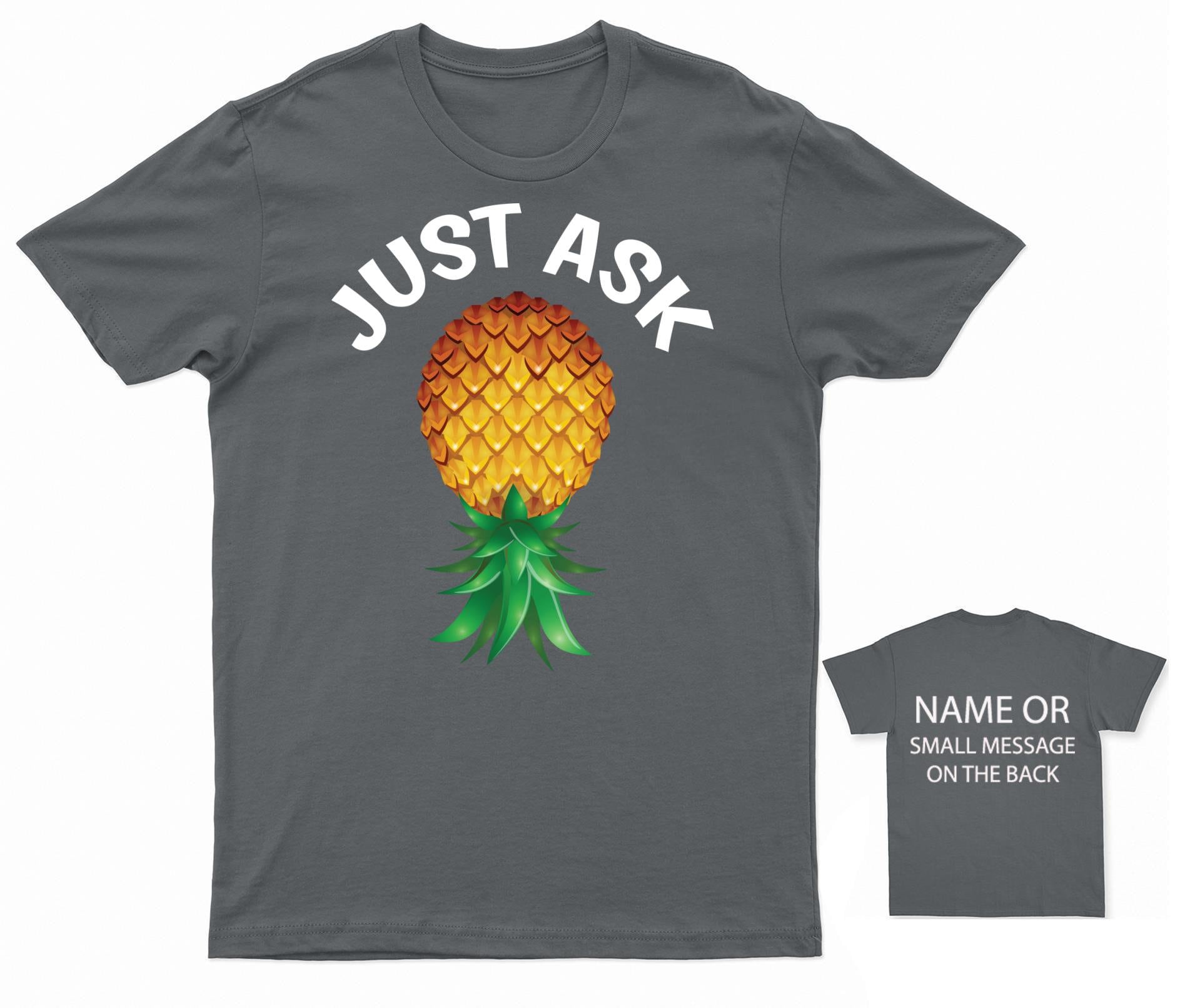
One of the most difficult tasks for a brand manager is responding when a symbol or product is co-opted by a group that changes the brand’s perceived meaning. The upside-down pineapple is just one example of how visual cues can evolve beyond a brand’s control.
Strategies for Defensive Branding
When a brand’s aesthetic is adopted by a specific subculture, the parent company has several strategic options:
- Pivot and Rebrand: If the new association is detrimental to the core business, the brand may choose to distance itself from the symbol entirely.
- Lean In: In some cases, a brand may choose to embrace the niche, recognizing the loyalty and purchasing power of that specific community.
- Neutralization: This involves flooding the market with the symbol in a different context to dilute the specific niche meaning, though this is rarely successful once a symbol has taken deep root in a subculture.
In the case of the pineapple shirt, most mainstream retailers (like H&M or Zara) continue to produce pineapple-themed apparel, relying on the fact that the “secret” meaning is still niche enough to not affect global sales. However, for smaller boutique brands, the choice of orientation in their graphics is now a conscious branding decision.
The Role of Digital Context in Identity
In the digital age, the meaning of a symbol can go viral overnight. Social media platforms like TikTok and Instagram have accelerated the public’s awareness of the upside-down pineapple’s meaning. For a brand, this means that visual “codes” are no longer as secret as they once were.
When a “secret” brand signal enters the mainstream, its value to the original subculture often diminishes, leading them to find a new symbol. This cycle of symbol adoption and abandonment is a constant challenge for brand strategists who must stay ahead of cultural shifts to keep their identity relevant and accurately interpreted.
Lessons for Personal Branding and Apparel Design
The upside-down pineapple shirt serves as a powerful reminder that in the world of branding, details matter. Whether you are building a corporate identity or a personal brand, the visual choices you make are never neutral.
Conducting a Brand Audit for Visual Cues
For designers and entrepreneurs, the lesson is clear: research is the foundation of design. Before finalizing a logo or a product line, it is essential to perform a “symbolic audit.” This involves:
- Cultural Contextualization: Investigating how a symbol is used across different regions and subcultures.
- Orientation Analysis: Considering how changes in scale, color, or orientation (like inverting a pineapple) change the perceived meaning.
- Digital Sentiment Analysis: Using social listening tools to see if a specific graphic is trending within particular communities.
Authenticity and the “If You Know, You Know” (IYKYK) Factor
Successful modern branding often relies on the “IYKYK” factor. This creates a sense of exclusivity and “in-group” status. The upside-down pineapple shirt is a perfect example of this. It doesn’t need to shout its meaning to everyone; it only needs to speak to the right people.
Brands that can successfully implement discreet signaling can build intense loyalty. By creating products that feature subtle “easter eggs” or coded meanings, a brand can turn customers into members of an exclusive club. However, this must be done with authenticity. If a brand tries to force a “secret” signal without a genuine connection to the community, it risks being viewed as performative or exploitative.

The Future of Symbolic Branding
The story of the upside-down pineapple shirt is a testament to the enduring power of visual shorthand. In an increasingly noisy world, the ability to communicate complex identities through simple symbols is more valuable than ever.
As we move forward, we should expect to see more brands utilizing “invisible” or “niche” signaling. As consumer privacy becomes more valued and mainstream marketing becomes more saturated, the “secret” language of symbols will become a primary tool for community building. For brand strategists, the challenge will be to master this language—ensuring that every “pineapple” they put out into the world, whether right-side-up or inverted, is communicating exactly what they intend.
The upside-down pineapple shirt is not just a piece of clothing; it is a signal, a boundary, and a brand. It reminds us that in the world of identity and design, there is no such thing as “just a shirt.” Everything we wear, and every logo we create, is a statement of who we are, who we want to meet, and the communities to which we belong. Understanding these nuances is what separates a generic product from a powerful, resonant brand.
aViewFromTheCave is a participant in the Amazon Services LLC Associates Program, an affiliate advertising program designed to provide a means for sites to earn advertising fees by advertising and linking to Amazon.com. Amazon, the Amazon logo, AmazonSupply, and the AmazonSupply logo are trademarks of Amazon.com, Inc. or its affiliates. As an Amazon Associate we earn affiliate commissions from qualifying purchases.