
The United States, as the world’s largest economy and a major consumer market, relies heavily on a diverse array of imported goods to meet the demands of its industries and populace. Understanding the composition of these imports is not merely an academic exercise; it offers crucial insights into global trade dynamics, domestic economic health, consumer spending patterns, and the strategic financial decisions businesses and investors must make. From raw materials fueling manufacturing to finished consumer products gracing store shelves, imports are an indelible part of the American financial landscape, shaping everything from inflation rates to investment opportunities.
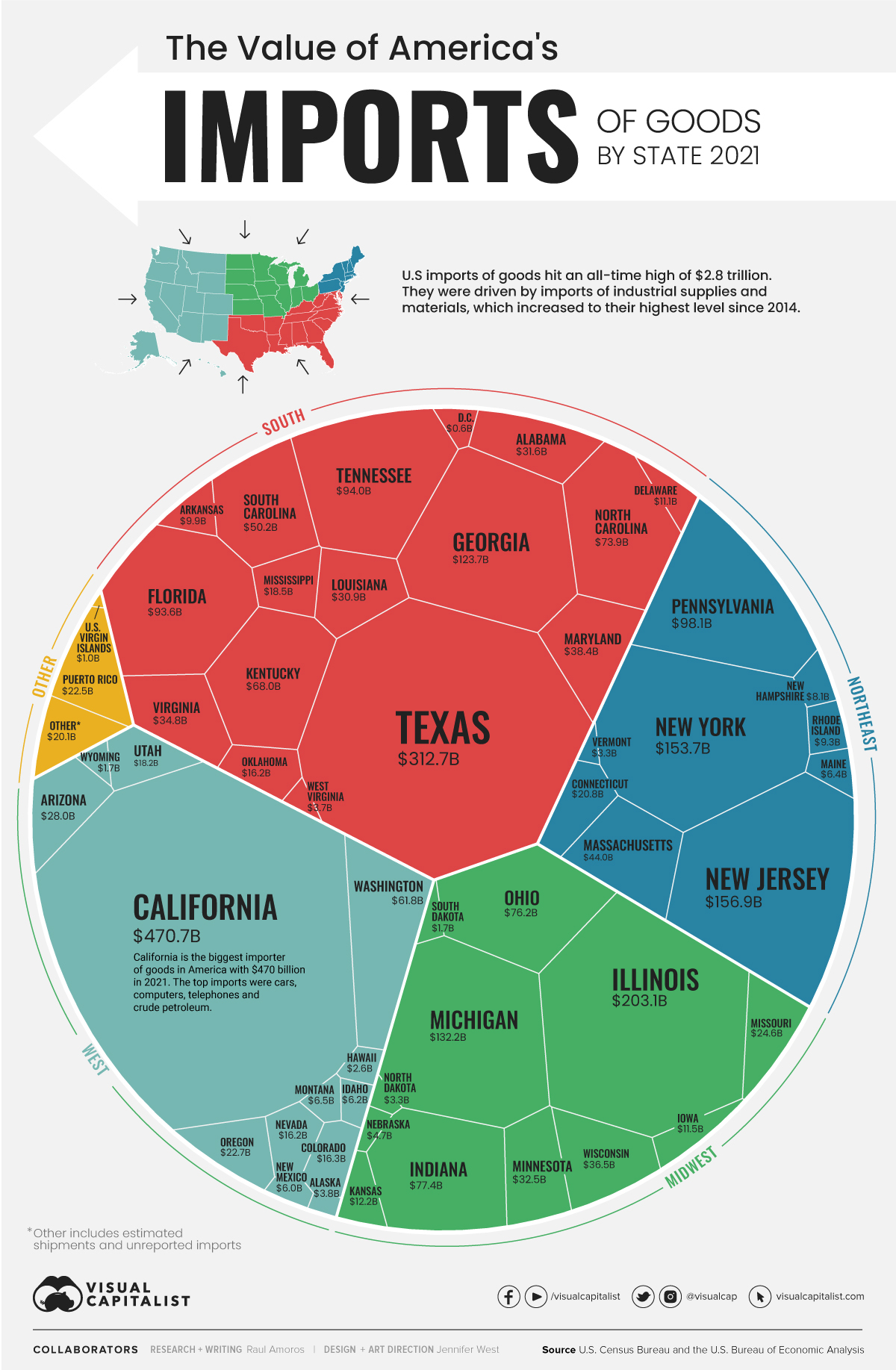
Understanding the Economic Landscape of US Imports
Imports play a multifaceted role in the US economy. They provide consumers with a wider variety of goods, often at competitive prices, enhancing purchasing power and living standards. For businesses, imports can supply essential raw materials, specialized components, and advanced machinery that might not be readily or cost-effectively available domestically, thereby supporting production, fostering innovation, and increasing competitiveness. This intricate reliance on global supply chains has profound implications for business finance, influencing everything from inventory management and procurement strategies to foreign exchange risk assessment.
While a robust import sector can signify strong domestic demand and economic growth, it also contributes to the trade deficit, a key economic indicator often scrutinized by policymakers and financial analysts. Monitoring import trends allows businesses to anticipate supply chain disruptions, identify emerging consumer preferences, and forecast input costs, all critical elements for financial planning and risk management. For investors, understanding these trends can highlight sectors poised for growth or vulnerability, influencing decisions in logistics, retail, manufacturing, and technology.
Key Categories of Imported Goods
The vast majority of US imports fall into several broad categories, each with its own economic significance and financial implications. Analyzing these categories provides a clearer picture of the American economy’s interconnectedness with global markets.
Consumer Goods: Driving Household Spending
Consumer goods represent a significant portion of US imports, directly reflecting the purchasing power and preferences of American households. This category encompasses a wide array of products designed for personal use, ranging from everyday necessities to luxury items.
- Electronics: Smartphones, laptops, televisions, gaming consoles, and various smart home devices are predominantly manufactured abroad, primarily in Asian countries. The rapid pace of technological innovation and competitive pricing strategies in these markets drive substantial import volumes, impacting the retail sector and consumer electronics companies’ profit margins.
- Apparel and Footwear: The vast majority of clothing and shoes sold in the US are imported. Manufacturing costs, labor availability, and specialized production capabilities in countries like China, Vietnam, and Bangladesh make them primary sources. This segment is highly sensitive to consumer trends, fashion cycles, and international trade policies.
- Toys and Sporting Goods: From children’s toys to athletic equipment, imports dominate this sector. Companies often leverage global supply chains to produce these goods efficiently and at scale, influencing inventory management and distribution logistics for retailers.
- Food and Beverages: While the US is a major agricultural producer, it also imports a significant amount of food and beverages. This includes specialty items not grown domestically (e.g., tropical fruits, certain spices, coffee, cocoa), out-of-season produce, and alcoholic beverages. These imports contribute to food diversity and can stabilize prices, but also expose the agricultural and food processing industries to global commodity price fluctuations and currency risks.
Industrial Supplies and Materials: Fueling Production
These imports are vital inputs for American manufacturing and construction sectors, underpinning industrial output and economic growth. They represent a significant cost component for many businesses.
- Raw Materials: This includes minerals (e.g., bauxite, iron ore, rare earth elements), chemicals, plastics, and wood products that serve as foundational inputs for various industries. Global supply chains for these materials are often complex, with geopolitical factors and commodity market volatility directly influencing costs and availability for domestic manufacturers.
- Intermediate Goods: Components and semi-finished products that are used in the production of other goods fall into this category. Examples include automotive parts, electronic components (like semiconductors), and textile inputs. The timely and cost-effective acquisition of these goods is critical for manufacturing supply chain efficiency and the overall competitiveness of US-based industries.
- Energy Products: Despite being a major energy producer, the US continues to import significant quantities of crude oil and refined petroleum products. These imports are crucial for meeting domestic energy demands, especially for transportation and industrial processes. Global oil prices and geopolitical stability directly impact the financial health of energy companies and influence consumer fuel costs.
Capital Goods: Investing in Future Productivity
Capital goods are durable assets used by businesses to produce other goods or services. Importing these items allows US industries to enhance productivity, adopt new technologies, and remain competitive.

- Machinery: Industrial machinery, agricultural equipment, construction equipment, and specialized manufacturing tools are frequently imported. These investments reflect businesses’ strategies to upgrade infrastructure, expand capacity, and improve operational efficiency. The financial decision to import capital goods involves significant capital outlay and long-term depreciation considerations.
- Transportation Equipment: While the US produces its own transportation equipment, a substantial amount, including aircraft, ships, and railway rolling stock, along with their parts, are imported. These imports are critical for sectors like logistics, passenger transport, and defense.
- **Telecommunications Equipment: Specialized equipment for building and maintaining communication networks, including routers, switches, and cellular infrastructure components, are often sourced internationally. This is vital for the continued development of the digital economy and impacts investment in technology infrastructure.
Automotive Products: A Globalized Industry
The automotive sector stands out as a unique and significant category of imports. The global nature of vehicle manufacturing means that both finished vehicles and a vast array of parts and accessories are continually exchanged across borders.
- Finished Vehicles: Numerous car brands from Europe, Asia, and other regions are sold in the US, with many of their models being fully imported. These imports cater to diverse consumer preferences and competitive pricing.
- Automotive Parts and Accessories: Even vehicles assembled in the US often rely on a complex international supply chain for parts, ranging from engines and transmissions to specialized electronic components and interior fittings. This reliance underscores the integrated nature of the global automotive industry and the logistical challenges faced by manufacturers.
Pharmaceuticals and Medical Devices: Health and Innovation
The healthcare sector increasingly relies on imported goods, reflecting global specialization and innovation in medical science.
- Medicines and Vaccines: A substantial portion of prescription drugs, over-the-counter medications, and vaccines consumed in the US are imported, either as finished products or active pharmaceutical ingredients (APIs). This highlights the globalized nature of pharmaceutical research, development, and manufacturing.
- Medical Instruments and Equipment: Advanced diagnostic equipment, surgical tools, and various other medical devices are frequently imported, allowing US healthcare providers access to cutting-edge technology and improving patient care outcomes. The financial implications include significant capital expenditures for hospitals and healthcare systems, and the impact on health insurance costs.
The Financial Impact and Trade Dynamics
The scale and composition of US imports have profound financial implications. A sustained trade deficit, where imports exceed exports, can lead to debates about national debt, currency valuation, and domestic job displacement. However, imports also provide invaluable benefits: they enable consumers to access goods at lower prices, curb inflation, and allow domestic industries to specialize in higher-value production stages by leveraging foreign inputs.
For businesses, strategic sourcing from international markets can be a critical competitive advantage, allowing for cost efficiencies, access to specialized technologies, and diversification of supply chains. However, this also introduces risks related to foreign exchange rate fluctuations, geopolitical instability impacting trade routes, tariffs, and intellectual property protection. Financial managers must carefully navigate these complexities, often employing hedging strategies and maintaining diversified supplier networks.
Investors, on the other hand, closely watch import trends to identify opportunities. Growth in specific import categories might signal a strong underlying domestic demand, potentially benefiting logistics companies, port operators, and retailers. Conversely, shifts away from certain imports could indicate a move towards domestic production or evolving consumer preferences, impacting traditional manufacturing sectors. Understanding the flow of goods is essential for making informed investment decisions across various sectors of the economy.

Navigating Import Trends for Businesses and Investors
Given the intricate relationship between imports and the US economy, businesses and investors must proactively analyze and adapt to evolving import trends.
For businesses, this means focusing on supply chain resilience and diversification. Relying too heavily on a single country or region for critical inputs can expose a company to significant financial risk during geopolitical tensions, natural disasters, or pandemics. Investing in robust logistics, exploring nearshoring or friend-shoring options, and leveraging financial tools to manage currency risk are paramount. Furthermore, understanding consumer demand for imported goods helps retailers and distributors optimize inventory and marketing strategies.
For investors, observing import data can reveal emerging economic strengths and weaknesses. An increase in capital goods imports, for example, might signal a healthy appetite for domestic industrial expansion and technological advancement, offering investment opportunities in manufacturing or tech-related infrastructure. Conversely, a sustained decline in certain consumer goods imports could point to shifting consumer preferences, increased domestic production, or economic contraction. Identifying companies that successfully navigate or capitalize on these import dynamics—whether through efficient global sourcing, robust logistics, or innovative product offerings—can unlock significant financial returns. The interplay of global economics, trade policy, and consumer demand ensures that the landscape of US imports remains a dynamic and critical area for financial analysis and strategic decision-making.
aViewFromTheCave is a participant in the Amazon Services LLC Associates Program, an affiliate advertising program designed to provide a means for sites to earn advertising fees by advertising and linking to Amazon.com. Amazon, the Amazon logo, AmazonSupply, and the AmazonSupply logo are trademarks of Amazon.com, Inc. or its affiliates. As an Amazon Associate we earn affiliate commissions from qualifying purchases.