
Embarking on the journey of golf is exciting, but for many beginners, the immediate question of equipment can quickly turn into a financial puzzle. “What clubs do I need?” often translates into “How much money do I need to spend, and on what, to get started wisely?” Navigating the vast array of options without overspending or under-equipping yourself is crucial for a sustainable and enjoyable introduction to the sport. This guide focuses on a financially astute approach to assembling your first set of golf clubs, ensuring your initial investment is both strategic and effective.
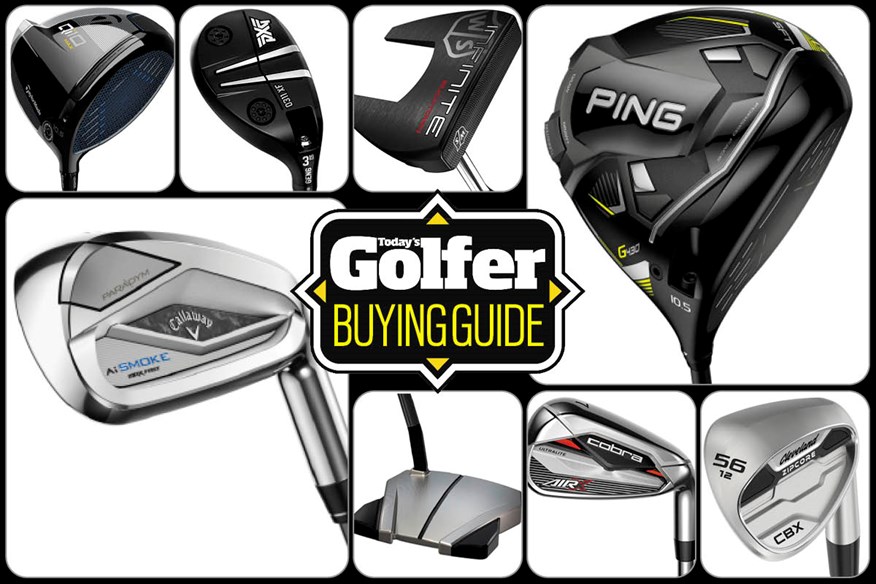
The Initial Investment: Budgeting for Your First Set
The first step in acquiring golf clubs as a beginner is to establish a realistic budget. Golf can be an expensive sport, but it doesn’t have to be, especially when starting out. Understanding where to allocate your initial funds is key to avoiding buyer’s remorse and ensuring you get good value.
Assessing Your Financial Commitment
Before even looking at clubs, consider your overall financial commitment to the hobby. Are you testing the waters, or do you envision a long-term passion? This distinction will influence whether you opt for the absolute minimum investment or a slightly more robust, albeit still beginner-friendly, setup. Set a clear budget range – for example, $300-$700 – and commit to sticking within it. This upfront financial planning prevents impulse buys and keeps your focus on essential needs rather than aspirational wants. Remember that the goal is to acquire functional tools that allow you to learn the game, not to impress with top-tier brands or the latest models.
New vs. Used: Maximizing Value
One of the most impactful decisions for a beginner’s budget is whether to buy new or used clubs.
- Used Clubs: For the budget-conscious beginner, used clubs offer unparalleled value. Golf clubs, especially those designed for beginners, are often durable and maintain much of their performance even after several years of use. Online marketplaces, local golf pro shops, dedicated used golf club retailers, and even garage sales can be treasure troves. Look for reputable sellers and inspect clubs for excessive wear on the grooves, shaft integrity, and grip condition. Buying a gently used driver from a previous model year can save you hundreds of dollars compared to the latest release, with minimal difference in performance for a novice. This strategy allows you to get higher-quality clubs within your budget than you might afford new.
- New Clubs: While more expensive, new clubs come with the advantage of being pristine, often with warranties, and precisely fitted if purchased from a specialty store. However, for a beginner, the significant price premium rarely translates to a proportional improvement in learning speed or enjoyment. If your budget allows for new clubs, consider entry-level “game-improvement” sets designed specifically for beginners, which prioritize forgiveness and ease of launch. These are typically less expensive than individual clubs purchased separately.
The “Starter Set” Advantage
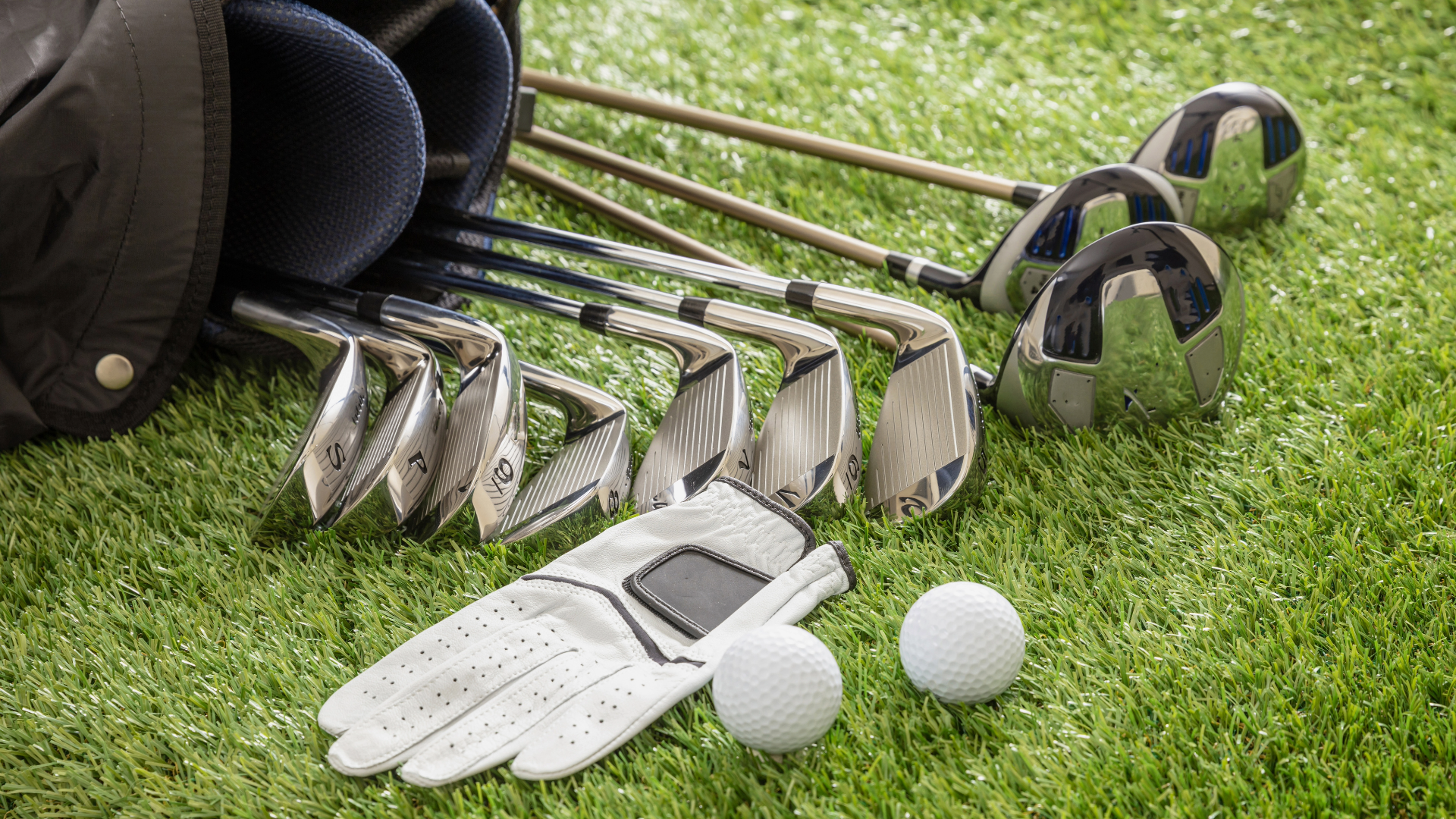
For beginners, the most financially sensible option is often a complete “starter set” or “package set.” These sets are curated specifically for new players, providing a fundamental collection of clubs at a much lower cumulative cost than buying individual clubs. Typically, a starter set includes:
- A driver (for long distances off the tee)
- A fairway wood (for long shots from the fairway or tee)
- A hybrid (a versatile club combining characteristics of an iron and a wood)
- A set of irons (e.g., 6-iron, 7-iron, 8-iron, 9-iron, pitching wedge)
- A putter (for rolling the ball into the hole)
- Often, a golf bag is included, sometimes even headcovers.
The financial benefit here is substantial. A quality new starter set can range from $300-$700, offering a complete solution. Buying these clubs individually, especially new, would easily exceed $1,000. These sets are engineered for forgiveness, making them easier for beginners to hit consistently, thereby enhancing the learning experience without demanding a premium price tag for advanced features.
Essential Clubs: Smart Spending for On-Course Success
Once you’ve decided on your budget and approach (new/used/starter set), the next financial consideration is which clubs are genuinely essential for a beginner. The goal is to acquire the minimum necessary to play a round effectively and learn the fundamentals, avoiding unnecessary expenditures on clubs you won’t use or benefit from initially.
The Core Five: Drivers, Irons, Wedges, Putter
While a full set of 14 clubs is the maximum allowed, a beginner absolutely does not need this many. Focus your financial resources on these core categories:
- Driver: Essential for getting the ball off the tee on long holes. Look for a large clubhead (460cc) and a higher loft (10.5-12 degrees) for maximum forgiveness and easier launch. This is an area where a used, slightly older model can offer significant savings with minimal performance compromise for a beginner.
- Irons (5-PW or 6-PW): You don’t need every iron from 3 to 9. A beginner can comfortably start with a 6-iron, 7-iron, 8-iron, 9-iron, and a pitching wedge (PW). These cover a good range of mid-to-short distances and are often the easiest irons to hit. Game-improvement irons with large clubheads and perimeter weighting are excellent choices for financial efficiency and learning.
- Wedge (Sand Wedge): Beyond the pitching wedge, a sand wedge (SW) is crucial for getting out of bunkers and short approach shots around the green. Many beginner sets include this. If not, a single sand wedge purchase (new or used) is a wise investment for short-game scoring.
- Putter: This is arguably the most used club in your bag. While expensive putters exist, a beginner needs a putter that feels comfortable and allows for a consistent stroke. Blade or mallet putters are common; personal preference dictates the best choice. Excellent, forgiving putters can be found at all price points, so don’t feel compelled to spend a fortune here. Focus on balance and alignment aids.
- Fairway Wood or Hybrid: Instead of both, choose one or two. A 3-wood or 5-wood is good for long shots from the fairway or off the tee when a driver is too much. A hybrid (e.g., 3H or 4H) can replace harder-to-hit long irons (like a 3-iron or 4-iron) and is incredibly versatile. Many starter sets include one or two of these, making them a cost-effective inclusion.
Understanding Club Value and Longevity
Investing in clubs that offer longevity means getting more rounds for your money. Beginner clubs are designed to be durable and forgiving, which translates to a longer useful life as you improve. Avoid the temptation to immediately upgrade as soon as you hit a few good shots. Beginner-friendly clubs can serve you well for several years and hundreds of rounds. Their value lies not in cutting-edge technology, but in consistency and ease of use, which are paramount for skill development. Focus on maintaining your clubs, cleaning grooves, and replacing grips when worn to extend their useful life and maximize your initial investment.
When to Expand Your Arsenal (and Your Budget)
Resist the urge to buy additional clubs until you genuinely understand your game and where your current set has limitations. Many beginners prematurely purchase clubs they don’t need, wasting money. For example, a lob wedge or a full set of specialized wedges might be useful for advanced players, but a beginner will likely see better returns by practicing with their existing pitching and sand wedges. As your skills develop and you consistently hit your existing clubs well, you’ll naturally identify gaps in your yardages that might warrant an additional club. At that point, you can make a targeted, financially justified purchase, rather than a speculative one.
Beyond the Clubs: Hidden Costs and Smart Savings
The initial outlay for clubs is just one part of the financial picture for a beginner golfer. Several other expenses can quickly add up, making smart budgeting for accessories and playing time just as important.
Golf Bags: Functionality vs. Brand Appeal
A golf bag is essential for transporting your clubs. Like clubs, bags range widely in price. For a beginner, prioritize functionality and durability over brand prestige.
- Stand Bags: These are lightweight and come with deployable legs, ideal for carrying clubs around the course. They typically have enough pockets for essentials.
- Cart Bags: Designed to be used on a golf cart, they are heavier but often offer more storage.
- Used Bags: Similar to clubs, used golf bags can be an excellent way to save money. Many starter sets include a bag, which is often the most cost-effective solution.
Focus on a bag that comfortably holds your essential clubs and a few accessories, without spending hundreds of dollars on features you won’t use.
Balls, Tees, and Accessories: Everyday Expenses
These seemingly small costs can accumulate rapidly.
- Golf Balls: As a beginner, you will lose a lot of golf balls. It’s a fundamental truth of learning the game. Therefore, spending top dollar on premium golf balls is a financial folly. Opt for cheaper, durable “practice” or “range” balls, or retrieve used balls (“lake balls”) which are significantly less expensive. Many reputable online retailers sell dozens of used golf balls at a fraction of the cost of new ones. This is one of the easiest ways to save money without impacting your learning.
- Tees: Wooden tees are inexpensive and easily replaceable. Don’t overspend on fancy plastic or branded tees.
- Gloves: A single golf glove for your non-dominant hand is advisable to improve grip and prevent blisters. They wear out, so factor in periodic replacement. Inexpensive synthetic gloves are perfectly adequate for beginners.
- Shoes: While not strictly necessary for your first few rounds, proper golf shoes offer better grip and stability. Entry-level spikeless golf shoes are a good balance of comfort, performance, and price. Sneakers are perfectly fine for initial range sessions or casual rounds.
Lessons and Range Time: Investing in Your Game, Not Just Gear
Perhaps the most impactful “financial investment” for a beginner isn’t in expensive clubs, but in professional instruction and practice.
- Lessons: A few lessons with a PGA professional can provide fundamental swing mechanics, grip advice, and course management strategies that no club, however expensive, can replicate. Budgeting for a package of 3-5 lessons will dramatically accelerate your learning curve and prevent bad habits from forming, which are costly to correct later. This is often a much better use of funds than buying an additional, non-essential club.
- Range Time: Regular practice at the driving range reinforces what you learn in lessons. Range balls are inexpensive, and the repetition builds muscle memory. Many ranges offer punch cards or memberships that provide a discount on buckets of balls, offering long-term savings.
Long-Term Financial Planning for Your Golf Journey
As you progress from beginner to intermediate, your financial approach to golf equipment should evolve. Strategic planning can help you continue to enjoy the sport without breaking the bank.
Resale Value and Upgrading Strategically
When the time comes to upgrade your clubs, consider the resale value of your beginner set. Well-maintained beginner sets, especially those from reputable brands, can often be sold or traded in to offset the cost of new equipment. This allows you to recuperate a portion of your initial investment. When upgrading, focus on specific clubs that genuinely improve your game or address a new skill level. For instance, you might upgrade your driver for more distance or a particular wedge to improve your short game, rather than replacing the entire set at once. Phased upgrades are a fiscally responsible way to advance your equipment.
Subscription Models and Rental Options
Explore alternative financial models. Some golf shops and online services offer club rental programs, which can be useful for occasional players or those who travel frequently and don’t want to transport their own clubs. There are even nascent subscription models for golf clubs, though these are more geared towards higher-end equipment. While perhaps not ideal for a beginner’s first set, understanding these options can provide flexibility and cost-efficiency in the future.
Maintaining Your Investment
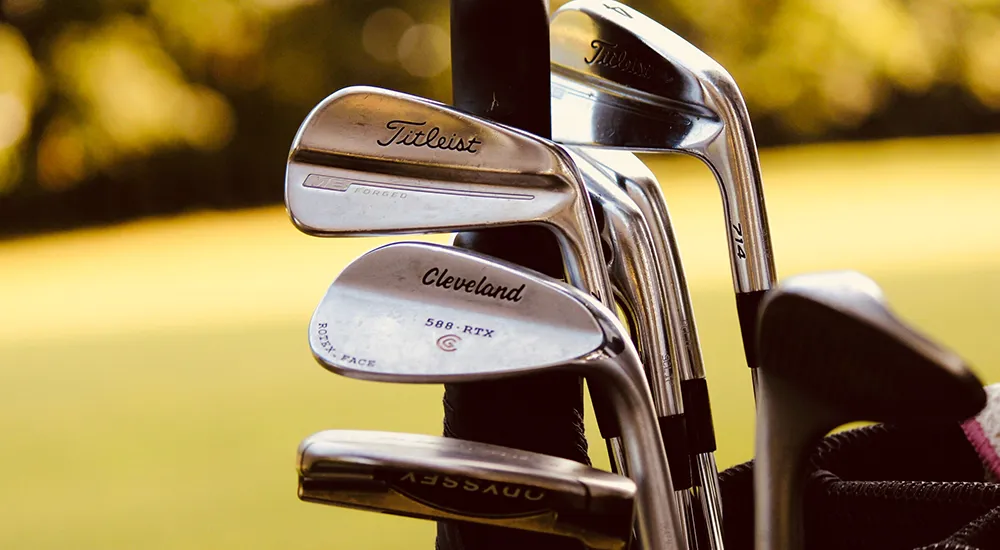
Finally, proper maintenance extends the life of your clubs, protecting your financial investment. Regularly clean clubheads and grooves to maintain performance. Inspect and replace worn grips; new grips are relatively inexpensive and can dramatically improve the feel and control of a club, making an old club feel new. Store clubs in a dry environment to prevent rust. Treating your equipment well ensures you get the maximum utility and enjoyment from every dollar spent.
By adopting a disciplined, budget-focused approach to acquiring your first set of golf clubs and managing ongoing expenses, you can enjoy the game without unnecessary financial stress, laying a solid foundation for a lifelong passion.
aViewFromTheCave is a participant in the Amazon Services LLC Associates Program, an affiliate advertising program designed to provide a means for sites to earn advertising fees by advertising and linking to Amazon.com. Amazon, the Amazon logo, AmazonSupply, and the AmazonSupply logo are trademarks of Amazon.com, Inc. or its affiliates. As an Amazon Associate we earn affiliate commissions from qualifying purchases.