
In the dynamic world of business, an idea, no matter how brilliant, often remains just that without a clear roadmap to execution and financial viability. This roadmap is precisely what a well-crafted business plan provides. Far from being a mere formality, a business plan is a living document, an indispensable blueprint that details every aspect of a venture, from its conceptual foundation to its financial projections and operational strategies. For entrepreneurs, it serves as a guiding star; for investors, a critical appraisal tool; and for existing businesses, a strategic compass for growth and adaptation.
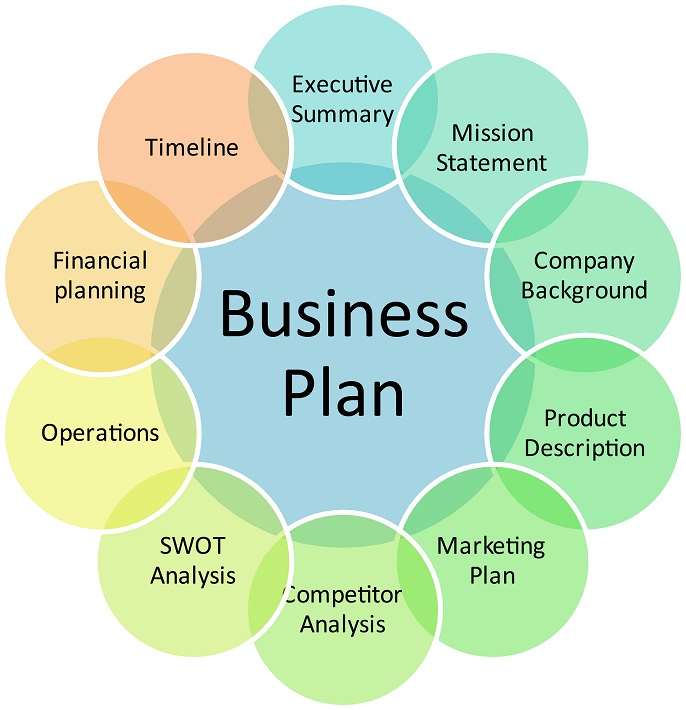
At its core, a business plan is a comprehensive narrative that systematically answers the fundamental questions about a business: What will it sell? Who will buy it? How will it generate revenue? What will it cost? And crucially, how will it achieve financial success and sustainability? It’s a compelling financial argument, backed by market research, operational logistics, and a clear vision, designed to secure capital, align teams, and navigate the complex journey of business development. For anyone serious about launching, scaling, or even refining a business, understanding the core components of a business plan is not just beneficial—it’s absolutely essential.
The Executive Summary: Your Financial Snapshot
The executive summary is arguably the most critical section of your business plan, especially from a financial perspective. It’s the first, and sometimes only, part that potential investors or lenders will read in detail, making it paramount that it encapsulates the entire plan’s essence in a concise yet compelling manner. Think of it as your venture’s financial elevator pitch—a powerful distillation designed to grab attention and secure interest for further exploration.
Purpose and Core Elements
Its primary purpose is to provide a high-level overview of your business, highlighting its mission, the products or services it offers, its target market, and, most importantly, its financial highlights and funding requirements. Within the Money context, the executive summary must immediately address the financial opportunity and the capital needed to seize it. It should touch upon projected revenue, profitability, and return on investment, painting a picture of a financially sound and attractive venture.
Key elements for a strong executive summary include:
-
Business Concept: A brief description of what your business does and the unique value it provides.
-
Problem and Solution: Identify the market gap or customer pain point you address, and how your business offers a superior solution.
-
Target Market: Briefly describe your ideal customer base and its size, demonstrating market demand.
-
Competitive Advantage: What makes your business stand out? This could be a unique product feature, cost structure, or operational efficiency that translates to better financial performance.
-
Management Team: A quick introduction to the key players, showcasing their experience and ability to execute the plan, which directly impacts investor confidence.
-
Financial Highlights: This is where the Money focus truly shines. Include key financial projections like projected sales, profit margins, and anticipated cash flow, along with your startup capital requirements and how you plan to use the funds.
-
Call to Action: State clearly what you are seeking (e.g., specific amount of funding) and what the reader should do next.
Crafting a Compelling Overview
Writing an effective executive summary is an art. It needs to be persuasive, concise, and professional. Often, it’s the last section you write, as it synthesizes information from all other parts of the plan. Avoid jargon, keep sentences clear, and focus on communicating value and opportunity. Quantify your statements with data and projections where possible, ensuring they align with the detailed financial sections that follow. For example, instead of saying “we will make a lot of money,” state “we project to achieve $X in revenue and Y% net profit margin within three years, leading to a Z% ROI for investors.” This level of precision, even in summary form, reinforces the financial acumen behind your plan.
Strategic Foundation: Defining Your Financial Path
Before delving into the numbers, a robust business plan establishes a clear strategic foundation. This section defines the very essence of your business, outlining its identity, market position, and the value it aims to deliver. From a financial standpoint, this foundation dictates revenue potential, market share, and ultimately, the long-term profitability and sustainability of the venture.
Company Description and Vision
This subsection provides a comprehensive overview of your company, articulating its mission, vision, and core values. It details the legal structure of your business (sole proprietorship, partnership, LLC, corporation), which has significant financial implications regarding liability, taxation, and fundraising capabilities. Investors look for a clear understanding of your business’s purpose and how its structure supports its financial goals. A well-defined mission grounds your financial objectives, while a compelling vision provides a long-term aspiration that can attract capital seeking impactful returns. This is where you explain the problem your business solves and the unique proposition it offers, laying the groundwork for how it will generate income.
Market Analysis and Competitive Edge
Understanding your market is paramount to financial success. This section requires thorough research into your industry, target market, and competitive landscape. From a financial perspective, market analysis quantifies the opportunity. It identifies:
-
Market Size and Growth: How large is your potential customer base? Is the market growing, stable, or shrinking? This directly impacts your revenue projections and scalability.
-
Target Audience: Who are your ideal customers? Understanding their demographics, psychographics, and purchasing power helps tailor your offerings and marketing spend efficiently.
-
Trends and Opportunities: What current industry trends can you leverage for financial gain? Are there emerging opportunities that could unlock new revenue streams?
-
Competitive Analysis: Who are your main competitors? What are their strengths and weaknesses? How will you differentiate yourself to capture market share? Your competitive advantage (e.g., lower costs, superior product, unique distribution) must ultimately translate into a sustainable financial edge. Investors want to see how you will not only enter but also thrive in your chosen market, securing a defensible revenue stream.
Products, Services, and Revenue Streams
Here, you detail precisely what you are selling. Describe your products or services, emphasizing their features and, more importantly, the benefits they provide to customers. For financial planning, this section is crucial for outlining your revenue model.
-
Product/Service Description: What exactly are you offering?
-
Pricing Strategy: How will you price your products or services? Will it be cost-plus, value-based, competitive, or a hybrid? Your pricing strategy directly impacts gross margins and perceived value.
-
Revenue Streams: How will your business generate money? Will it be through direct sales, subscriptions, licensing, advertising, commissions, or a combination? Clearly defining these streams is vital for accurate financial forecasting.
-
Future Offerings: Discuss any planned product developments or service expansions. This demonstrates long-term vision and potential for sustained revenue growth. This section essentially maps out how the cash register will ring, providing the basis for all subsequent financial projections.
Operational Blueprint: Managing Resources and Costs
The operational blueprint details how your business will function day-to-day, translating strategic goals into actionable processes. For “Money,” this section is about efficiency, cost management, and the practical implementation of your business model to achieve financial targets. It outlines the resources needed and how they will be managed to optimize profitability.

Management Team and Organizational Structure
Investors often say they invest in people as much as ideas. This section introduces your key personnel, highlighting their relevant experience, expertise, and roles. From a financial perspective, the management team’s capabilities directly influence the likelihood of achieving financial projections.
-
Key Personnel: Briefly profile each founder and key manager, emphasizing their skills, track record, and how their expertise contributes to the company’s success and financial stability.
-
Organizational Chart: Illustrate your company’s structure, showing reporting lines and departmental functions. This demonstrates clarity in roles and responsibilities, essential for efficient operations and cost control.
-
Advisory Board/Consultants: If applicable, list any advisors who bring valuable experience or connections, further bolstering confidence in the team’s ability to execute financially.
-
Compensation and Equity: While not always detailed in the public version, understanding the compensation structure and equity distribution for the management team is crucial for internal financial planning and for investors assessing commitment and fairness.
Operations Plan
This section describes how your business will create and deliver its products or services. It’s about the nuts and bolts of daily operations and has direct implications for your cost structure and production efficiency.
-
Production Process: If you manufacture products, describe the production cycle, from raw materials to finished goods. Include details on sourcing, manufacturing methods, quality control, and capacity. This helps estimate production costs and scaling potential.
-
Service Delivery: For service-based businesses, explain how services are rendered, including staffing, technology, and customer interaction processes.
-
Facilities and Equipment: Outline your physical location requirements, whether it’s office space, a manufacturing plant, or retail outlets. Detail any necessary equipment, software, or technology, noting capital expenditures and ongoing operational costs.
-
Supply Chain Management: Describe your suppliers, inventory management strategies, and logistics. Efficient supply chain management directly impacts cost of goods sold (COGS) and working capital.
-
Legal & Regulatory Considerations: Address any licenses, permits, or specific industry regulations that impact operations, as these can incur significant costs or pose operational hurdles.
Marketing and Sales Strategy
This section explains how you plan to reach your target customers and convert them into paying clients. From a financial viewpoint, it details your customer acquisition costs (CAC) and revenue generation strategies.
-
Marketing Channels: Which channels will you use to promote your products/services (e.g., digital marketing, social media, traditional advertising, public relations)?
-
Sales Strategy: How will you sell? Will it be through direct sales, an e-commerce platform, distributors, or a sales team? Describe your sales process from lead generation to conversion.
-
Branding and Positioning: How will you position your brand in the market to attract customers? While this might seem less “money” focused, strong branding can command premium pricing and customer loyalty, directly impacting revenue and long-term value.
-
Budget Allocation: Crucially, detail the budget allocated to marketing and sales activities. This shows how you plan to invest in customer acquisition and how these investments are expected to generate returns. A clear understanding of your customer acquisition cost versus customer lifetime value (CLTV) is vital here.
The Financial Projections: The Heart of the Plan
This is where the business plan transitions from strategic vision and operational logistics to concrete numbers. The financial projections section is the bedrock of your plan, translating all previous assumptions and strategies into quantitative forecasts that demonstrate the financial viability and potential profitability of your venture. For investors and lenders, this is often the most scrutinized section.
Startup Costs and Funding Request
Every new business, or significant expansion, incurs initial expenses. This subsection details these crucial “seed” costs.
-
Detailed Startup Costs: List all anticipated one-time expenses required to get the business operational. This includes legal fees, permits, initial inventory, equipment purchases, website development, leasehold improvements, initial marketing campaigns, and working capital reserves. Categorize them clearly.
-
Funding Requirements: Based on your startup costs and initial operating expenses, clearly state how much capital you are seeking. Specify whether it’s equity funding, debt financing, or a combination.
-
Use of Funds: Explain precisely how the requested funds will be utilized. Investors want to see that their money will be strategically deployed to achieve specific milestones and generate returns. For example, “50% for product development, 30% for marketing, 20% for working capital.”
-
Exit Strategy (for equity investors): If seeking equity investment, briefly outline potential exit strategies for investors, such as acquisition, IPO, or management buyout, demonstrating a path to return on their investment.
Income Statements and Cash Flow Projections
These are two of the most critical financial statements in your plan, offering different but equally important insights into your business’s health.
-
Projected Income Statement (Profit & Loss Statement): Forecast your revenues, cost of goods sold, gross profit, operating expenses, and net profit over a specified period (typically 3-5 years, often broken down monthly for the first year, then quarterly or annually). This statement shows your profitability.
-
Projected Cash Flow Statement: This forecasts the actual flow of cash in and out of your business. It’s crucial because a business can be profitable on paper but still run out of cash. It details cash from operations, investing activities, and financing activities. A positive cash flow is essential for day-to-day survival and growth. This statement is vital for assessing liquidity and working capital needs.
Balance Sheets and Break-Even Analysis
These additional financial tools provide a comprehensive view of your financial position and risk assessment.
-
Projected Balance Sheet: This provides a snapshot of your company’s assets, liabilities, and owner’s equity at a specific point in time (e.g., at the end of each projected year). It shows your business’s financial strength and capital structure.
-
Break-Even Analysis: This calculation determines the sales volume (in units or revenue) required to cover all fixed and variable costs, meaning your business neither makes a profit nor incurs a loss. It’s a critical indicator of financial risk and the minimum performance required for sustainability. A lower break-even point indicates less risk.
Financial Assumptions and Risk Assessment
Transparency in your financial assumptions builds credibility.
-
Key Assumptions: Clearly state all underlying assumptions for your financial projections. This includes growth rates, pricing strategies, cost of goods sold percentages, marketing spend, salaries, and any other significant variables. Justify these assumptions with market research or industry benchmarks.
-
Sensitivity Analysis: Briefly discuss how changes in key assumptions (e.g., a 10% drop in sales, a 5% increase in COGS) would impact your financial projections. This demonstrates foresight and understanding of potential risks.
-
Contingency Plan: Outline potential financial risks (e.g., economic downturns, increased competition, supply chain disruptions) and your strategies to mitigate them. This shows prudence and preparedness.
Appendices and Ongoing Relevance
While often seen as supplementary, the appendices can contain vital supporting documentation, especially for financial due diligence. More importantly, understanding that a business plan is a dynamic tool for ongoing financial management and strategic adjustment is paramount.
Supporting Documents and Continuous Review
-
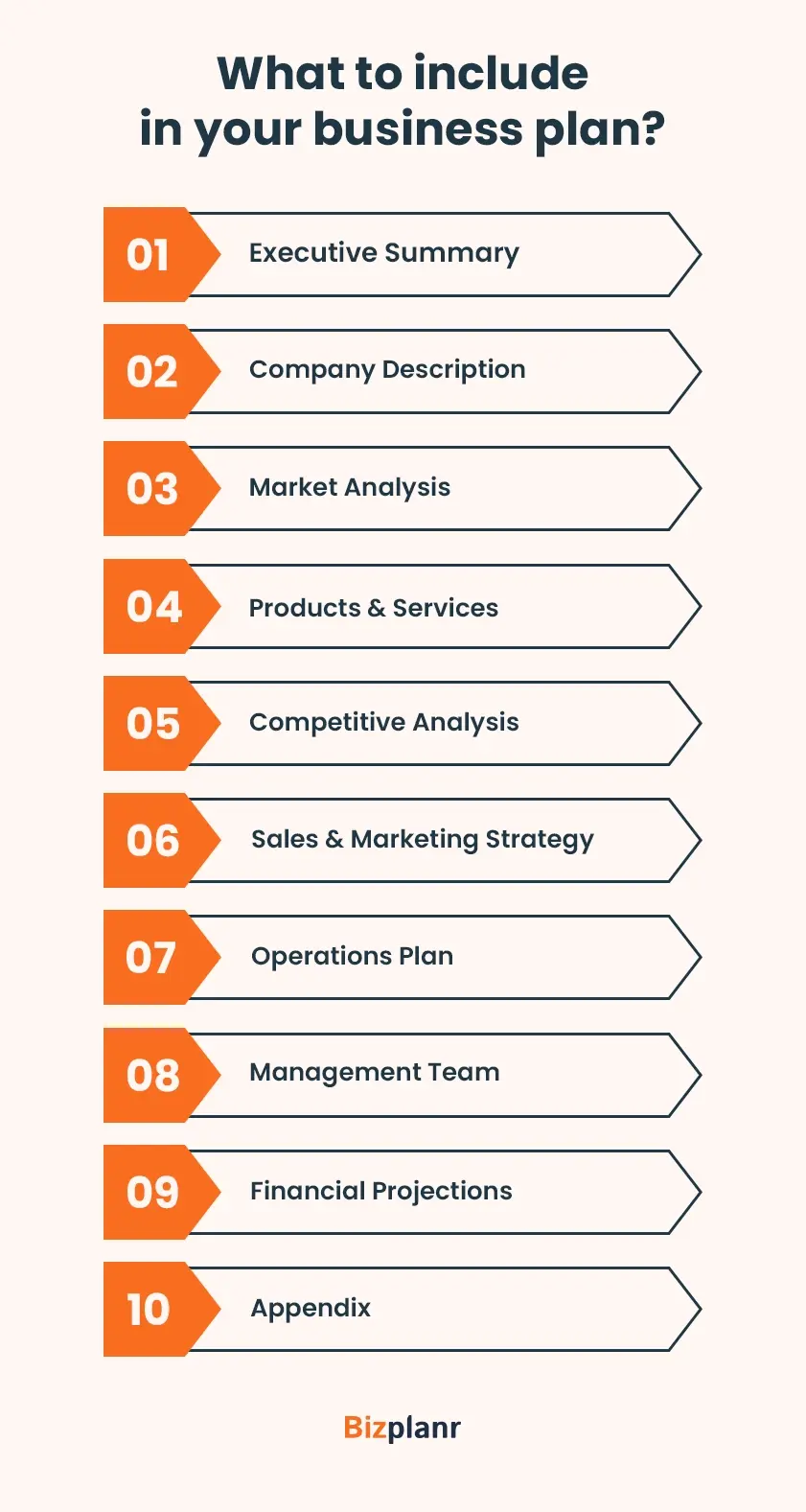
Appendices: This section typically includes resumes of key management, market research data, product images, patents, legal documents, letters of intent from customers or suppliers, detailed financial spreadsheets, and any other supporting materials that bolster the claims made in the main body of the plan. For the “Money” category, this might include detailed financial models, loan agreements, or investment term sheets.
-
Continuous Review: A business plan is not a static document to be filed away. It’s a living guide that must be regularly reviewed, updated, and adjusted as market conditions change, new opportunities arise, or operational challenges emerge. Regular financial reviews against the projections in your plan allow you to monitor performance, identify deviations, and make informed strategic and financial decisions. This iterative process is crucial for sustainable growth and long-term financial health.
In conclusion, a comprehensive business plan is far more than a document to secure funding; it is the financial backbone of any successful enterprise. It compels entrepreneurs to critically assess every facet of their venture, from market opportunity and operational efficiency to revenue models and cash flow projections. By meticulously detailing what goes into a business plan, particularly through the lens of business finance, entrepreneurs equip themselves with the clarity, foresight, and strategic direction necessary to navigate challenges, capitalize on opportunities, and ultimately achieve their financial objectives, transforming ambitious ideas into tangible, profitable realities.
aViewFromTheCave is a participant in the Amazon Services LLC Associates Program, an affiliate advertising program designed to provide a means for sites to earn advertising fees by advertising and linking to Amazon.com. Amazon, the Amazon logo, AmazonSupply, and the AmazonSupply logo are trademarks of Amazon.com, Inc. or its affiliates. As an Amazon Associate we earn affiliate commissions from qualifying purchases.