
The landscape of personal computing has shifted dramatically over the last decade, with the iPad evolving from a simple media consumption device into a powerhouse of mobile productivity. For consumers and tech enthusiasts alike, keeping track of the “most recent” generation can be a challenge, as Apple now maintains four distinct product lines: the iPad Pro, the iPad Air, the iPad (Standard), and the iPad mini. As of mid-2024, the iPad lineup has undergone its most significant transformation in years, introducing cutting-edge silicon and display technologies that push the boundaries of what a tablet can achieve.

To answer the question of which generation is most recent, one must look at the specific tier of the device. Currently, the flagship iPad Pro is in its 7th generation (11-inch) and 5th generation (13-inch)—though often referred to collectively as the M4 iPad Pro. The iPad Air has reached its 6th generation, now available in two sizes. Meanwhile, the standard iPad remains in its 10th generation, and the iPad mini stays at its 6th generation.
Understanding the Current iPad Lineup: Hardware and Specifications
The most recent refresh, occurring in May 2024, focused heavily on the “Pro” and “Air” tiers. This update was not merely incremental; it represented a fundamental shift in Apple’s hardware strategy, particularly with the introduction of the M4 chip.
The iPad Pro (M4): Redefining the High-End Tablet
The latest iPad Pro is the pinnacle of Apple’s engineering. For the first time, Apple skipped a generation of silicon (the M3) for the iPad, moving directly from the M2 to the M4. This chip is built on a second-generation 3-nanometer technology, offering a massive leap in power efficiency and thermal management.
The M4 iPad Pro also introduced the “Ultra Retina XDR” display. This uses a revolutionary Tandem OLED technology, which layers two OLED panels to achieve 1,000 nits of full-screen brightness and 1,600 nits of peak HDR brightness. This solved the historic brightness limitations of traditional OLED while maintaining perfect blacks and infinite contrast.
The iPad Air (M2): Performance Meets Versatility
The 6th generation iPad Air was updated alongside the Pro. The most notable change here is the inclusion of the M2 chip, which provides a 50% increase in speed over the previous M1 model. For the first time, the Air is available in two sizes: the traditional 11-inch and an all-new 13-inch model. This allows users who want a larger canvas for multitasking or creative work to access it without paying the premium price of the Pro model.
The Standard iPad and iPad Mini
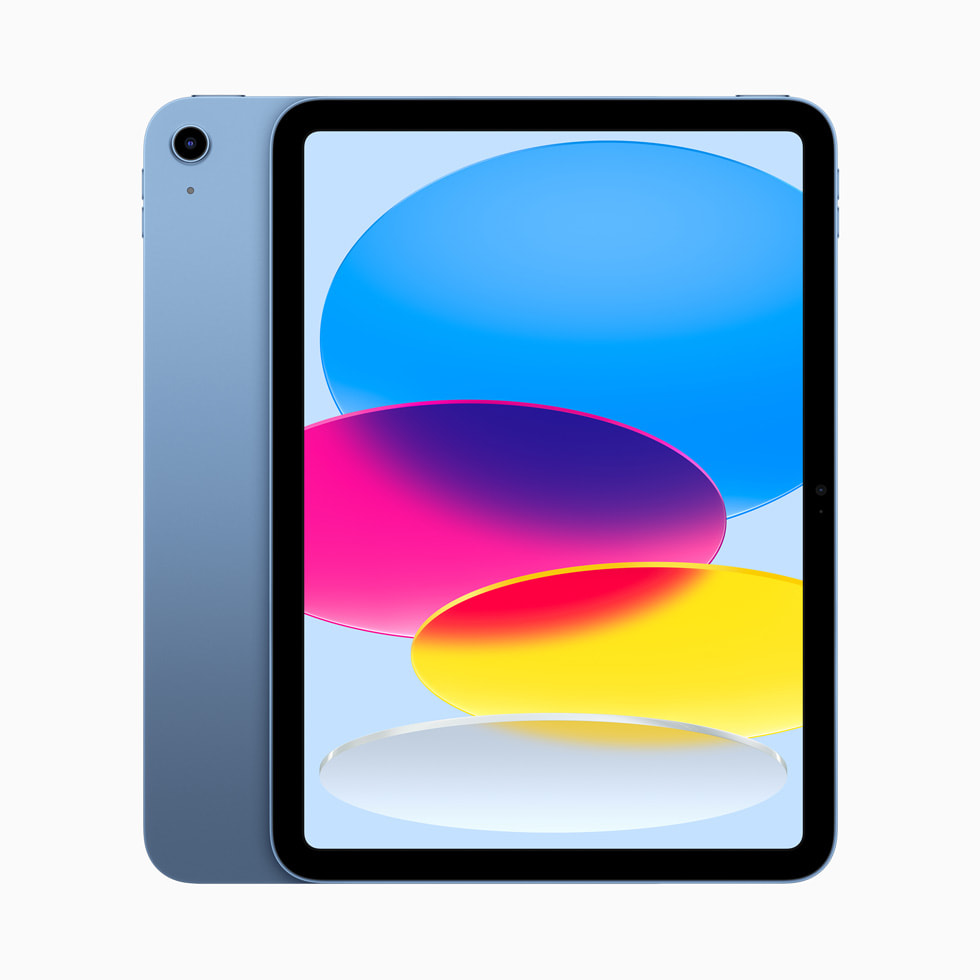
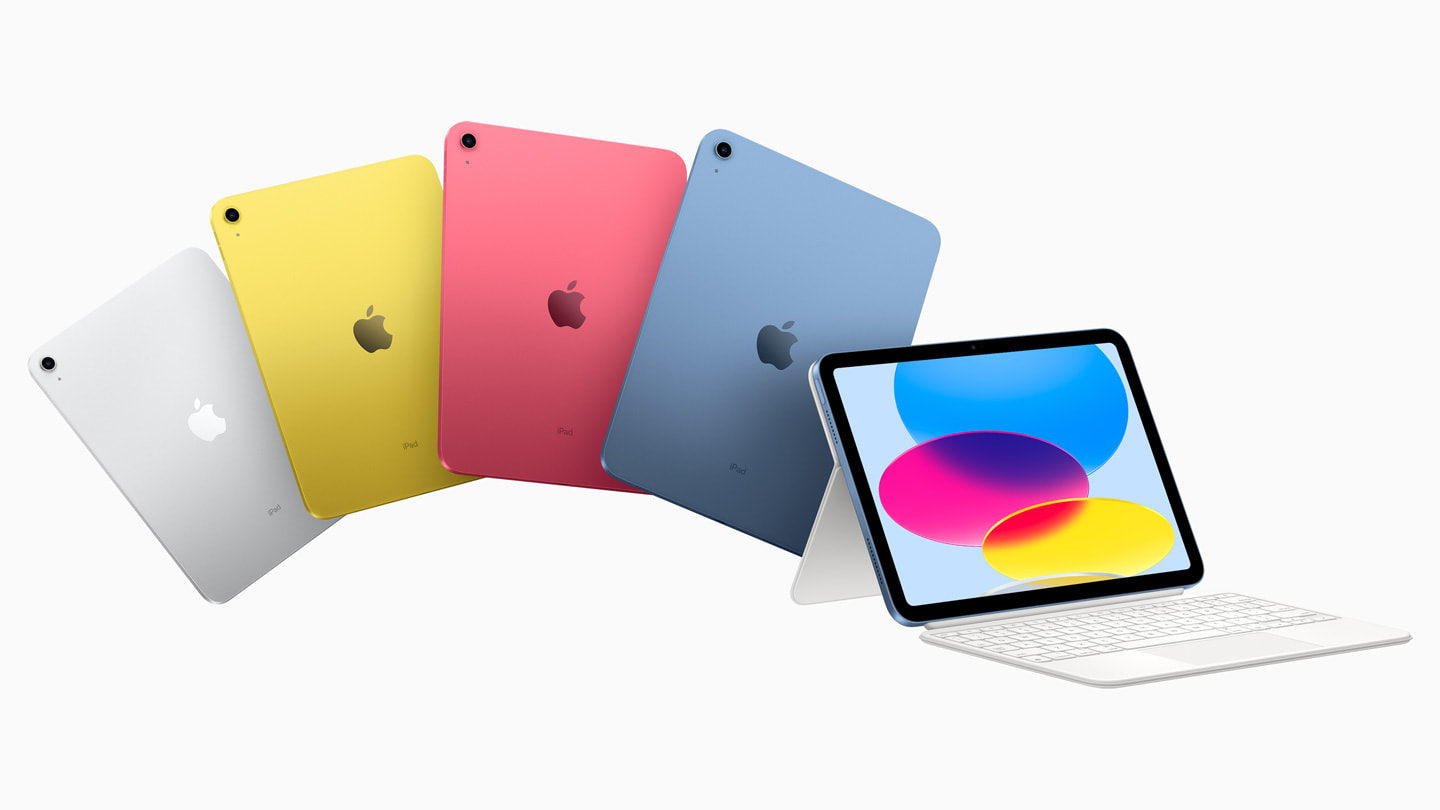
The entry-level iPad (10th Generation) remains the baseline for the ecosystem. It features an A14 Bionic chip and a modern, all-screen design with USB-C. While it is not the “newest” in terms of release date compared to the M4 models, it remains the current-generation offering for the budget-conscious market. Similarly, the iPad mini (6th Generation) continues to serve the niche of ultra-portable high-performance tablets with its A15 Bionic chip, though rumors of a 7th generation update persist in the tech community.
Technical Innovations: The Leap to M4 and Ultra Retina XDR
When discussing the most recent iPad generations, the conversation inevitably centers on the technological breakthroughs that differentiate these devices from their predecessors. Apple is no longer just competing with other tablets; they are competing with the performance of high-end laptops.
Silicon Advancements: Why the M4 Chip Matters
The M4 chip is the heart of the most recent iPad Pro. It features a new CPU with up to 10 cores and a 10-core GPU that introduces hardware-accelerated ray tracing to the iPad for the first time. This is a game-changer for mobile gaming and professional 3-rendering.
Furthermore, the M4 includes Apple’s most powerful Neural Engine to date, capable of 38 trillion operations per second. In the context of the current AI-driven tech climate, this hardware allows for on-device machine learning tasks—such as isolating subjects in 4K video or real-time audio transcription—to happen faster and more privately than on almost any other mobile device.
Tandem OLED Technology: A Breakthrough in Display
Before the most recent iPad Pro, users had to choose between the color accuracy of the Liquid Retina (LCD) and the contrast of the Liquid Retina XDR (Mini-LED). The newest generation’s Tandem OLED display removes this compromise. By stacking two OLED layers, Apple has overcome the “durability” and “brightness” issues often associated with large-screen OLEDs. This provides a sub-millisecond response time and exceptional motion fluidity, which is vital for professional video editors and digital artists using the Apple Pencil.
Form Factor and Thinness: The Engineering Feat
The 13-inch iPad Pro (M4) is officially the thinnest product Apple has ever created, measuring just 5.1mm. This was made possible by the efficiency of the M4 chip and the thinness of the OLED stack. From a technical perspective, maintaining structural integrity while reducing thickness is a significant achievement in materials science, involving a revised internal layout that improves heat dissipation despite the reduced volume.
Software Synergy: iPadOS and the Evolution of Productivity
Hardware is only half of the story. The most recent iPad generations are designed to leverage the latest iterations of iPadOS, which continues to bridge the gap between a mobile operating system and a desktop environment.
Multitasking with Stage Manager
The latest M-series iPads (Pro and Air) fully utilize Stage Manager, a multitasking interface that allows users to overlap windows and resize them, much like on a Mac. When connected to an external display, these iPads can drive resolutions up to 6K, allowing the iPad to function as the primary “brain” of a desktop setup. This capability is a direct result of the high bandwidth provided by the USB-C (Thunderbolt 3/USB 4) ports found on the latest Pro models.
Professional Creative Workflows
The most recent hardware updates were launched alongside significant updates to professional software. Logic Pro for iPad 2 and Final Cut Pro for iPad 2 are designed specifically to take advantage of the M4 chip’s Neural Engine. For example, the “Live Multicam” feature allows users to connect and control up to four iPhones or iPads simultaneously to record multiple angles of a shoot directly into the iPad. This level of technical integration highlights how the “most recent” iPad is positioned as a specialized tool for the “prosumer” market.
Security and the Apple Ecosystem
Digital security remains a pillar of the iPad experience. The most recent generations continue to utilize FaceID (on Pro) and TouchID (on Air/Mini/Standard), integrated into the Secure Enclave of the silicon. With the latest iPadOS, Apple has also introduced enhanced “Lockdown Mode” and advanced data protection for iCloud, ensuring that these high-performance machines remain resilient against sophisticated cyber threats.
Choosing the Right Generation for Your Needs
Given that there are different “most recent” versions for each model, choosing the right tech depends heavily on the intended use case.
For the Creative Professional
If your workflow involves 4K video editing, 3D modeling in apps like Shapr3D, or high-end digital illustration, the iPad Pro (M4) is the definitive choice. The combination of the M4 chip and the Tandem OLED display offers a level of color precision and processing power that cannot be matched by previous generations. Furthermore, the new Apple Pencil Pro, which features haptic feedback and barrel roll capabilities, is only compatible with the most recent M4 Pro and M2 Air models.
For Students and Casual Users
For those who need a reliable device for note-taking, streaming, and moderate multitasking, the iPad Air (M2) represents the best balance of technology and price. It provides “Pro-level” power through the M2 chip without the added cost of the OLED display or the 120Hz ProMotion refresh rate. The addition of the 13-inch size option for the Air is particularly significant for students who need more screen real estate for split-screen multitasking between textbooks and note-taking apps.
The Value Proposition of Older Generations
While the 10th generation iPad is not the newest in terms of “release month,” it is the current standard model. It is ideal for users who need a functional, modern tablet for web browsing, emails, and basic apps. However, from a technical longevity standpoint, the M-series iPads (Air and Pro) are better investments, as they are likely to receive software updates and new AI features for many more years than the A-series chips.
Future Trends: What’s Next for the iPad?
The “most recent” generation is never the final word in technology. As we look toward the future of the iPad, several technical trends are emerging.
First, the integration of Artificial Intelligence (AI) will likely dictate the next hardware cycle. We are already seeing the M4 chip prioritize the Neural Engine, suggesting that future iPadOS versions will rely heavily on on-device AI for everything from photo editing to system automation.
Second, the “thinness” trend established by the M4 iPad Pro may eventually trickle down to the Air and Mini lines as battery and display technologies continue to shrink. Finally, there is ongoing speculation regarding the “iPad Ultra” or a foldable iPad, which would represent the next major generation leap in the tablet category.
In conclusion, the most recent iPad generation depends on which “family” of iPad you are interested in. If you want the absolute cutting edge, the iPad Pro (M4) and iPad Air (M2) stand as the current benchmarks of mobile computing technology. They represent a sophisticated blend of desktop-class silicon, revolutionary display tech, and an increasingly mature software ecosystem, solidifying the iPad’s place as a versatile tool in the modern digital toolkit.
aViewFromTheCave is a participant in the Amazon Services LLC Associates Program, an affiliate advertising program designed to provide a means for sites to earn advertising fees by advertising and linking to Amazon.com. Amazon, the Amazon logo, AmazonSupply, and the AmazonSupply logo are trademarks of Amazon.com, Inc. or its affiliates. As an Amazon Associate we earn affiliate commissions from qualifying purchases.