
In the vast ecosystem of global media franchises, few entities command the level of brand recognition possessed by Pokémon. Since its inception in the mid-1990s, the brand has meticulously cultivated a roster of digital creatures that serve as more than just game mechanics; they are high-value brand assets. Among the nearly 1,000 unique designs, few have achieved the strategic significance of Mimikyu. To answer the foundational question—Mimikyu was introduced in Generation VII, debuting in the 2016 titles Pokémon Sun and Pokémon Moon.
However, from a professional brand strategy perspective, Mimikyu is not merely a “Generation VII Pokémon.” It represents a sophisticated pivot in how The Pokémon Company manages its intellectual property (IP), handles brand legacy, and utilizes psychological marketing to maintain market dominance in an increasingly crowded entertainment landscape.

The Strategic Introduction of Generation VII: Beyond the Seventh Iteration
The Alola region, the setting for Generation VII, arrived at a critical juncture for the Pokémon brand. Celebrating its 20th anniversary in 2016, the franchise faced a dual challenge: retaining a nostalgic “legacy” audience while capturing a new generation of digital natives. The introduction of Mimikyu was a tactical masterstroke designed to bridge this demographic divide.
The Alola Region as a Brand Pivot
Generation VII was characterized by a departure from long-standing series tropes. By replacing traditional “Gyms” with “Island Challenges” and introducing “Regional Forms” (variants of classic Pokémon), the brand signaled a willingness to iterate on its core identity. This era was about subverting expectations. Within this context, Mimikyu was positioned not just as a new character, but as a meta-commentary on the brand itself. By acknowledging the omnipresence of Pikachu within its own universe, the developers created a narrative layer that resonated with long-term fans who understood the brand’s internal hierarchy.
Identifying the “Pikachu Fatigue” Market Gap
For two decades, Pikachu served as the undisputed face of the franchise. While this provided unmatched brand stability, it also risked “brand fatigue.” Strategic brand management requires the introduction of “challenger products” within one’s own portfolio to prevent stagnation. Mimikyu was engineered to occupy this space. It wasn’t a replacement for Pikachu; it was a brand extension that leveraged Pikachu’s equity while offering a darker, more complex alternative. This “anti-mascot” strategy allowed the company to refresh its image without diluting the value of its primary icon.
Mimikyu’s Design as Metaphor: A Masterclass in Subversive Branding
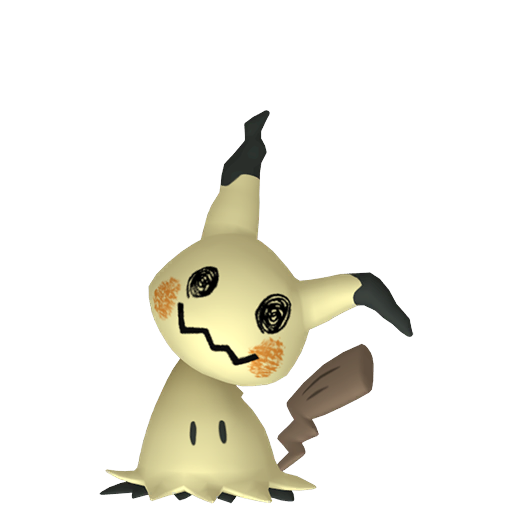
In branding, visual identity is paramount. Mimikyu’s design—a small, ghostly entity hiding under a crudely drawn Pikachu costume—is a sophisticated piece of visual storytelling. It communicates a brand narrative of longing, identity, and the desire for social acceptance, which are powerful emotional drivers for consumers.
The Parasitic Relationship with Flagship Identity
Mimikyu’s brilliance lies in its “brand-on-brand” architecture. By incorporating a distorted version of Pikachu into its own design, Mimikyu performs a “forced association.” In marketing terms, this is similar to a “lite” version or a “diffusion brand” (like Miu Miu to Prada). It utilizes the established visual shorthand of the mascot to ensure instant recognition, yet it pivots the emotional response from “joy” to “intrigue” or “sympathy.” This ensures that even a casual observer who only recognizes Pikachu will be drawn to Mimikyu, effectively piggybacking on twenty years of marketing spend.
Emotional Branding and the “Underdog” Narrative
Successful modern brands often move away from perfection toward relatability. Mimikyu’s lore—stating that it wears the costume because it simply wants to be loved like Pikachu—is a profound example of emotional branding. This narrative transforms a digital asset into a relatable character. From a brand strategy standpoint, this creates “Brand Love,” a state where consumers feel an emotional protective instinct toward the product. When a consumer feels “sorry” for Mimikyu, they are more likely to engage with the character, purchase its merchandise, and advocate for it within social circles.
Leveraging Scarcity and Mystery in Digital Marketing
The rollout of Mimikyu during the Generation VII marketing campaign utilized advanced digital strategy techniques to ensure it became a viral sensation before the games were even released.
The Role of the “Mimikyu’s Song” Viral Campaign
One of the most effective tools in the Gen VII marketing kit was the release of “Mimikyu’s Song,” a dedicated music video shared across social media platforms. Unlike traditional advertisements that focused on gameplay mechanics, this video was a pure character-study. It utilized the “cute-but-creepy” aesthetic (a trend highly successful in Japanese kawaii culture and global “dark-academia” niches) to generate organic reach. By giving the character a voice and a tragic backstory, The Pokémon Company bypassed traditional PR, allowing the community to drive the hype through memes and fan art.
Community Engagement and Fan-Led Brand Equity
In the digital age, a brand is no longer just what a company says it is; it is what the consumers say it is. The Pokémon Company intentionally left gaps in Mimikyu’s lore—specifically, what lies beneath the cloth. This “mystery box” strategy encouraged endless community discussion, theories, and engagement. By fostering this environment, the brand turned passive players into active participants in the Mimikyu mythos. This increased the “sticky factor” of Generation VII, ensuring that even after the initial sales surge, the character remained a focal point of the culture.
Monetizing the Disguise Pokémon: Merchandising and Cross-Media Integration
The ultimate goal of brand strategy is conversion. Mimikyu’s transition from a digital sprite in a Generation VII game to a multi-million dollar merchandise line is a testament to its commercial viability.
The Trading Card Game (TCG) and Secondary Market Value
In the Pokémon TCG, Mimikyu cards are consistently designed with unique abilities that reflect its “Disguise” mechanic from the games. From a financial and brand perspective, specific iterations of Mimikyu cards—such as the “Mimikyu VMAX” or special promotional “Scream” variants (referencing Edvard Munch’s art)—have become highly sought-after assets. This cross-pollination between game mechanics and collectible value ensures that the brand maintains its premium status in the secondary market, which in turn reinforces the primary brand’s strength.
Luxury Collaborations and Cultural Staying Power
The longevity of a brand asset is measured by its ability to exist outside its original medium. Mimikyu has successfully transitioned into luxury collaborations, apparel, and high-end collectibles. Because its design is both minimalist and iconic, it translates well to fashion and lifestyle products. This has allowed the Pokémon brand to penetrate markets that traditional “monster-battling” games might not reach, such as the “streetwear” demographic and the “home decor” market. By the end of Generation VII, Mimikyu was no longer just a “new Pokémon”; it was a permanent fixture of the Pokémon “Hall of Fame,” standing alongside icons from Generation I.

Conclusion: The Legacy of Generation VII’s Most Strategic Asset
While the answer to “what generation is Mimikyu” is a simple historical fact—Generation VII—the implications of its existence are far-reaching. Mimikyu represents a sophisticated evolution in character-based branding. It demonstrates how a legacy brand can use self-reflection, emotional storytelling, and subversive design to create a new icon that rivals its own mascot.
For brand strategists and marketers, Mimikyu serves as a case study in Brand Alchemy: the ability to take the familiar (Pikachu), distort it through a narrative lens (the disguise), and produce a new product that captures the zeitgeist of a new era. As the Pokémon franchise moves into Generation IX and beyond, the lessons learned from the Mimikyu rollout—leveraging emotional vulnerability, community mystery, and parasitic design—continue to inform how the world’s most successful media franchise maintains its relevance in a changing global market. Mimikyu is not just a ghost under a cloth; it is the blueprint for modern, resilient brand identity.
aViewFromTheCave is a participant in the Amazon Services LLC Associates Program, an affiliate advertising program designed to provide a means for sites to earn advertising fees by advertising and linking to Amazon.com. Amazon, the Amazon logo, AmazonSupply, and the AmazonSupply logo are trademarks of Amazon.com, Inc. or its affiliates. As an Amazon Associate we earn affiliate commissions from qualifying purchases.