
In the fast-paced and highly competitive world of aviation, abbreviations and airline codes are a common shorthand, often recognized instantly by frequent flyers and industry insiders. However, for those less familiar, or perhaps seeking clarity on an often-heard reference, the question “What airline is ‘AS’?” frequently arises. The unequivocal answer is Alaska Airlines. But to merely state the name is to scratch the surface of a brand that has meticulously carved out a distinctive identity and a fiercely loyal customer base in an industry often characterized by commoditization and fleeting allegiances. This article will delve into the brand strategy of Alaska Airlines, exploring the pillars that define its corporate identity, its marketing approaches, and how it has successfully navigated a dynamic market while maintaining its core values and unique appeal.

Unpacking the “AS” Identity: The Alaska Airlines Brand
Alaska Airlines, operating under the IATA code “AS,” is far more than just a regional carrier. It represents a powerful brand story rooted in exceptional service, operational excellence, and a deep connection to its namesake region. Understanding the “AS” brand requires an exploration of its historical trajectory and the visual and experiential elements that define its presence in the minds of consumers.
A Legacy of Service and Regional Focus
The narrative of Alaska Airlines began in the rugged frontier of Alaska in 1932, evolving from a small bush pilot operation to become a major North American airline. This origin story is central to its brand identity, fostering an image of resilience, reliability, and an adventurous spirit. Unlike many legacy carriers whose histories are tied to transcontinental or international expansion from the outset, Alaska Airlines’ initial focus was on connecting remote communities within Alaska, operating in challenging conditions that demanded ingenuity and robust service. This regional emphasis instilled a corporate culture deeply committed to the communities it serves, prioritizing direct, human-centric service and operational dependability. The brand implicitly communicates a promise of reliability even in the face of adversity, a promise born from its Alaskan heritage. This legacy ensures that while the airline has expanded significantly beyond its home state, its brand ethos remains firmly anchored in its origins, fostering a sense of authenticity and trust among its clientele, particularly those in the Pacific Northwest.
The Distinctive Visual and Experiential Brand
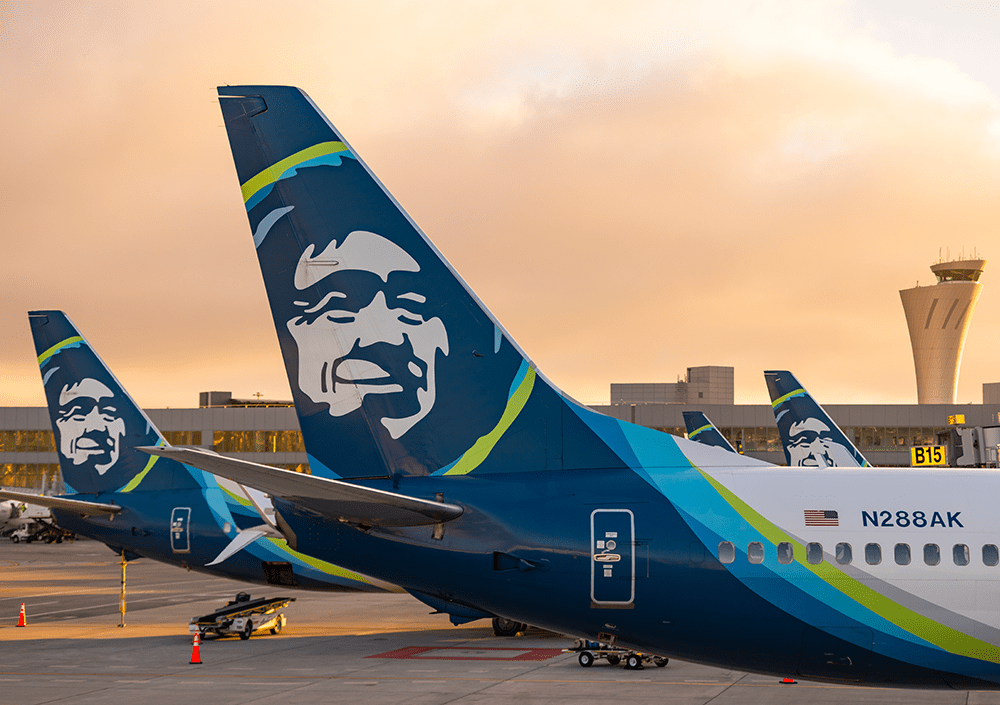
The visual identity of Alaska Airlines is immediately recognizable and deliberately evokes a sense of place and professionalism. Its livery, featuring a smiling Eskimo on the tail, is one of the most iconic in the industry. While subject to occasional modernization and scrutiny, this emblem serves as a powerful symbol of its heritage and its unique connection to the Last Frontier. The design aesthetic extends to the cabin experience, where a focus on comfort, cleanliness, and a welcoming atmosphere prevails. The brand experience is meticulously crafted, from the intuitive functionality of its mobile app to the consistent professionalism and friendliness of its flight attendants. Alaska Airlines prides itself on a relaxed yet efficient in-flight service, distinguishing itself from competitors often perceived as more rigid or impersonal. Every touchpoint, from booking a ticket to baggage claim, is designed to reinforce a brand promise of a seamless, stress-free, and enjoyable journey, subtly but effectively communicating its core values of reliability and genuine hospitality.
Brand Pillars: What Makes Alaska Airlines Stand Out?
In a highly commoditized industry, a strong brand differentiates through consistent delivery on key promises. Alaska Airlines has cultivated several distinct brand pillars that elevate its position and foster exceptional customer loyalty.
Operational Reliability and Customer Satisfaction
One of Alaska Airlines’ most potent brand assets is its reputation for operational reliability and consistently high customer satisfaction. The airline frequently ranks at or near the top in industry surveys and awards for on-time performance, baggage handling, and overall customer experience. This isn’t merely a byproduct of good management; it’s a deliberate brand strategy to position itself as the dependable choice. In an era where travel disruptions are common, a brand that consistently delivers its passengers to their destinations on time with their luggage intact earns invaluable trust. This commitment to operational excellence is deeply embedded in the corporate culture, from ground staff to flight crews, making it an intrinsic part of the brand’s promise. For many consumers, the brand promise of reliability outweighs slight price differences, solidifying Alaska Airlines as a preferred carrier for both leisure and business travel, where predictability is paramount.
The Power of Mileage Plan: A Differentiated Loyalty Program
The Alaska Airlines Mileage Plan is widely regarded as one of the most generous and valuable loyalty programs in the airline industry, acting as a powerful magnet for customer retention and acquisition. While many airlines have devalued their loyalty programs, Alaska has largely maintained a mileage-based earning structure that rewards flying actual miles, coupled with a robust redemption chart and an extensive network of global airline partners, even before joining a major alliance. This strategy builds incredible brand loyalty by directly rewarding frequent flyers with tangible benefits – valuable miles, elite status perks, and a wide array of travel options. The Mileage Plan isn’t just a points system; it’s a cornerstone of the Alaska Airlines brand identity, signaling a company that values and invests in its most loyal customers. This commitment fosters a strong emotional connection, transforming transactional interactions into enduring relationships, and distinguishing the brand from competitors whose loyalty programs are often perceived as less rewarding.
Community Engagement and Pacific Northwest Identity
Alaska Airlines embraces its role as a cornerstone of the Pacific Northwest and Alaskan communities. This commitment extends beyond simply providing transportation; it involves active participation in local initiatives, environmental stewardship, and support for regional businesses. The brand’s messaging often highlights its connection to the vibrant culture and natural beauty of these regions, reinforcing a sense of belonging and shared values. This local focus generates significant goodwill and strengthens brand affinity among residents who see Alaska Airlines as “their” airline. From sponsoring local events to championing sustainability efforts relevant to the pristine environments it serves, the brand authentically integrates itself into the fabric of its home markets. This deep community engagement is a powerful element of its corporate identity, showcasing a brand that is not just a service provider, but a responsible and engaged corporate citizen.
Navigating Growth and Alliance: The Brand’s Evolution
The aviation landscape is constantly shifting, requiring brands to adapt while preserving their core identity. Alaska Airlines has demonstrated remarkable strategic prowess in expanding its reach and partnerships without diluting its distinctive brand essence.
The Virgin America Integration: A Branding Masterclass
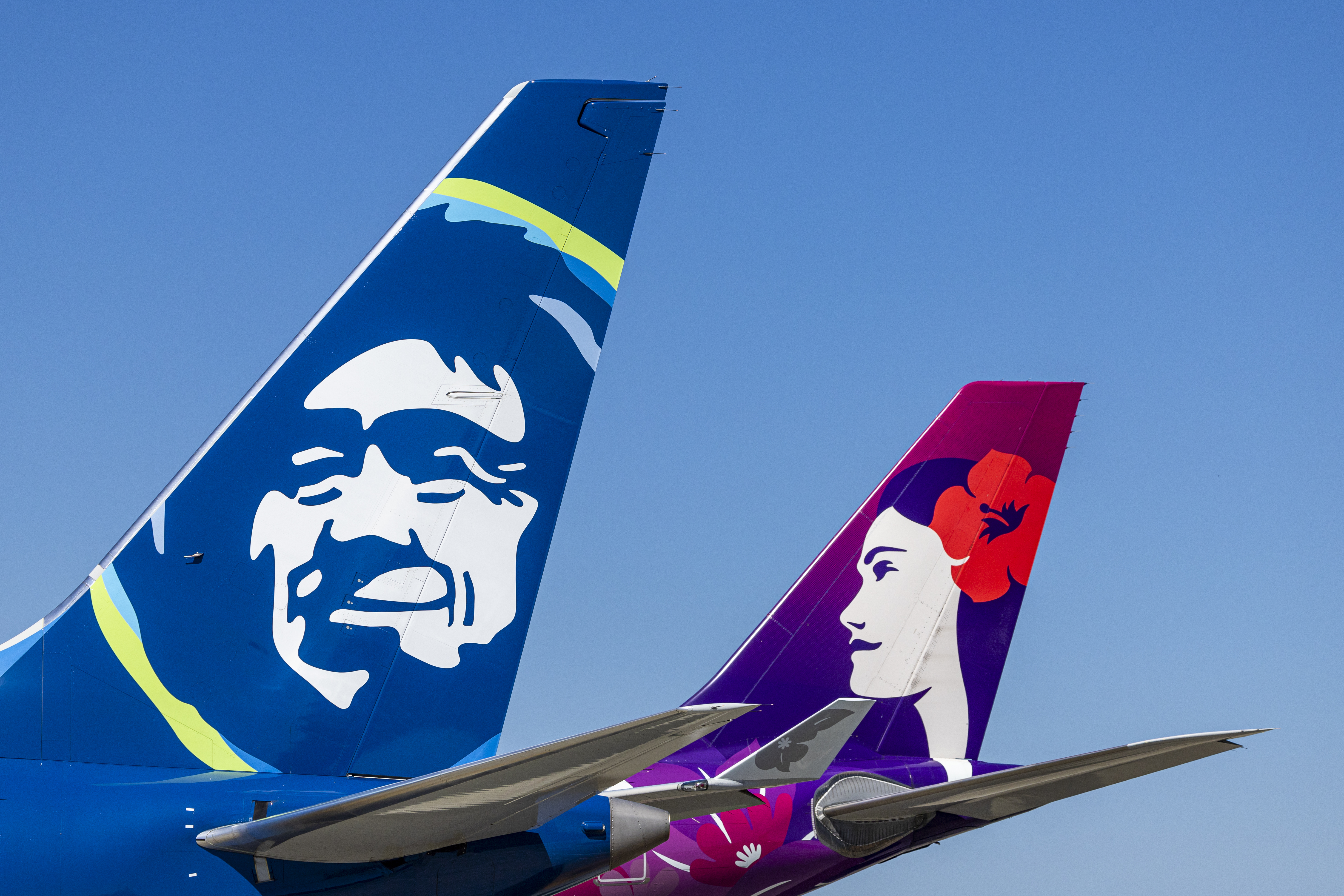
The acquisition of Virgin America in 2016 was a pivotal moment for Alaska Airlines. Virgin America had cultivated a cult-like following with its distinctively stylish, tech-forward, and often playful brand. Integrating such a strong, yet different, brand identity posed significant challenges. Alaska Airlines approached this not as a simple absorption, but as a strategic integration aimed at learning from and incorporating the best elements of Virgin America. While the Virgin America brand was ultimately retired, Alaska Airlines made conscious efforts to adopt popular features like mood lighting, on-demand food service, and advanced in-flight entertainment from its acquired counterpart. This deliberate approach demonstrated a brand willing to evolve and incorporate new ideas, showing respect for the acquired brand’s strengths while confidently asserting its own identity. This process was a masterclass in brand integration, showcasing flexibility and a commitment to enhancing the customer experience without compromising the core Alaska Airlines promise.
Entry into Oneworld: Expanding Reach While Retaining Core Identity
Alaska Airlines’ decision to join the Oneworld airline alliance in 2021 marked a significant strategic shift, transforming it from a robust independent carrier with numerous bilateral partnerships to a fully integrated global player. This move dramatically expanded its network reach and intercontinental connectivity for its Mileage Plan members, offering access to destinations worldwide through partners like American Airlines, British Airways, and Cathay Pacific. The challenge, from a brand perspective, was to seamlessly integrate into a global alliance without losing its unique, customer-centric identity. Alaska Airlines has successfully navigated this by emphasizing the benefits of Oneworld membership to its customers – more destinations, more earning and redemption opportunities – while continuing to highlight its own distinct service culture and brand pillars. The brand messaging has consistently framed Oneworld entry as an enhancement, rather than a departure, from its core values, ensuring that loyal customers perceive it as growth that adds value, not an erosion of their beloved airline’s distinctiveness.
Sustaining Brand Relevance in a Competitive Landscape
Maintaining brand relevance in an industry defined by intense competition, fluctuating fuel prices, and evolving consumer expectations requires constant innovation. Alaska Airlines continually invests in digital transformation, from enhancing its mobile app functionality to streamlining the airport experience with biometric boarding options. The brand understands that convenience and efficiency are paramount for today’s travelers. Furthermore, it consistently seeks feedback and leverages data to refine its service offerings and marketing messages. By staying attuned to customer needs and industry trends, while simultaneously reinforcing its foundational brand promises of reliability and genuine hospitality, Alaska Airlines ensures its brand remains vibrant and appealing. This commitment to adaptive innovation, coupled with a steadfast adherence to its core identity, positions the brand for sustained success.
Marketing Alaska Airlines: Messaging and Perception
Effective marketing translates brand identity into compelling narratives that resonate with target audiences. Alaska Airlines employs a multi-faceted marketing strategy to reinforce its brand perception and connect with consumers.
Storytelling and Emotional Connection
Alaska Airlines’ marketing often leverages storytelling to forge an emotional connection with its audience. Campaigns frequently highlight the unique destinations it serves, particularly the awe-inspiring landscapes of Alaska and the vibrant culture of the Pacific Northwest. These narratives focus on the experiences and memories travelers create, rather than simply the act of transportation. By showcasing real people, diverse travel motivations, and the joy of discovery, the brand positions itself not merely as a carrier, but as an enabler of memorable journeys. This emotional branding strategy contrasts with purely transactional marketing, helping to build a deeper bond with customers and differentiate the airline in a crowded market. The underlying message is that choosing Alaska Airlines isn’t just about getting there; it’s about the quality of the experience and the memories made along the way.
Digital Footprint and Social Media Strategy
In the digital age, an airline’s online presence is crucial for brand perception. Alaska Airlines maintains a robust digital footprint, characterized by an intuitive website and an active, engaging social media strategy. Its social media channels serve as platforms for customer service, real-time updates, and brand storytelling. The tone is often friendly, helpful, and reflective of the airline’s approachable brand personality. This direct engagement fosters transparency and allows the brand to address concerns swiftly, turning potential detractors into advocates. Furthermore, digital marketing campaigns are strategically tailored to target specific demographics and interests, promoting new routes, loyalty program benefits, and unique travel experiences. The consistent and coherent brand voice across all digital touchpoints reinforces a perception of a modern, responsive, and customer-centric airline.
Brand Perception vs. Reality: Addressing Challenges
No brand is immune to challenges, and airlines, in particular, face scrutiny over operational disruptions, pricing, and service consistency. Alaska Airlines, despite its strong reputation, must continuously manage the delicate balance between brand perception and operational realities. This involves transparent communication during delays or cancellations, proactive problem-solving, and leveraging its strong customer service ethos to mitigate negative experiences. The brand’s commitment to service recovery is crucial in maintaining trust when unforeseen circumstances arise. Effectively managing these challenges, by aligning internal operations with external brand promises, is vital for safeguarding its hard-earned reputation and ensuring that positive brand perception accurately reflects the customer experience.
Conclusion
The question “What airline is ‘AS’?” leads directly to Alaska Airlines, a brand whose identity is a meticulously crafted tapestry of history, service excellence, customer loyalty, and strategic evolution. From its rugged origins in the Alaskan wilderness to its current status as a major player within the Oneworld alliance, Alaska Airlines has consistently demonstrated a commitment to its core brand pillars: operational reliability, genuine hospitality, and a highly rewarding loyalty program. By skillfully integrating new opportunities like the Virgin America acquisition and Oneworld membership, while fiercely protecting its unique identity, Alaska Airlines has proven that a strong, authentic brand can thrive even in the most challenging of industries. Its continued success lies not just in flying planes, but in flying high with a brand promise that truly resonates with its customers.
aViewFromTheCave is a participant in the Amazon Services LLC Associates Program, an affiliate advertising program designed to provide a means for sites to earn advertising fees by advertising and linking to Amazon.com. Amazon, the Amazon logo, AmazonSupply, and the AmazonSupply logo are trademarks of Amazon.com, Inc. or its affiliates. As an Amazon Associate we earn affiliate commissions from qualifying purchases.