
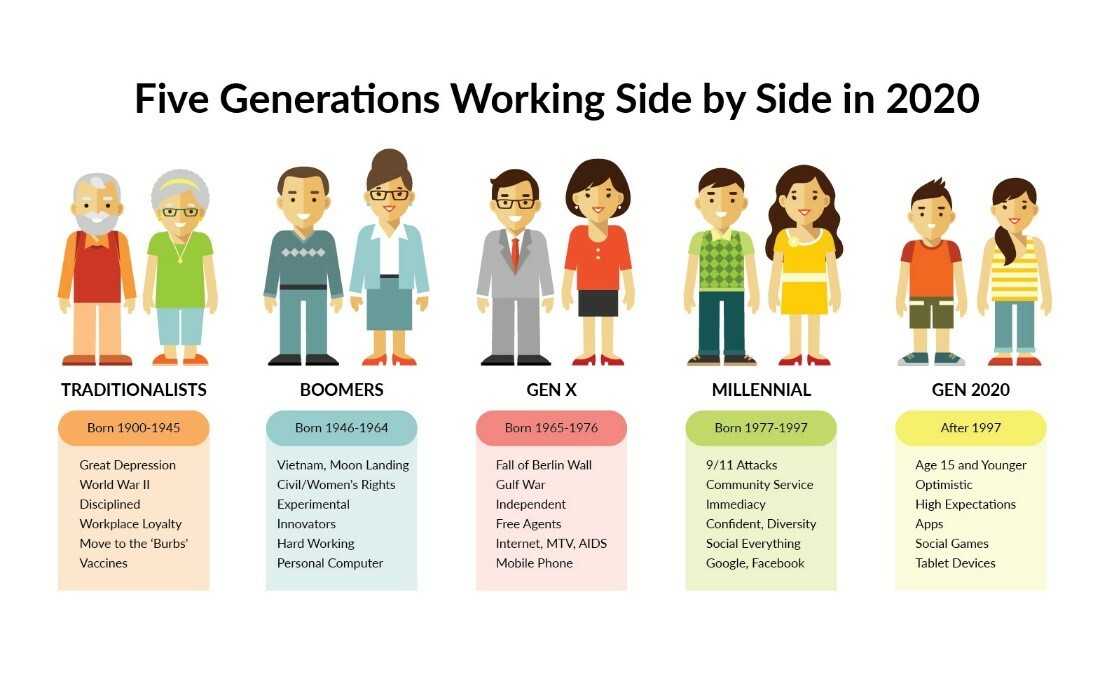
The question of “what generation is Millennials” often begins with a simple chronological search, but for the modern brand strategist, the answer is far more complex than a range of birth years. While demographers typically define Millennials—also known as Generation Y—as those born between 1981 and 1996, the brand-centric definition focuses on a psychological shift. This cohort represents the first generation to come of age during the transition from an analog world to a digital one.
For businesses and personal brands, understanding Millennials is not merely a matter of demographic targeting; it is about understanding the fundamental shift in consumer behavior that prioritized authenticity, social impact, and digital integration. As this generation enters its peak earning years and assumes leadership roles, their influence on brand strategy has become the blueprint for survival in the 21st-century marketplace.

Defining the Millennial Cohort: Beyond the Birth Years
To effectively market to or build a brand around Millennials, one must first understand the historical context that shaped their worldview. This generation was forged by the rapid expansion of the internet, the global financial crisis of 2008, and the rise of the “always-on” mobile culture.
The Micro-Generation: Xennials and the Analog-Digital Bridge
Within the broader Millennial category exists a significant sub-group often referred to as “Xennials” (born roughly between 1977 and 1983). From a brand perspective, this group is a goldmine. They remember a childhood without the internet but spent their formative early adult years mastering it. For brands, this means Xennials respond well to both traditional storytelling and high-tech digital experiences. They act as the “bridge” that allows brands to transition legacy values into modern formats.
Core Values: Authenticity and Social Responsibility
Unlike the generations before them, Millennials were the first to demand that brands have a “soul.” The era of the faceless corporation ended with this cohort. In brand strategy, this translates to the “Purpose-Driven Brand.” Millennials are statistically more likely to support a brand if its values align with their own, particularly regarding environmental sustainability and social justice. If a brand cannot articulate why it exists beyond making a profit, it risks total irrelevance with this demographic.
The Consumer Psychology of Millennials
Understanding what defines a Millennial requires a deep dive into their spending habits and the psychological drivers behind them. They have famously disrupted industries ranging from diamonds to department stores, not because they are “killing” industries, but because their psychological needs have shifted.
From Possession to Access: The Rise of the Subscription Economy
Millennials were the primary catalysts for the “Access Economy.” Witnessing the instability of the housing market and the burden of student debt, this generation pivoted away from high-capital ownership toward subscription models. From Spotify and Netflix to SaaS (Software as a Service) and Rent the Runway, brand strategy for Millennials shifted from “selling a product” to “providing a recurring service.” Brands that thrive today are those that offer flexibility, low barriers to entry, and constant value updates.
The “Experience Economy” and Its Impact on Product Design
For Millennials, status is no longer derived from what you have, but from where you have been and what you have done. This is known as the “Experience Economy.” When designing products for this generation, brands must consider the “shareability” of the experience. Whether it is the unboxing process of a luxury gadget or the interior design of a pop-up shop, the brand must provide a moment that is worthy of a digital footprint. In this context, the product is merely the souvenir of the experience.
Digital-First Branding: How Millennials Shaped Modern Marketing

When we ask what generation Millennials are, we are asking about the architects of the modern digital landscape. They were the early adopters of Facebook, the pioneers of Instagram, and the first to normalize the “gig economy.” Consequently, brand strategy has had to evolve to meet them where they live: online.
The Death of Traditional Advertising and the Rise of Influencers
Millennials possess an incredibly high “skepticism radar.” Traditional “push” marketing—interruptive TV commercials or billboard ads—often falls flat. Instead, they rely on peer recommendations and “influencers.” This shift birthed the Influencer Marketing industry. A brand is no longer what the company says it is; it is what the community says it is. Strategic branding now involves cultivating a network of advocates who can speak to the product’s utility in a way that feels organic and unpolished.
User-Generated Content (UGC) as a Trust Indicator
For a Millennial, a brand’s official Instagram feed is less important than the “Tagged” photos section. User-Generated Content (UGC) serves as modern social proof. From a brand strategy standpoint, encouraging customers to share their own photos and stories is more effective than any high-budget photoshoot. It creates a sense of community and democratizes the brand, making the consumer a co-creator of the brand narrative.
Building Brand Loyalty in an Era of Infinite Choice
Millennials are often accused of being “brand disloyal,” but the reality is more nuanced. They are loyal to excellence and ethics, not to legacy. Because they grew up with the power of price-comparison tools and global shipping, brands can no longer rely on geographical convenience or historical dominance.
Corporate Social Responsibility (CSR) as a Brand Pillar
In the Millennial era, CSR is not a department; it is the brand itself. Companies like Patagonia or TOMS Shoes built their entire brand identity on the backbone of social responsibility. For a brand to win over a Millennial, it must prove that it treats its workers fairly, sources its materials ethically, and contributes to the greater good. “Greenwashing” or performative activism is quickly identified and penalized by this generation, often leading to viral boycotts.
Personalization and the Expectation of One-to-One Connection
Millennials expect brands to know them. Through data analytics and CRM (Customer Relationship Management) tools, brands are now expected to provide personalized recommendations and tailored communication. This generation views their relationship with a brand as a two-way conversation. Brand strategies that utilize AI to provide bespoke experiences—without being intrusive—see significantly higher retention rates. The goal is to make the customer feel like a “segment of one.”
Looking Ahead: The Millennial Legacy in Brand Evolution
As we move further into the 2020s, the “Millennial” label is transitioning from the “young, disruptor” phase into the “established, decision-maker” phase. They are now the parents, the CEOs, and the primary spenders in the global economy.
Bridging the Gap Between Millennials and Gen Z
While Millennials created the digital-first brand strategy, Gen Z is refining it. Brands must now learn to balance the Millennial preference for curated, aesthetic “millennial pink” branding with the Gen Z preference for raw, unfiltered, and chaotic authenticity. Understanding the Millennial foundation is essential for any brand that hopes to transition into the Gen Z market, as the two generations share a common thread of value-based purchasing.
The Future of Community-Centric Branding
The legacy of the Millennial generation in brand strategy is the move toward “Community.” The most successful brands of the next decade will not be those with the largest advertising budgets, but those with the most engaged communities. Whether through Discord servers, private Facebook groups, or exclusive member events, brands are becoming the “third place” (not home, not work) where people find identity and belonging.
In conclusion, when we define what generation Millennials are, we are defining the very fabric of contemporary commerce. They are the generation that demanded honesty, prioritized digital ease, and forced corporations to care about the planet. For any brand or professional, mastering the Millennial mindset is not an option—it is the baseline for relevance in a hyper-connected, value-driven world. By focusing on authenticity, leveraging digital communities, and committing to a clear social purpose, brands can successfully navigate the transition from the Millennial-dominated present to the Gen Z-influenced future.
aViewFromTheCave is a participant in the Amazon Services LLC Associates Program, an affiliate advertising program designed to provide a means for sites to earn advertising fees by advertising and linking to Amazon.com. Amazon, the Amazon logo, AmazonSupply, and the AmazonSupply logo are trademarks of Amazon.com, Inc. or its affiliates. As an Amazon Associate we earn affiliate commissions from qualifying purchases.