
In the dynamic landscape of modern demographics, understanding each successive generation is not merely an academic exercise; it is a strategic imperative for businesses, marketers, and brand strategists alike. Among these, Generation Z stands out as a particularly compelling cohort, distinct in its upbringing, values, and relationship with the world. Born roughly between the mid-1990s and the early 2010s, Gen Z has ascended into adulthood as the first truly digital-native generation, fundamentally reshaping consumer behaviors, workplace expectations, and the very fabric of how brands interact with their audience.
For brands, identifying “what generation is Generation Z” goes far beyond mere birth years. It’s about deciphering a complex tapestry of characteristics that dictate everything from product development and marketing messaging to customer service and corporate social responsibility. This generation is not just a segment of the market; they are a powerful force dictating new rules of engagement, demanding authenticity, purpose, and seamless digital experiences. Ignoring their unique attributes is to risk irrelevance in an increasingly competitive marketplace. To thrive, brands must not only recognize Gen Z but genuinely understand their motivations, aspirations, and the distinct lens through which they view the world.

Defining Generation Z: The Digital Natives Emerge
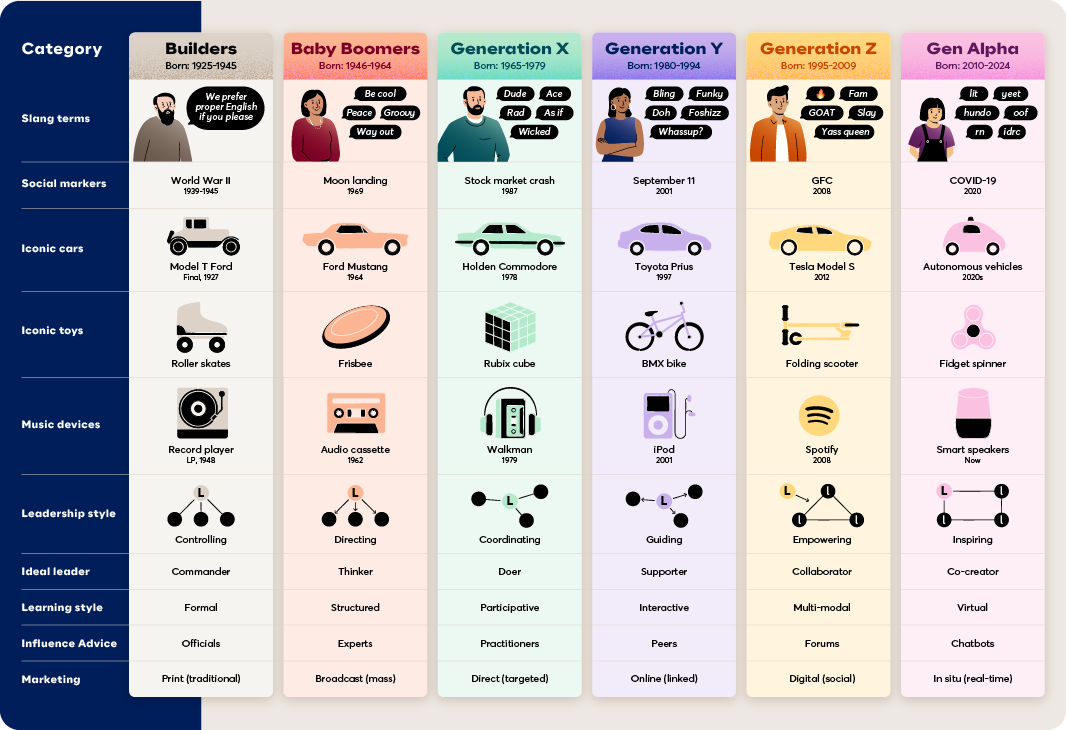
Generation Z represents a demographic shift unlike any before it, primarily distinguished by their complete immersion in a hyper-connected, digital world from birth. Their experiences have been shaped by the internet, social media, and mobile technology, making them intrinsically different from previous generations, even millennials, who adopted these technologies during their formative years.
Birth Years and Demographic Markers
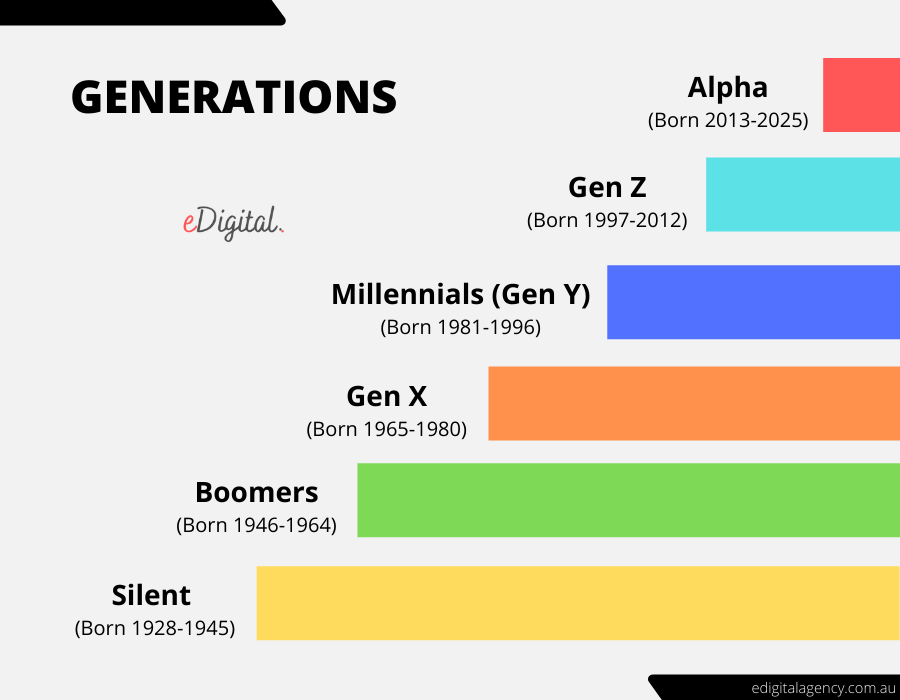
While exact birth year ranges can vary slightly between researchers, Generation Z is generally considered to encompass individuals born from 1997 to 2012. This places the oldest members of Gen Z in their mid-twenties and the youngest just entering their teenage years. They follow Millennials (Gen Y) and precede Generation Alpha. This demographic snapshot reveals a diverse group, already constituting a significant portion of the global workforce and possessing substantial purchasing power, which is only set to grow. For brands, this means Gen Z is not just a future target but a present reality, requiring immediate strategic attention.
The Hyper-Connected Upbringing: A World Without Analog
Unlike any generation before them, Gen Z has never known a world without the internet, smartphones, or social media. They are “digital natives” in the purest sense, instinctively navigating complex digital ecosystems, multi-tasking across numerous platforms, and consuming information at an unprecedented pace. This constant connectivity has profound implications for how brands must reach them. Traditional advertising methods often fall flat; instead, brands must integrate themselves authentically into the digital spaces where Gen Z congregates, from TikTok and Instagram to Discord and YouTube. Their expectation for instant information, seamless digital experiences, and personalized content is a direct result of their hyper-connected upbringing.
Shaping Experiences: Global Crises and Economic Realities
Gen Z’s worldview has been profoundly influenced by a series of significant global events and economic realities. They came of age during periods marked by the Great Recession’s aftermath, the climate crisis, increasing social and political polarization, and the global COVID-19 pandemic. These experiences have instilled in them a sense of pragmatism, a heightened awareness of social justice issues, and a skepticism towards institutions and traditional narratives. For brands, this translates into a demand for transparency, a commitment to social responsibility, and an authentic stance on issues that matter to them. Generic corporate statements are often perceived as disingenuous; Gen Z seeks brands that walk the talk and align with their values.
Gen Z’s Core Values and Their Brand Implications
Understanding Gen Z’s values is paramount for any brand aiming to establish a meaningful connection with this generation. Their core beliefs dictate not only their purchasing decisions but also their loyalty and willingness to advocate for a brand. These values are deeply ingrained and significantly diverge from those of previous generations, necessitating a fundamental recalibration of brand strategy.
Authenticity and Transparency Above All
For Gen Z, authenticity isn’t just a buzzword; it’s a foundational requirement for trust. They are highly adept at detecting insincerity and can quickly see through performative gestures or inauthentic marketing ploys. Brands that are transparent about their operations, values, and even their mistakes are more likely to earn Gen Z’s respect. This means showing the human side of the brand, admitting shortcomings, engaging in genuine dialogue, and avoiding overly polished or artificial presentations. From raw, user-generated content to behind-the-scenes glimpses, brands must cultivate an image that is real and relatable. The expectation is that brands should be honest, consistent, and reflective of their stated mission, not just in their advertising but in every facet of their operation.
Diversity, Equity, and Inclusion (DEI) as Non-Negotiables
Having grown up in an increasingly globalized and diverse world, Gen Z champions diversity, equity, and inclusion (DEI) as fundamental societal principles. They expect brands to not only reflect this diversity in their marketing and representation but also to embody it within their corporate structure and practices. This goes beyond tokenism; Gen Z scrutinizes whether DEI initiatives are genuinely integrated into a brand’s culture and values. Brands that demonstrably commit to diverse hiring practices, equitable policies, and inclusive messaging are more likely to resonate. Conversely, brands perceived as lacking in DEI efforts or engaging in “rainbow washing” during pride month without year-round commitment will face significant backlash and lose credibility.
Purpose-Driven Consumption and Sustainability Demands
Gen Z is acutely aware of global challenges, particularly climate change and social inequality. This awareness translates into a strong preference for brands that demonstrate a clear purpose beyond profit. They are often willing to pay a premium for products from companies committed to ethical sourcing, sustainable practices, and social good. For brands, this means integrating sustainability and social responsibility into their core business model, not just as an add-on. Communicating these efforts transparently and demonstrating tangible impact—whether through eco-friendly production, fair labor practices, or charitable contributions—is crucial. Storytelling around impact, rather than just product features, is highly effective with this generation.
Personalization and Individual Expression
While valuing community, Gen Z also places a high premium on individual expression and personalization. They expect brands to recognize their unique preferences and cater experiences and products accordingly. This desire for personalization manifests in bespoke product options, customized digital interactions, and tailored content recommendations. Brands that leverage data ethically to create personalized experiences, without being intrusive, will foster stronger connections. Furthermore, Gen Z uses brands as tools for self-expression, choosing products and services that align with their personal identity and allow them to project their unique style and values to the world.
Navigating the Gen Z Media Landscape: Marketing in a Fragmented World
The way Gen Z consumes media is radically different from previous generations, creating a highly fragmented and dynamic landscape for marketers. Traditional media channels hold significantly less sway, while digital platforms, particularly those emphasizing visual content and immediate engagement, dominate their attention. Brands must strategically adapt their marketing efforts to meet Gen Z where they are, understanding their preferences for content format, delivery, and interaction.
Short-Form Video and Micro-Content Dominance
The rise of platforms like TikTok and YouTube Shorts underscores Gen Z’s preference for short-form, highly engaging, and often vertical video content. Their attention spans, though often mischaracterized as short, are better described as highly selective. Content needs to be captivating from the first second, deliver value quickly, and be easily digestible. Brands must master the art of micro-content – bite-sized videos, infographics, and interactive polls – that can convey messages efficiently and creatively. This also means embracing a more casual, authentic, and less produced aesthetic, mirroring the user-generated content that thrives on these platforms.
Influencer Marketing: Beyond Celebrities
Influencer marketing has evolved beyond mega-celebrities for Gen Z. They are more swayed by micro- and nano-influencers who offer niche expertise, genuine recommendations, and relatable content. These influencers are often seen as peers rather than aspirational figures, fostering a higher degree of trust and perceived authenticity. Brands must carefully vet influencers to ensure genuine alignment with their values and target audience. Successful campaigns focus on long-term relationships and co-creation, allowing influencers creative freedom to integrate products authentically into their content, rather than simply issuing scripted endorsements.
The Power of Community and User-Generated Content
Gen Z actively seeks out and participates in online communities centered around their interests, passions, and identities. These communities, whether on Discord, Reddit, or private group chats, are powerful hubs for shared information and collective influence. Brands can tap into this by fostering their own communities or engaging authentically within existing ones, providing value rather than just advertising. User-generated content (UGC) is also incredibly powerful. Gen Z trusts reviews and recommendations from their peers far more than traditional advertising. Encouraging customers to create and share content related to a brand not only provides authentic social proof but also builds a sense of community and ownership.
Cross-Channel Cohesion and Experiential Marketing
While Gen Z operates across many digital platforms, they expect a seamless and cohesive experience when interacting with a brand. This means consistent messaging, branding, and customer service across all touchpoints, whether it’s social media, email, or a physical store. Furthermore, Gen Z values experiences over possessions. Experiential marketing, which creates memorable, interactive brand encounters—both online (e.g., AR filters, virtual events) and offline (e.g., pop-up shops, immersive installations)—can deeply resonate. These experiences often generate shareable content, amplifying brand reach through peer-to-peer recommendation.
The New Consumer Paradigm: Gen Z’s Impact on Purchasing Decisions
Gen Z’s approach to purchasing is a nuanced blend of research-driven pragmatism, value alignment, and a demand for seamless, engaging digital experiences. Brands must adapt their entire sales funnel, from discovery to post-purchase, to meet these elevated expectations. This generation is not easily swayed by superficial appeals; they demand substance, transparency, and convenience.
Research-Intensive and Review-Driven
Before making a purchase, Gen Z consumers are meticulous researchers. They extensively consult online reviews, compare products, watch unboxing videos, seek influencer recommendations, and solicit opinions from their social networks. They are skilled at filtering information and identifying authentic feedback. For brands, this means ensuring a strong online presence with comprehensive product information, facilitating positive customer reviews, and actively managing their online reputation. A single negative review or a lack of transparent information can easily deter a Gen Z buyer. The customer journey is often non-linear, involving multiple digital touchpoints before a decision is made.
Value-Conscious Yet Willing to Pay for Alignment
While Gen Z is often financially prudent and seeks good value, they are also willing to invest in brands that genuinely align with their values. Price is a factor, but it’s not the sole determinant. They will pay a premium for products that are ethically produced, environmentally sustainable, or come from companies that demonstrate strong DEI commitments. This represents a shift from purely functional value to emotional and ethical value. Brands need to clearly articulate not just the features of their products, but also the broader impact and values they embody, justifying a higher price point if applicable through transparent communication about their ethical practices.
Seamless Digital-First Shopping Experiences
For Gen Z, the shopping journey should be effortless and intuitive, primarily leveraging digital channels. From discovering products on social media to making purchases directly within an app, they expect a frictionless experience. Mobile optimization is non-negotiable, as many Gen Zers conduct the majority of their online activities from their smartphones. Features like one-click checkout, easy returns, diverse payment options (including buy-now-pay-later services), and responsive customer service through digital channels are expected. Any friction in the digital path to purchase can lead to immediate abandonment.
The Demand for Interactive and Engaging Brand Touchpoints
Beyond basic functionality, Gen Z seeks engagement and interactivity from brands. This includes augmented reality (AR) try-on features for clothing and cosmetics, interactive quizzes that recommend products, livestream shopping events, and personalized product configurators. They want to be active participants in the brand experience, not passive recipients of marketing messages. Brands that offer these interactive elements not only enhance the shopping experience but also create memorable moments that foster loyalty and encourage social sharing, turning customers into brand advocates.
Beyond Consumers: Gen Z as Employees and Brand Advocates
Gen Z’s influence extends far beyond their purchasing power; they are also a significant force within the modern workforce and powerful potential brand advocates. Understanding their expectations in these roles is crucial for corporate identity, talent acquisition, and long-term brand equity. Their values as consumers often mirror their demands as employees and their criteria for endorsing a brand.
Workplace Expectations: Flexibility, Purpose, and Growth
As employees, Gen Z seeks more than just a paycheck. They prioritize workplace flexibility, a strong sense of purpose in their work, opportunities for continuous learning and professional development, and a culture that values diversity, equity, and inclusion. Brands that want to attract and retain top Gen Z talent must demonstrate a clear commitment to these principles. This involves offering hybrid or remote work options, articulating a clear company mission, investing in mentorship and training programs, and fostering an inclusive and supportive work environment. A brand’s employer value proposition (EVP) must genuinely reflect these values, as Gen Z is quick to research company culture and Glassdoor reviews.
Championing Brands That Reflect Their Values
Gen Z employees are not just workers; they can be powerful internal and external brand advocates. If a company’s values align with their own, they are often enthusiastic about promoting their employer on social media, participating in company initiatives, and contributing to a positive brand image. This organic advocacy is invaluable, as it comes from a place of genuine belief and trust. However, the reverse is also true: if a brand’s actions or culture contradict its stated values, Gen Z employees can become vocal critics, leading to reputational damage and internal discontent. Maintaining consistency between internal culture and external brand messaging is critical.
The Double-Edged Sword of Social Media Advocacy
Gen Z’s proficiency and presence on social media mean that they are both powerful advocates and formidable critics. A positive experience with a brand, whether as a customer or an employee, can lead to enthusiastic social media promotion, reaching a wide and engaged audience. Conversely, a negative experience can quickly go viral, leading to significant reputational challenges. Brands must be prepared for this two-way street, actively listening to social conversations, engaging respectfully, and responding promptly and authentically to both praise and criticism. Empowering Gen Z employees to be brand ambassadors, within appropriate guidelines, can leverage their social media savviness to the brand’s advantage.
In conclusion, Generation Z is far more than a demographic label; it represents a seismic shift in consumer behavior, brand expectations, and workplace dynamics. For brands, understanding “what generation is Generation Z” necessitates a deep dive into their digital-native upbringing, their unwavering commitment to authenticity and purpose, and their unique ways of engaging with media and commerce. By proactively adapting strategies to align with Gen Z’s core values, embracing innovative digital marketing, and fostering genuine connections, brands can not only capture the loyalty of this influential generation but also future-proof their relevance in an ever-evolving market. The brands that succeed will be those that genuinely listen, learn, and evolve with Gen Z, demonstrating transparency, purpose, and an unwavering commitment to the future they envision.
aViewFromTheCave is a participant in the Amazon Services LLC Associates Program, an affiliate advertising program designed to provide a means for sites to earn advertising fees by advertising and linking to Amazon.com. Amazon, the Amazon logo, AmazonSupply, and the AmazonSupply logo are trademarks of Amazon.com, Inc. or its affiliates. As an Amazon Associate we earn affiliate commissions from qualifying purchases.