
Selecting the correct speaker wire gauge is a critical yet often overlooked aspect of optimizing your home theater system’s performance. While many focus on the speakers and amplifier, the humble wire connecting them plays an indispensable role in ensuring pristine audio signal transmission. The right gauge prevents signal loss, preserves dynamics, and maintains the sonic integrity intended by your audio equipment. Understanding the nuances of wire gauge, distance, speaker impedance, and amplifier power is key to unlocking your system’s full potential, ensuring a captivating and immersive home theater experience.
Understanding Speaker Wire Gauge: The Fundamentals
The foundation of choosing the right speaker wire lies in comprehending what gauge signifies and its direct impact on audio fidelity. This often-misunderstood technical specification is more crucial than many realize, acting as the conduit for the delicate electrical signals that become sound.

What is Wire Gauge?
Wire gauge refers to the thickness of a wire. In most parts of the world, especially North America, this is measured using the American Wire Gauge (AWG) system. AWG is a standardized system that dictates the cross-sectional area of a round, solid nonferrous wire. The gauge number corresponds to a specific diameter and, consequently, a specific resistance per unit length. The core purpose of speaker wire is to minimize resistance, allowing the audio signal to travel from the amplifier to the speaker with as little loss or degradation as possible.
The Inverse Relationship with AWG
A common point of confusion for newcomers is the inverse relationship between the AWG number and the physical thickness of the wire. A lower AWG number indicates a thicker wire, and a higher AWG number indicates a thinner wire. For example, 12-gauge wire is thicker than 16-gauge wire, which is in turn thicker than 20-gauge wire. This distinction is vital because thicker wires have lower electrical resistance. Lower resistance means less energy is lost as heat during transmission, and more power reaches the speaker, resulting in a cleaner, more robust sound.
Why Gauge Matters for Audio Quality
The primary reason why speaker wire gauge is paramount for audio quality is its direct effect on electrical resistance. All wires possess some degree of electrical resistance, which impedposes an obstacle to the flow of current. When an audio signal travels through a wire, resistance causes a voltage drop and power loss. This loss manifests as a reduction in sound quality:
- Reduced Damping Factor: The damping factor refers to the amplifier’s ability to control the speaker cone’s movement, especially after a signal stops. High wire resistance effectively reduces the amplifier’s damping factor, leading to “flabby” bass, diminished clarity, and less precise transient response.
- Frequency Response Alteration: While less pronounced in home theater setups compared to very long runs, excessive resistance can subtly alter the speaker’s frequency response, particularly affecting bass frequencies. The speaker may not receive the full power it needs to reproduce low frequencies accurately.
- Power Loss and Dynamic Range Compression: Thinner wires with higher resistance dissipate more power as heat, meaning less power reaches the speaker. This can lead to a perceived reduction in volume and dynamic range, making the audio sound less impactful and lively. Critical detail, especially in quiet passages or explosive crescendos, can be lost or compressed.
- Overheating Risk (Rare for Home Audio): While unlikely for typical home theater setups, extremely long runs of very thin wire carrying high power could theoretically lead to overheating, though this is more a concern for commercial installations with very long runs and extremely high power levels.
Ultimately, choosing the appropriate gauge ensures that the electrical signal from your amplifier arrives at your speakers with minimal impedance, preserving the full dynamic range, clarity, and sonic accuracy of your audio.
Factors Influencing Your Gauge Choice
Selecting the ideal speaker wire gauge isn’t a one-size-fits-all decision. Several crucial factors interact to determine the optimal thickness for your specific home theater setup. Understanding these variables allows for a tailored approach, ensuring peak performance without overspending on unnecessary overkill.
Distance from Amplifier to Speaker
The most significant factor influencing wire gauge selection is the length of the speaker wire run. The longer the wire, the greater its total electrical resistance. This is because resistance is directly proportional to length. To counteract this increased resistance over longer distances, a thicker wire (lower AWG number) is required.
- Short runs (under 25 feet): For shorter distances, the impact of resistance is minimal, and thinner gauges can often suffice.
- Medium runs (25-50 feet): As the distance increases, the need for a thicker wire becomes more apparent to prevent noticeable signal degradation.
- Long runs (over 50 feet): For extensive runs, such as wiring surround speakers in a large room or a multi-room audio setup, significantly thicker wire is imperative to maintain sound quality.
A common guideline is to aim for a total wire resistance that represents no more than 5% of the speaker’s impedance. However, for most home theater applications, a simpler approach based on distance and impedance generally works well.
Speaker Impedance (Ohms)
Speaker impedance, measured in ohms (Ω), refers to the electrical resistance of the speaker itself to the flow of alternating current. Most home theater speakers are rated at either 4, 6, or 8 ohms. The lower the impedance, the more current the speaker draws from the amplifier.
- Lower Impedance (e.g., 4 ohms): Speakers with lower impedance draw more current. To handle this increased current flow and minimize voltage drop, a thicker wire is necessary. If you have 4-ohm speakers, you will generally need to use a thicker gauge wire than you would for 8-ohm speakers over the same distance.
- Higher Impedance (e.g., 8 ohms): Speakers with higher impedance draw less current. This means they are less demanding on the wire, and you can often get away with a slightly thinner gauge compared to lower impedance speakers, especially on shorter runs.
Always check your speaker’s specifications for its nominal impedance. Using a wire that’s too thin for a low-impedance speaker can cause the amplifier to work harder, potentially leading to overheating or performance issues.
Amplifier Power Output (Watts)
The power output of your amplifier, measured in watts (W), also plays a role, albeit a less critical one than distance and impedance for typical home theater use. While higher power theoretically means more current, the primary concern remains voltage drop and resistance, which are more directly related to impedance and distance.
- High-Power Amplifiers: If you have a very powerful amplifier driving demanding speakers, a thicker wire can help ensure that the full power is delivered to the speakers without undue loss. This is particularly relevant for maintaining dynamics and clarity at higher listening levels.
- Moderate Power Amplifiers: For most receivers and amplifiers in typical home theater setups (e.g., 50-150 watts per channel), the wire gauge recommendations based on distance and impedance will generally be sufficient, as the primary goal is to minimize signal loss, not solely to carry immense current.
It’s more about ensuring the wire doesn’t become the bottleneck for the current the speaker demands from the amplifier based on its impedance, rather than just the amplifier’s maximum potential output.
Types of Speaker Wire Construction
While gauge is paramount, the construction of the wire also contributes to its performance.
- Conductor Material: The vast majority of quality speaker wire uses copper. Oxygen-Free Copper (OFC) is highly recommended due to its superior conductivity and resistance to corrosion compared to standard copper. Some budget wires use Copper-Clad Aluminum (CCA), where aluminum wire is coated with a thin layer of copper. CCA is cheaper and lighter, but it has higher resistance than pure copper, meaning you would need a thicker CCA wire to achieve the same conductivity as an OFC wire. For home theater, OFC is the standard for reliable performance.
- Stranded vs. Solid Core: Almost all speaker wire for home audio applications is stranded. Stranded wire consists of many thin strands twisted together, making it much more flexible and less prone to breaking when bent repeatedly. Solid core wire, while potentially offering slightly lower resistance for the same gauge, is stiff and impractical for most installations.
- Jacket Material: The outer insulation (jacket) protects the conductors and dictates the wire’s flexibility and durability. Look for jackets that are robust but flexible enough for easy routing. For in-wall installations, you will need CL2 or CL3 rated wire to meet fire safety codes.
Considering these construction aspects alongside gauge ensures a comprehensive choice for optimal performance and safety.
Recommended Gauges for Common Home Theater Setups
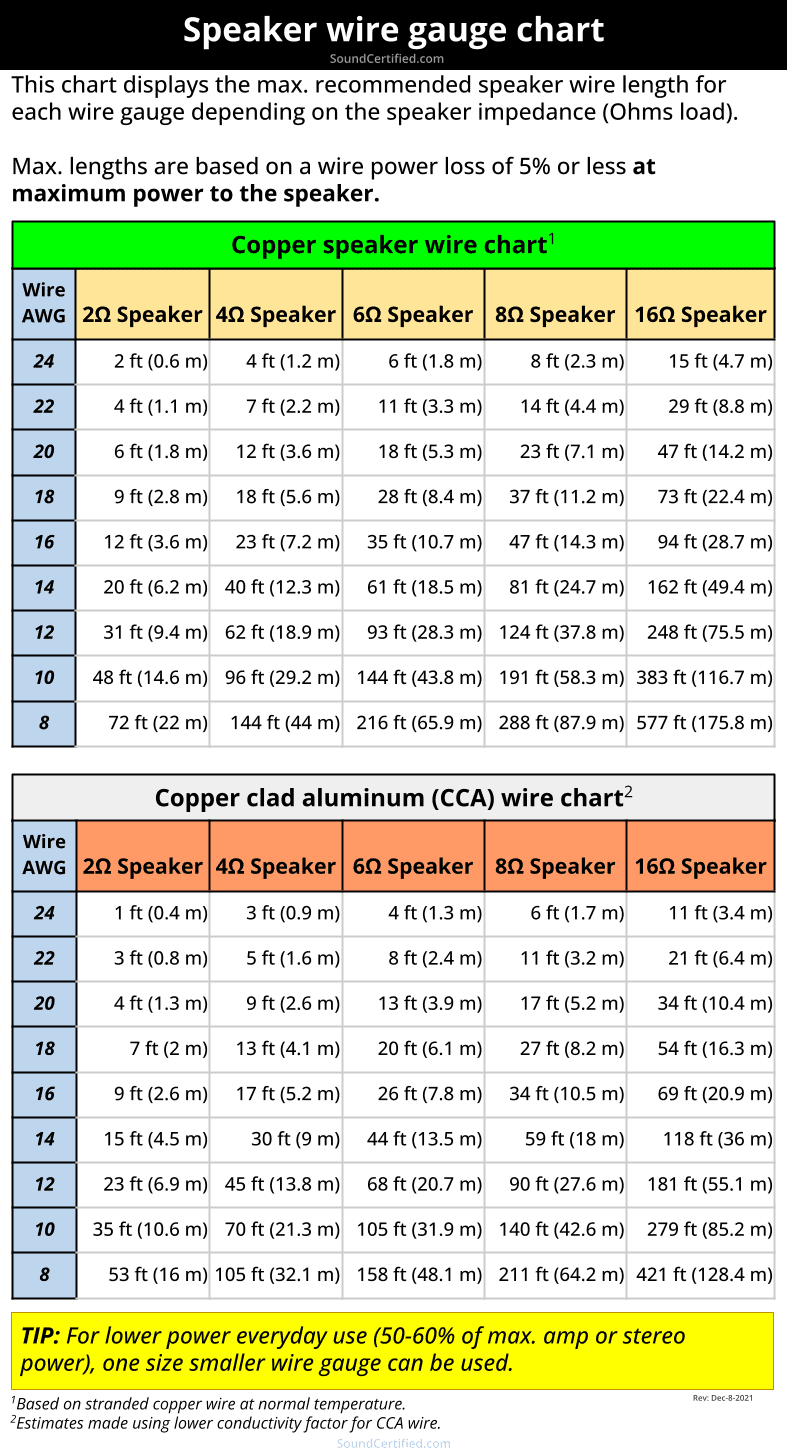
Translating the technical factors into practical recommendations simplifies the selection process. While specific calculations can be complex, general guidelines based on typical home theater configurations provide an excellent starting point. The goal is always to minimize resistance, typically aiming for less than 5% power loss, which ensures the speaker receives at least 95% of the amplifier’s power.
Short Runs (Under 25 Feet)
For distances from your amplifier to your speakers that are relatively short, the impact of wire resistance is minimal. This applies to most bookshelf speakers, desktop setups, or front speakers in a small to medium-sized room where the amplifier is located close by.
- 18 AWG: Suitable for very short runs (under 10 feet) with 8-ohm speakers and moderate power. It’s often found with compact satellite speakers.
- 16 AWG: A common and versatile choice for runs up to 25 feet with 8-ohm speakers. It’s often considered the minimum acceptable gauge for general home theater use. For 6-ohm speakers, 16 AWG is still acceptable for runs up to 15-20 feet. For 4-ohm speakers, it’s best to keep runs under 10-15 feet.
Medium Runs (25-50 Feet)
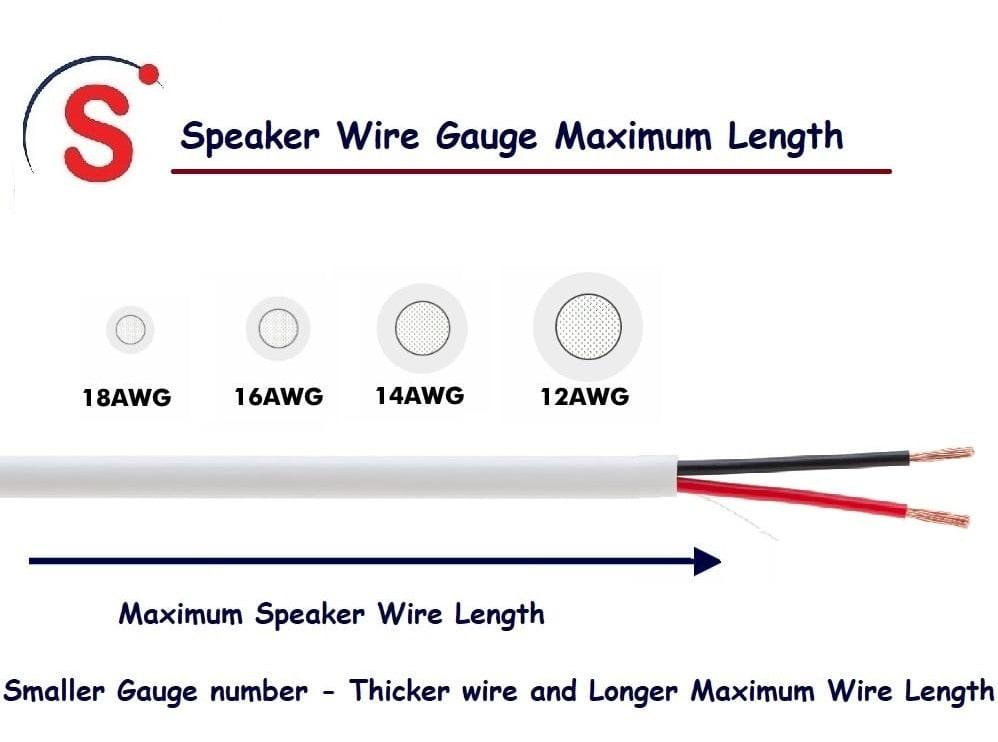
As the distance increases, the need for a thicker wire becomes more pronounced to prevent audible degradation. This category often applies to surround speakers in medium-sized rooms, or front speakers in larger rooms where the amplifier might be further away.
- 14 AWG: This is an excellent all-around choice for most home theater applications, particularly for runs between 25 and 50 feet with 8-ohm speakers. It provides a good balance of performance and flexibility. For 6-ohm speakers, 14 AWG is ideal for runs up to 30-40 feet. For 4-ohm speakers, it’s recommended for runs up to 20-25 feet.
- 12 AWG: For distances approaching 50 feet, especially with 6-ohm or 4-ohm speakers, 12 AWG offers superior performance. It ensures minimal power loss and maintains the amplifier’s damping factor, leading to tighter bass and improved clarity. It’s also a safe bet for any speaker if you’re unsure.
Long Runs (Over 50 Feet)
When speaker wire runs extend beyond 50 feet, such as for rear surround speakers in a large open-plan living space, or for multi-zone audio in a very large home, thicker wire is absolutely essential.
- 12 AWG: For 8-ohm speakers, 12 AWG can be stretched to about 75 feet with acceptable performance. For 6-ohm speakers, limit it to 50-60 feet. For 4-ohm speakers, 12 AWG is generally suitable for up to 35-40 feet.
- 10 AWG: This is the recommended gauge for most scenarios involving runs over 50 feet, especially with lower impedance (4 or 6 ohm) speakers. For 8-ohm speakers, 10 AWG can handle runs up to 100 feet or more. For 4-ohm speakers, it’s suitable for runs up to 60-75 feet. While bulkier and less flexible, the performance benefit on long runs is significant.
Considerations for High-End Systems and Subwoofers
- High-End Systems: If you have a high-end audio system with very sensitive speakers and a powerful amplifier, investing in a slightly thicker gauge than strictly necessary can provide an extra margin of safety and ensure optimal performance, particularly in terms of damping factor and transient response. Even if calculations suggest 14 AWG, opting for 12 AWG can offer peace of mind.
- Passive Subwoofers: For passive subwoofers (those powered by an external amplifier), the same gauge rules apply, but often with an emphasis on thicker wire. Subwoofers draw significant current, especially at high volumes, and benefit greatly from lower resistance. A 12 AWG or even 10 AWG wire is often recommended for passive subwoofers, even for shorter runs, to ensure powerful, controlled bass reproduction. Active subwoofers, which have their own built-in amplifiers, only require an RCA interconnect cable, not speaker wire.
When in doubt, it’s almost always better to choose a slightly thicker gauge than you think you might need. The cost difference is often negligible, especially compared to the investment in your main components, and the performance benefits can be noticeable.
Beyond Gauge: Other Important Speaker Wire Attributes
While selecting the correct wire gauge is paramount, a holistic approach to speaker wire choice involves considering several other attributes that impact performance, durability, and installation convenience. Focusing solely on gauge without acknowledging these factors can lead to suboptimal results or frustrating installation challenges.
Conductor Material (Copper vs. CCA)
The material from which the wire’s conductors are made is crucial for conductivity.
- Oxygen-Free Copper (OFC): This is the industry standard for quality speaker wire. OFC is copper that has been refined to remove nearly all oxygen, resulting in a purer material with superior electrical conductivity and enhanced resistance to corrosion over time. OFC wire offers the lowest resistance for a given gauge and is highly recommended for all home theater installations.
- Copper-Clad Aluminum (CCA): This is a cheaper alternative where an aluminum core is thinly coated with copper. While CCA is more affordable and lighter, aluminum has about 61% the conductivity of copper. This means that a CCA wire must be significantly thicker (e.g., a 12 AWG CCA wire might only offer the conductivity of a 14 AWG OFC wire) to achieve comparable electrical performance. While acceptable for very short runs and low-power applications, CCA is generally not recommended for home theater systems where audio fidelity is a priority, as it introduces higher resistance and can subtly degrade sound quality.
Always verify that your chosen speaker wire is 100% OFC for the best performance.
Jacket Material and Flexibility
The outer jacket of the speaker wire serves as insulation and protection for the conductors. Its material impacts the wire’s flexibility, durability, and suitability for different installation environments.
- PVC (Polyvinyl Chloride): A common and versatile jacket material. It offers good insulation and can be relatively flexible.
- CL2/CL3 Rated Jackets: For in-wall or in-ceiling installations, local electrical codes require wires with specific fire safety ratings, typically CL2 or CL3. These jackets are designed to be fire-resistant, reducing flame propagation. Always use appropriately rated wire for concealed installations to comply with safety regulations and insurance requirements.
- Flexibility: A more flexible jacket simplifies routing through walls, around corners, and behind furniture, making installation significantly easier. Stiff wire can be difficult to manage and may be more prone to kinking or damage during installation.
Connectors and Terminations (Bare Wire, Banana Plugs, Spade Connectors)
How the wire connects to your amplifier and speakers also impacts signal integrity and ease of use.
- Bare Wire: This is the most basic termination, where the stripped end of the wire is inserted directly into binding posts. While effective, bare wire can fray over time, potentially leading to short circuits if stray strands touch. It can also oxidize, increasing resistance.
- Banana Plugs: These are convenient, secure connectors that plug into binding posts. They offer a clean, robust connection, prevent fraying, and make it easy to connect and disconnect speakers. They are widely recommended for ease of use and reliability.
- Spade Connectors: These flat, U-shaped connectors slide over binding posts and are secured by tightening the post. They provide a very secure connection but are less convenient for frequent connection/disconnection than banana plugs.
- Pin Connectors: Similar to small bare wire, these are used for spring clip terminals, often found on smaller or older budget receivers/speakers. They are designed to fit into narrow openings.
Regardless of the connector type, ensuring a tight, corrosion-free connection is vital. Loose connections are a common cause of poor sound quality.
The Myth of “Audiophile” Wire and Diminishing Returns
While selecting the correct gauge and OFC material is important, it’s crucial to approach the topic of speaker wire with a sense of perspective. The market is saturated with “audiophile” grade wires that claim extraordinary sonic improvements at exorbitant prices.
- Diminishing Returns: For most home theater systems, once you’ve chosen the appropriate OFC gauge for your distance and speaker impedance, the audible improvements from progressively more expensive wires (e.g., those costing hundreds or thousands of dollars for a few feet) become extremely marginal, if not entirely imperceptible.
- Marketing vs. Science: Many claims made by high-end cable manufacturers are not supported by scientific evidence or blind listening tests. Physics dictates that beyond a certain point of electrical conductivity and signal integrity, further “enhancements” are largely psychological.
- Prioritize Components: Your budget is almost always better spent on higher-quality speakers, a more capable amplifier, or better room acoustics than on excessively priced speaker wire.
Focus on fundamental electrical principles: appropriate gauge, quality OFC copper, and secure connections. This approach will deliver excellent performance without falling prey to marketing hype.
Installation Best Practices and Troubleshooting
Even with the correct wire gauge, proper installation techniques are essential for optimal performance and system longevity. Careful planning and execution can prevent common issues and ensure your home theater delivers the best possible audio experience.
Proper Routing and Cable Management
Thoughtful cable routing not only improves aesthetics but also plays a role in signal integrity.
- Minimize Length: Always use the shortest practical cable runs. While you should account for future rearrangements, excessive slack only adds to resistance and clutter.
- Avoid Electrical Interference: Run speaker wires away from power cables, electrical outlets, and high-voltage appliances (e.g., refrigerators, microwaves) where possible. AC power cables can induce noise into speaker wires, manifesting as hum or buzz. If crossing is unavoidable, do so at a 90-degree angle to minimize interference.
- Separate Audio and Power: Ideally, keep audio cables and power cables routed in separate bundles or channels, maintaining as much distance as practical.
- Secure Cables: Use cable ties, clips, or raceways to secure speaker wires, especially for in-wall or in-ceiling installations. This prevents accidental damage, reduces tripping hazards, and keeps your setup tidy. For in-wall runs, ensure you use CL2 or CL3 rated wire as per fire safety codes.
- Labeling: Labeling both ends of each speaker wire (e.g., “Front Left,” “Center,” “Surround Right”) before installation is invaluable for setup, troubleshooting, and future modifications.
Ensuring Secure Connections
Loose or poorly made connections are a leading cause of signal degradation and frustrating intermittent issues.
- Strip Neatly: When using bare wire or preparing for connectors, strip just enough insulation (typically 1/2 to 3/4 inch) to make a secure connection without exposing excess copper. Overly long stripped wire can short out.
- Twist Strands Tightly: If using bare wire, twist the exposed copper strands tightly together before insertion to prevent fraying and ensure maximum contact.
- Tighten Securely: Whether using bare wire, banana plugs, or spade connectors, ensure the binding posts on your amplifier and speakers are tightened firmly but not excessively. Overtightening can damage the binding post or the wire itself.
- Inspect Regularly: Periodically check connections for tightness and signs of corrosion, especially in humid environments.
Testing Your Setup
After installation, thoroughly test your home theater system to confirm everything is working correctly.
- Channel Check: Use a test disc or a receiver’s built-in test tone generator to verify that each speaker is playing from the correct channel (e.g., front left sound coming from the front left speaker).
- Phase Check: Ensure all speakers are wired in phase. If a speaker is wired out of phase (positive connected to negative and vice-versa), its sound waves will cancel out those from other speakers, leading to thin bass and a lack of soundstage definition. Many test discs include phase checks, or you can temporarily reverse the polarity on one speaker to hear if the bass improves or worsens. If it improves, that speaker was out of phase.
- Listen Critically: Play a variety of music and movie content at different volume levels. Listen for any unexpected hums, buzzing, crackling, or channel dropouts.
Common Issues and Solutions
- No Sound from a Speaker:
- Solution: Check the amplifier’s channel assignment, ensure the wire is securely connected at both the amplifier and speaker ends, and verify the speaker itself is functioning (swap with a known working speaker if possible).
- Distorted or Weak Sound:
- Solution: Confirm proper wire gauge for the distance and impedance. Check for loose connections or frayed wires. Ensure correct polarity (in-phase wiring).
- Hum or Buzz:
- Solution: This often indicates electrical interference. Reroute speaker wires away from power cables and other electronics. Check for faulty ground connections in your equipment.
- Intermittent Sound:
- Solution: This typically points to a loose or corroded connection, or a damaged wire. Inspect and re-terminate connections, and check the wire for any kinks or breaks.
By paying attention to these best practices, you can ensure your chosen speaker wire gauge performs optimally, delivering a reliable and high-fidelity audio experience for years to come.
aViewFromTheCave is a participant in the Amazon Services LLC Associates Program, an affiliate advertising program designed to provide a means for sites to earn advertising fees by advertising and linking to Amazon.com. Amazon, the Amazon logo, AmazonSupply, and the AmazonSupply logo are trademarks of Amazon.com, Inc. or its affiliates. As an Amazon Associate we earn affiliate commissions from qualifying purchases.