
When investing in a new roof, especially one as durable and long-lasting as metal, understanding the nuances of the material is paramount. Among the most critical specifications is the “gauge” of the metal roofing. While often discussed in technical terms, the choice of gauge is fundamentally a financial decision, impacting everything from initial capital outlay to long-term operational costs, property value, and even insurance premiums. For homeowners, real estate investors, and business owners alike, deciphering the financial implications of metal roofing gauge is key to making a truly sound investment.
The Core Question: Understanding Gauge and Its Financial Weight
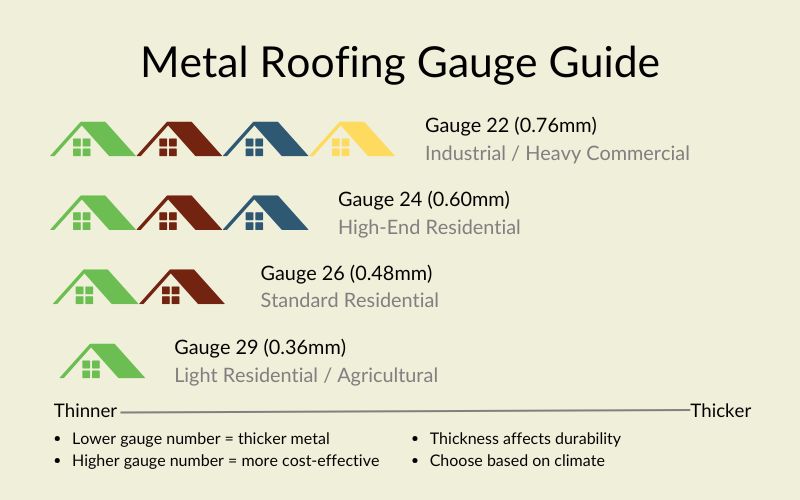
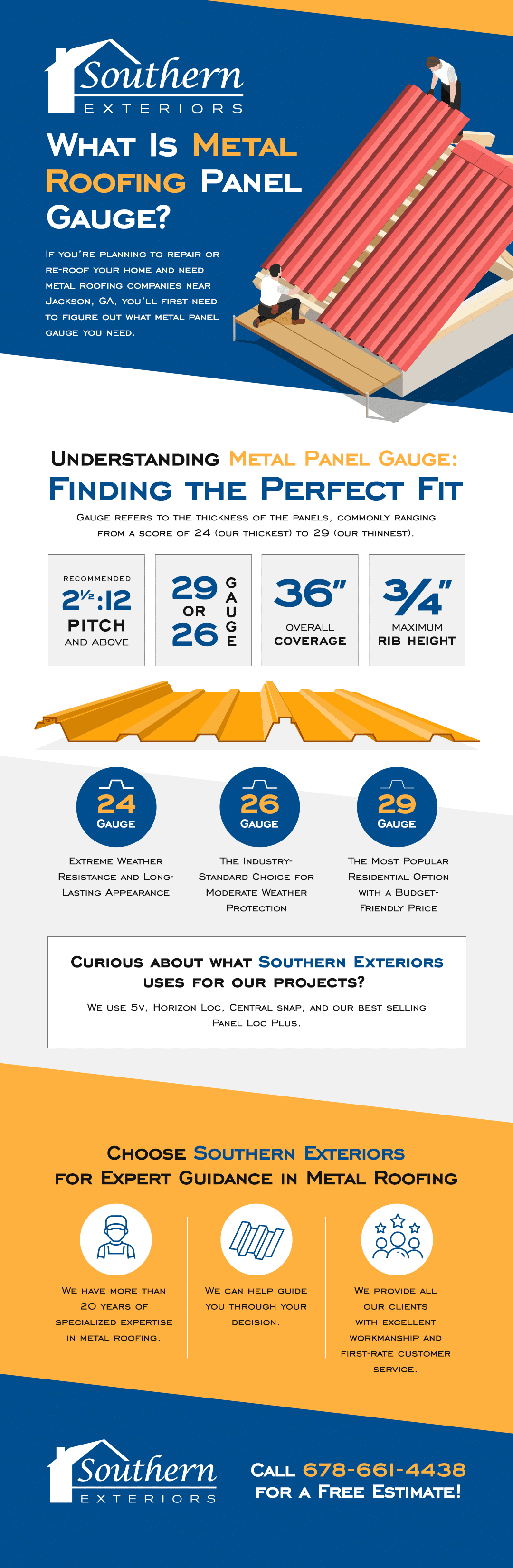
The term “gauge” refers to the thickness of the metal sheet used for roofing. Counterintuitively, a lower gauge number indicates a thicker piece of metal. For instance, 24-gauge metal is thicker than 29-gauge metal. Common gauges for residential and light commercial metal roofing typically range from 29-gauge (thinner, more economical) to 24-gauge (thicker, more robust). Heavier industrial applications might even use 22-gauge or lower. This seemingly simple metric holds significant financial weight, influencing cost, performance, and durability over the lifespan of the roof.
What is “Gauge” in Metal Roofing? Decoding the Numbers
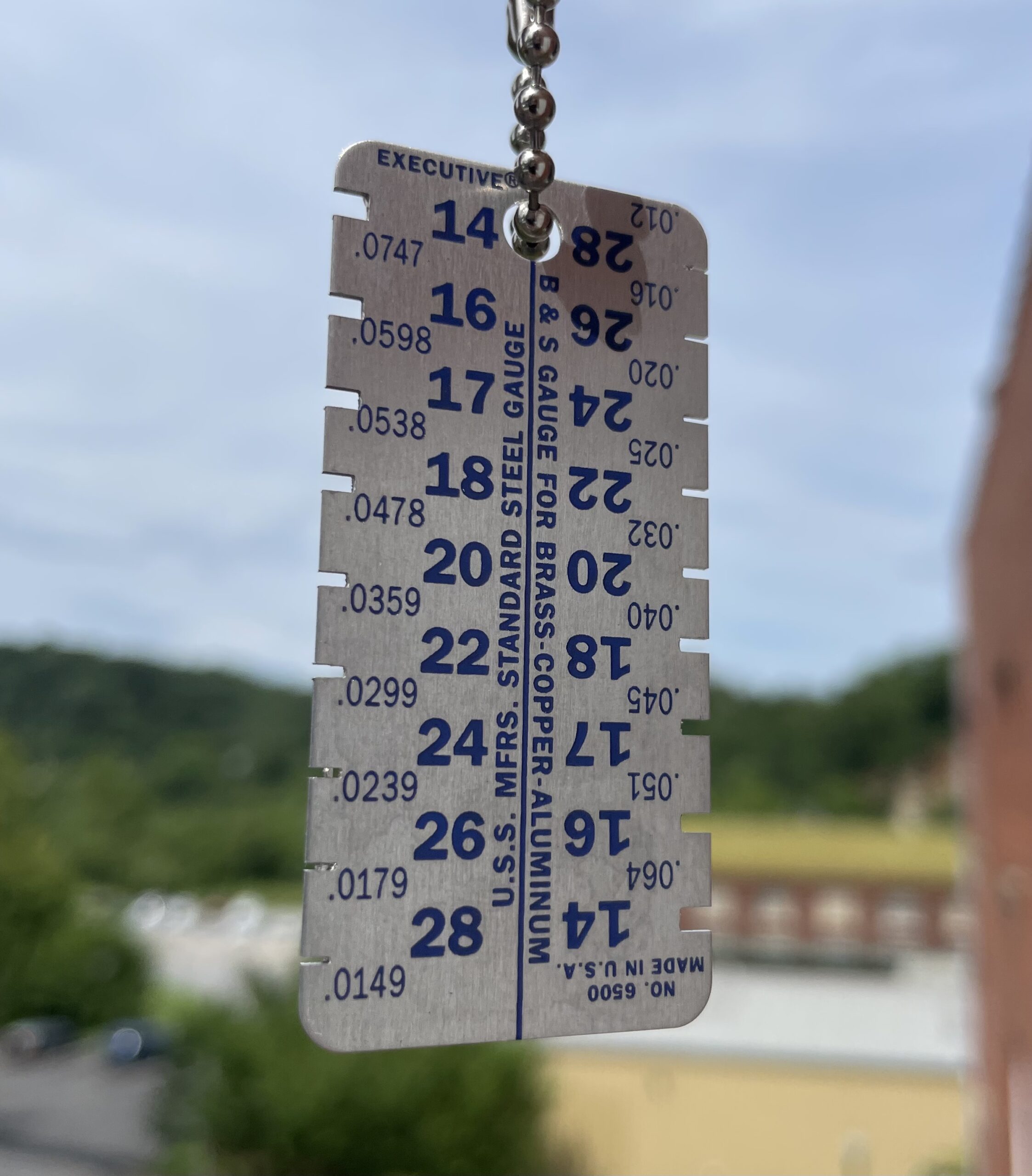
Gauge is a standardized measurement system, primarily for sheet metal, indicating its thickness. For steel and other ferrous metals used in roofing, the specific thickness associated with each gauge number is well-defined. For example, 29-gauge steel might be around 0.0157 inches thick, while 24-gauge steel would be approximately 0.0239 inches thick. This difference, though measured in fractions of an inch, translates into substantial variations in the metal’s strength, rigidity, and weight. Thicker metal (lower gauge) naturally requires more raw material and often more robust manufacturing processes, contributing to a higher unit cost. However, this higher upfront investment frequently pays dividends in the form of enhanced performance and extended longevity, directly impacting the roof’s overall financial lifecycle. Understanding this inverse relationship between gauge number and material thickness is the first step in evaluating its financial implications for your roofing project.
Initial Cost vs. Long-Term Value: The Gauge Dilemma
The most immediate financial impact of gauge selection is the upfront cost. Thicker gauge metal roofing materials (e.g., 24-gauge) are inherently more expensive per square foot than thinner options (e.g., 29-gauge). This can represent a significant difference in the total project budget, especially for larger roofs. For a homeowner or business owner on a tight budget, opting for a higher gauge number might seem like the most financially prudent choice.
However, a savvy financial decision extends beyond the initial purchase price. The long-term value, encompassing durability, maintenance, energy efficiency, and potential resale value, often outweighs the initial savings derived from choosing a thinner gauge. A thicker roof, while more expensive to install, often provides superior performance, leading to lower repair costs, fewer replacements, and potentially even lower energy bills over its operational lifespan. This trade-off between immediate expenditure and future financial benefits is the core of the gauge dilemma, requiring a comprehensive financial analysis that considers the total cost of ownership rather than just the purchase price.
Investment in Durability: How Gauge Impacts Longevity and Maintenance Costs
A roof is a long-term asset, and its durability directly correlates with its financial return. The gauge of metal roofing plays a crucial role in determining its resilience against environmental stressors, directly influencing the frequency and cost of maintenance and, ultimately, its lifespan.
Thicker Gauge, Stronger Protection: Weather Resistance and Impact
Thicker gauge metal roofs offer superior resistance to various forms of wear and tear. They are significantly more rigid and less prone to denting from hail, falling branches, or accidental impacts during maintenance. This enhanced structural integrity also contributes to better performance against wind uplift, a critical factor in regions prone to severe storms. While all metal roofs are inherently durable, a thicker gauge provides an additional layer of protection, reducing the likelihood of physical damage that could necessitate expensive repairs or even premature replacement. For properties in areas with extreme weather conditions, investing in a lower gauge (thicker) metal roof acts as an insurance policy against weather-related financial losses. The minimal flexibility of a thicker panel also means less oil canning (visible waviness in the flat area of the panel) which, while aesthetic, can sometimes be misinterpreted as a structural flaw impacting perceived property value.
Reducing Future Outlays: Maintenance and Repair Savings
The primary financial benefit of a more durable, thicker gauge roof is the reduction in long-term maintenance and repair costs. A thinner gauge roof, being more susceptible to minor damage, might require more frequent inspections and minor repairs over its lifespan. While individual repairs might seem inexpensive, these cumulative costs can add up significantly over several decades.
Furthermore, premature failure of a thinner gauge roof due to cumulative damage could necessitate a full roof replacement much earlier than anticipated. A typical metal roof is expected to last 40-70 years, but this lifespan can be curtailed if the material is too thin for the environmental stressors it faces. Replacing a roof is a substantial capital expenditure, and deferring this cost by extending the roof’s life through the initial investment in a thicker gauge can represent hundreds of thousands of dollars in savings over the long run, especially for commercial properties or large residential estates. This makes the initial higher cost of thicker gauge material a strategic financial move, minimizing future liabilities and ensuring a more predictable cash flow for property owners.
Energy Efficiency and Operational Savings: The Gauge Connection
While the metal material itself is the primary driver of a metal roof’s energy efficiency benefits, the gauge can indirectly contribute to overall operational savings, particularly through its influence on a property’s thermal performance and eligibility for financial incentives.
Insulation and Thermal Performance: Gauge’s Indirect Role
Metal roofs are renowned for their energy efficiency due to their reflective properties, which can significantly reduce heat absorption from the sun, lowering cooling costs in warmer climates. They can also be installed with a ventilation system beneath, creating an air barrier that enhances insulation. While the gauge doesn’t directly alter the material’s reflective qualities, a thicker, more robust metal roof might contribute to a more stable and consistent thermal envelope. In some cases, the enhanced rigidity of a lower gauge metal allows for better installation integrity over insulation materials, reducing thermal bridging or gaps that could compromise energy performance.
Moreover, the longer lifespan associated with a thicker gauge means sustained energy savings over a greater period. If a thinner roof fails prematurely, the energy-efficient benefits are cut short, and a new investment (with its associated costs and disruption) would be required to regain those savings. From a financial planning perspective, maximizing the duration of energy savings is a key consideration when selecting roof materials.
Rebates, Incentives, and Property Value Enhancement
Investing in high-quality, durable building materials like lower-gauge metal roofing can sometimes qualify property owners for various financial incentives. While rebates are often tied to the “cool roof” properties (reflectivity and emissivity) of the specific coating rather than the gauge itself, some energy efficiency programs or certifications might indirectly favor more robust, long-lasting installations. For commercial properties, demonstrating a commitment to long-term sustainability through durable materials can enhance a company’s brand image and potentially attract environmentally conscious tenants or customers.
Beyond direct savings, the choice of a high-quality, thicker gauge metal roof can significantly enhance a property’s market value. A new, robust, and aesthetically pleasing metal roof is a major selling point, signaling to potential buyers or tenants that the property has been well-maintained and is a sound investment. The promise of decades of worry-free roofing, coupled with potential energy savings, can justify a higher asking price, providing a tangible return on the initial investment in a superior gauge. This makes the selection of gauge not just an operational cost consideration, but a strategic move in real estate asset management.
Insurance, Resale Value, and Business Finance Considerations
For homeowners and especially business entities, the selection of metal roofing gauge extends its financial influence into insurance implications, market valuation, and broader business financial strategies.
Impact on Insurance Premiums and Claims
Insurance companies assess risk, and a more resilient roof directly translates to lower risk of damage from perils like hail, wind, and fire. While not universally applied, some insurers may offer reduced premiums for properties outfitted with impact-resistant roofing materials, which often includes thicker gauge metal. More commonly, the choice of a durable, lower-gauge metal roof significantly reduces the likelihood of filing a claim for roof damage. Each claim can impact future premiums, deductible payouts, and the overall insurability of a property. By investing in a roof that withstands typical environmental stresses better, property owners effectively reduce their long-term insurance expenditures and maintain a cleaner claims history, which is a clear financial advantage. In the event of catastrophic weather, a thicker gauge roof may suffer less damage or none at all, saving the property owner the deductible and the hassle of claims processing.
Boosting Property Value and Saleability
A metal roof is a significant upgrade, offering superior longevity and performance compared to traditional asphalt shingles. When that metal roof is of a thicker, more durable gauge, it becomes an even more attractive feature to prospective buyers or commercial tenants. Appraisers often factor in the condition and expected lifespan of major components like the roof when determining a property’s value. A high-quality metal roof with decades of life remaining can command a higher valuation and improve saleability.
For residential properties, a metal roof can be a standout feature in a competitive market, reducing buyer concerns about immediate maintenance or replacement costs. For commercial real estate, a robust metal roof translates to lower operating expenses for tenants and a more reliable asset for landlords, justifying higher rental rates or a stronger selling price. This tangible enhancement to an asset’s worth makes the initial investment in a better gauge a strategic financial decision for asset appreciation.
Strategic Spending for Commercial and Rental Properties
For businesses or real estate investors managing a portfolio of properties, the decision regarding metal roofing gauge is a critical element of business finance. Capital expenditure on roofing must be weighed against projected returns, operational stability, and risk mitigation. Opting for a thicker gauge, despite the higher initial cost, aligns with a strategy of minimizing long-term total cost of ownership (TCO) and maximizing asset value.
In a commercial context, a roof failure can lead to business interruption, inventory damage, and significant unbudgeted repair costs. A more resilient roof reduces these risks, contributing to business continuity and financial predictability. Furthermore, for rental properties, a durable roof minimizes tenant complaints related to leaks or damage, reducing vacancy rates and protecting rental income. The upfront investment in quality metal roofing gauge is a strategic allocation of capital that supports sustained profitability and reduces financial exposure over the life of the asset.
Making the Smart Financial Choice: A Decision Framework
Choosing the right metal roofing gauge is not a one-size-fits-all decision; it requires a tailored financial analysis that considers the specific context of the property, budget, and long-term financial goals.
Weighing Upfront Investment Against Lifecycle Costs
The primary financial consideration is balancing the immediate budget constraints with the projected lifecycle costs. While a thinner gauge might fit a tighter upfront budget, it’s crucial to perform a thorough total cost of ownership (TCO) analysis. This involves estimating not just the installation cost but also anticipated maintenance, potential repair costs due to damage, energy savings, and the expected lifespan. A higher upfront investment in a thicker gauge that lasts significantly longer and requires less maintenance can often result in a lower TCO over 40-70 years, representing a superior financial return. Property owners should model different gauge scenarios to visualize the cash flow implications over several decades.
Consulting with Financial Advisors and Contractors
Making an informed decision on metal roofing gauge benefits greatly from expert consultation. Reputable roofing contractors can provide detailed quotes for various gauges, outlining material differences, installation complexities, and local considerations like typical weather patterns. This practical insight into construction costs and performance is invaluable. Equally important is consulting with a financial advisor or an accountant, especially for larger investments or business properties. They can help analyze the long-term financial implications, including depreciation schedules, tax benefits, insurance premium adjustments, and the overall impact on property valuation and investment returns. This holistic approach ensures that the decision is not just technically sound but also financially optimized.
The ROI of Quality: When Thicker is Truly Cheaper
Ultimately, the choice of metal roofing gauge boils down to the return on investment (ROI). For many property owners, particularly those planning to own the property for an extended period, investing in a thicker, lower-gauge metal roof often proves to be “cheaper” in the long run. The higher initial cost is amortized over a longer lifespan with fewer interruptions, reduced maintenance expenditures, sustained energy savings, and enhanced property value. This makes the thicker gauge a robust asset that protects and grows equity, rather than just a necessary expense. Understanding this ROI perspective transforms the decision from a simple cost comparison into a strategic financial investment in the longevity, efficiency, and value of the property.
aViewFromTheCave is a participant in the Amazon Services LLC Associates Program, an affiliate advertising program designed to provide a means for sites to earn advertising fees by advertising and linking to Amazon.com. Amazon, the Amazon logo, AmazonSupply, and the AmazonSupply logo are trademarks of Amazon.com, Inc. or its affiliates. As an Amazon Associate we earn affiliate commissions from qualifying purchases.