
For residents of Northern Virginia, understanding your agricultural hardiness zone is not merely an academic exercise; it’s a fundamental key to horticultural success and, by extension, prudent financial management of your outdoor spaces. The USDA Plant Hardiness Zone Map, the universally recognized standard, divides North America into zones based on average annual minimum winter temperatures. For Northern Virginia, this knowledge directly translates into smarter planting decisions, reduced waste, and ultimately, a more financially rewarding and aesthetically pleasing garden. This exploration will delve into the specific zones encompassing Northern Virginia, the financial implications of understanding these zones, strategic planning for optimal returns on your gardening investments, and how leveraging technology can further refine your approach to maximize your horticultural budget.

Northern Virginia’s Horticultural Landscape: Identifying Your Zone
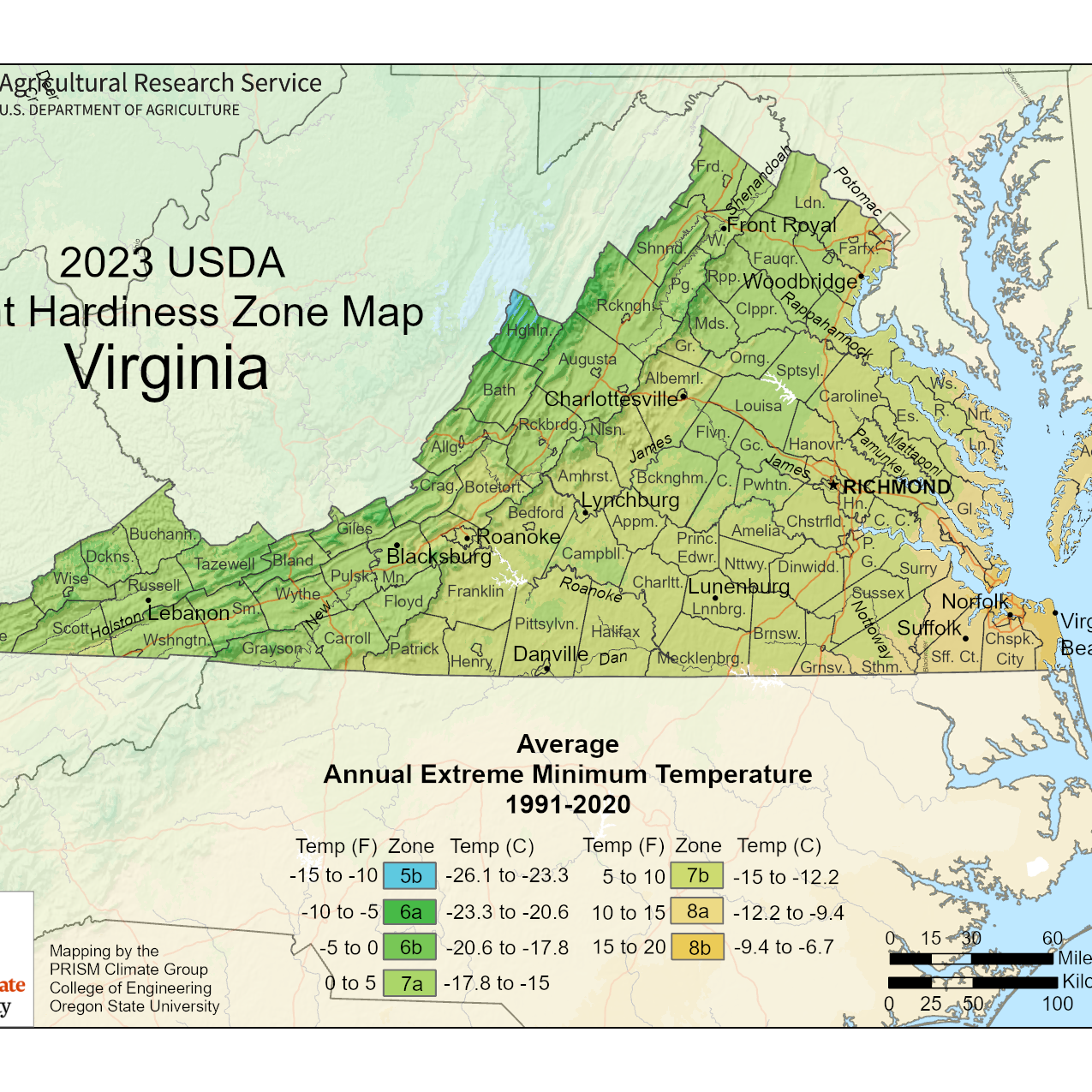
Northern Virginia, a region characterized by its diverse topography ranging from the Appalachian foothills to the coastal plain, spans several USDA Hardiness Zones. While precise microclimates exist, the majority of the region falls within a predictable range. Accurately pinpointing your specific zone is the first, and arguably most critical, step in any successful gardening endeavor, especially when considering the financial resources dedicated to it.
Defining the USDA Plant Hardiness Zones
The USDA map is crucial because it provides a standardized method for gardeners and landscapers to determine which perennial plants are most likely to survive the winter in a given location. Each zone is a 10°F (5.6°C) difference in average annual minimum winter temperature from the next. For example, Zone 6 has an average annual minimum temperature between -10°F and 0°F (-23.3°C and -17.8°C), while Zone 7 has an average between 0°F and 10°F (-17.8°C and -12.2°C).
Navigating Northern Virginia’s Zones
The majority of Northern Virginia, including populous areas like Fairfax, Arlington, Loudoun, Prince William, and Stafford counties, typically falls within USDA Hardiness Zone 7a and 7b. However, areas further west towards the Blue Ridge Mountains may dip into Zone 6b, and some very sheltered or urban heat island-affected areas might lean towards Zone 8a.
- Zone 7a: This zone experiences average annual minimum winter temperatures between 0°F and 5°F (-17.8°C and -15°C). Plants rated for Zone 7a are expected to withstand these temperatures.
- Zone 7b: This zone has average annual minimum winter temperatures between 5°F and 10°F (-15°C and -12.2°C). Plants rated for Zone 7b have slightly less cold tolerance than those for 7a.
The distinction between 7a and 7b, while seemingly small, can be significant. A plant hardy to Zone 7b might struggle or not survive in the colder end of Zone 7a, and vice-versa for very cold-sensitive plants. Incorrectly assuming your zone can lead to a season’s worth of plant purchases being lost to winter kill, representing a direct financial setback.
The Importance of Microclimates and Local Observations
While the USDA map offers a broad guideline, local conditions can create significant variations. Factors such as elevation, proximity to water bodies, exposure to wind, and the presence of urban heat islands can all influence the effective hardiness zone of a specific garden. For instance, a garden on a cold, windswept hilltop in Zone 6b might experience colder actual temperatures than a sheltered backyard in a lower elevation area that effectively functions closer to Zone 7b. Similarly, buildings and paved surfaces in urban areas can radiate heat, creating warmer microclimates that allow for a slightly wider selection of plants. Observing what thrives in your immediate neighborhood, paying attention to mature, well-established plants, can offer invaluable insights beyond the generalized map. This local observation is a form of free market research for your specific horticultural investment.
The Financial Calculus of Gardening Zones: Minimizing Risk, Maximizing Return
Understanding your hardiness zone is intrinsically linked to sound financial planning for your gardening endeavors. The upfront cost of plants, soil amendments, fertilizers, and landscaping materials represents a significant investment. Making informed decisions based on your zone directly influences the longevity and success of these investments, thereby controlling costs and maximizing the return on your horticultural capital.
Reducing Plant Loss and Replacement Costs
The most immediate financial benefit of knowing your zone is the drastic reduction in plant loss due to winterkill. Purchasing plants that are not suited to your zone’s minimum temperatures is akin to investing in stocks that are guaranteed to underperform. Perennial plants, which are intended to return year after year, are particularly susceptible to this. Investing in perennials rated for your specific zone ensures a higher probability of survival, meaning you won’t have to incur the cost of replacing them each spring. This saves not only the price of the plant but also the cost of soil preparation and planting time. For a garden with numerous perennial beds, this can amount to hundreds or even thousands of dollars saved annually.
Optimizing Plant Selection for Long-Term Value
Beyond mere survival, selecting plants appropriate for your zone ensures they will thrive and reach their full aesthetic and functional potential. A plant that is stressed by suboptimal conditions may never look its best, produce flowers, or yield fruit. This diminishes the return on your investment in terms of beauty, enjoyment, or even edibles. Conversely, a well-chosen plant, perfectly suited to its environment, will grow vigorously, require less intervention (and therefore less expenditure on treatments), and provide a greater return in terms of visual appeal, habitat for wildlife, or produce. This is about choosing long-term value over the allure of a plant that may look appealing but is ultimately a poor investment for your location.
Strategic Investment in Soil and Amendments
The health of your soil is the foundation of a successful garden, and understanding your zone can influence the types of soil amendments you invest in. For instance, certain regions might naturally have clay-heavy soils, which can be improved with organic matter. Knowing your zone helps predict which plants will best tolerate or even benefit from these conditions, allowing you to tailor your soil amendments to support those specific plants. Investing in compost, well-rotted manure, or other soil conditioners becomes a strategic move when you know exactly what your plants need to thrive in your local climate, rather than a scattergun approach that might yield less effective results.
Seasonal Planning and Budget Allocation
Knowing your hardiness zone provides a framework for strategic seasonal planning and budget allocation. You can plan your purchases in advance, taking advantage of early bird sales or end-of-season discounts for plants suitable for your zone. This allows for more controlled spending throughout the year, rather than impulse purchases that may not be well-suited. For example, if you know your Zone 7b garden benefits from drought-tolerant perennials that establish best in fall, you can allocate a portion of your budget towards these purchases in the autumn, when nurseries often have sales. This proactive financial approach minimizes the risk of overspending or being caught without the right plants at the right time.
Strategic Planning: Designing for Zone 7a/7b Success
With Northern Virginia predominantly falling within Zone 7a and 7b, a strategic approach to garden design and plant selection can yield significant financial benefits. This involves not only choosing the right plants but also planning for their long-term care and how they contribute to the overall value and appeal of your property.
Selecting Cold-Hardy Perennials as Your Foundation
Perennial plants are the backbone of a sustainable and cost-effective garden. Investing in perennials rated for Zone 7a and 7b means they are likely to survive your winters and return year after year, reducing the need for annual replacements. When selecting perennials, consider their mature size, sunlight requirements, and water needs to ensure they are a good fit for specific areas of your garden.
- Low-Maintenance Options: Prioritize perennials known for their resilience and low maintenance needs within Zone 7. Examples include Hosta, Daylilies (Hemerocallis), Coneflowers (Echinacea), Black-Eyed Susans (Rudbeckia), and Ornamental Grasses like Maiden Grass (Miscanthus). These plants, once established, require minimal intervention, saving you money on labor and inputs.
- Drought-Tolerant Choices: Given potential dry spells, selecting drought-tolerant perennials can significantly reduce water bills. Sedum, Lavender, Yarrow (Achillea), and some varieties of Salvia are excellent choices that thrive in well-drained soil and can withstand periods of low water, especially once mature. This is a direct saving on water usage, a tangible financial benefit.
- Native Plants: Incorporating native plants is often a financially savvy decision. Native species are naturally adapted to the local climate and soil conditions, meaning they require less supplemental watering, fertilization, and pest control. They also provide crucial habitat and food for local wildlife, adding ecological value to your property. Many native plants for Zone 7, such as Serviceberry (Amelanchier), Redbud (Cercis), and various wildflowers, are robust and beautiful additions.
Strategic Use of Annuals and Seasonable Color
While perennials provide long-term value, annuals offer immediate, vibrant color and can be strategically used to fill gaps or provide seasonal interest. The key to financial efficiency with annuals is to select varieties that perform well in your zone’s conditions and to consider their bloom time.
- Maximizing Bloom Time: Choose annuals that bloom throughout the growing season or those that can be replanted in successive waves. This provides continuous color and enjoyment from spring through fall without needing to replant the entire garden multiple times.
- Cost-Effective Sourcing: Look for sales on annuals in late spring or early summer. Buying in bulk can also offer savings. Consider growing some annuals from seed, which is significantly cheaper than purchasing transplants, though it requires more time and effort.
- Edible Annuals: Integrate edible annuals like tomatoes, peppers, and herbs. These provide both aesthetic appeal and a tangible return in the form of fresh produce, offsetting grocery costs. Selecting varieties known to perform well in Zone 7’s climate ensures a better harvest.
Planning for Winter Interest and Reduced Spring Expenses
A well-planned garden doesn’t stop providing value when the temperatures drop. Incorporating plants with winter interest can extend the aesthetic appeal of your landscape and reduce the feeling of a dormant, unproductive space.
- Evergreens and Conifers: A strategic placement of evergreen shrubs and conifers provides year-round structure and color, reducing the visual impact of winter. These investments offer long-term value and require minimal upkeep once established.
- Plants with Persistent Fruit or Seed Heads: Many perennials, like Sedum, Echinacea, and Ornamental Grasses, retain attractive seed heads that provide visual interest and food for birds throughout the winter. This ecological benefit adds value without additional cost.
- Early Spring Bloomers: Bulbs like tulips, daffodils, and crocuses, planted in the fall, offer a burst of color as soon as the weather permits. While an initial investment, they reliably return each year, providing an early visual reward and a sense of horticultural progress without requiring additional spring spending.
Leveraging Technology for Smarter Horticultural Investments
In today’s digital age, technology offers powerful tools to enhance gardening knowledge, optimize resource allocation, and ensure your horticultural investments are as effective and efficient as possible. For residents of Northern Virginia navigating Zone 7a/7b, these tools can translate directly into financial savings and improved garden outcomes.
Utilizing Digital Zone Finders and Plant Databases
Accurate zone identification is paramount, and digital resources make this easier than ever. Many websites, including the USDA’s official Agricultural Research Service site, offer interactive maps where you can enter your ZIP code to pinpoint your exact hardiness zone. Beyond just identifying the zone, comprehensive plant databases are invaluable. These platforms allow you to search for plants based on your zone, light requirements, soil type, and even desired characteristics like drought tolerance or deer resistance. This pre-screening process dramatically reduces the likelihood of purchasing unsuitable plants, preventing costly failures.
- Zone-Specific Plant Recommendations: Many gardening apps and websites provide curated lists of plants that perform well in Zone 7. This curated advice saves you time researching and helps you discover varieties you might not have found otherwise.
- Advanced Search Filters: Utilize advanced search functions to filter plants by a multitude of criteria. If you have a specific budget for water usage, for example, you can filter for drought-tolerant species, directly impacting your utility bills.
Smart Irrigation and Soil Monitoring Tools
Water is a precious resource and a significant component of gardening expenses. Smart irrigation systems can revolutionize how you water your garden, ensuring plants receive the optimal amount of water without waste.
- Automated Watering Systems: These systems can be programmed based on plant type, soil moisture levels, and local weather forecasts. Many connect to Wi-Fi, allowing for remote monitoring and adjustments via smartphone apps. This precision watering prevents overwatering (which can lead to root rot and fungal diseases, requiring costly treatments) and underwatering (which stresses plants and can lead to death).
- Soil Moisture Sensors: Inexpensive soil moisture sensors can be placed throughout your garden beds. These provide real-time data on soil hydration, allowing you to water only when and where it’s needed. This prevents unnecessary water usage and ensures plant health, a direct financial benefit.
- Fertilizer Calculators and Apps: While not strictly zone-dependent, many apps can help you calculate the correct fertilizer ratios for your specific plants and soil conditions. This prevents over-fertilization, which can damage plants and lead to wasted product, and ensures optimal nutrient uptake for healthier growth.

Financial Planning Apps and Garden Management Software
For the serious gardener, specialized software can assist with budgeting, inventory management, and long-term garden planning, all of which have financial implications.
- Budget Tracking: Use apps to log all gardening expenses, from seeds and tools to amendments and decorative elements. This provides a clear overview of your spending and helps you identify areas where you might be overspending or where you can optimize your budget for the following year.
- Plant Inventory and Care Schedules: Digital inventory tools allow you to track what you have planted, where it is located, and its specific care needs. This prevents duplicate purchases and ensures timely maintenance, such as pruning or pest management, which can prevent more significant problems and costs down the line.
- Return on Investment (ROI) Tracking: For edible gardens, consider tracking the yield and estimating the value of the produce harvested. This helps quantify the financial return on your gardening investment. Similarly, for landscaping, consider how well-maintained and zone-appropriate plants contribute to property value over time.
By embracing these technological advancements, Northern Virginia gardeners can move beyond guesswork and make data-driven decisions, transforming their yards into both beautiful and financially sound investments. Understanding your hardiness zone is the foundational step, but leveraging technology amplifies the potential for success and cost-efficiency, ensuring your green thumb also translates into a savvy financial approach to horticulture.
aViewFromTheCave is a participant in the Amazon Services LLC Associates Program, an affiliate advertising program designed to provide a means for sites to earn advertising fees by advertising and linking to Amazon.com. Amazon, the Amazon logo, AmazonSupply, and the AmazonSupply logo are trademarks of Amazon.com, Inc. or its affiliates. As an Amazon Associate we earn affiliate commissions from qualifying purchases.