
In the landscape of wearable technology, few innovations have achieved the seamless integration and ubiquity of the contact lens. While the tech world often looks toward the future of augmented reality (AR) and smart-glass interfaces, the foundation of this progress lies in the sophisticated engineering of what we call “conventional contact lenses.” To understand these devices is to explore a century of breakthroughs in polymer chemistry, precision manufacturing, and fluid dynamics.
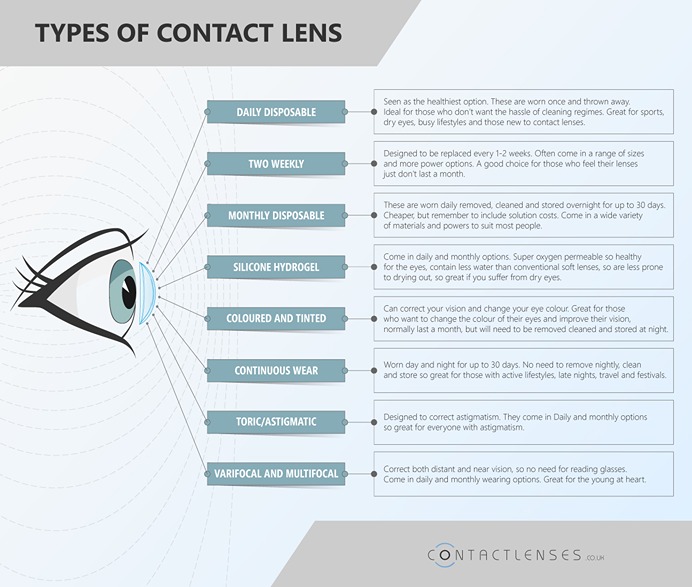
Conventionally, the term refers to lenses designed for long-term use—typically ranging from six months to a year—before replacement. Unlike the high-turnover daily disposables that dominate the consumer market today, conventional lenses represent a specific peak in durable optical engineering. They are the result of rigorous material science aimed at balancing ocular health with high-fidelity visual correction.
The Evolution of Optical Material Science
The journey of conventional contact lenses is primarily a history of material innovation. The technological challenge has always been the same: how to place a foreign object on the cornea—the only part of the human body that draws oxygen directly from the atmosphere rather than the bloodstream—without causing physiological distress.
From PMMA to Hydrogel Tech
The first truly successful conventional lenses were “hard” lenses made from Polymethyl Methacrylate (PMMA). Developed in the 1930s and 40s, PMMA is a transparent thermoplastic often used as a lightweight alternative to glass. From a tech perspective, PMMA was revolutionary because of its excellent optical clarity and durability. However, PMMA is essentially gas-impermeable. The technology relied entirely on the “tear pump” mechanism, where the lens moves with every blink to circulate oxygen-rich tears underneath it.
The real paradigm shift occurred in the 1960s with the invention of Hydroxyethyl Methacrylate (HEMA). This was the birth of the “soft” conventional lens. HEMA is a hydrophilic (water-loving) polymer. When hydrated, the material becomes flexible and soft, allowing it to conform to the shape of the eye. More importantly, the water within the polymer matrix acts as a vehicle for oxygen, allowing the cornea to “breathe” through the lens itself.
The Molecular Architecture of Durability
Conventional lenses, because they are intended for long-term wear, require a different molecular architecture than disposables. Engineers utilize cross-linking agents to create a more robust polymer lattice. This high level of cross-linking prevents the lens from deforming over months of use and makes it resistant to the mechanical stresses of daily cleaning. In the realm of material science, this is a delicate balance: the lens must remain porous enough for oxygen transport but dense enough to withstand environmental proteins and lipids that attempt to bond with the surface.
Precision Manufacturing and Engineering Processes
The production of a conventional contact lens is a feat of micro-engineering. Because these lenses are often custom-made to fit a specific patient’s unique corneal topography, the manufacturing tech must be both highly precise and adaptable.
Lathe-Cutting Technology (CNC Machining)
The hallmark of conventional lens production is the computer-numerical-control (CNC) lathe. Unlike mass-produced daily lenses that are often cast-molded, conventional lenses are frequently “lathe-cut.”
The process begins with a “button”—a small, dehydrated cylinder of polymer. This button is mounted on a high-speed rotating spindle. A diamond-tipped cutting tool, guided by sophisticated software, carves the prescription into the material with sub-micron precision. This allows for incredibly complex geometries, such as those needed for high astigmatism or irregular corneas, which mass-market molding cannot achieve. Once the dry lens is cut, it is polished and then hydrated, where it swells to its final, functional dimensions.
Cast-Molding and Spin-Casting Innovations
While lathe-cutting is the gold standard for custom conventional lenses, the tech industry also utilizes advanced cast-molding for higher volume conventional types. This involves injecting liquid polymers into precision-engineered molds. The technological hurdle here is the “shrinkage factor.” When a lens transitions from a liquid monomer to a solid polymer, its volume changes. Engineers must use predictive modeling to design molds that account for this distortion, ensuring that the final, hydrated lens matches the optical blueprint exactly.
Design Paradigms of Conventional Lenses
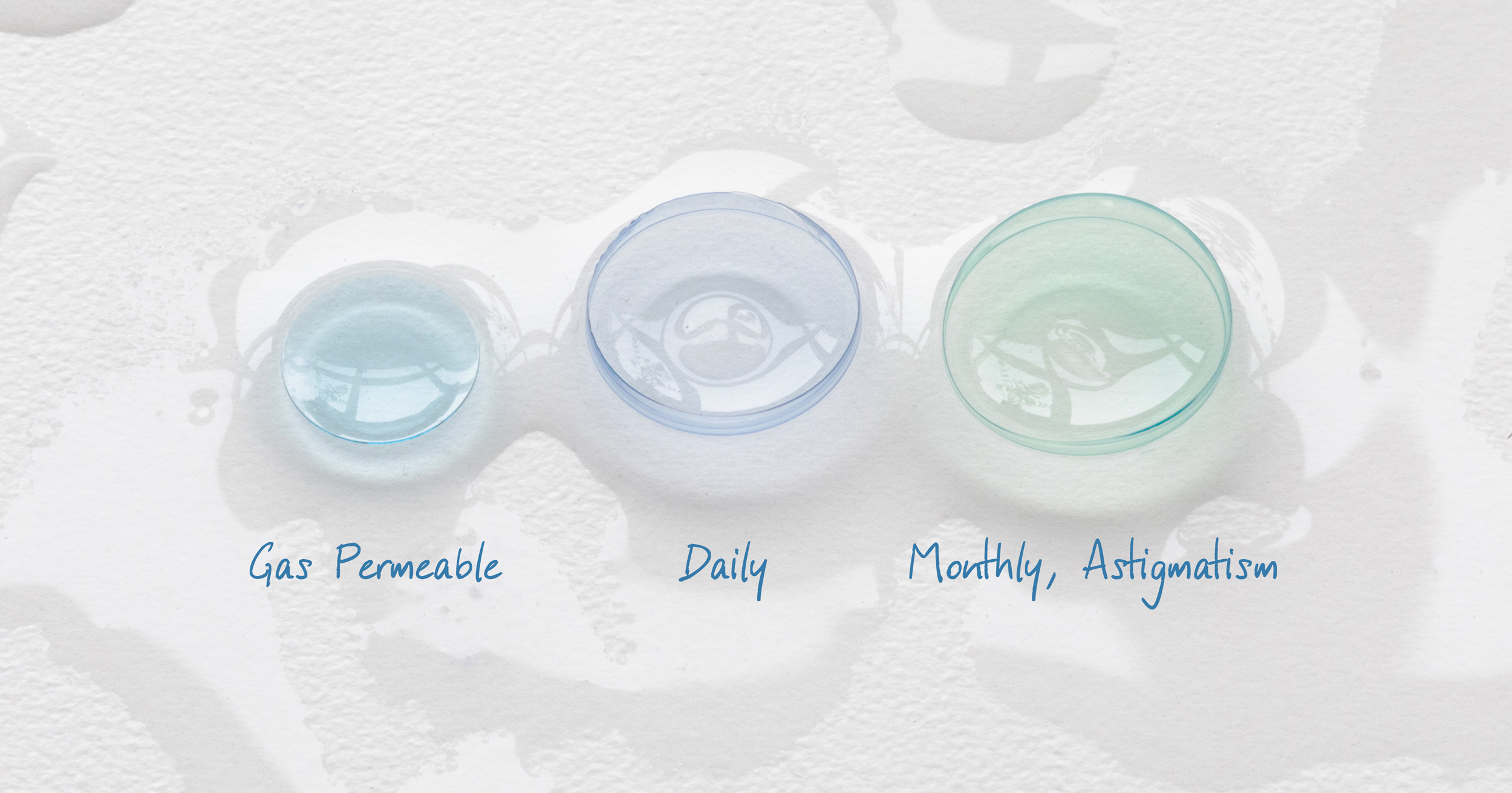
Beyond the material, the “tech” of a conventional contact lens is found in its geometric design. Every curve of the lens is calculated to interact with the physics of light and the biology of the human eye.
Spherical vs. Aspheric Geometries
Conventional lenses traditionally used spherical designs, which are essentially segments of a perfect sphere. However, as optical tech evolved, “aspheric” designs became the standard for high-performance conventional lenses. Aspheric lenses have a curve that gradually changes from the center to the edge. This design mitigates “spherical aberration”—a common optical distortion where light rays passing through the edge of a lens do not focus at the same point as those passing through the center. By utilizing aspheric surfaces, engineers can provide sharper, high-definition vision, especially in low-light conditions.
Base Curve and Diameter Calibration
A conventional lens is a piece of bespoke technology. The “Base Curve” (BC) is the measurement of the back surface of the lens, which must match the curvature of the wearer’s cornea. If the fit is too tight (a “steep” fit), it restricts tear flow and oxygen; if it is too loose (a “flat” fit), the lens will shift, causing blurred vision and physical discomfort. The engineering of the lens periphery—the “edge lift”—is also critical. Tech designers use edge profiles that are only a few microns thick to ensure the eyelid can glide over the lens without sensing its presence.
The Technological Shift: Conventional vs. High-Dk Silicon Hydrogels
In the current tech landscape, “conventional” HEMA-based lenses are often compared to the newer generation of Silicon Hydrogel (SiHy) materials. Understanding the distinction is vital for anyone tracking the trajectory of optical hardware.
Oxygen Permeability (Dk/t) Metrics
In the world of contact lens tech, the “Dk” value represents the oxygen permeability of a material. Conventional hydrogel lenses rely on water content to transport oxygen. The technical limit of this is an oxygen transmissibility (Dk/t) of about 20–40 units.
The introduction of silicone into the polymer matrix changed the game. Silicone is naturally highly permeable to oxygen. This allowed for Dk/t values exceeding 100. However, silicone is inherently hydrophobic (it repels water). The engineering challenge of the last decade has been “surface technology”—finding ways to treat silicone-based lenses so they remain “wettable” and comfortable while maintaining high oxygen flux. Conventional lenses remain relevant because some users’ eyes react better to the higher water content and “biocompatibility” of HEMA, proving that in tech, the newest material isn’t always the optimal solution for every interface.
Surface Treatment and Plasma Technology
To enhance the longevity of conventional lenses, manufacturers often employ plasma treatment. This involves placing the finished lens in a vacuum chamber and bombarding it with high-energy plasma. This process “cleans” the surface at a molecular level and can change the surface energy of the polymer to make it more resistant to protein deposits. This technological layer is what allows a conventional lens to remain clear and comfortable for up to twelve months, whereas a disposable lens would degrade significantly within weeks.
Future Outlook: The Bridge to Smart Lenses
The principles established by conventional contact lens technology are currently serving as the foundation for the next frontier: Smart Lenses. As we look toward the integration of micro-electronics into ocular wear, the lessons learned from conventional lens engineering are more relevant than ever.
The Integration of Micro-Electronics
Modern tech startups are currently experimenting with embedding transparent sensors and micro-LEDs within the polymer matrix of a lens. The challenge is heat dissipation and oxygen flow—problems that conventional lens designers have been solving for decades. By using the durable, stable structure of a conventional lens as a “chassis,” engineers can house glucose sensors for diabetics or tiny displays for AR.

Data-Driven Customization
The future of conventional lenses also lies in 3D scanning technology. Using Scleral Profilometry, opticians can now map the entire surface of the eye in seconds, generating a 3D data set. This data is then sent to a CNC lathe to create a “conventional” lens that is a perfect 1:1 map of the patient’s eye. This level of customization represents the pinnacle of personalized technology, moving us away from “off-the-shelf” solutions toward precision-engineered medical devices.
In conclusion, conventional contact lenses are far from obsolete; they are a masterpiece of understated technology. From the complex chemistry of hydrophilic polymers to the precision of diamond-turning lathes, these devices represent a perfect marriage of engineering and biology. As we move closer to a world of integrated digital vision, the humble conventional lens remains the essential platform upon which the future of human-computer interaction is being built.
aViewFromTheCave is a participant in the Amazon Services LLC Associates Program, an affiliate advertising program designed to provide a means for sites to earn advertising fees by advertising and linking to Amazon.com. Amazon, the Amazon logo, AmazonSupply, and the AmazonSupply logo are trademarks of Amazon.com, Inc. or its affiliates. As an Amazon Associate we earn affiliate commissions from qualifying purchases.