
In the current landscape of interactive entertainment, the question “What game should I play next?” has evolved from a simple leisure query into a complex navigation of technological ecosystems. We no longer live in an era defined by limited physical releases; instead, we inhabit a world of near-infinite digital libraries, high-fidelity rendering engines, and sophisticated recommendation algorithms. Choosing a new title today requires an understanding of hardware synergy, software architecture, and the delivery platforms that define modern digital consumption.
Finding the right game is a journey through the cutting edge of consumer technology. Whether you are leveraging the power of a custom-built PC, the streamlined efficiency of a ninth-generation console, or the emerging frontiers of cloud-based streaming, the technical parameters of your setup will largely dictate your experience. To answer the question of what to play next, one must first look at the intersection of software innovation and the hardware that sustains it.

The Evolution of Choice in the Digital Software Era
The decision-making process for gamers has been fundamentally reshaped by the “Software as a Service” (SaaS) model and the rise of digital distribution hubs. Platforms like Steam, Epic Games Store, and GOG have digitized the catalog of human play, offering tens of thousands of titles at the click of a button. However, this abundance has led to the “paradox of choice,” where the sheer volume of available software makes the selection process overwhelming.
The Impact of Subscription-Based Access
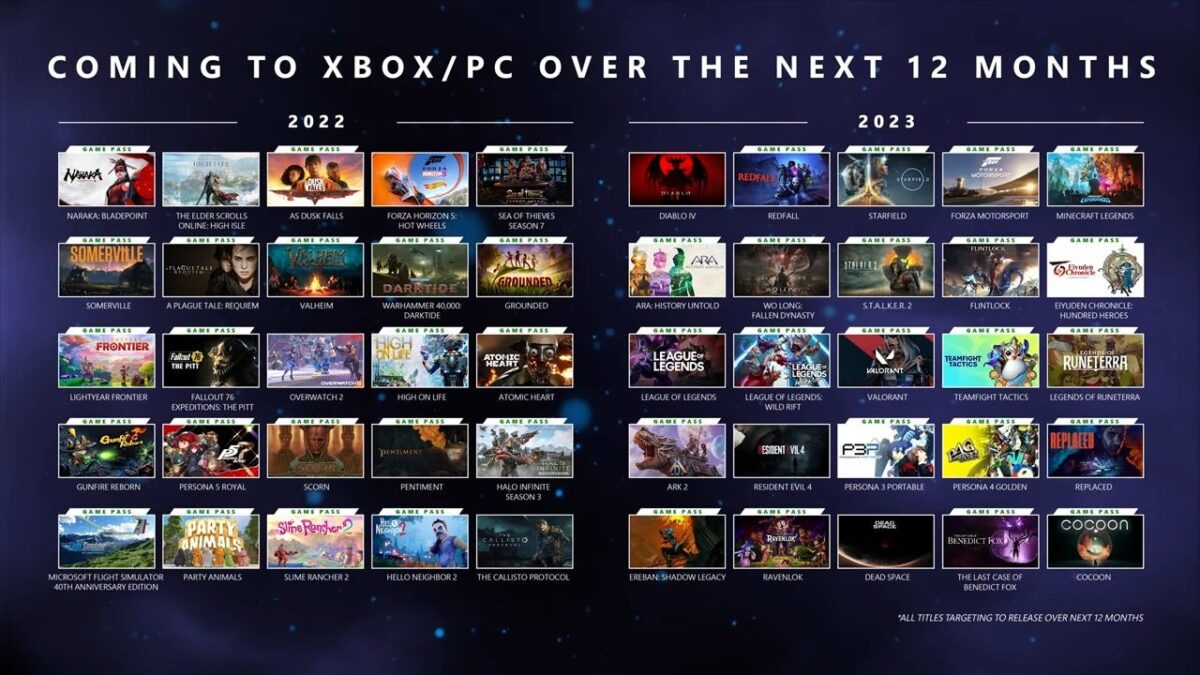
Subscription models such as Xbox Game Pass, PlayStation Plus, and Ubisoft+ have changed the economic and technical barriers to entry. From a tech perspective, these services function as centralized software repositories. When deciding what to play next, users often look toward these “buffet-style” ecosystems because they allow for risk-free experimentation. If a game’s technical requirements or gameplay loop do not suit the user, the cost of switching is negligible. This has shifted the focus from “ownership” to “access,” encouraging players to try high-fidelity AAA titles and indie experimental software alike without the friction of individual purchases.
Recommendation Algorithms and Data Analytics
To combat the paradox of choice, modern platforms employ sophisticated AI-driven recommendation engines. These tools analyze your previous “playtime data”—tracking metrics like genres, average session length, and even the specific graphical settings you prefer—to predict your next interest. Steam’s Discovery Queue and the personalized storefronts of digital consoles utilize collaborative filtering and machine learning to surface titles that align with your hardware capabilities and playstyle. When you ask the system for a recommendation, you are essentially engaging with a data-driven mirror of your own digital habits.
Hardware Synergy: Matching Your Next Game to Your Tech Stack
One cannot realistically choose a game without auditing the hardware intended to run it. The technical rift between “minimum requirements” and “recommended specs” has widened, largely due to breakthroughs in lighting, physics, and asset density. To choose your next game effectively, you must understand how your current tech stack interacts with modern game engines.
The Ray-Tracing and Upscaling Revolution
If you possess a high-end GPU from NVIDIA’s RTX series or AMD’s Radeon RX 6000/7000 lines, your next game should ideally showcase real-time ray tracing. This technology simulates the physical behavior of light, providing a level of visual fidelity that was previously relegated to pre-rendered cinema. When looking for a new title, tech enthusiasts should prioritize games built on Unreal Engine 5, which utilizes “Lumen” for global illumination and “Nanite” for virtualized geometry.
Furthermore, the choice of game is now heavily influenced by the availability of AI upscaling technologies like DLSS (Deep Learning Super Sampling) or FSR (FidelityFX Super Resolution). These software solutions allow hardware to render games at a lower internal resolution and use AI to reconstruct a high-definition image, significantly boosting frame rates. If you are playing on older hardware, your next game should be one that supports these specific software integrations to ensure a smooth technical experience.
Storage Architecture and Loading Speeds
The transition from Hard Disk Drives (HDD) to Non-Volatile Memory Express (NVMe) SSDs has fundamentally changed game design. Titles like Ratchet & Clank: Rift Apart or Cyberpunk 2077 utilize high-speed data streaming to load assets in real-time, eliminating traditional loading screens. When choosing your next game, consider whether your storage hardware can keep up with the software’s IO (Input/Output) demands. Playing a modern “open-world” title on a legacy mechanical drive can result in texture popping and stuttering, proving that the hardware-software relationship is the most critical factor in your next selection.
The Role of AI and Procedural Generation in Content Discovery
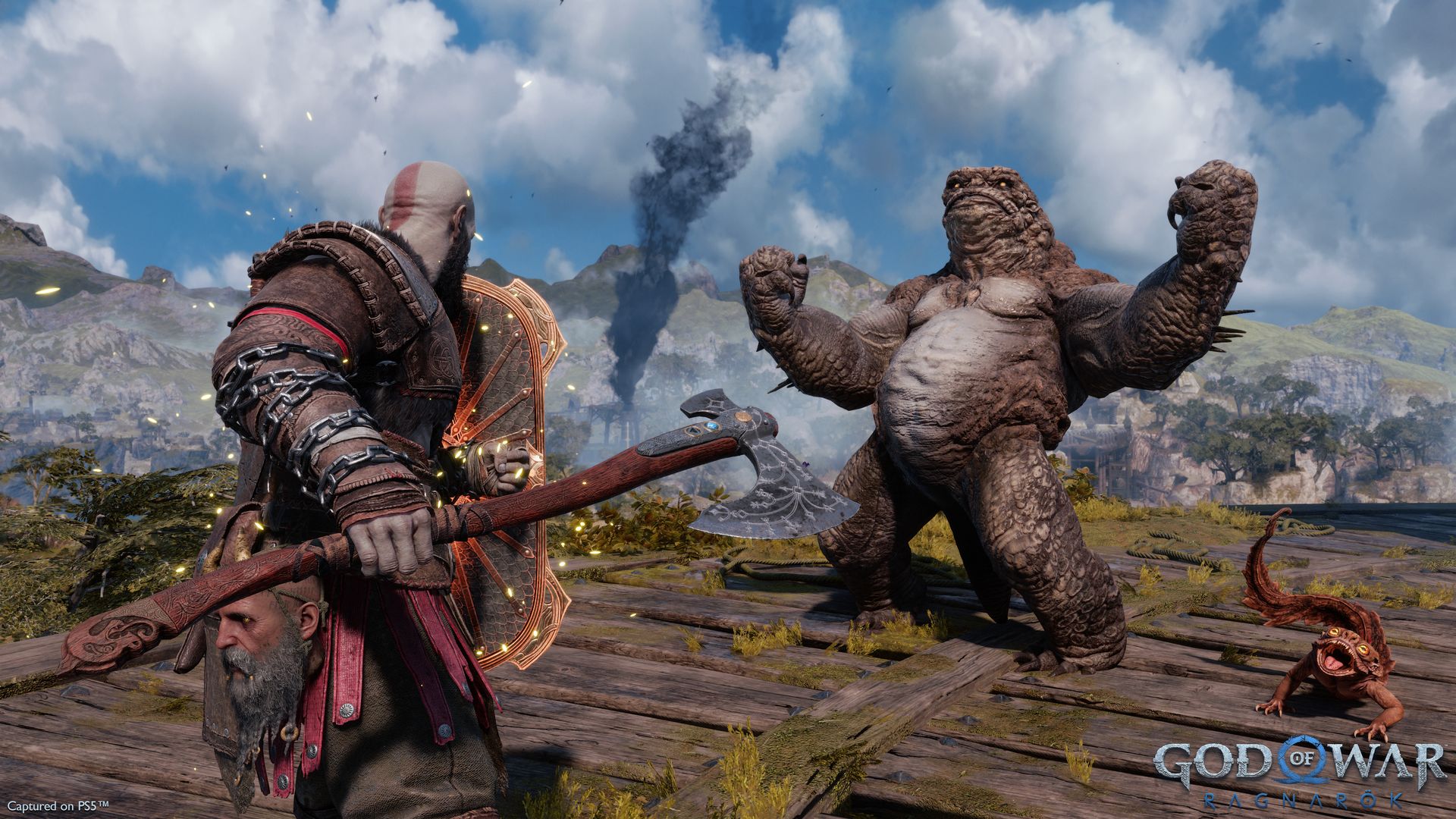
The question of “what to play” is increasingly answered by “what can be generated.” We are entering an era where software can create content dynamically, ensuring that no two players have the same experience. This technological shift is a major draw for those seeking longevity in their digital investments.
Procedural Generation and Replayability
Games like No Man’s Sky or Minecraft utilize complex mathematical algorithms to generate vast, traversable universes. If you are looking for a game that offers endless discovery, you are looking for a title built on procedural generation. This technology allows developers to bypass the limitations of handcrafted assets, instead using code to “grow” environments, quests, and NPCs. When evaluating your next game, consider whether you prefer a curated, linear narrative or a procedurally generated sandbox that leverages the power of your CPU to create a unique world on the fly.
The Rise of Generative AI in NPCs
The next frontier in gaming technology involves the integration of Large Language Models (LLMs) and generative AI for non-player characters (NPCs). Instead of following a fixed script, these characters can engage in real-time, unscripted dialogue with the player. While still in its infancy, several tech demos and early-access titles are showcasing how AI can make the gaming world feel alive. If you are a tech-forward player, your next game might be an experimental title that utilizes cloud-based AI to power its narrative, offering a glimpse into the future of interactive storytelling.
Infrastructure and Accessibility: The Cloud Gaming Frontier
For many, the answer to “What game should I play next?” is no longer limited by the hardware sitting on their desk. Cloud gaming has matured into a viable technological alternative, decoupling high-end software from local processing power.
Latency, Bandwidth, and the Edge Computing Shift
Platforms like NVIDIA GeForce Now and Xbox Cloud Gaming allow users to stream high-end PC games to low-powered laptops, tablets, or even smart TVs. The decision to play a cloud-based game is a decision to rely on infrastructure rather than local silicon. To have a successful experience, your network environment—specifically your ping, jitter, and downstream bandwidth—must be optimized. With the rollout of 5G and fiber-optic expansion, the technical “cost” of cloud gaming is decreasing. If you find yourself between hardware upgrades, your next game could be a high-fidelity masterpiece played entirely through a browser, leveraging remote server farms to do the heavy lifting.
Cross-Platform Integration and Portability
We are seeing a convergence of mobile and desktop software. With the release of the Steam Deck and other handheld gaming PCs, the “next game” you choose can now transition seamlessly from a 4K monitor to a handheld device. This requires games to have robust “Cloud Save” features and scalable graphical APIs (like Vulkan or DirectX 12) that can adapt to different power envelopes. When selecting your next title, the ability to maintain “technological continuity”—playing the same save file across multiple devices—is a significant value proposition.
Security, Privacy, and Digital Ownership
In the process of choosing and installing a new game, technical considerations regarding digital security and account integrity cannot be ignored. The modern gaming environment is as much a target for cybersecurity threats as any other digital platform.
Digital Rights Management (DRM) and System Performance
When choosing your next game, it is worth investigating the DRM software included with the title. Systems like Denuvo are designed to prevent piracy but have historically been criticized for impacting CPU performance and frame times. For players who prioritize system efficiency and “clean” software installs, opting for DRM-free titles from platforms like GOG may be the better choice.
Account Security and Two-Factor Authentication
Most modern games require a persistent connection to a central server and a linked user account. This introduces risks related to data breaches and credential stuffing. Before diving into a new multi-platform ecosystem, ensure your security protocols are up to date. Using a password manager and enabling hardware-based 2FA (Two-Factor Authentication) are essential steps in the setup process of any new game. The “tech” of gaming is not just about the graphics; it is about the security of the digital identity you build within these virtual spaces.
Conclusion: Making the Strategic Selection
Ultimately, the question “What game should I play next?” is an invitation to explore the current state of technology. It is a choice between the cinematic realism of ray-traced environments, the infinite possibilities of procedurally generated worlds, and the convenience of cloud-based streaming.
To make the right choice, align your selection with your hardware’s strengths, utilize the data-driven recommendations provided by modern platforms, and ensure your digital infrastructure—from your internet speed to your account security—is prepared for the load. The next game you play is not just a story or a set of mechanics; it is a sophisticated piece of software that represents the pinnacle of modern computing. By understanding the tech behind the screen, you ensure that your next gaming experience is as seamless as it is immersive.
aViewFromTheCave is a participant in the Amazon Services LLC Associates Program, an affiliate advertising program designed to provide a means for sites to earn advertising fees by advertising and linking to Amazon.com. Amazon, the Amazon logo, AmazonSupply, and the AmazonSupply logo are trademarks of Amazon.com, Inc. or its affiliates. As an Amazon Associate we earn affiliate commissions from qualifying purchases.