
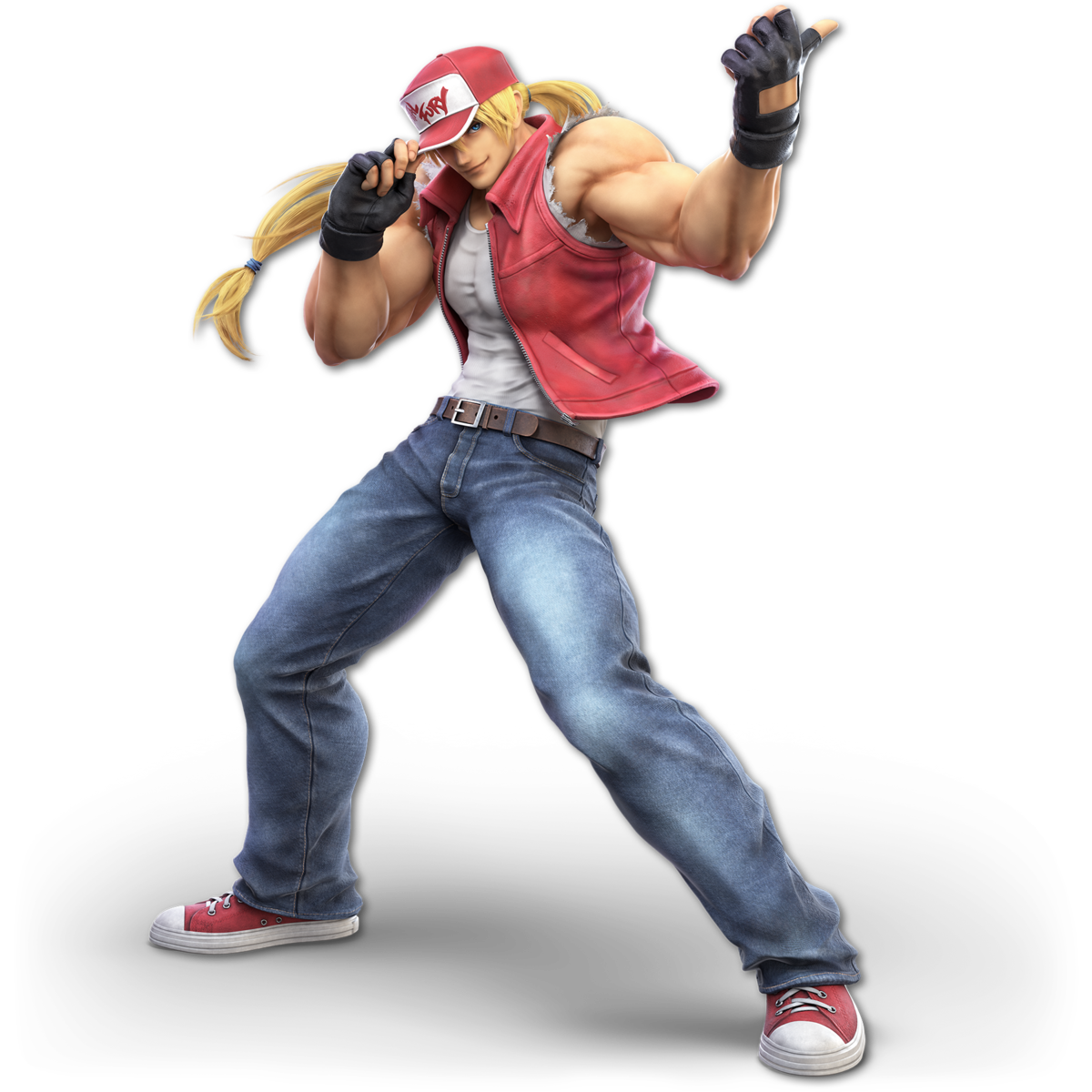
In the modern digital landscape, the question “What game is Terry from?” often arises when players encounter the charismatic, blonde-haired fighter in crossover titles like Super Smash Bros. Ultimate or Street Fighter 6. While casual fans recognize his signature red cap and “Buster Wolf” shout, his origins are deeply rooted in a specific era of high-end hardware and pioneering software engineering. Terry Bogard is the face of SNK’s Fatal Fury (Garou Densetsu) series, first appearing in 1991. However, understanding Terry requires more than a history lesson; it requires an analysis of the technological shifts in the gaming industry—from the proprietary hardware of the Neo Geo to the complex Unreal Engine-driven environments of today.
The Neo Geo Revolution: Terry Bogard’s 16-Bit Origins
To answer where Terry is from, one must first look at the hardware that birthed him. In the early 1990s, the arcade experience was lightyears ahead of home consoles like the NES or Sega Genesis. SNK (Shin Nihon Kikaku) revolutionized this space with the Neo Geo Multi Video System (MVS) for arcades and the Advanced Entertainment System (AES) for homes.
The Power of the MVS System and “Pro-Gear Spec”
Terry Bogard debuted in Fatal Fury: King of Fighters (1991) on hardware that was marketed as “Pro-Gear Spec.” Unlike its competitors, the Neo Geo used a dual-processor architecture: a Motorola 68000 (16-bit) and a Zilog Z80 (8-bit). This allowed for unprecedented graphical fidelity. While the SNES was struggling with limited color palettes, Terry was rendered with a high sprite count and fluid animations that defined the “SNK look.” The tech allowed for massive ROM cartridges, some exceeding 330 Megabits, which was an astronomical figure for software storage at the time.
Sprite Engineering and Animation Density
The technical achievement of Terry’s original game was its use of sprite scaling and “lane” mechanics. In an era where most fighting games were locked to a single 2D plane, the Fatal Fury engine allowed Terry to move between the foreground and background. This required complex collision detection algorithms and a unique approach to depth perception in a 2D space. The software engineers at SNK had to manually draw hundreds of frames for Terry’s animations to ensure that his movements looked consistent across different scaling levels—a feat of “pixel-perfect” engineering that remains a benchmark in 2D tech history.
The Software Architecture of Fatal Fury and King of Fighters
As Terry Bogard moved from the Fatal Fury series into the massive crossover hit The King of Fighters (KOF) in 1994, the software requirements shifted. The focus moved from individual “boss-fight” narratives to team-based optimization and engine efficiency.
Implementing the Lane-Switching and Multi-Tier Mechanics
The software architecture of Terry’s home games evolved to include the “Just Defend” system and the “Tactical Offensive Position” (T.O.P.) system seen in Garou: Mark of the Wolves. These systems were not just gameplay choices; they were sophisticated state-machine implementations. For Terry to react with a frame-perfect block, the game engine had to poll inputs at a rate of 60Hz without fail. This necessitated highly optimized assembly code to ensure that the CPU could process input, collision, and animation states within a 16.67-millisecond window.
Algorithmic Difficulty and Input Reading
Anyone who has played Terry’s original games knows the “SNK Boss Syndrome.” This was a result of aggressive “input reading” AI. Technically, the AI routines were designed to scan the player’s controller buffer and execute a counter-move in the same frame. While frustrating for players, from a software development perspective, it demonstrated a highly responsive logic engine that could simulate “expert” behavior by leveraging the low-latency direct-access memory of the Neo Geo hardware.
Terry in the Modern Era: Cross-Platform Integration and Unreal Engine
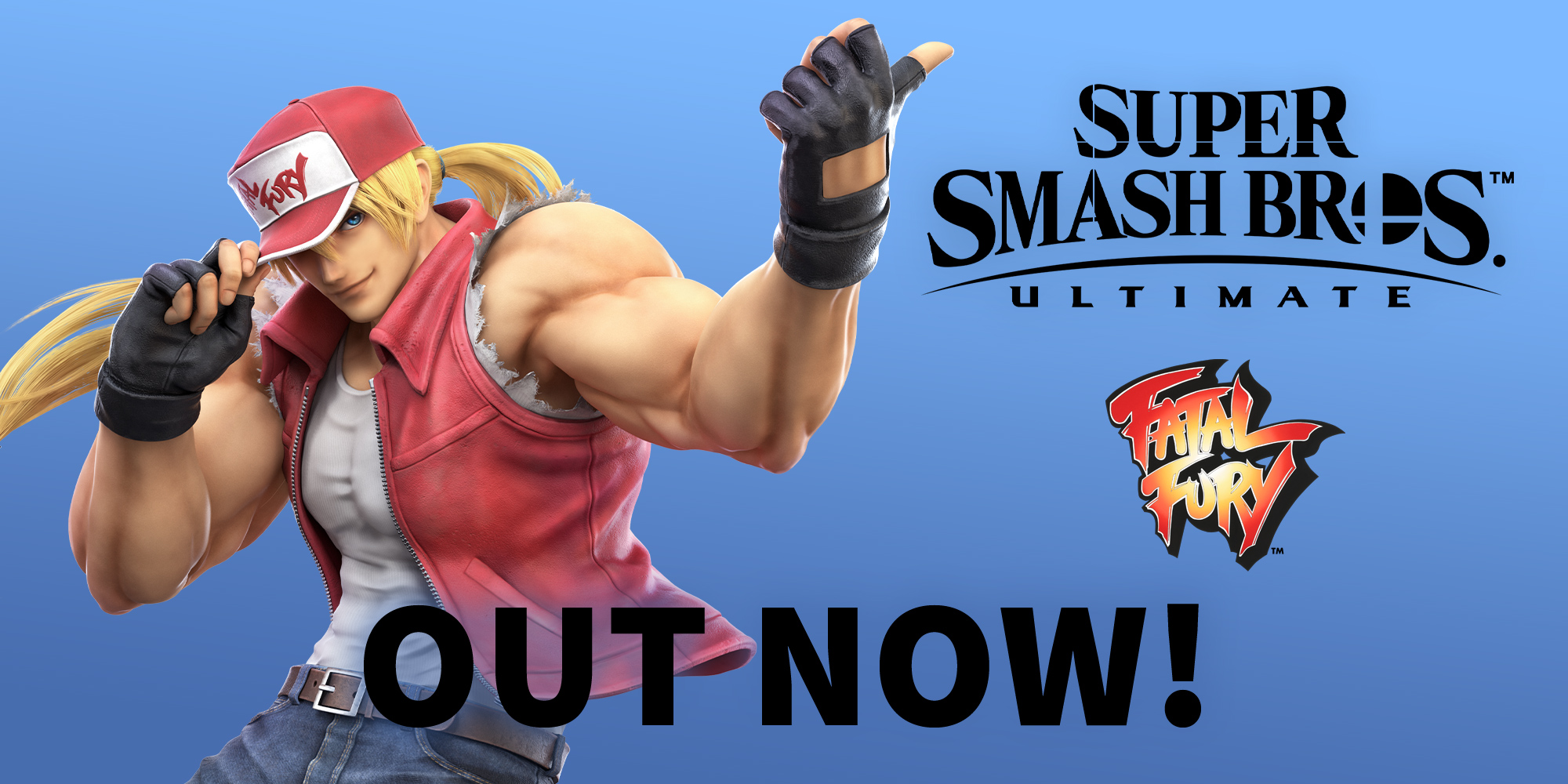
Fast forward to the 2020s, and Terry Bogard has become a “digital ambassador,” appearing in games developed by Nintendo, Capcom, and Arika. This migration highlights the shift from proprietary hardware to standardized game engines and cross-platform middleware.
Porting Assets to the RE Engine and Unreal Engine 4
Terry’s recent inclusion in Street Fighter 6 showcases the versatility of Capcom’s proprietary RE Engine. Translating a character who spent decades in 2D sprites into a high-fidelity 3D model involves complex “Physically Based Rendering” (PBR). His iconic denim vest and leather gloves must react realistically to the lighting engines of various stages. Similarly, in The King of Fighters XV, SNK transitioned Terry to Unreal Engine 4. This move allowed the developers to utilize modern shaders and particle effects for his “Power Geyser” move, which was previously limited by the 2D transparency effects of older hardware.
Netcode Evolution: From Delay-Based to Rollback
Perhaps the most significant tech hurdle for Terry in the modern era is online connectivity. For a character whose moves depend on precise timing, the transition from “Delay-Based Netcode” to “Rollback Netcode” has been transformative. Rollback netcode uses a predictive algorithm to “guess” Terry’s next move (e.g., a Power Dunk), and if the network packet arrives and contradicts the guess, the engine “rolls back” the game state and corrects it instantly. This shift represents a pinnacle of network engineering in gaming tech, making Terry playable across continents with minimal perceived latency.
The Future of Fighting Game Tech: AI and Procedural Animation
As we look toward Terry Bogard’s next primary outing in Fatal Fury: City of the Wolves, the technology continues to evolve. We are moving beyond simple pre-recorded animations into a world of procedural generation and machine learning.
Machine Learning in Character Archetypes
Developers are now using machine learning (ML) to analyze decades of Terry Bogard match data. By feeding thousands of “high-level” matches into an ML model, developers can create AI opponents that mimic the specific playstyles of legendary human players. This tech ensures that even when playing offline, the Terry you face feels like a living, breathing opponent rather than a scripted sequence of numbers.
Cloud Gaming and the Latency Barrier
The next frontier for Terry is the cloud. As platforms like Xbox Cloud Gaming and PlayStation Plus Premium attempt to stream fighting games, the tech industry is battling “input lag”—the ultimate enemy of the fighting game genre. The solution lies in “edge computing,” where the game logic is processed at a server node geographically closer to the user. Terry’s journey from a 330-Megabit cartridge to a gigabit-speed fiber stream is a testament to the relentless march of technological progress.
Conclusion: More Than Just a Character
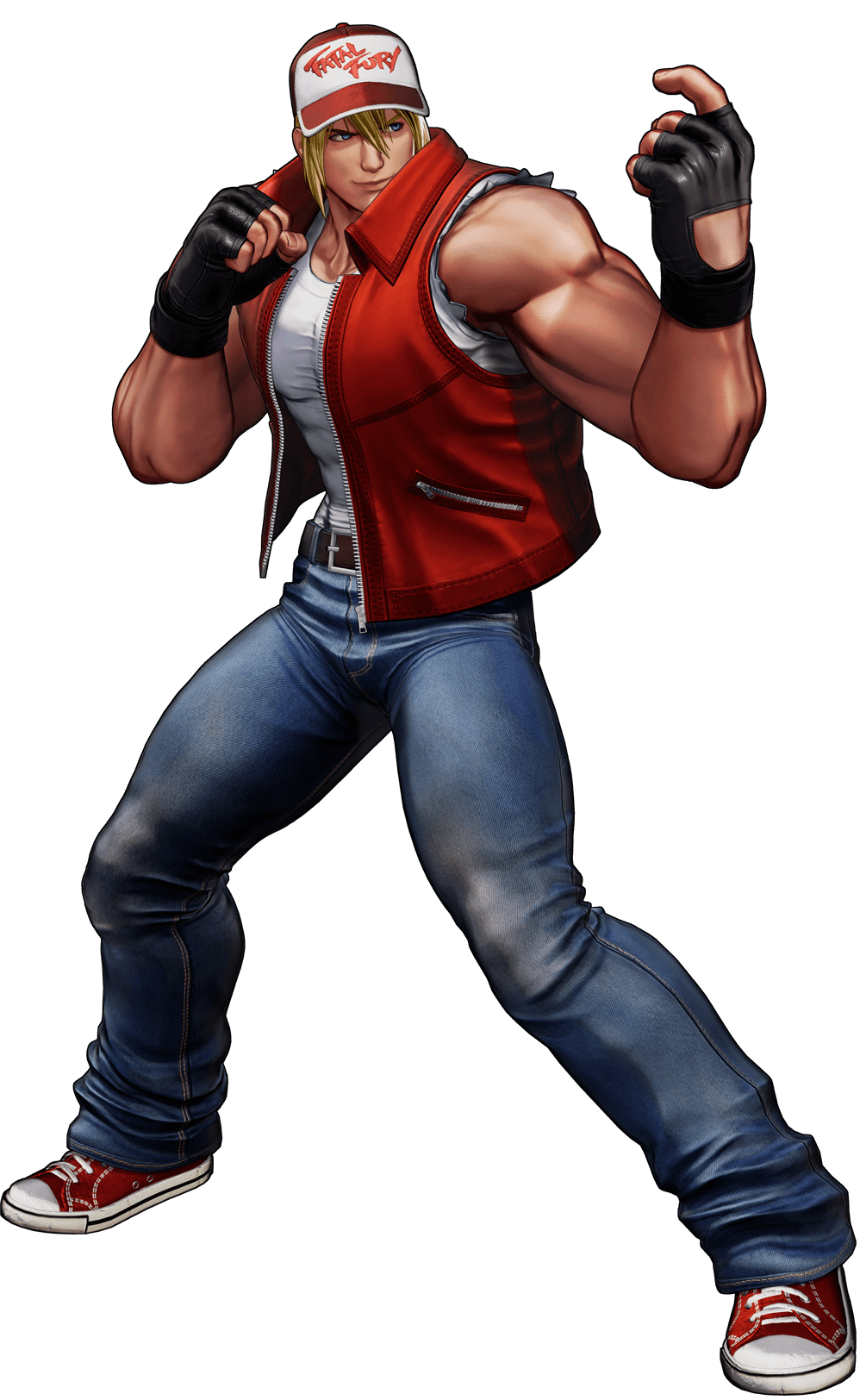
When asking “What game is Terry from?”, the answer is multifaceted. He is from Fatal Fury, a pioneer of the 16-bit arcade era. He is from The King of Fighters, a masterclass in sprite-based optimization. And he is a guest in Smash Bros. and Street Fighter, serving as a benchmark for modern 3D rendering and cross-platform compatibility.
Terry Bogard’s history is the history of gaming technology itself. From the “Pro-Gear Spec” of the 90s to the Rollback Netcode and Unreal Engine of the 2020s, Terry has survived and thrived by adapting to every technological leap. For tech enthusiasts and gamers alike, he represents the enduring bridge between the analog soul of the arcade and the digital precision of the modern software era. Whether he is “OK!” or not depends on the frame data, the netcode, and the engine driving him—and currently, the tech has never looked better.
aViewFromTheCave is a participant in the Amazon Services LLC Associates Program, an affiliate advertising program designed to provide a means for sites to earn advertising fees by advertising and linking to Amazon.com. Amazon, the Amazon logo, AmazonSupply, and the AmazonSupply logo are trademarks of Amazon.com, Inc. or its affiliates. As an Amazon Associate we earn affiliate commissions from qualifying purchases.