
When examining the question of what food is from America, the conversation often shifts from simple agricultural origins to the complex mechanisms of global brand strategy. While indigenous ingredients like corn, squash, and cranberries are biologically “from” the Americas, the concept of “American food” in the modern marketplace is a masterclass in brand identity, cultural export, and market dominance. In the world of corporate strategy and marketing, American food is less about a specific recipe and more about a set of brand promises: consistency, innovation, convenience, and a specific type of aspirational lifestyle.
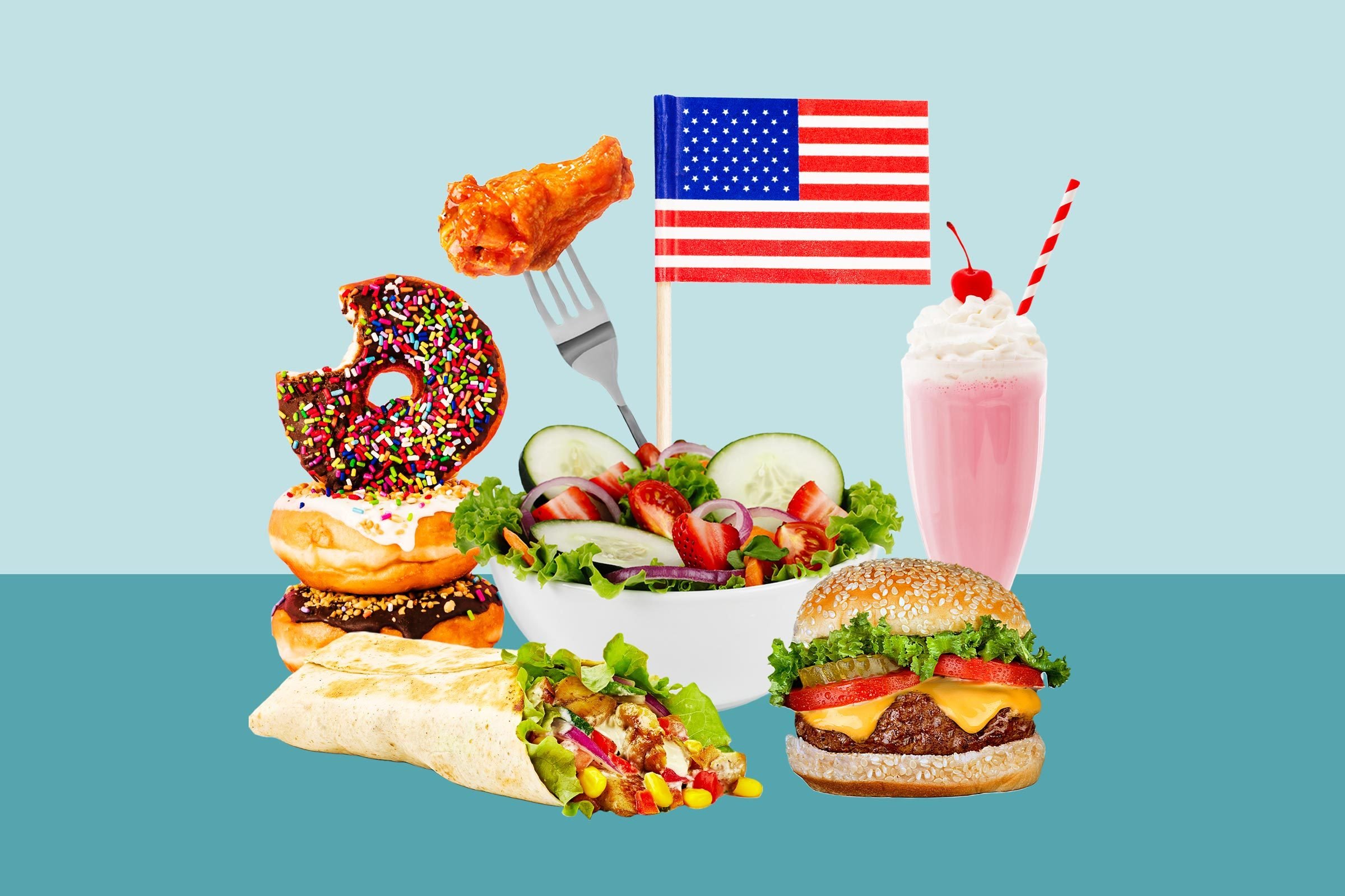
To understand what food is truly from America, one must look past the plate and into the boardrooms where global perceptions of taste are engineered. From the standardized golden arches found in nearly every country to the artisanal craft movements reclaiming regional heritage, the American food industry represents the pinnacle of brand equity.
The Cultural Export: Building the “American Flavor” Brand Identity
The most successful American food products are not just consumables; they are cultural artifacts. The “American Flavor” is a brand identity built on the pillars of the 20th-century industrial revolution and the subsequent rise of consumerism. This identity was meticulously crafted to represent modernity and freedom, allowing US-based companies to achieve unprecedented global market penetration.
Consistency as a Core Brand Value
One of the most significant contributions of American food branding to the global market is the concept of extreme consistency. Whether a consumer buys a specific brand of soft drink in New York, Tokyo, or Nairobi, the sensory experience is identical. This reliability is a strategic choice. In brand theory, consistency builds trust, and trust facilitates rapid scaling.
American food giants pioneered the “standardized experience,” ensuring that the brand’s promise was fulfilled regardless of geography. This eliminated the risk for the consumer, a strategy that has allowed American franchises to dominate international markets where local alternatives might be seen as inconsistent or unreliable.
The Narrative of Convenience and Modernity
Historically, American food brands have positioned themselves as solutions to the time-constraints of modern life. The “Fast Food” moniker is a branding triumph that prioritized the value of the consumer’s time. By associating American food with efficiency, brands like Kellogg’s or Kraft transformed domestic habits.
This narrative of modernity was exported globally. In developing economies, the arrival of American food brands often signals a shift toward a Westernized, middle-class lifestyle. The branding strategy here is aspirational; consuming these products is not merely an act of nutrition but a signal of participation in a global, tech-forward, and fast-paced society.
Iconic Brands that Defined the Global Perception of American Food
When the world thinks of American food, they are often visualizing specific corporate logos. These brands have become so synonymous with the American identity that they function as unofficial ambassadors of the nation’s soft power. The strategy behind these brands involves deep psychological triggers and a relentless focus on visual identity.
Fast Food Giants and the Standardized Experience
McDonald’s, Burger King, and KFC are perhaps the most prominent examples of how a specific food item—the hamburger or fried chicken—can be transformed into a global service brand. These organizations do not just sell food; they sell a system. Their brand strategy relies on the “Golden Arches” or the “Colonel” to serve as beacons of familiarity.
The branding of these entities focuses on “The Value Meal,” a concept that redefined how consumers perceive the cost-to-benefit ratio of dining. By bundling products, these brands increased their average transaction value while reinforcing the idea that American food is the most economical and efficient choice for the masses.
The Soft Drink Monopoly on Lifestyle Branding
No discussion of American food brands is complete without Coca-Cola and Pepsi. These products represent the apex of lifestyle branding. They do not market the liquid; they market “Happiness,” “Joy,” or “The New Generation.”
This shift from product-centric marketing to emotion-centric branding is a hallmark of the American approach. By embedding their products into the cultural fabric—through sports sponsorships, holiday imagery, and music—they have ensured that their “food” products are seen as essential components of social interaction. This has created a level of brand loyalty that transcends the product’s actual nutritional value or ingredients.
Strategic Rebranding: From Mass Production to Craft and Heritage
In recent decades, the “Brand of America” has undergone a significant transformation. As global consumers began to associate mass-produced American food with negative health outcomes, a new wave of American food branding emerged: the artisanal and regional movement. This shift represents a strategic pivot toward “Heritage Branding” and “Authenticity.”
The Artisanal Movement and Regional Brand Identities
American food is currently being rebranded through its regions. Bourbon from Kentucky, BBQ from Texas or the Carolinas, and sourdough from San Francisco are all examples of regional products that have been elevated to premium brand status. This strategy focuses on the “Origin Story,” a powerful tool in modern marketing that justifies higher price points and builds deeper emotional connections with consumers.
By focusing on craftsmanship and local history, these brands counter the “plastic” image of mid-century American food. They leverage the narrative of the American pioneer or the small-town craftsman to sell a sense of authenticity that is highly valued in the contemporary luxury and “prosumer” markets.
Leveraging Transparency and Ethical Sourcing in Modern Brand Strategy
The modern American food brand is increasingly defined by its supply chain. Brands like Whole Foods Market or Chipotle have built their entire corporate identity around the concept of “Food with Integrity.” This is a calculated branding move designed to capture the “Conscious Consumer” segment.
In this context, what is “from America” is no longer just the product, but the ethical standards and transparency reports that accompany it. Brand strategy now involves marketing the sustainability of the soil, the welfare of the livestock, and the fair treatment of workers. This evolution shows that American food branding is highly adaptable, capable of moving from the efficiency-first model of the 1950s to the values-first model of the 2020s.
The Economic Impact of Brand Recognition in American Food Exports
The strength of American food brands provides a massive competitive advantage in the global export economy. When a product is perceived as “American,” it often carries a premium in international markets, not necessarily because of its flavor profile, but because of the brand equity associated with U.S. quality controls and cultural prestige.
Agricultural Branding and the “Made in USA” Quality Seal
The U.S. Department of Agriculture (USDA) and various trade groups utilize branding techniques to sell commodities like California almonds, Washington apples, or Nebraska beef. These are marketed not as generic commodities but as branded products with specific quality attributes.
The “Made in USA” label serves as a meta-brand. In many international markets, this label is a strategic asset that denotes safety and rigorous testing. This allows American producers to defend their market share against lower-cost competitors by emphasizing the reliability and prestige of the American brand.
Digital Influence and Social Media’s Role in Food Brand Proliferation
The rise of digital media has allowed American food brands to maintain their global dominance. Through influencer marketing and viral content, “American” food trends—such as the “smash burger” or “extreme milkshakes”—spread across the globe in real-time.
This digital ecosystem acts as a force multiplier for American brand strategy. It creates global demand for American culinary styles before a physical product even enters a new market. By controlling the digital narrative around what is “cool” or “trending” in food, American brands ensure their continued relevance in an increasingly crowded global marketplace.
Future-Proofing the American Food Brand in a Health-Conscious Era
As global health trends lean toward plant-based diets and reduced sugar intake, the traditional American food brand faces a challenge. However, the response has been a masterclass in brand evolution and portfolio diversification.
The “New American Food” brand is increasingly synonymous with food technology. Companies like Beyond Meat or Impossible Foods (both founded in the U.S.) are rebranding the American culinary experience as one of innovation and scientific advancement. They are applying the same branding principles that built the fast-food empires—consistency, scalability, and lifestyle marketing—to a new category of “tech-food.”
By positioning American food as the solution to global climate and health issues, these brands are ensuring that the question of “what food is from America” will continue to be answered with a list of global market leaders. The American food brand is no longer just about the burger; it is about the visionary technology that reimagines what a burger can be. This shift from “Industrial Food” to “Intellectual Property Food” is the next frontier of American brand strategy, ensuring that the United States remains the primary architect of the world’s palate.
aViewFromTheCave is a participant in the Amazon Services LLC Associates Program, an affiliate advertising program designed to provide a means for sites to earn advertising fees by advertising and linking to Amazon.com. Amazon, the Amazon logo, AmazonSupply, and the AmazonSupply logo are trademarks of Amazon.com, Inc. or its affiliates. As an Amazon Associate we earn affiliate commissions from qualifying purchases.