
In the rapidly evolving landscape of personal finance, understanding the true nature of the digital tools we use daily is paramount. Cash App, a ubiquitous name in mobile payments, often blurs the lines between a simple app and a traditional financial institution. Many users interact with it for sending money, receiving paychecks, investing, or even borrowing, leading to the natural question: exactly what financial institution is Cash App? The answer is nuanced, revealing a sophisticated fintech model that leverages partnerships and innovative technology to deliver a broad spectrum of financial services, without being a chartered bank itself. This article delves into Cash App’s unique identity within the financial ecosystem, exploring its operational structure, regulatory framework, and the diverse services it offers to millions of users.
Decoding Cash App’s Financial Identity
Cash App, developed by Block, Inc. (formerly Square, Inc.), is not a bank in the traditional sense, but rather a financial technology (fintech) company that offers banking-like services. This distinction is critical for understanding its regulatory obligations, the protections it provides to users, and its overall operational model. While it functions as a digital wallet and offers many conveniences traditionally associated with banks, its legal and corporate structure places it in a hybrid category.
More Than Just a Payment App
Initially launched as a peer-to-peer (P2P) payment service, Cash App’s functionality has expanded dramatically to encompass a wide array of financial activities. It enables users to send and receive money instantaneously, similar to Venmo or PayPal. However, its evolution has propelled it far beyond this core offering. Today, users can receive direct deposits, buy and sell stocks and Bitcoin, and even access small loans. This expansion positions Cash App as a comprehensive financial tool, catering to a diverse set of financial needs, from everyday transactions to wealth-building activities. Its user-friendly interface and accessibility have made it particularly popular among younger demographics and those seeking alternatives to traditional banking.
The Hybrid Model Explained
Cash App operates on a hybrid model, which is characteristic of many modern fintech platforms. It acts as the customer-facing interface, providing the technology, branding, and user experience. However, for certain regulated activities—such as holding customer deposits, issuing debit cards, or facilitating ACH transfers—it partners with established, federally insured banks. This allows Cash App to offer services that would typically require a banking license, without undergoing the arduous and expensive process of becoming a chartered bank itself. This symbiotic relationship enables innovation and speed for fintechs, while leveraging the regulatory compliance and insurance infrastructure of traditional financial institutions. Understanding this hybrid model is key to appreciating both the innovation and the inherent structural differences between Cash App and a brick-and-mortar bank.
The Regulatory Landscape and Key Partnerships
Operating in the financial sector, even as a non-bank, necessitates adherence to various regulations designed to protect consumers and maintain financial stability. Cash App navigates a complex regulatory environment by primarily functioning as a licensed money transmitter and forging strategic partnerships with traditional banks.
Not a Bank, But Bank-Like Services
One of the most common misconceptions is that Cash App is a bank. It is not. Traditional banks are chartered entities, regulated by federal bodies like the Office of the Comptroller of the Currency (OCC) or state banking authorities, and their deposits are typically insured by the Federal Deposit Insurance Corporation (FDIC). Cash App does not hold a bank charter. Instead, it offers a suite of services that mimic those of a bank, such as holding balances, facilitating payments, and issuing debit cards. This distinction is crucial because it influences the type and extent of consumer protections available to users. While a bank’s core function is deposit-taking and lending under stringent oversight, Cash App’s primary function is to facilitate transactions and provide access to financial products, often through third-party arrangements.
The Role of Partner Banks
To provide bank-like services, Cash App collaborates with FDIC-insured partner banks. For instance, the Cash Card (Cash App’s Visa debit card) is issued by banks like Sutton Bank or Lincoln Savings Bank, Members FDIC. When you use your Cash Card or receive a direct deposit into your Cash App account, the underlying funds are typically held by one of these partner banks. This partnership extends FDIC insurance eligibility to the funds held in these accounts, up to the standard maximum amount, provided certain conditions are met. This means that while Cash App itself isn’t an FDIC-insured entity, the funds associated with your Cash Card and direct deposits often are, by virtue of being held at an FDIC-insured partner bank. These relationships are foundational to Cash App’s ability to offer reliable and secure financial services.
Money Transmitter Licenses (MTLs)
At its core, Cash App operates as a money transmitter. This means it is regulated at the state level across the United States, requiring it to obtain and maintain Money Transmitter Licenses (MTLs) in all jurisdictions where it operates. These licenses are crucial for its primary function of enabling person-to-person money transfers. MTL regulations typically require companies to comply with anti-money laundering (AML) and know-your-customer (KYC) laws, report suspicious activity, and maintain certain capital reserves. This regulatory framework is distinct from that of chartered banks, focusing more on the movement of funds rather than the traditional deposit-taking and lending functions.
A Spectrum of Financial Services Offered
Cash App’s journey from a niche P2P app to a comprehensive financial platform showcases its ambition to cater to a broad spectrum of user needs, embracing various facets of personal finance.
Peer-to-Peer Payments and Direct Deposit
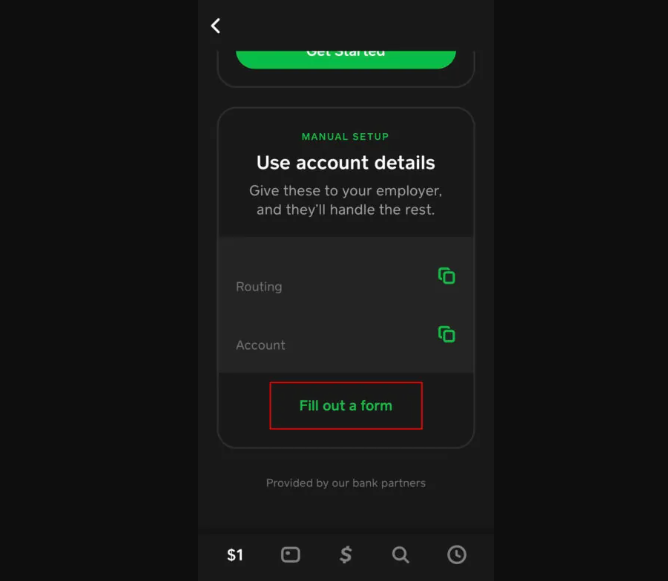
The bedrock of Cash App’s service remains its instantaneous peer-to-peer payment capability, allowing users to send and receive money with ease using a unique “$Cashtag” identifier. Beyond P2P, Cash App has made significant inroads into traditional banking services by offering direct deposit functionality. Users can receive paychecks, government benefits, and tax refunds directly into their Cash App account. This feature effectively transforms Cash App into a primary banking hub for many, especially those who may be unbanked or underbanked, providing an accessible alternative to traditional checking accounts. This direct deposit feature is often facilitated through its partner banks, enabling the use of account and routing numbers.
The Cash App Debit Card (Cash Card)

The Cash Card is a free, customizable Visa debit card linked directly to a user’s Cash App balance. As mentioned, it’s issued by partner banks (like Sutton Bank or Lincoln Savings Bank). This card allows users to make purchases anywhere Visa is accepted, withdraw cash from ATMs, and access exclusive “Boosts” — instant discounts at specific retailers. The Cash Card bridges the gap between digital balances and physical transactions, making Cash App a practical everyday financial tool. Its utility enhances Cash App’s resemblance to a traditional bank account, providing liquidity and transactional capability that extends beyond the digital realm.
Investing Features: Stocks and Bitcoin
A significant differentiator for Cash App is its integrated investment platform. Users can buy and sell fractional shares of stocks directly within the app, lowering the barrier to entry for novice investors. Similarly, Cash App has been a pioneer in making Bitcoin accessible to the masses, allowing users to buy, sell, and even send Bitcoin directly from their balance. These features democratize investing, enabling individuals to participate in markets that were once perceived as complex or exclusive. This integration of investing directly into a payment app reflects a broader fintech trend of offering holistic financial management from a single platform, blurring the lines between banking, payments, and investment brokerage.
Borrowing Options (Cash App Borrow)
In a move further into traditional banking territory, Cash App has piloted a “Borrow” feature for select users. This service allows eligible users to take out small loans, typically ranging from $20 to $200, which must be repaid within a specified timeframe, often with a flat fee. This venture into lending represents a more complex financial product, carrying higher risk and requiring careful consideration of regulatory compliance and consumer protection. While still in its early stages and not available to all users, the inclusion of a borrowing option demonstrates Cash App’s ambition to become a comprehensive financial solution, addressing credit needs alongside payments and investments.
Benefits and Risks for the Modern Consumer
Cash App’s innovative approach offers considerable benefits but also introduces specific considerations regarding consumer protection and financial security. Understanding both sides is crucial for informed usage.
Accessibility and Convenience
Cash App significantly enhances financial accessibility, particularly for younger generations and individuals who may find traditional banking systems cumbersome or intimidating. Its intuitive mobile interface, speed of transactions, and low barriers to entry (no minimum balance requirements, easy setup) make it a highly convenient tool for managing daily finances. It facilitates quick money transfers, simplifies bill splitting, and offers a straightforward way to engage with investments, all from a smartphone. This democratization of financial services empowers a broader segment of the population to participate actively in the digital economy.
Understanding Consumer Protections
While Cash App provides many bank-like services, the consumer protections may differ from those offered by traditional banks. As noted, funds held in relation to the Cash Card or direct deposits through partner banks are generally FDIC-insured. However, funds held purely as a Cash App balance, not linked to a specific bank account with a partner bank, might not be. Users should always confirm the extent of FDIC insurance coverage for their specific use case. Furthermore, while traditional banks offer robust dispute resolution and chargeback mechanisms for fraudulent transactions, Cash App’s policies might be less comprehensive for certain types of peer-to-peer payments, which are often considered final. Users should exercise caution and diligence when sending money.
Security Measures and User Responsibility
Cash App employs various security measures, including encryption, fraud detection technology, and multi-factor authentication, to protect user accounts and transactions. However, users also bear significant responsibility for their financial security. This includes using strong, unique passwords, enabling all available security features (like PINs or biometric logins), being wary of phishing scams, and only sending money to trusted individuals. Given the finality of many P2P transactions, recovering funds from scams or erroneous transfers can be challenging. An informed user who practices good digital hygiene is the best defense against potential risks associated with any digital financial platform.
The Future of Fintech and Cash App’s Position
Cash App stands as a testament to the transformative power of financial technology, consistently pushing the boundaries of what a non-bank institution can offer. Its evolution points towards a future where financial services are more integrated, accessible, and user-centric.
Driving Financial Inclusion
One of Cash App’s most significant contributions is its role in driving financial inclusion. By offering easy access to payments, direct deposit, and investment opportunities without the strictures of traditional banking, it serves as a vital financial lifeline for millions. This is particularly true for individuals who may lack credit history, have lower incomes, or prefer digital-first solutions. Cash App exemplifies how fintech can bridge gaps in the financial system, bringing more people into the formal economy and empowering them with tools for financial management and growth. Its approach challenges traditional models, demonstrating that effective financial services don’t always require a physical branch or a traditional bank charter.
The Competitive Landscape
Cash App operates in a highly competitive landscape, vying for market share with other leading fintechs like PayPal (and Venmo), Chime, and Revolut, as well as incumbent banks that are increasingly digitizing their services. Its unique blend of payments, investing, and potentially lending sets it apart, attracting a diverse user base. However, competition drives continuous innovation, forcing Cash App to constantly refine its offerings, enhance security, and expand its features to maintain its relevance and growth trajectory. The ongoing battle for the “primary financial relationship” with consumers will shape the future strategies of all players in this dynamic sector.
Evolving Regulations and Innovation
The rapid pace of fintech innovation often outstrips the development of regulatory frameworks. As Cash App and similar platforms expand their services into areas like lending and advanced investment products, regulators face the challenge of updating existing laws or creating new ones to ensure consumer protection, financial stability, and fair competition. The future of Cash App will undoubtedly be influenced by how these regulations evolve. A balanced approach that fosters innovation while safeguarding users will be critical. Cash App, by virtue of its scale and comprehensive offerings, will likely play a significant role in shaping these discussions and adapting its model to navigate an increasingly regulated yet innovative financial future. Its hybrid model offers a glimpse into how financial services will continue to be delivered, combining technological prowess with strategic partnerships to meet the diverse needs of the modern consumer.
aViewFromTheCave is a participant in the Amazon Services LLC Associates Program, an affiliate advertising program designed to provide a means for sites to earn advertising fees by advertising and linking to Amazon.com. Amazon, the Amazon logo, AmazonSupply, and the AmazonSupply logo are trademarks of Amazon.com, Inc. or its affiliates. As an Amazon Associate we earn affiliate commissions from qualifying purchases.