
In the multi-billion dollar beauty industry, the question of “what eye cream is best” is rarely answered by a laboratory report alone. Instead, the answer is meticulously constructed through sophisticated brand strategy, corporate identity, and psychological positioning. For a consumer standing in a brightly lit aisle or scrolling through a curated digital storefront, the “best” product is often the one that successfully communicates a narrative of trust, efficacy, and status.
To understand which eye cream reigns supreme, we must look past the ingredient list and examine the brand frameworks that drive market dominance. In this analysis, we explore how brand identity, visual communication, and strategic marketing define the “best” in a saturated marketplace.

Decoding Brand Positioning: The Psychology of Luxury vs. Clinical Identities
The skincare market is bifurcated into distinct territories, each using a different brand language to claim the title of “the best.” How a brand positions itself determines not only its price point but the specific demographic it captures.
High-End Heritage: Crafting the Aura of Exclusivity
Legacy brands like La Mer or Estée Lauder do not sell eye cream as a mere topical solution; they sell heritage and a promise of transformation. Their brand strategy revolves around “The Secret”—whether it is a proprietary fermented broth or a decades-old clinical discovery. By positioning themselves as luxury leaders, these brands leverage the “Veblen effect,” where the high price tag itself becomes a signal of quality. For the luxury consumer, the best eye cream is the one that offers an aspirational lifestyle, validated by decades of presence in high-end department stores.
The Rise of “Science-First” Branding: Trust through Transparency
On the opposite end of the spectrum, brands like The Ordinary or CeraVe have disrupted the market by adopting a “clinical” brand identity. Their strategy is rooted in radical transparency and minimalist communication. By stripping away the poetic language of luxury, they position themselves as the logical choice. In this framework, the “best” eye cream is defined by its active ingredients—retinol, peptides, or caffeine—rather than its brand story. This shift toward “skintellectualism” allows these brands to build trust through perceived honesty, appealing to a younger, data-driven demographic.
Visual Identity and Packaging: Communicating Efficacy through Design
In the beauty sector, the container is often as important as the content. Visual identity serves as a silent salesperson, conveying the product’s intent and potency before a single drop is applied.
Minimalism and the Medical Aesthetic
Brands that aim to be perceived as the “best” for sensitive skin or clinical results often adopt a pharmaceutical aesthetic. White tubes, sans-serif typography (like Helvetica or Futura), and numerical naming conventions (e.g., “B5 Gel”) suggest that the product was formulated in a lab rather than a marketing suite. This design strategy minimizes “noise,” leading the consumer to believe the product is more concentrated and effective. When a brand looks like a prescription, it inherits the authority of the medical profession.
Sustainability as a Brand Pillar
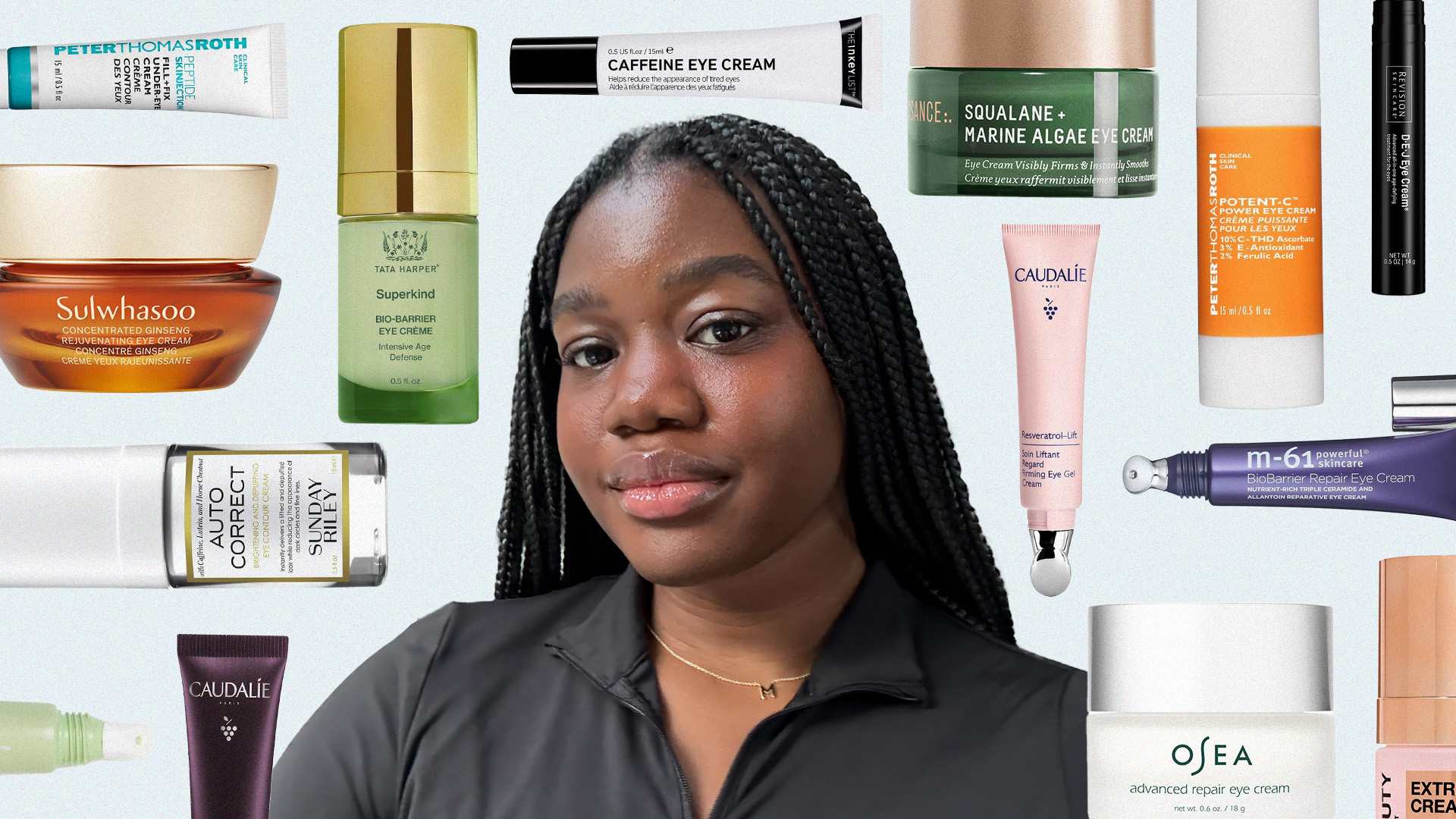
In the modern market, the “best” brand is increasingly the most ethical one. Packaging design has shifted from heavy, non-recyclable plastics to glass, refillable pods, and PCR (post-consumer recycled) materials. Brands like Biossance or Tata Harper have integrated sustainability into their core corporate identity. For the eco-conscious consumer, an eye cream cannot be the “best” if its packaging contributes to environmental degradation. Therefore, sustainable design becomes a competitive advantage that justifies a premium price.
Marketing Channels and the Power of Influencer Advocacy
The definition of the “best” eye cream is no longer dictated solely by glossy magazine ads. It is now forged in the crucible of social media and community engagement.
From Print Ads to TikTok: Shifting the Narrative
Traditionally, brands spent millions on celebrity endorsements and double-page spreads in Vogue. Today, brand strategy focuses on “social proof.” A viral video on TikTok showing an immediate reduction in puffiness can do more for a brand’s “best” status than a decade of print advertising. Brands that master short-form video content and community interaction are able to create a sense of urgency and ubiquity. The “best” product is often the one that is currently trending, as social validation acts as a powerful surrogate for personal experience.
Community-Led Branding: The Glossier Effect
Some of the most successful skincare brands have been built on a “community-first” model. By engaging directly with followers and asking what they want in an eye cream, brands like Glossier or Topicals create a sense of co-creation. When consumers feel they have had a hand in the brand’s development, their loyalty increases. In this context, the “best” eye cream is the one that makes the consumer feel heard and represented. This strategy moves the brand from a distant corporate entity to a peer-like relationship.
Brand Equity and the Price-Value Paradox
The financial valuation of a brand—its equity—is directly tied to how it handles the relationship between price and perceived value. Determining which eye cream is “best” often requires analyzing why consumers are willing to pay $300 for a product that costs $10 to manufacture.
Why We Pay for the Name, Not Just the Formula
Brand equity is the “added value” endowed to a product by its brand name. For many consumers, the best eye cream is a status symbol. Carrying a specific brand’s shopping bag or displaying a recognizable jar on a vanity provides psychological utility that goes beyond skincare. This is the “Halo Effect”—if a brand is known for high-quality handbags or fragrances, the consumer assumes their eye cream is of equal caliber.
Case Study: The Ordinary vs. La Mer
A fascinating look at brand strategy is the comparison between a $7 caffeine solution from The Ordinary and a $250 eye balm from La Mer. From a purely chemical standpoint, both may hydrate and de-puff. However, their brand strategies are diametrically opposed. The Ordinary wins on “value and accessibility,” making it the “best” for the budget-conscious pragmatist. La Mer wins on “ritual and prestige,” making it the “best” for the luxury seeker. Both are “best” within their respective brand silos because they fulfill the specific promises made by their corporate identities.
Future-Proofing Skincare Brands in a Saturated Market
As AI and personalization technology advance, the criteria for the “best” eye cream are shifting once again. Brands are no longer just selling products; they are selling personalized solutions.
Personalization as the Ultimate Brand Strategy
The future of brand dominance lies in hyper-personalization. Companies like SkinCeuticals or startup brands using AI-driven skin analysis are moving toward “bespoke” branding. In this model, the “best” eye cream is the one formulated specifically for your genetic makeup or climate. By leveraging technology, these brands move away from a “one-size-fits-all” identity to a “one-to-one” relationship. This level of customization creates high switching costs for the consumer, as the brand becomes a personal consultant rather than just a vendor.
The Role of Corporate Social Responsibility (CSR)
In the upcoming decade, brand strategy will be inextricably linked to corporate ethics. A brand’s stance on social issues, labor practices, and inclusivity will determine its place in the market. The “best” eye cream will be the one produced by a company that aligns with the consumer’s personal values. Brands that fail to integrate CSR into their identity risk being “canceled” or ignored by the next generation of high-spending consumers.

Conclusion: The Subjectivity of the “Best”
Ultimately, when we ask “what eye cream is best,” we are participating in a complex dialogue with brand marketers. The “best” product is the culmination of a successful brand strategy that aligns a product’s visual identity, price point, and narrative with the consumer’s self-image.
Whether it is the clinical rigor of a drugstore staple, the opulent storytelling of a luxury house, or the disruptive transparency of a digital-native brand, the winner is always the brand that best understands its audience’s desires. In the world of high-stakes branding, the “best” eye cream is not just a cosmetic—it is a carefully crafted experience that promises to solve a problem while reflecting the identity of the person who buys it.
aViewFromTheCave is a participant in the Amazon Services LLC Associates Program, an affiliate advertising program designed to provide a means for sites to earn advertising fees by advertising and linking to Amazon.com. Amazon, the Amazon logo, AmazonSupply, and the AmazonSupply logo are trademarks of Amazon.com, Inc. or its affiliates. As an Amazon Associate we earn affiliate commissions from qualifying purchases.