
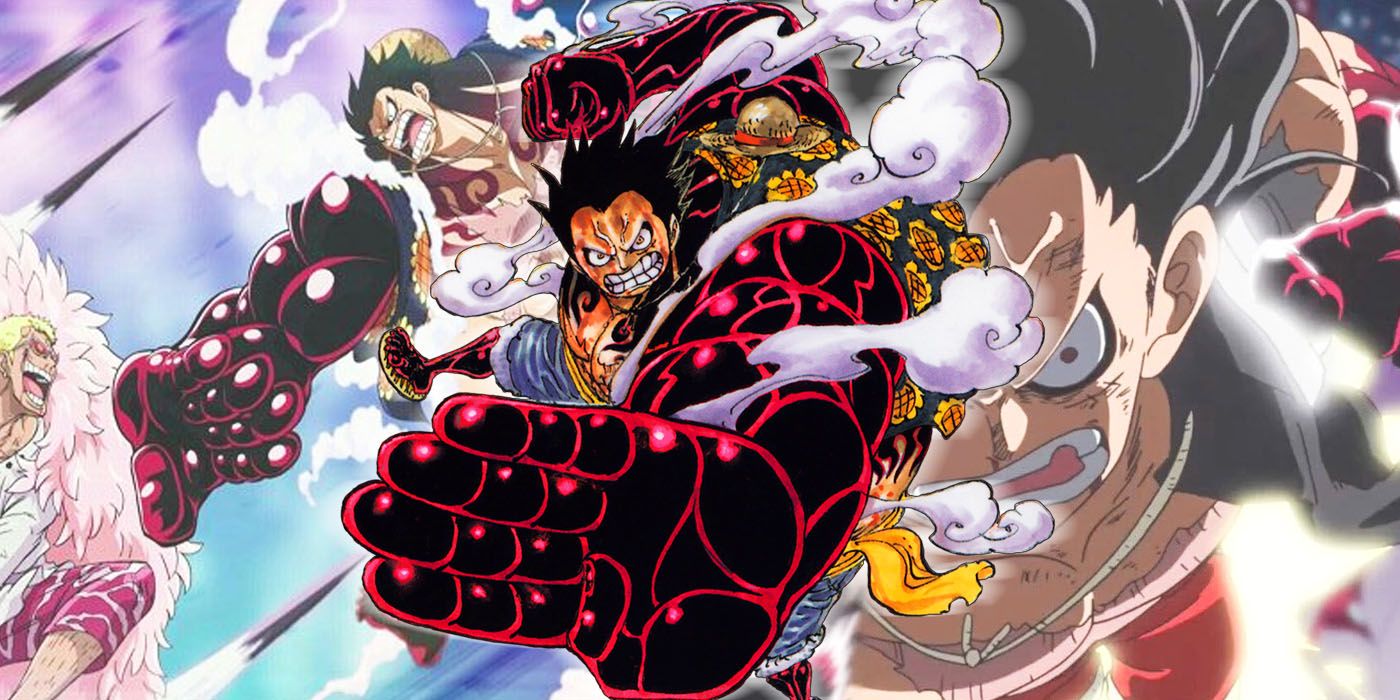
In the dynamic arena of modern business, where consumer preferences pivot rapidly and market landscapes are constantly reshaped by innovation, brands face an existential imperative: evolve or risk obsolescence. The quest for growth, differentiation, and enduring relevance often mirrors the journey of iconic characters in popular narratives – a relentless pursuit of strength, identity, and impact. Consider the evocative imagery of a protagonist reaching a new level of power, a “Gear 4,” a dramatic transformation that redefines their capabilities and electrifies their audience. For brands, identifying and executing their own “Gear 4” moment is not merely an option, but a strategic necessity. It’s about more than just a fresh coat of paint; it’s about a fundamental re-imagining of purpose, presence, and promise that resonates deeply with an evolving audience.

This article delves into the critical juncture where brands must strategically embrace significant transformation. We will explore what a “Gear 4” truly represents in the brand context, how to recognize the opportune “episode” for its unveiling, and the strategic machinations required to successfully execute such a powerful evolution, ensuring it propels your brand into a new era of engagement and influence.
The Anatomy of a Brand “Power-Up”: What Does “Gear 4” Represent?
A brand’s “Gear 4” is far more than a simple rebrand or a minor product update. It signifies a profound, strategic metamorphosis that fundamentally alters how the brand is perceived, what it offers, and its ultimate trajectory. It’s a moment of intensified power, clarity, and magnetism, designed to cut through market noise and capture the imagination of its target audience anew.
Beyond Incremental Changes: Differentiating Major Transformations
Many brands operate on a continuous improvement model, making incremental adjustments to their products, services, or marketing messages. While valuable, these smaller iterations are distinct from a “Gear 4” event. A “Gear 4” is a leap, not a step. It often involves:
-
A significant shift in market positioning: Moving from being a generalist to a specialist, or expanding into a completely new, yet synergistic, market segment.
-
Fundamental innovation in offerings: Introducing a disruptive product line, a revolutionary service model, or a novel customer experience that fundamentally redefines the category.
-
A radical re-articulation of brand narrative: Crafting a new story that captures a deeper emotional connection, addresses emerging societal values, or challenges existing industry paradigms.
-
A visual and auditory overhaul: While often part of a rebrand, in the context of a “Gear 4,” this is driven by a deeper strategic purpose, reflecting the brand’s elevated capabilities and renewed vision.
This isn’t just about looking different; it’s about being different in a way that truly matters to your audience and the market. It’s a declaration of a new strategic direction, backed by tangible changes in what the brand delivers.
Core Strengths Amplified: Leveraging Existing Equity
Crucially, a successful “Gear 4” doesn’t abandon a brand’s heritage; it amplifies its core strengths. Like a character drawing on their foundational abilities but refining and enhancing them into a superior form, a brand’s evolution should build upon its established equity, trust, and distinctive qualities. The transformation should feel like a natural, albeit powerful, progression, not a complete repudiation of its past.
This means identifying the fundamental values, unique selling propositions, and audience loyalties that have defined the brand to date. A “Gear 4” then uses these as a launchpad, supercharging them with new capabilities, relevance, and appeal. It’s about taking what makes you uniquely you and presenting it in a way that is irresistibly compelling for the future. Without this anchoring to core strengths, a brand transformation risks alienating existing customers and appearing inauthentic.
A Strategic Leap, Not a Blind Jump: The Foresight Behind Evolution
The decision to activate a brand’s “Gear 4” is never accidental. It is the culmination of extensive market research, competitor analysis, internal introspection, and strategic foresight. It requires a clear understanding of where the brand stands, where the market is heading, and where the brand wants to be. This involves:
-
Deep audience insights: Understanding evolving consumer behaviors, aspirations, and pain points.
-
Technological trend analysis: Identifying innovations that can enable new product or service paradigms.
-
Competitive landscape assessment: Pinpointing opportunities for differentiation and market leadership.
-
Internal capability audit: Evaluating what resources, talent, and technological infrastructure are needed to support the new brand vision.
A “Gear 4” is a calculated, strategic leap designed to secure future growth and market relevance, meticulously planned to ensure that every aspect of the transformation is aligned with overarching business objectives.
Identifying Your Brand’s “Gear 4” Moment: Strategic Timing and Triggers
Recognizing the precise “episode” when your brand needs to activate its “Gear 4” is paramount. It’s a delicate balance of responding to external pressures, seizing internal opportunities, and proactively addressing signs of potential stagnation. This moment is rarely announced by a single event but rather emerges from a confluence of factors.
Market Shifts and Consumer Demands: External Catalysts
External forces are often the most potent triggers for brand transformation. These can include:
-
Disruptive technologies: The emergence of AI, blockchain, or new communication platforms can create entirely new markets or render existing solutions obsolete. Brands must adapt their offerings and identity to align with these shifts.
-
Evolving societal values: Growing awareness around sustainability, ethical sourcing, diversity, and inclusion can necessitate a brand’s re-evaluation of its purpose and practices to resonate with a more conscious consumer base.
-
Changing economic landscapes: Recessions, booms, or shifts in purchasing power can require brands to recalibrate their value proposition, pricing strategies, and communication to remain appealing.
-
Intensified competition: New entrants, aggressive marketing by rivals, or consolidation in an industry can pressure brands to find new ways to stand out and offer superior value.
-
Global events: Pandemics, geopolitical shifts, or major cultural moments can fundamentally alter consumer behavior and priorities, demanding a brand’s agile response and transformation.
Ignoring these external catalysts is a perilous path, often leading to slow decline. A “Gear 4” moment in this context is a strategic response to maintain relevance and competitive edge.
Internal Innovation and Vision: Proactive Development
Sometimes, the impetus for a “Gear 4” comes from within. A brand’s leadership might develop a bold new vision, a breakthrough technology, or a novel business model that warrants a complete re-articulation of the brand. This proactive approach is driven by:
-
Product innovation: The development of a truly revolutionary product or service that renders previous offerings secondary and demands a refreshed brand identity to communicate its significance.
-
Leadership change: A new CEO or leadership team often brings a fresh perspective and a desire to steer the brand in a new, more ambitious direction.
-
Mission refinement: As a brand matures, its founders or stewards might seek to deepen its purpose, expand its impact, or refine its core mission, necessitating a brand evolution to reflect this new commitment.
-
Cultural overhaul: A recognition that the internal culture needs to align more closely with future aspirations, and a brand transformation can serve as a powerful external signal of this internal shift.
These internal drivers represent an opportunity to shape the future, rather than merely reacting to it. They allow a brand to proactively define its next chapter, rather than being forced into it.
Recognizing Stagnation or Decline: The Warning Signs
Perhaps the most urgent trigger for a “Gear 4” is the recognition of stagnation or decline. Warning signs include:
-
Declining market share or sales: A consistent downward trend that cannot be attributed to temporary market fluctuations.
-
Erosion of brand equity: Diminished brand loyalty, negative sentiment in public discourse, or a perceived lack of differentiation.
-
Talent flight: Difficulty attracting and retaining top talent, signaling that the brand is losing its luster as an employer.
-
Loss of relevance: Feedback indicating that the brand is seen as outdated, uncool, or no longer addressing consumer needs effectively.
-
Decreased customer engagement: Lower interaction rates on digital platforms, reduced repeat purchases, or a lack of organic advocacy.
These signals indicate that the brand’s current iteration is losing its grip, and a significant transformation is required to reverse the trend and reignite vitality. A “Gear 4” in this context is an essential lifeline, a strategic intervention to re-establish market presence and reclaim audience interest.

Executing the Brand Transformation: From Concept to Consumer Perception
Once the “Gear 4” moment is identified, the execution phase is critical. This isn’t just a marketing campaign; it’s a holistic organizational endeavor that touches every facet of the brand’s interaction with the world. Precision, consistency, and a clear narrative are paramount to ensure the transformation is successfully received and embraced.
Crafting the New Narrative: A Story of Evolution
At the heart of any successful brand “Gear 4” is a compelling new narrative. This story must:
-
Explain the “why”: Why is this transformation happening now? What problem is being solved, or what new opportunity is being seized?
-
Highlight the “what”: What has changed? What new capabilities, values, or offerings are now central to the brand?
-
Articulate the “how”: How will this evolution benefit the customer? What new experiences or solutions can they expect?
-
Maintain authenticity: The new narrative must feel genuine and consistent with the brand’s core identity, even as it signals significant change.
This narrative becomes the guiding star for all internal and external communications, ensuring that every touchpoint reinforces the new brand direction. It’s about creating an emotional connection that invites the audience to join the brand on its new journey.
Integrated Communication Strategies: A Unified Launch
A “Gear 4” rollout demands a meticulously planned, integrated communication strategy. All channels – from advertising and PR to social media, website redesign, and in-store experiences – must be synchronized to deliver a consistent, powerful message. This includes:
-
Phased unveiling: Building anticipation through teasers before a grand reveal, or launching in stages to allow for controlled feedback and adjustment.
-
Multi-channel saturation: Ensuring the new brand identity and message reach the target audience wherever they are, through a diverse mix of media.
-
Partnerships and influencers: Leveraging credible voices to amplify the new narrative and lend authority to the transformation.
-
Employee advocacy: Empowering internal teams to be brand ambassadors, ensuring they understand and can articulate the new vision.
The goal is to create a moment that is both impactful and memorable, leaving no doubt about the brand’s new era.
Internal Buy-in and Cultural Alignment: The Inside-Out Approach
A brand transformation cannot succeed without the full endorsement and enthusiastic participation of its internal stakeholders. Employees are the ultimate custodians of the brand, and their understanding and belief in the “Gear 4” are non-negotiable. This requires:
-
Early engagement: Involving employees in the transformation process from the outset, seeking their input, and addressing concerns.
-
Clear communication: Transparently explaining the rationale, goals, and implications of the “Gear 4” to all levels of the organization.
-
Training and empowerment: Providing the necessary tools, knowledge, and autonomy for employees to embody the new brand identity in their daily interactions.
-
Cultural reinforcement: Ensuring that internal policies, values, and practices align with the transformed brand, creating an authentic and consistent experience from the inside out.
When employees genuinely believe in the new direction, they become powerful advocates, transforming the brand’s promise into tangible customer experiences.
Anticipating and Managing Stakeholder Reactions: The Art of Response
Any significant brand change can evoke a range of reactions, from excitement and endorsement to confusion and resistance. Successful “Gear 4” execution involves:
-
Audience segmentation: Understanding that different segments may react differently and tailoring communication strategies accordingly.
-
Active listening: Monitoring social media, customer feedback channels, and industry sentiment to gauge reactions in real-time.
-
Transparent dialogue: Being prepared to address questions, concerns, and criticisms openly and honestly.
-
Flexibility and adaptation: While the core vision should remain steadfast, minor adjustments to messaging or implementation might be necessary based on initial feedback.
Navigating these reactions skillfully is crucial to ensure that the “Gear 4” is ultimately perceived as a positive, value-adding evolution rather than a misstep.
Measuring the Impact and Sustaining the Momentum: The Post-“Gear 4” Era
The launch of a brand’s “Gear 4” is not the finish line; it’s the starting gun for a new phase of growth and engagement. Measuring its impact and continuously nurturing its momentum are vital to realize the full potential of the transformation.
Key Performance Indicators of Brand Evolution: Quantifying Success
To truly understand if a “Gear 4” has achieved its objectives, brands must define and track relevant Key Performance Indicators (KPIs). These might include:
-
Brand awareness and recognition: Tracking metrics like search volume, social mentions, and media coverage for the new brand identity.
-
Brand perception and sentiment: Monitoring changes in consumer attitudes, brand association scores, and online sentiment analysis.
-
Customer engagement: Observing increases in website traffic, social media interaction rates, customer loyalty programs participation, and repeat purchases.
-
Market share and sales growth: Quantifying the direct impact on revenue and competitive standing.
-
Employee retention and attraction: Assessing the “Gear 4’s” influence on internal morale and the brand’s appeal as an employer.
-
Differentiation and competitive advantage: Measuring how the brand’s unique selling propositions are now perceived in comparison to competitors.
These metrics provide objective data points to assess the effectiveness of the transformation and inform future strategic decisions.
Cultivating Long-Term Engagement: Beyond the Initial Buzz
The initial excitement around a “Gear 4” launch is temporary. Sustainable success hinges on cultivating long-term engagement. This involves:
-
Consistent innovation: Continuing to evolve products, services, and experiences in alignment with the new brand vision.
-
Community building: Fostering a strong sense of belonging among customers and advocates, encouraging ongoing interaction and feedback.
-
Thought leadership: Positioning the brand as a credible voice and innovator within its industry, contributing valuable insights and perspectives.
-
Responsive customer service: Delivering exceptional experiences that reinforce the brand’s commitment to its audience.
-
Personalization: Tailoring interactions and offerings to individual customer preferences, deepening relationships and loyalty.
The “Gear 4” lays the foundation, but continuous effort is required to build a thriving ecosystem around the evolved brand.
The Continuous Evolution Mindset: A Journey, Not a Destination
Ultimately, a brand’s “Gear 4” is not a final form, but rather a significant stage in an ongoing journey of evolution. The most successful brands understand that the market is perpetually in motion, and therefore, so must they be. This requires a continuous evolution mindset, where:
-
Agility is paramount: The ability to quickly adapt, learn, and iterate is crucial in responding to new challenges and opportunities.
-
Learning is ingrained: Regular market sensing, performance analysis, and feedback loops inform ongoing adjustments and future transformations.
-
Vision is enduring, but strategy is flexible: While the core purpose and values of the brand may remain stable, the methods and manifestations of those values must be adaptable.
-
Future “Gear Ups” are anticipated: Leaders remain vigilant for the next strategic inflection point, always considering what the next powerful evolution for their brand might look like.
In essence, the question “What episode does your brand get its ‘Gear 4’?” is not just about a single event, but about instilling a culture of proactive, strategic transformation. It’s about empowering your brand to constantly redefine its limits, delight its audience, and secure its enduring legacy in an ever-changing world.
aViewFromTheCave is a participant in the Amazon Services LLC Associates Program, an affiliate advertising program designed to provide a means for sites to earn advertising fees by advertising and linking to Amazon.com. Amazon, the Amazon logo, AmazonSupply, and the AmazonSupply logo are trademarks of Amazon.com, Inc. or its affiliates. As an Amazon Associate we earn affiliate commissions from qualifying purchases.