
The question “what episode does King Joffrey die” transcends mere fan curiosity about a plot point; it encapsulates a pivotal moment in modern storytelling and, crucially, a masterclass in brand building. For brands, especially those deeply rooted in narrative – be it entertainment, content marketing, or even a compelling corporate vision – such a moment represents the zenith of strategic engagement. The death of King Joffrey Baratheon in Game of Thrones was not just a twist; it was a carefully orchestrated, globally resonant event that solidified the show’s brand identity, redefined audience expectations, and demonstrated the profound power of narrative in cultivating unparalleled loyalty and cultural impact.

This article delves into how iconic moments, akin to Joffrey’s demise, serve as critical touchpoints in a brand’s journey, exploring the strategic elements that elevate a story beat into a cultural phenomenon and offering actionable insights for brands seeking to forge similar, unforgettable connections with their audience.
The Anatomy of an Iconic Brand Moment: Beyond Mere Storytelling
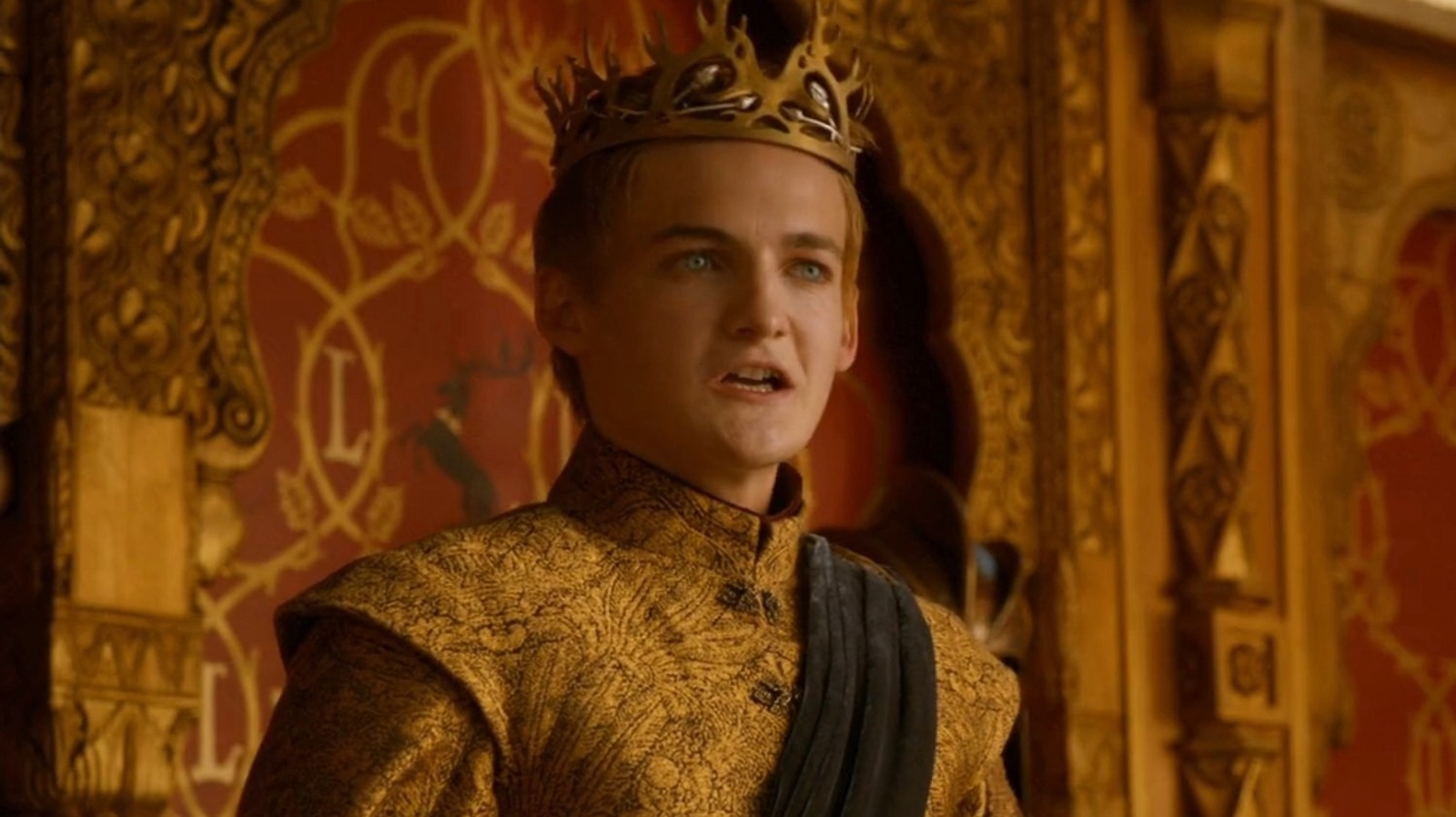
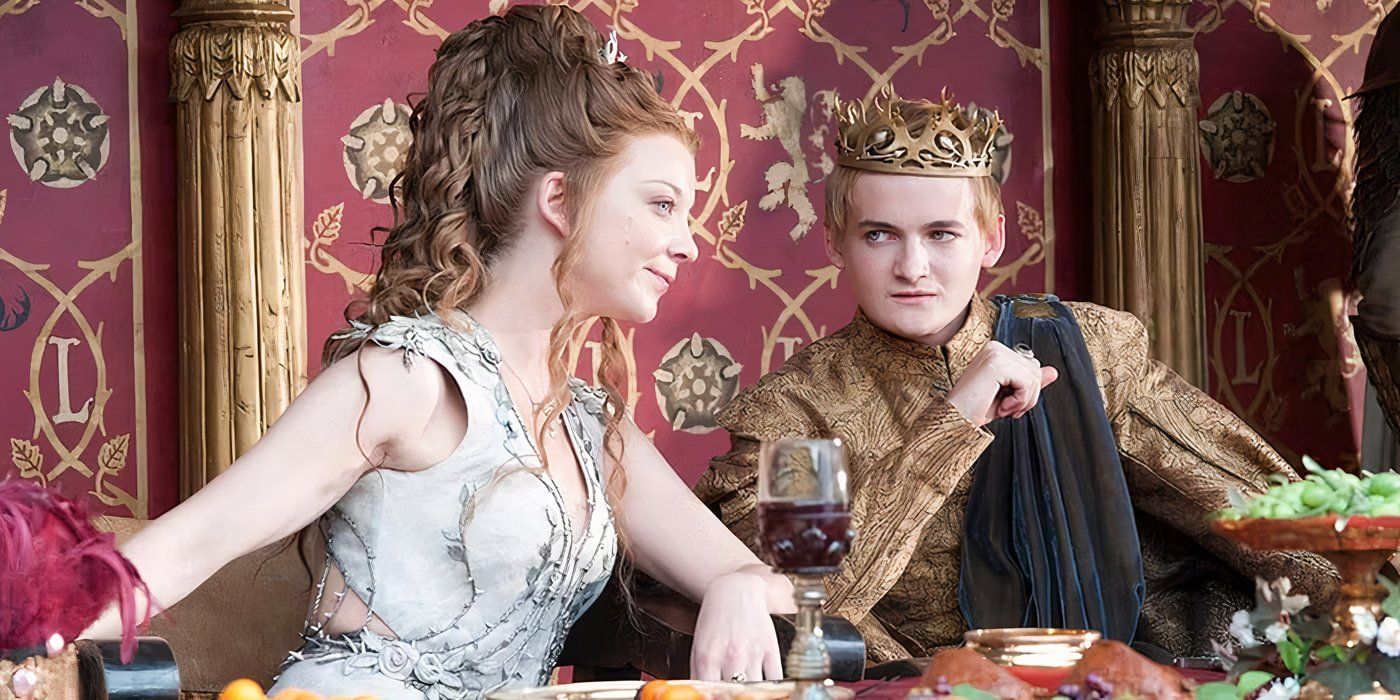
Every successful brand aims to tell a story, but only a select few manage to craft moments that embed themselves in the collective consciousness. King Joffrey’s death, often cited by fans as “The Purple Wedding” in Season 4, Episode 2, “The Lion and the Rose,” is a prime example of an entertainment brand executing a narrative beat with such precision that it transcended television to become a global talking point. This wasn’t accidental; it was the culmination of deliberate brand-building strategies.
Crafting Unforgettable Narratives
At the heart of any iconic moment is a meticulously constructed narrative. For Game of Thrones, this meant years of character development, world-building, and escalating tension. Joffrey was not just a villain; he was a symbol of unchecked power, cruelty, and the inherent injustices within the show’s world. His existence created a constant, visceral reaction from viewers. Brands must understand that truly impactful moments are built on a foundation of consistent, coherent storytelling. This involves:
-
Deep Character/Persona Development: Whether it’s a character in a show or the persona of a brand, a well-defined identity evokes strong emotions. Joffrey’s loathsome persona made his ultimate downfall incredibly satisfying, demonstrating how investing in authentic and sometimes polarizing “characters” can amplify audience investment.
-
Strategic Pacing and Escalation: The lead-up to Joffrey’s death involved numerous cruel acts and injustices, each serving to heighten the audience’s desire for his comeuppance. Brands can learn to build anticipation by strategically releasing information, showcasing product evolution, or allowing their brand narrative to unfold in compelling, escalating chapters.
-
Thematic Resonance: Beyond individual plot points, iconic moments often tap into broader themes. Joffrey’s death resonated with themes of justice, fate, and the eventual reckoning for evil deeds. Brands that align their key moments with universal human values and aspirations create deeper, more meaningful connections.
The Power of Anticipation and Payoff
The anticipation surrounding Joffrey’s fate was palpable, driven by George R.R. Martin’s books and the show’s reputation for unpredictable violence against even its most central characters. The moment of his death itself, a slow, agonizing poison, delivered an extraordinary payoff that met, and arguably exceeded, fan expectations. This delicate balance between building anticipation and delivering a satisfying resolution is crucial for any brand.
-
Building Expectation Arcs: Smart brands understand how to create narrative arcs that pull customers through a journey. This might involve teasers for a new product, a series of blog posts leading to a major announcement, or a campaign that slowly reveals a deeper brand purpose. The goal is to make the audience invested in what’s coming next.
-
Delivering a Resonant Climax: When the moment arrives, it must deliver. The “Purple Wedding” was meticulously directed, acted, and scored, ensuring every detail contributed to the impact. For brands, this means ensuring product launches are seamless, content releases are polished, and brand experiences are memorable. A powerful payoff validates the audience’s investment and strengthens their trust and loyalty.
The Role of Character in Brand Connection
The audience’s connection to characters, whether they be heroes or villains, directly translates into their connection with the brand. Joffrey, despite being reviled, was a powerful catalyst for audience engagement. His death wasn’t just an event; it was a character-driven resolution that allowed viewers to experience a catharsis that further cemented their emotional bond with Game of Thrones. Brands must recognize that:
-
Emotional Investment Drives Engagement: When customers feel a strong emotion—be it joy, frustration, admiration, or even anger—towards a brand’s “characters” (its products, its spokespeople, its mission), they are far more likely to engage deeply and consistently.
-
Characters as Brand Ambassadors (or Antagonists): Every character in a narrative contributes to the overall brand impression. Even a character like Joffrey, designed to be hated, served to underscore the show’s grittiness and moral complexity, defining part of its unique brand appeal. Brands must consider how every element, from product design to customer service interactions, contributes to the overarching “character” of their brand.
Managing Fan Engagement and Spoilers in the Digital Age
The cultural magnitude of Joffrey’s death also highlighted a critical challenge for modern brands: navigating audience engagement and spoiler culture in an always-on digital world. Brands, particularly those dealing with narrative or anticipatory releases, must strategically manage information flow to maximize impact without alienating their most ardent followers.
The Double-Edged Sword of Social Media
Social media amplified the reaction to Joffrey’s death to unprecedented levels. The immediate, global outpouring of relief, shock, and memes demonstrated the power of collective audience response. However, it also presented a significant challenge: controlling spoilers.
-
Instantaneous Global Reach: Moments like Joffrey’s death immediately dominate social feeds, creating immense buzz and virality. Brands can leverage this instant reach for announcements, viral campaigns, or real-time engagement during live events.
-
The Spoiler Minefield: For narrative-driven brands, spoilers are an existential threat to the carefully crafted viewing or consumption experience. The challenge is to encourage conversation and hype without ruining the experience for those who haven’t caught up. Brands must develop clear policies and strategies for handling sensitive information.
Brand Strategies for Spoiler Management
Effective spoiler management is a sophisticated balancing act. Game of Thrones (and HBO) employed several tactics, albeit with varying degrees of success, to manage the narrative fallout of major plot points.
-
Controlled Information Release: Brands can strategically release information in stages, creating controlled anticipation. This might involve embargoes for media, staggered product launches across regions, or drip-feeding teasers without revealing the core twist.
-
Community Guidelines and Moderation: Encouraging fan communities to self-regulate spoilers through dedicated “spoiler-free” zones or clear guidelines can be effective. Brands can also actively moderate their own channels to protect their audience’s experience.
-
Embracing the Conversation (Post-Reveal): Once a major event has occurred and enough time has passed, brands can lean into the conversation. Official “recap” content, behind-the-scenes features, and direct engagement with fan theories can extend the lifespan of the moment and deepen audience connection. This shifts the focus from avoiding spoilers to celebrating the shared experience.
Fostering Community, Not Just Consumption
The intense reaction to Joffrey’s death wasn’t just about the episode; it was about a shared experience within a passionate global community. Brands that successfully foster a sense of community around their products or services build a loyal following that goes beyond mere transactional relationships.
-
Shared Experiences: Creating opportunities for audiences to experience key moments together, whether through live events, watch parties, or interactive online platforms, strengthens collective identity.
-
Facilitating Dialogue: Brands should provide platforms for discussion, feedback, and co-creation. Listening to the community’s voice, even when it’s critical, demonstrates respect and can provide invaluable insights for future brand strategies.
-
Rewarding Advocacy: Recognizing and rewarding loyal fans who act as brand advocates amplifies reach and reinforces community bonds. These advocates become powerful extensions of the brand’s marketing efforts.
Long-Term Brand Equity: Beyond the Shock Value
While the immediate shock and satisfaction of Joffrey’s death were immense, the true measure of its success lies in its contribution to the long-term brand equity of Game of Thrones. Iconic moments, when handled correctly, do more than just generate buzz; they become cornerstones of a brand’s legacy.
Sustaining Narrative Resonance
A truly impactful moment doesn’t fade with the next news cycle. Joffrey’s death remains a memorable touchstone for fans, even years after the show concluded. This sustained resonance is a powerful indicator of brand strength.
-
Anchoring Brand Identity: Key narrative moments often define a brand’s identity. Game of Thrones became synonymous with unpredictable, high-stakes drama, a reputation largely built on events like Joffrey’s demise. Brands need to identify their defining moments and ensure they consistently reinforce their core identity.
-
Fueling Ongoing Engagement: Retelling and revisiting iconic moments in marketing, retrospective content, or even fan-generated material keeps the brand alive and relevant long after the initial event. Brands can actively curate and promote content that celebrates these defining narratives.
From Event to Legacy: Building Enduring Franchises
The success of Game of Thrones as a brand extended far beyond its initial run, spawning prequels, merchandise, and a lasting cultural footprint. Iconic moments contribute significantly to building an enduring franchise.
-
Creating Foundational Mythology: Every great brand has a mythology—a set of stories and symbols that define it. Joffrey’s death became a crucial part of the Game of Thrones mythology, a narrative beat often referenced in discussions about justice and consequence within the world.
-
Generating Spin-off Potential: Powerful moments and characters create fertile ground for spin-offs and expanded universes. The enduring interest in the world of Westeros, partly fueled by its dramatic turning points, led directly to series like House of the Dragon. Brands with strong narrative foundations can explore new avenues of growth and expansion.
Measuring the Impact of Key Narrative Beats
While difficult to quantify precisely, the impact of iconic moments on brand equity can be inferred through various metrics.
-
Audience Growth & Retention: Did events like Joffrey’s death attract new viewers and retain existing ones? (Yes, viewership numbers often spiked).
-
Social Sentiment & Mentions: Monitoring social media for positive sentiment, share of voice, and sustained discussion can indicate the long-term impact.
-
Merchandise Sales & Brand Extensions: The ability to monetize the brand through various extensions is a strong indicator of its cultural value and sustained appeal.
Lessons for Modern Brands: Crafting Your Own “Joffrey Moment”
While few brands operate on the scale of Game of Thrones, the principles behind its success in crafting iconic moments are universally applicable. Modern brands across all industries can learn to leverage narrative and strategic engagement to build stronger, more memorable connections with their audiences.
Authenticity as the North Star
The reason Joffrey’s death resonated so deeply was its authenticity within the established world of Game of Thrones. It felt earned, even if shocking. Brands must ensure their own “moments,” whether product launches, marketing campaigns, or brand announcements, feel true to their core values and mission.
-
Stay True to Brand Voice: Consistency in messaging and tone builds trust and makes brand moments feel genuine.
-
Deliver on Promises: Authenticity means delivering on the implicit and explicit promises made to customers. A moment that feels like a betrayal of brand values will do more harm than good.
Strategic Storytelling Across All Touchpoints
A brand’s narrative isn’t confined to a single marketing campaign; it encompasses every interaction a customer has with the brand. From social media posts to customer service emails, every touchpoint is an opportunity to tell a cohesive, compelling story.
-
Integrated Campaigns: Ensure all marketing channels—digital, print, experiential—work in concert to build anticipation and deliver on key brand moments.
-
Customer Journey as a Narrative: Map the customer journey and identify opportunities to embed compelling narrative beats that delight, inform, and engage at every stage.
Empowering Your Audience as Brand Advocates
Ultimately, the most powerful brand moments are those that resonate so deeply that the audience takes ownership of them, sharing them, discussing them, and becoming advocates. Brands should strive to create moments that inspire this level of engagement.
-
Create Shareable Content: Design content that is inherently shareable and encourages discussion, debate, and emotional response.
-
Incentivize User-Generated Content: Encourage customers to create their own stories and content around your brand, amplifying its reach and authenticity.
-
Listen and Adapt: Pay attention to how your audience reacts to your brand’s moments. Use feedback to refine your narrative and future engagement strategies, demonstrating that their voice matters.
In conclusion, the simple question, “what episode does King Joffrey die,” unlocks a treasure trove of insights for brand strategy. It exemplifies how powerful, well-executed narrative moments can define a brand, galvanize an audience, and build enduring legacy. For any brand aiming to cut through the noise and achieve lasting impact, the lessons from Westeros are clear: invest in authentic storytelling, master the art of anticipation and payoff, navigate digital engagement with grace, and consistently build towards a legacy that transcends mere transactions.
aViewFromTheCave is a participant in the Amazon Services LLC Associates Program, an affiliate advertising program designed to provide a means for sites to earn advertising fees by advertising and linking to Amazon.com. Amazon, the Amazon logo, AmazonSupply, and the AmazonSupply logo are trademarks of Amazon.com, Inc. or its affiliates. As an Amazon Associate we earn affiliate commissions from qualifying purchases.