
In an increasingly dynamic world, the simple question “what banks are open right now” carries more complexity and significance than ever before. Far from a mere inquiry about immediate availability, it speaks to the evolving nature of financial services, the interplay between traditional brick-and-mortar institutions and digital convenience, and the critical need for timely access to one’s funds and financial tools. For individuals managing personal finances, small business owners handling daily transactions, or corporations overseeing vast capital flows, knowing the operational status of banking facilities is paramount. This article delves into the multi-faceted answer to this question, exploring the factors that influence bank hours, the rise of digital alternatives, and strategies for ensuring uninterrupted financial access in an always-on economy.
The Evolving Landscape of Bank Operating Hours
The traditional image of banks operating strictly within a 9-to-5, Monday-to-Friday framework is increasingly outdated. While core hours remain, a myriad of factors now dictate when and how financial institutions make their services available, reflecting both customer demand and operational realities.
Beyond Traditional 9-to-5: Standard Hours and Exceptions
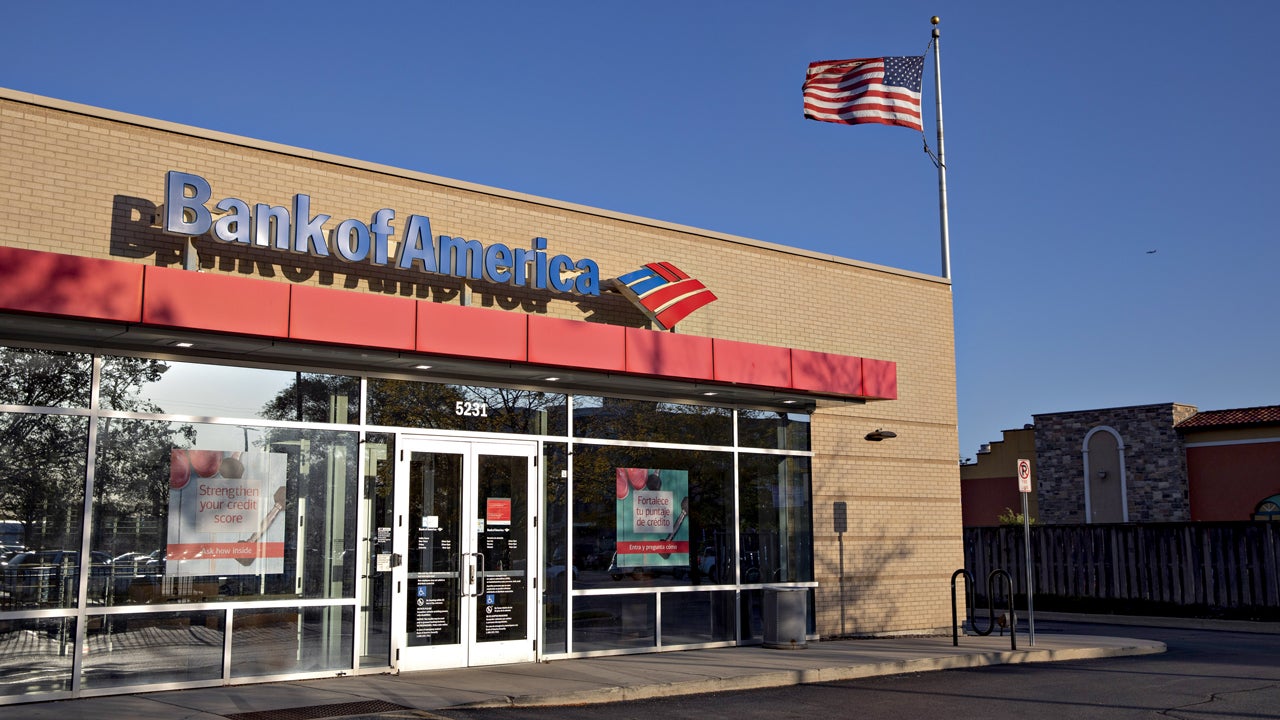
Most commercial banks still maintain a primary set of operating hours for their physical branches, typically extending from morning to late afternoon on weekdays. However, even these standard hours exhibit significant variation. Suburban branches might have different schedules than those in downtown financial districts. Some banks offer extended hours on certain days of the week, often later on Thursdays or Fridays, to accommodate customers who work traditional office hours. Weekend operations, once a rarity, are becoming more common, particularly for large retail banks or branches located within shopping centers, responding to the lifestyle patterns of modern consumers. It’s crucial for customers not to assume uniformity and to verify the specific hours of their preferred branch.
The Impact of Public Holidays and Weekends
Public holidays represent a universal exception to standard banking hours. In most countries, banks observe national holidays, resulting in complete closures for physical branches. While these closures are often predictable (e.g., Christmas Day, New Year’s Day, national independence days), customers must still be mindful of their local holiday calendar. Furthermore, specific financial services may be impacted differently. While branches are closed, digital banking platforms and ATMs usually remain operational, though transactions requiring human intervention (like check clearing or wire transfers) might experience delays until the next business day. The distinction between physical availability and digital transaction processing becomes especially critical during these periods.
Regional and Emergency Closures
Beyond scheduled holidays, banks can experience closures due to unforeseen circumstances. Natural disasters such as hurricanes, blizzards, floods, or earthquakes frequently necessitate temporary branch closures to ensure the safety of staff and customers. In such scenarios, closures can be regional or even widespread, disrupting financial access for entire communities. Additionally, localized issues like power outages, system failures, or even civil unrest can lead to impromptu closures. During global health crises, like the recent pandemic, banks adapted their operations dramatically, sometimes reducing hours, limiting services to drive-thrus, or shifting to appointment-only models to comply with public health directives. These situations underscore the importance of having multiple banking access points and staying informed through official channels.
Digital Banking: Your 24/7 Financial Lifeline
The digital revolution has fundamentally transformed banking accessibility, offering powerful alternatives to physical branches. For many routine transactions, the question of “what banks are open right now” is now moot, as digital platforms provide round-the-clock access.
Mobile Apps and Online Portals: Uninterrupted Access
Modern banking applications and secure online portals have become indispensable tools for financial management. They empower users to perform a vast array of transactions and inquiries from virtually anywhere, at any time. This includes checking account balances, reviewing transaction history, transferring funds between accounts, paying bills, depositing checks via mobile capture, setting up alerts, managing investments, and even applying for loans. The convenience is unparalleled, allowing individuals and businesses to manage their finances outside traditional banking hours, during commutes, or from the comfort of their homes. This 24/7 availability significantly reduces the urgency and frequency of needing to visit a physical branch for common tasks.
ATM Networks: Cash and Basic Transactions Anytime
Automated Teller Machines (ATMs) represent an early form of 24/7 banking access and remain crucial. Widely distributed in various locations – bank branches, convenience stores, shopping malls, and airports – ATMs provide immediate access to cash withdrawals and deposits. Beyond these primary functions, many ATMs also allow users to check balances, transfer funds between linked accounts, and even make loan payments. The extensive networks, often accessible regardless of the specific bank (though transaction fees may apply for out-of-network ATMs), offer a reliable safety net for urgent cash needs when branches are closed or inaccessible. For businesses, ATMs can also serve as convenient drop-off points for daily cash deposits.
Limitations of Digital: When a Branch Visit is Essential
Despite the incredible advancements in digital banking, there are still specific situations where a physical branch visit becomes necessary or highly advantageous. Complex transactions, such as opening certain types of specialized accounts, applying for significant loans (like mortgages or business lines of credit that require extensive documentation and in-person consultation), or resolving intricate account discrepancies often benefit from direct interaction with a banking professional. Notarization of documents, foreign currency exchange (especially for less common currencies), and dealing with lost or stolen debit/credit cards (though initial reporting can be done digitally) sometimes require a visit. Furthermore, for customers who prefer face-to-face service, or for those less comfortable with technology, the human touch provided by a branch employee remains invaluable for advice, reassurance, and personalized assistance.
Strategies for Locating Open Banks and Planning Your Transactions
Navigating the varied banking landscape requires proactive strategies to ensure that financial needs are met efficiently, irrespective of the time or day. The key lies in leveraging available information resources effectively.
Leveraging Official Bank Resources (Websites, Apps, Customer Service)
The most reliable source for current banking hours and operational status is always the bank itself. Every reputable financial institution maintains an official website where branch locators provide detailed information, including addresses, phone numbers, operating hours, and often an indication of specific services available at each location. Mobile banking apps often integrate similar branch locators, sometimes with real-time updates on closures or special hours. For urgent inquiries or complex scenarios, calling the bank’s customer service line is highly effective. Representatives can provide the most up-to-date information, clarify holiday schedules, and even offer guidance on alternative banking methods. It is a best practice to bookmark your bank’s official website or download its mobile app for quick access.
Utilizing Online Search Engines and Aggregators
When time is of the essence, or if you’re in an unfamiliar area, general online search engines (like Google Maps) can be incredibly useful. A quick search for “banks open near me” will typically yield a list of local branches with their reported operating hours, phone numbers, and directions. Many of these platforms also integrate user-submitted data, which can sometimes provide insights into current conditions or recent changes. However, it’s prudent to cross-reference this information with official bank channels, as third-party aggregators might not always have the most immediate updates, especially during rapidly evolving situations like emergency closures. Nonetheless, they serve as an excellent starting point for initial discovery.
Proactive Planning for Critical Financial Needs
The most effective strategy for managing banking accessibility is proactive planning. If you anticipate needing a specific service that requires a physical branch visit, check the hours well in advance. For large deposits, withdrawals, or loan applications, consider scheduling an appointment, which can often streamline the process and ensure a banker is available to assist you. Keep in mind the “next business day” rule for many digital transactions processed after a certain cut-off time. By understanding these nuances, individuals and businesses can avoid last-minute rushes and potential delays, ensuring that critical financial tasks are completed smoothly and on schedule.
The Importance of Timeliness in Financial Management
Understanding bank operating hours extends beyond mere convenience; it’s a fundamental aspect of sound financial management, impacting everything from cash flow to investment decisions.
Understanding Transaction Cut-Off Times
One of the most critical aspects of banking timeliness is understanding “cut-off times.” While you might initiate a transaction digitally at any hour, banks have specific deadlines for processing certain types of transactions on the current business day. For example, a check deposited via a mobile app after 5 PM local time might not begin processing until the next business day, delaying funds availability. The same applies to wire transfers, ACH payments, and sometimes even inter-account transfers. Missing a cut-off time can have significant implications, potentially leading to late fees, missed payment deadlines, or delayed access to critical funds for personal or business operations. Financial literacy includes knowing these times for your specific bank and transaction types.
Urgent Financial Needs: When Every Minute Counts
There are instances where immediate access to banking services is not just convenient but absolutely critical. An unexpected medical emergency requiring cash, a last-minute business expense that needs immediate payment, or the urgent need to transfer funds to prevent a negative balance are situations where knowing which banks are open right now can be a lifesaver. In these scenarios, the blend of physical and digital options becomes invaluable. While an ATM might provide immediate cash, a specific query about an account might necessitate a call to customer service or, in rare cases, a visit to an open branch if the issue cannot be resolved digitally. Being prepared for such contingencies by knowing your bank’s various access points and their respective availabilities is essential.
Minimizing Disruptions to Personal and Business Finance
Effective management of bank hours and accessibility directly translates into minimizing disruptions to personal and business financial flows. For individuals, this means ensuring bills are paid on time, funds are available for planned expenses, and unexpected financial hurdles can be overcome quickly. For businesses, especially small and medium-sized enterprises (SMEs), timely banking access is crucial for managing payroll, receiving payments from clients, making vendor payments, and ensuring operational liquidity. Delays due to unawareness of bank hours or transaction processing times can lead to reputational damage, missed opportunities, and even financial penalties. A well-informed approach to banking accessibility is a cornerstone of robust financial health.
The Future of Banking Accessibility and Customer Experience
The landscape of “what banks are open right now” is not static; it is continually evolving, driven by technological innovation, changing customer expectations, and the competitive financial services market. The future promises even greater flexibility and personalization in how we interact with our banks.
Hybrid Models: Blending Digital Convenience with Human Touch
The future of banking is likely to embrace sophisticated hybrid models that seamlessly integrate the best of digital convenience with the invaluable human touch of physical branches. Banks are investing in “phygital” strategies, where digital tools enhance the branch experience (e.g., self-service kiosks, appointment scheduling via app) and human advisors are equipped with advanced technology to provide more personalized and efficient service. This means that while more routine transactions will occur digitally, branches will evolve into advisory centers, focusing on complex financial planning, wealth management, and relationship building. The question won’t just be if a bank is open, but how it’s open and what kind of tailored service it can provide.
AI and Predictive Analytics in Banking Support
Artificial intelligence (AI) and predictive analytics are set to revolutionize banking support and accessibility. AI-powered chatbots and virtual assistants can already handle a wide range of customer inquiries 24/7, offering instant answers to questions about account status, transaction details, and even bank hours. Predictive analytics will allow banks to anticipate customer needs, proactively offer relevant financial products or advice, and even predict potential issues (like overdrafts) before they occur. This will enhance the overall customer experience, making banking more intuitive and responsive, further blurring the lines between “open” and “closed” for many common needs.

The Personalized Approach to Banking Services
Ultimately, the future of banking accessibility will be highly personalized. Banks will leverage data to understand individual customer preferences, offering customized recommendations for how and when to interact. This might mean extended digital support for night owls, tailored branch hours for businesses, or dedicated virtual advisors for specific segments. The goal is to move beyond a one-size-fits-all approach to an ecosystem where banking services adapt to the customer’s lifestyle and needs, rather than the other way around. The question “what banks are open right now” will transform into “what banking services are available to me, in the way I prefer, at the moment I need them.”
In conclusion, understanding “what banks are open right now” is a dynamic and essential aspect of modern financial literacy. While the immediate answer might involve checking a website or an app, the deeper implications speak to the profound changes sweeping the financial sector. As digital tools continue to evolve and physical branches adapt their roles, individuals and businesses are empowered with unprecedented flexibility in managing their finances. By staying informed, leveraging available technologies, and planning proactively, customers can navigate this evolving landscape with confidence, ensuring timely access to the financial services they need, whenever and wherever they need them.
aViewFromTheCave is a participant in the Amazon Services LLC Associates Program, an affiliate advertising program designed to provide a means for sites to earn advertising fees by advertising and linking to Amazon.com. Amazon, the Amazon logo, AmazonSupply, and the AmazonSupply logo are trademarks of Amazon.com, Inc. or its affiliates. As an Amazon Associate we earn affiliate commissions from qualifying purchases.