
The Earned Income Tax Credit (EITC) is a refundable tax credit for low-to-moderate-income working individuals and couples. It is designed to provide a financial boost to those who are earning income but may still be struggling to make ends meet. Unlike many tax credits that only reduce your tax liability to zero, the EITC is refundable, meaning if the credit is more than the tax you owe, you can receive the difference back as a refund. This crucial feature makes it a powerful tool for poverty reduction and economic upliftment for millions of Americans.
The EITC is one of the most effective anti-poverty programs in the United States, lifting millions of individuals and children out of poverty each year. Its impact extends beyond immediate financial relief, often leading to improved health outcomes, increased educational attainment for children, and greater economic stability for families. Understanding how the EITC works, who qualifies, and how to claim it is essential for eligible individuals to take full advantage of this significant financial benefit.
Eligibility Requirements for the EITC
To qualify for the Earned Income Tax Credit, taxpayers must meet several criteria related to their income, filing status, investment income, and residency. These requirements are designed to ensure that the credit benefits those who are genuinely working and have limited financial resources.
Income Limitations
The most significant factor in determining EITC eligibility is your adjusted gross income (AGI) and your earned income. Both of these figures must fall within specific limits, which vary depending on your filing status and the number of qualifying children you have. For instance, the income limits are higher for taxpayers with more children, recognizing the increased financial responsibilities associated with raising a family. The IRS publishes these income limits annually, and they are updated to reflect inflation and economic conditions. It’s important to note that “earned income” generally includes wages, salaries, tips, and other compensation for personal services. It does not typically include unemployment benefits, alimony, or investment income.
Qualifying Child Rules
For many EITC applicants, having a qualifying child is a key requirement. A qualifying child must meet several tests, including age, relationship, residency, and joint return tests.
- Age Test: The child must be under age 19 at the end of the tax year, or under age 24 if they are a full-time student, or any age if they are permanently and totally disabled.
- Relationship Test: The child must be your son, daughter, stepchild, foster child, brother, sister, half-brother, half-sister, stepbrother, stepsister, or a descendant of any of them (e.g., your grandchild, niece, or nephew).
- Residency Test: The child must have lived with you in the United States for more than half of the tax year.
- Joint Return Test: The child cannot have filed a joint return for the tax year unless it was filed only to claim a refund of withheld income tax or estimated tax paid.
There is also a category for taxpayers without a qualifying child. Eligibility rules for these individuals are generally more restrictive, with lower income limits and a higher minimum age requirement (typically 25).
Residency and Filing Status
To claim the EITC, you must have lived in the United States for more than half of the tax year. Furthermore, you cannot be claimed as a dependent on someone else’s tax return. Your filing status also plays a role; you generally cannot file as “married filing separately” to claim the EITC, although there are exceptions for those who are legally separated or living apart from their spouse. Allowed filing statuses typically include single, married filing jointly, head of household, and qualifying widow(er) with a dependent child.
Investment Income Limits
Another critical requirement is the limitation on investment income. For the 2023 tax year, your investment income cannot exceed $11,000. Investment income includes things like dividends, interest, capital gains, and royalties. This rule ensures that the EITC is primarily benefiting those who rely on earned wages rather than those with significant passive income.
How the EITC is Calculated
The amount of the Earned Income Tax Credit you receive depends on several factors, including your earned income, your adjusted gross income (AGI), your filing status, and the number of qualifying children you have. The credit is calculated using a complex formula that aims to provide more significant benefits to those with lower incomes and more dependents.
The Role of Earned Income and AGI
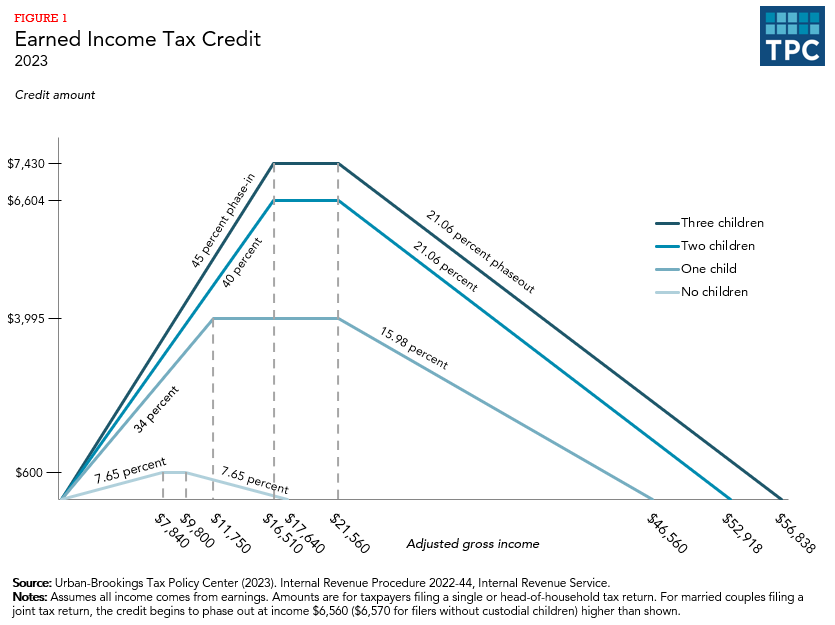
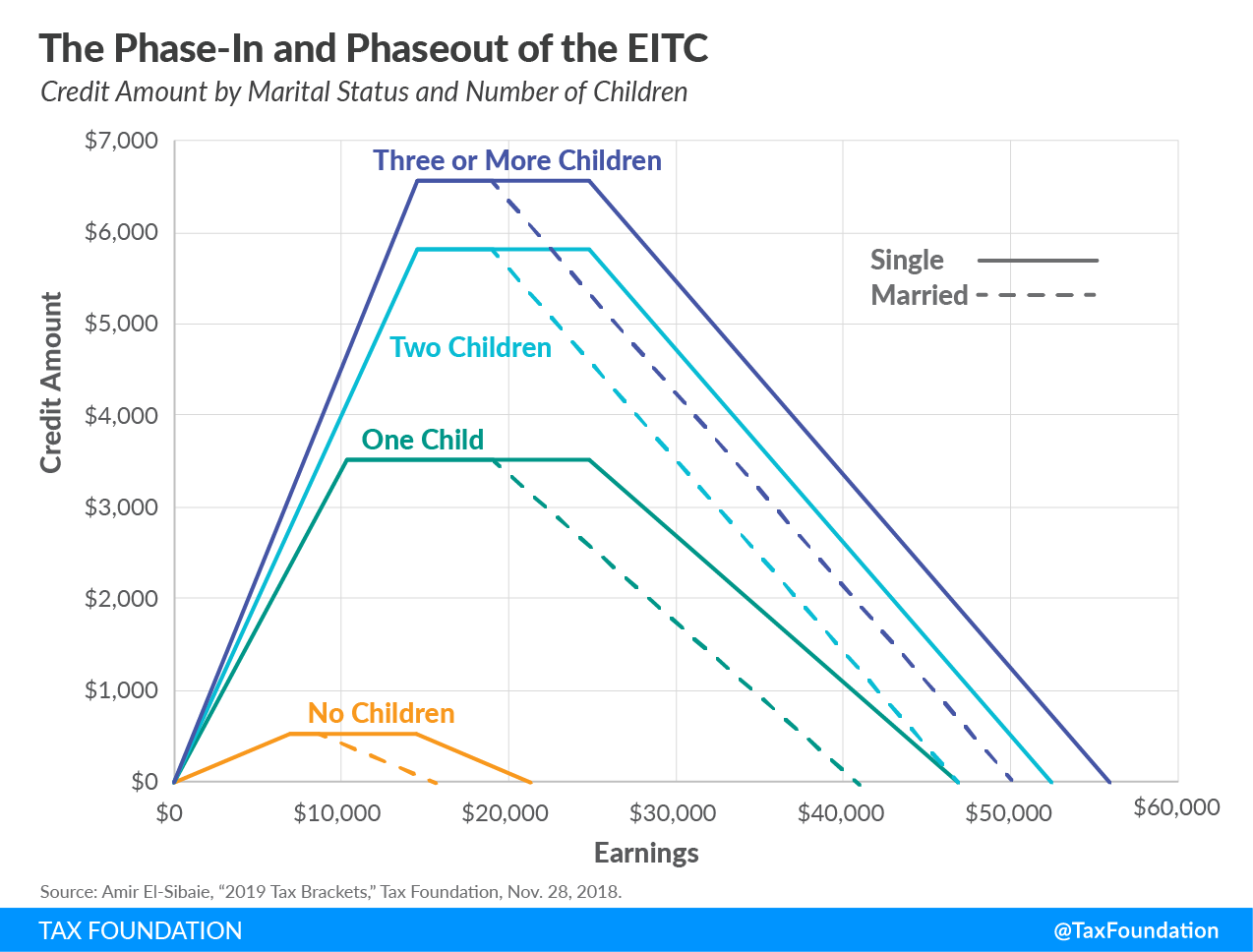
Your earned income is the primary driver of the EITC calculation. The credit starts at zero when your earned income is zero, gradually increases as your earned income rises, and then begins to decrease once your income reaches a certain threshold. Adjusted Gross Income (AGI) is also crucial. In most cases, the EITC is calculated based on the lesser of your earned income or your AGI. This means that if you have significant deductions or exclusions that lower your AGI below your earned income, your EITC calculation will be based on that lower AGI. The IRS provides tables in its publications that outline the credit amounts for various income levels and numbers of qualifying children.
Impact of Number of Qualifying Children
The number of qualifying children you claim significantly impacts the maximum EITC amount you can receive. Taxpayers with one qualifying child generally receive a larger credit than those with no qualifying children. Similarly, those with two or three or more qualifying children can receive substantially higher credits. This progressive structure is designed to provide more support to larger families who often have greater financial needs. The maximum credit amount increases with each additional qualifying child, up to a certain point.
Maximum Credit Amounts and Phase-out
The EITC is structured with a “phase-out” provision. This means that as your income increases, the amount of the credit you are eligible for gradually decreases. The phase-out begins once your income exceeds certain levels, and it continues until your income is too high to qualify for any EITC. The IRS sets specific income thresholds for the phase-out based on filing status and the number of qualifying children. The maximum credit amount for the 2023 tax year, for example, was $600 for taxpayers with no qualifying children, $3,995 for one qualifying child, $6,604 for two qualifying children, and $7,430 for three or more qualifying children. These figures are subject to annual adjustments.
How to Claim the EITC
Claiming the Earned Income Tax Credit involves specific steps during the tax filing process. It’s crucial to ensure you are eligible and to accurately report your income and family details to the IRS.
Filing Your Tax Return
The EITC is claimed by filing a federal income tax return. You must file a return even if you are not otherwise required to do so to claim the credit. When filing, you will need to complete and attach IRS Form 172 (Earned Income Credit) to your tax return. This form requires detailed information about your income, filing status, and any qualifying children. You can file your taxes electronically through tax software or with the assistance of a tax professional.
Using Tax Preparation Assistance
For many eligible individuals, navigating the complexities of tax preparation can be challenging. Fortunately, there are resources available to help. Many community organizations offer free tax preparation services through the IRS’s Volunteer Income Tax Assistance (VITA) program and the Tax Counseling for the Elderly (TCE) program. These programs provide free tax help to qualified individuals, including those who make $60,000 or less, persons with disabilities, and limited English-speaking taxpayers. VITA sites are staffed by IRS-certified volunteers who can help you determine your eligibility for the EITC and accurately claim it on your tax return. Tax professionals, such as Certified Public Accountants (CPAs) and Enrolled Agents (EAs), can also assist with tax preparation and ensure you receive all the credits and deductions you are entitled to.
Accurate Reporting of Income and Information
Accuracy is paramount when claiming the EITC. You must provide truthful and accurate information about your earned income, adjusted gross income, and details about your qualifying children. Incorrectly reporting information, even unintentionally, can lead to delays in receiving your refund, penalties, or even disqualification from claiming the credit in future years. It’s essential to have all necessary documentation, such as W-2 forms, 1099 forms, and any other income statements, readily available. If you are claiming a qualifying child, you will need their Social Security number and proof of relationship and residency if requested by the IRS.
Benefits and Impact of the EITC
The Earned Income Tax Credit has a profound and far-reaching impact on individuals, families, and the broader economy. Its benefits extend beyond immediate financial relief, fostering economic stability and improving quality of life.
Poverty Reduction and Economic Security
The EITC is consistently recognized as one of the most effective tools for lifting low-income families out of poverty. By providing a significant financial boost, it helps families cover essential expenses such as housing, food, utilities, and healthcare. This increased economic security can break cycles of poverty, allowing families to invest in their children’s future and move towards greater financial independence. Studies have shown that the EITC significantly reduces child poverty rates and improves overall family well-being.
Encouraging Work and Economic Growth
The “earned” aspect of the EITC is a key feature designed to encourage work. By rewarding labor, the credit incentivizes individuals to seek and maintain employment. This can lead to increased labor force participation and a stronger economy overall. For individuals on the cusp of economic self-sufficiency, the EITC can be the extra support needed to make working more financially viable and rewarding, potentially leading to career advancement and higher earning potential over time.
Positive Spillover Effects
The positive impacts of the EITC extend beyond the direct recipients. When low-income families have more disposable income, they tend to spend it on local goods and services, stimulating local economies. This increased consumer spending can support businesses and create jobs within communities. Furthermore, research suggests that the EITC can lead to improved health outcomes for children, increased school attendance and performance, and reduced crime rates. These broader societal benefits underscore the EITC’s importance as a multifaceted economic and social policy.
Frequently Asked Questions About the EITC
Understanding the nuances of the Earned Income Tax Credit can be complex. Here are answers to some common questions to help clarify key aspects of the program.
Can I claim the EITC if I am unemployed?
Generally, no. The EITC is specifically for individuals who have earned income from working. Unemployment benefits are typically considered unearned income and do not qualify you for the EITC. You must have wages, salaries, tips, or net earnings from self-employment.
What if I have significant investment income?
If your investment income exceeds the annual limit (which was $11,000 for the 2023 tax year), you are not eligible to claim the EITC. This limitation is in place to ensure the credit primarily benefits those who rely on earned wages.
Can I claim the EITC if my spouse and I are separated?
Yes, in many cases. If you are legally separated from your spouse or have a written separation agreement, and meet other EITC requirements, you may be able to file as “head of household” and claim the EITC, even if you are still married. You generally cannot claim the EITC if you file as “married filing separately” unless you meet specific criteria for living apart from your spouse.
How long does it take to receive an EITC refund?
The IRS typically issues refunds for returns claiming the EITC within 21 days for electronically filed returns accepted by the IRS. However, due to additional security measures to prevent fraud, refunds that include the EITC or the Additional Child Tax Credit may take longer to process. It is advisable to check the IRS “Where’s My Refund?” tool for the most up-to-date status of your refund.

What happens if the IRS audits my EITC claim?
If the IRS audits your EITC claim, they will likely request documentation to verify your eligibility, particularly regarding your earned income and qualifying children. This could include pay stubs, tax documents, and proof of residency for your children. It is crucial to keep good records to support your tax return. If you are found to be ineligible, you may have to repay the credit and could face penalties or restrictions on claiming it in future years.
aViewFromTheCave is a participant in the Amazon Services LLC Associates Program, an affiliate advertising program designed to provide a means for sites to earn advertising fees by advertising and linking to Amazon.com. Amazon, the Amazon logo, AmazonSupply, and the AmazonSupply logo are trademarks of Amazon.com, Inc. or its affiliates. As an Amazon Associate we earn affiliate commissions from qualifying purchases.