
The human mind, a universe of thoughts, emotions, and perceptions, has long been a subject of fascination. From ancient rituals to modern medicine, humanity has sought ways to alter its state of consciousness. This pursuit often involves substances that interact with our brain chemistry, leading to profound changes in how we think, feel, and behave. These substances are known as psychoactive drugs. But what exactly makes a drug psychoactive? And how do these compounds, often shrouded in a complex interplay of science, culture, and legality, fit into our understanding of technology, brand perception, and even personal finance?
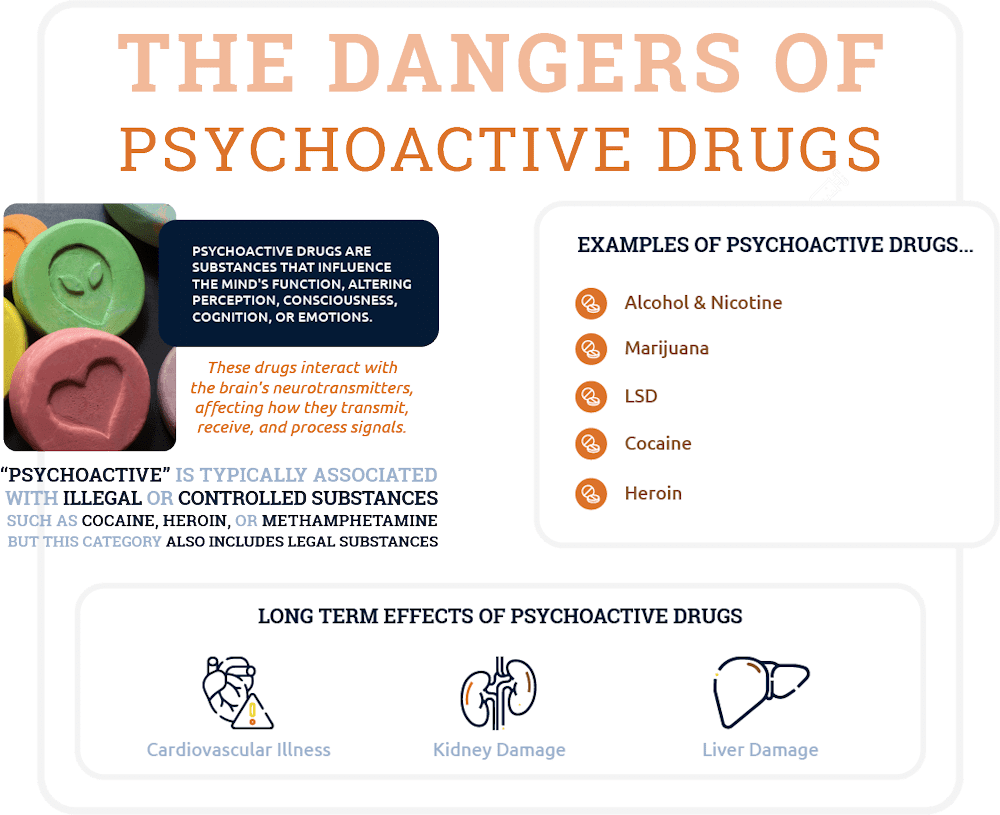
While the direct discussion of psychoactive drugs might seem a world away from the realms of cutting-edge tech, strategic brand building, and savvy financial management, a closer examination reveals intriguing connections and implications. Understanding psychoactive substances can shed light on human behavior, motivation, and perception – all crucial elements in these seemingly disparate fields.
The Science Behind Psychoactivity: How Drugs Alter the Brain
At its core, a psychoactive drug is any substance that affects the function of the brain, altering mood, perception, consciousness, cognition, or behavior. This intricate dance between drug and brain is orchestrated by neurotransmitters, the chemical messengers that allow neurons (nerve cells) to communicate with each other. Psychoactive drugs work by either mimicking the action of these neurotransmitters, blocking their reuptake (effectively increasing their presence), or influencing their release.
Neurotransmitters: The Brain’s Chemical Symphony
To grasp psychoactivity, we must first understand the key players: neurotransmitters. Some of the most significant include:
- Dopamine: Often associated with pleasure, reward, motivation, and movement. Many addictive drugs hijack the dopamine system, leading to intense cravings.
- Serotonin: Plays a crucial role in mood regulation, sleep, appetite, and social behavior. Imbalances in serotonin are linked to depression and anxiety.
- Norepinephrine: Involved in the body’s “fight-or-flight” response, increasing alertness, arousal, and attention.
- GABA (Gamma-Aminobutyric Acid): The primary inhibitory neurotransmitter, it calms neural activity and promotes relaxation. Benzodiazepines, for example, enhance GABA’s effects.
- Glutamate: The primary excitatory neurotransmitter, essential for learning and memory.
- Endorphins: The body’s natural opioids, responsible for pain relief and feelings of euphoria.
Psychoactive drugs can interact with these systems in myriad ways. For instance, stimulants like amphetamines and cocaine increase dopamine and norepinephrine levels, leading to heightened alertness, energy, and euphoria. Conversely, depressants like alcohol and benzodiazepines enhance GABA activity, inducing relaxation and reducing anxiety. Hallucinogens like LSD and psilocybin primarily interact with serotonin receptors, drastically altering sensory perception and thought processes.
Mechanisms of Action: From Mimicry to Modulation
The specific way a drug exerts its psychoactive effects is known as its mechanism of action. This can involve:
- Agonism: The drug binds to a receptor and mimics the action of a natural neurotransmitter. For example, opioids are agonists at opioid receptors, producing pain relief and euphoria.
- Antagonism: The drug binds to a receptor but blocks the action of a natural neurotransmitter. Naloxone, used to reverse opioid overdoses, is an antagonist at opioid receptors.
- Reuptake Inhibition: The drug prevents neurotransmitters from being reabsorbed back into the neuron, thus increasing their concentration in the synaptic cleft (the space between neurons). Many antidepressants, like SSRIs (Selective Serotonin Reuptake Inhibitors), work this way.
- Release Enhancement: The drug triggers the release of more neurotransmitters from the neuron. Amphetamines, for example, promote the release of dopamine and norepinephrine.
The precise interaction at the molecular level dictates the drug’s classification, its potential effects, and its associated risks.
Classifying Psychoactive Drugs: A Spectrum of Effects
Psychoactive drugs are broadly categorized based on their primary effects on the central nervous system. This classification helps in understanding their general impact, though individual experiences can vary widely due to factors like dosage, individual biology, set (mental state), and setting (environment).
Stimulants: The Accelerators of the Mind
Stimulants are drugs that speed up the central nervous system, leading to increased alertness, energy, attention, and euphoria. They can also elevate blood pressure, heart rate, and respiration.
- Examples: Caffeine (found in coffee, tea, chocolate), nicotine (in tobacco), amphetamines (prescription ADHD medications like Adderall, and illicit forms like methamphetamine), cocaine, and MDMA (Ecstasy/Molly, which also has empathogenic and mild hallucinogenic properties).
- Effects: Increased wakefulness, focus, confidence, reduced fatigue. At higher doses, they can cause anxiety, paranoia, irritability, and in severe cases, psychosis.
Depressants: The Slowing Agents
Depressants slow down the central nervous system, reducing arousal and promoting relaxation. They can relieve anxiety, induce sleep, and reduce inhibitions.
- Examples: Alcohol, benzodiazepines (e.g., Xanax, Valium), barbiturates, and opioids (e.g., heroin, morphine, prescription painkillers like oxycodone).
- Effects: Relaxation, reduced anxiety, drowsiness, impaired coordination and judgment. Higher doses can lead to respiratory depression, coma, and death. Opioids are particularly potent for pain relief and can induce intense euphoria, but are highly addictive.
Hallucinogens: The Alterers of Perception
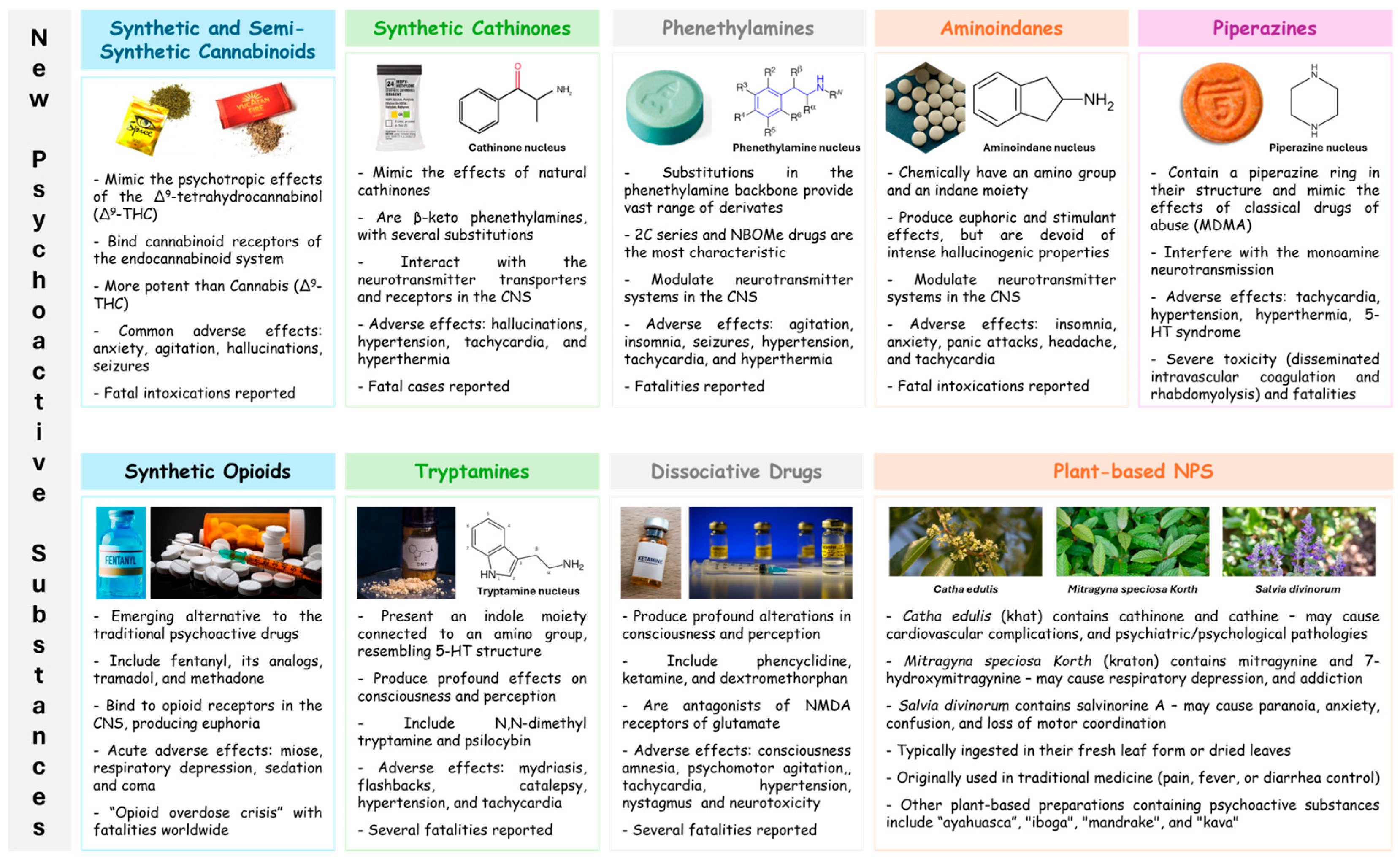
Hallucinogens, also known as psychedelics, profoundly alter perception, thought, and mood. They can induce hallucinations (seeing, hearing, or feeling things that aren’t there), distorted sensory experiences, and changes in thought patterns.
- Examples: LSD (Lysergic Acid Diethylamide), psilocybin (found in “magic mushrooms”), mescaline (found in peyote cactus), DMT (Dimethyltryptamine), and ketamine (an anesthetic with dissociative hallucinogenic effects).
- Effects: Changes in visual and auditory perception, altered sense of time, vivid imagery, introspection, and in some cases, profound spiritual or mystical experiences. “Bad trips” can involve intense fear, paranoia, and distressing hallucinations.
Opioids: The Pain Relievers and Euphoria Inducers
Opioids are a class of drugs that include both illicit substances like heroin and prescription painkillers like oxycodone, hydrocodone, and morphine. They are powerful analgesics (pain relievers) and can produce feelings of intense pleasure and relaxation.
- Examples: Heroin, morphine, codeine, oxycodone, hydrocodone, fentanyl.
- Effects: Pain relief, euphoria, sedation, respiratory depression. Opioids are highly addictive and can lead to severe withdrawal symptoms. Overdose is a significant risk, particularly with synthetic opioids like fentanyl.
Cannabinoids: The Modulators
Cannabinoids, primarily derived from the cannabis plant, interact with the endocannabinoid system in the brain. The most well-known psychoactive compound is THC (delta-9-tetrahydrocannabinol).
- Examples: THC (in marijuana and hashish), CBD (Cannabidiol, which is generally not considered psychoactive in the same way as THC, though it can have mood-altering effects).
- Effects: Mild euphoria, relaxation, altered sensory perception, increased appetite. Can also cause anxiety or paranoia in some individuals.
Psychoactive Drugs and Their Relevance in Modern Contexts
While the direct study of psychoactive drugs typically falls under pharmacology, psychology, and medicine, their existence and effects have ripple effects that touch upon the very topics that drive our website: technology, branding, and money.
The Technological Frontier of Understanding and Intervention
Technology plays a dual role in the landscape of psychoactive drugs.
- Research and Development: Advanced analytical techniques, bioinformatics, and computational modeling are revolutionizing our understanding of how these drugs interact with the brain at a molecular and neural network level. AI is being used to discover new therapeutic compounds and to predict drug interactions and potential side effects.
- Mental Health Tech: Apps and digital platforms are emerging to support individuals struggling with addiction, mental health conditions that might be treated with psychoactive medications, or even to facilitate mindfulness and emotional regulation. Wearable tech is being explored for monitoring physiological indicators related to mood and stress.
- Digital Security and Misinformation: The internet has become a double-edged sword. While it provides access to vital information, it also facilitates the spread of misinformation about drugs, their effects, and their risks. Digital security is crucial for protecting sensitive health information and for individuals to navigate online spaces safely. The development of sophisticated AI tools for content moderation and fact-checking is a growing area of concern.
Branding and Perception in a Psychoactive World
The way psychoactive substances are perceived, marketed (legally or illicitly), and integrated into societal norms is heavily influenced by branding and public relations.
- Normalization and Stigma: The branding of certain substances, like caffeine through massive global coffee chains, or the evolving public perception of cannabis in regions where it’s being legalized, demonstrates how branding can shape societal acceptance. Conversely, the pervasive stigma surrounding illicit drugs, often reinforced through negative branding and media portrayals, influences public policy and individual attitudes.
- Therapeutic Applications: As research into the therapeutic potential of certain psychoactive substances (like psilocybin for depression or MDMA for PTSD) advances, there will be a need for careful branding and communication strategies to ensure these treatments are understood and accepted by both the public and medical professionals. This involves building trust and establishing a credible brand for these novel therapies.
- Personal Branding and Identity: For individuals who use psychoactive substances, their choice and how they talk about it can become part of their personal brand and identity. This can range from associating with subcultures to advocating for policy changes.
Financial Implications and the Economy of Consciousness
The financial aspects of psychoactive drugs are vast and complex, encompassing legal industries, illicit markets, and the economic impact of their use.
- The Pharmaceutical Industry: The development and sale of prescription psychoactive medications (antidepressants, antipsychotics, ADHD medications, etc.) represent a multi-billion dollar industry. Investing in this sector requires understanding market trends, regulatory hurdles, and the pipeline of new drug discoveries.
- Illicit Markets and Law Enforcement: The illegal drug trade is a global economic force, albeit one that fuels crime and social costs. Understanding the economic drivers of these markets is crucial for law enforcement and policy makers.
- Personal Finance and Well-being: For individuals, choices regarding substance use can have significant financial consequences, from the cost of the substances themselves to healthcare expenses related to use or addiction, and potential impacts on employment and earning potential. Conversely, for those using psychoactive medications prescribed by a doctor, managing the cost of treatment is a personal finance consideration.
- Emerging Legal Industries: The burgeoning legal cannabis industry is a prime example of how changing perceptions and regulations can create new financial opportunities, from cultivation and retail to ancillary services and investment.
In conclusion, while the title “What Drugs Are Psychoactive” might initially suggest a purely scientific or medical inquiry, its implications extend far beyond. Understanding psychoactive substances provides a lens through which we can examine human behavior, the impact of technology on our minds and societies, the power of branding to shape perception, and the intricate financial systems that are influenced by our altered states of consciousness. As our knowledge and societal approaches to these powerful compounds continue to evolve, so too will their interconnectedness with the technological, brand, and financial landscapes that shape our modern world.
aViewFromTheCave is a participant in the Amazon Services LLC Associates Program, an affiliate advertising program designed to provide a means for sites to earn advertising fees by advertising and linking to Amazon.com. Amazon, the Amazon logo, AmazonSupply, and the AmazonSupply logo are trademarks of Amazon.com, Inc. or its affiliates. As an Amazon Associate we earn affiliate commissions from qualifying purchases.