
Sciatica, a debilitating condition characterized by pain radiating along the path of the sciatic nerve, can significantly impact one’s quality of life. Understanding who to consult for this specific type of pain is crucial for effective diagnosis and treatment. This article delves into the medical professionals best equipped to diagnose and manage sciatica, focusing on the specialized knowledge and approaches they bring to the table. While the term “doctor” is broad, identifying the right specialist is key to unlocking relief.
Understanding Sciatica and Its Medical Landscape
Before pinpointing the specific physician, it’s important to grasp the nature of sciatica and the diverse medical fields that address it. Sciatica isn’t a disease itself, but rather a symptom of an underlying condition affecting the sciatic nerve. This can include herniated discs, spinal stenosis, piriformis syndrome, or spondylolisthesis. The pain can range from a mild ache to a sharp, burning sensation and may be accompanied by numbness or weakness in the leg.
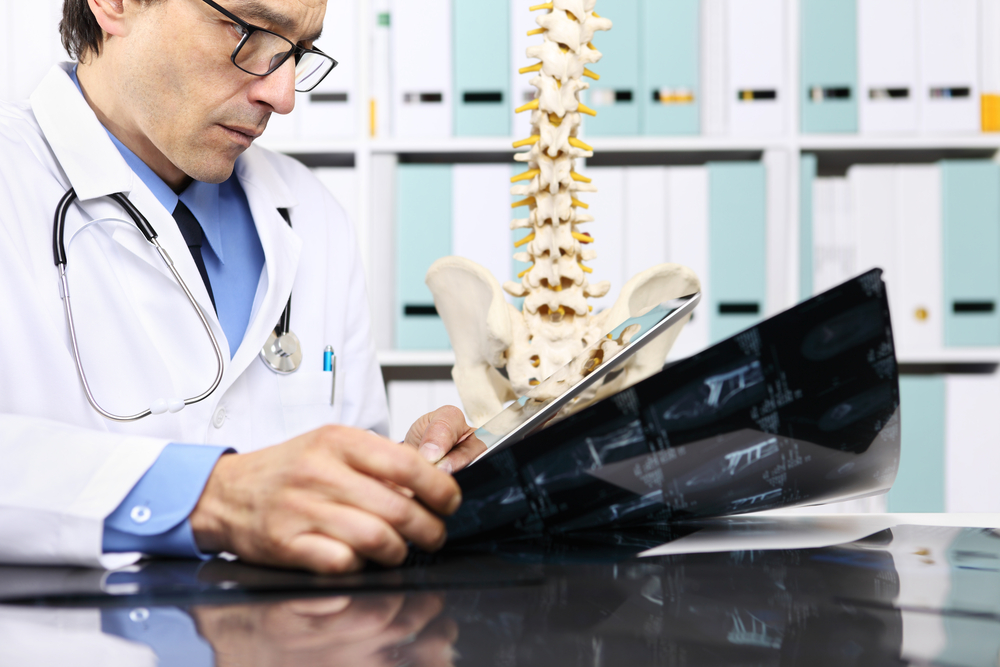
The complexity of the spine and the nervous system means that multiple types of medical professionals can be involved in managing sciatica. This often creates confusion for patients seeking help. While a primary care physician is usually the first point of contact for most health concerns, they may not possess the specialized diagnostic tools or treatment techniques required for chronic or severe sciatica. Therefore, understanding the roles of various specialists is paramount.
The Role of Primary Care Physicians
Your Primary Care Physician (PCP), whether a Family Doctor or an Internist, is your gateway to medical care. They are trained to handle a wide range of health issues and can often be the first to suspect sciatica based on your reported symptoms and a physical examination. They can:
- Initial Assessment and Diagnosis: Your PCP will conduct a thorough medical history, inquire about your pain, and perform a physical exam to assess your range of motion, reflexes, and muscle strength. They might order basic imaging like X-rays to rule out obvious structural issues.
- Symptom Management: For mild cases, they might prescribe over-the-counter or prescription pain relievers, muscle relaxants, or anti-inflammatory medications to manage your discomfort.
- Referral to Specialists: Crucially, if your sciatica is persistent, severe, or accompanied by concerning neurological symptoms, your PCP will be responsible for referring you to the appropriate specialist. This referral is a critical step in ensuring you receive targeted and effective treatment.
While PCPs are vital for initial assessment and management, the depth of their knowledge regarding complex spinal conditions and advanced treatment modalities is often limited. They act as gatekeepers, guiding patients towards the most suitable specialized care.
Neurologists: The Nerve Specialists
Neurologists are medical doctors who specialize in the diagnosis and treatment of disorders of the nervous system. Since sciatica directly involves a nerve, neurologists are highly qualified to assess and manage this condition. Their expertise lies in understanding the intricacies of the brain, spinal cord, and peripheral nerves.
Diagnosing Nerve-Related Issues
Neurologists employ a variety of diagnostic tools to pinpoint the cause of sciatica:
- Detailed Neurological Examination: This involves assessing your cranial nerves, sensory function, motor strength, reflexes, and coordination. They will meticulously test the specific areas affected by your sciatica to identify any nerve impingement or damage.
- Electromyography (EMG) and Nerve Conduction Studies (NCS): These are crucial diagnostic tests for neurologists. EMG measures the electrical activity produced by skeletal muscles, helping to detect nerve damage or dysfunction. NCS evaluates how quickly and strongly electrical signals travel along nerves. Together, these tests can precisely identify the location and severity of nerve compression or irritation.
- Advanced Imaging: While PCPs might order initial X-rays, neurologists are more likely to order Magnetic Resonance Imaging (MRI) or Computed Tomography (CT) scans. MRI provides detailed cross-sectional images of soft tissues like discs, nerves, and muscles, making it invaluable for identifying herniated discs, spinal stenosis, and other structural abnormalities pressing on the sciatic nerve. CT scans can offer excellent visualization of bone structures.
Treatment Approaches by Neurologists
Neurologists offer a range of treatment options, often focusing on conservative management before considering more invasive interventions:
- Medication Management: Beyond basic pain relievers, neurologists can prescribe more specialized medications for nerve pain, such as anticonvulsants or antidepressants, which can be effective in managing neuropathic pain associated with sciatica.
- Referral for Physical Therapy: While not directly providing physical therapy, neurologists will often prescribe it as a cornerstone of treatment, guiding patients towards therapeutic exercises aimed at strengthening supporting muscles, improving flexibility, and reducing pressure on the sciatic nerve.
- Injections: In some cases, neurologists may administer corticosteroid injections near the affected nerve root. These injections can reduce inflammation and pain, providing significant relief for many patients.
- Surgical Consultation: If conservative treatments fail to provide relief or if imaging reveals a severe structural issue requiring surgical intervention, a neurologist will refer the patient to a neurosurgeon or orthopedic surgeon.
Orthopedic Specialists: The Bone and Joint Experts
Orthopedic surgeons are physicians who specialize in the musculoskeletal system – bones, joints, ligaments, tendons, muscles, and nerves. Given that many causes of sciatica stem from spinal issues related to bone structure or degenerative changes, orthopedic surgeons are highly relevant to sciatica treatment.
Diagnosing Spinal Conditions
Orthopedic surgeons are adept at diagnosing conditions that directly impact the spine and, consequently, the sciatic nerve:
- Physical Examination with a Musculoskeletal Focus: Their physical examination will emphasize assessing your spine’s alignment, range of motion, and any tenderness. They will also check for specific orthopedic signs related to spinal compression.
- Radiological Interpretation: Orthopedic surgeons have extensive experience interpreting X-rays, CT scans, and MRIs to identify spinal abnormalities. They are particularly skilled at diagnosing conditions like:
- Herniated Discs: Where the soft inner material of a spinal disc bulges out and presses on the nerve.
- Spinal Stenosis: A narrowing of the spinal canal that can compress nerves.
- Spondylolisthesis: Where one vertebra slips forward over another, potentially impinging on the sciatic nerve.
- Osteoarthritis: Degenerative changes in the spine that can lead to bone spurs pressing on nerves.
- Diagnostic Injections: Similar to neurologists, orthopedic surgeons may use diagnostic injections to confirm the source of pain, injecting anesthetic near a specific nerve root to see if it alleviates the sciatica symptoms.
Surgical and Non-Surgical Management
Orthopedic surgeons are equipped to manage sciatica through both surgical and non-surgical means:

- Conservative Treatment Plans: They will often recommend physical therapy, pain medication, and lifestyle modifications as initial treatments.
- Minimally Invasive Procedures: This can include procedures like radiofrequency ablation, where heat is used to disrupt nerve signals transmitting pain.
- Surgical Interventions: For severe cases that don’t respond to conservative treatment, orthopedic surgeons can perform surgery to address the underlying cause of sciatica. This might involve:
- Discectomy: Removal of the herniated portion of a disc.
- Laminectomy: Removal of a portion of the vertebral bone (lamina) to relieve pressure on the spinal cord or nerves.
- Spinal Fusion: Joining two or more vertebrae together to stabilize the spine.
The choice between a neurologist and an orthopedic surgeon often depends on the suspected primary cause of the sciatica. If nerve dysfunction is the main concern, a neurologist might be the first specialist to see. If a structural spinal issue is clearly indicated, an orthopedic surgeon may be more appropriate. In many complex cases, collaboration between these specialists is common.
Physiatrists: The Rehabilitation Experts
Physiatrists, also known as Physical Medicine and Rehabilitation (PM&R) physicians, are medical doctors who specialize in restoring function and improving quality of life for individuals with injuries or disabilities affecting the nerves, muscles, bones, and brain. They offer a comprehensive, non-surgical approach to managing sciatica.
Holistic Assessment and Treatment
Physiatrists take a broad view of patient care, focusing on function and rehabilitation:
- Diagnostic Skills: They are skilled in diagnosing the causes of sciatica through physical examination, reviewing imaging, and understanding the biomechanics of the body.
- Non-Surgical Treatment Focus: Their primary approach is conservative and geared towards rehabilitation. They are experts in developing personalized treatment plans that may include:
- Physical Therapy Prescription: This is a cornerstone of physiatry. They work closely with physical therapists to design exercise programs that target strengthening weak muscles, stretching tight ones, improving posture, and reducing nerve irritation.
- Pain Management Techniques: Beyond medication, they utilize techniques like ultrasound, electrical stimulation, and manual therapy to alleviate pain and inflammation.
- Trigger Point Injections: For sciatica related to muscle tightness, such as piriformis syndrome, they may administer injections into specific tender points to release muscle tension.
- Lifestyle and Ergonomic Counseling: They provide guidance on posture, proper lifting techniques, and workplace ergonomics to prevent future episodes of sciatica.
Coordination of Care
A key strength of physiatrists is their ability to coordinate care with other healthcare professionals. They often act as a central point of contact, collaborating with physical therapists, chiropractors, and even surgeons if necessary. Their goal is to help patients regain function and independence without necessarily resorting to surgery.
Other Healthcare Professionals Involved in Sciatica Care
While doctors are central to diagnosing and treating sciatica, other healthcare professionals play vital complementary roles in a patient’s recovery journey.
Physical Therapists
Physical therapists (PTs) are movement specialists who work under the direction of a physician, though in some regions, they may have direct access for initial assessment. They are instrumental in the non-surgical management of sciatica.
- Exercise Prescription and Guidance: PTs design and supervise specific exercises aimed at strengthening core muscles, improving spinal stability, increasing flexibility, and reducing pressure on the sciatic nerve. They teach patients proper body mechanics and posture to prevent recurrence.
- Manual Therapy: They may use techniques like soft tissue mobilization, joint mobilization, and stretching to alleviate muscle tension and improve joint mobility.
- Modalities: PTs can use therapeutic modalities such as heat, ice, ultrasound, and electrical stimulation to reduce pain and inflammation.
Chiropractors
Chiropractors focus on the relationship between the spine and the nervous system. Many individuals find relief from sciatica through chiropractic care.
- Spinal Adjustments: Chiropractors use manual techniques to adjust the spine, aiming to correct misalignments (subluxations) that may be contributing to nerve compression.
- Soft Tissue Work: They may also incorporate soft tissue manipulation and therapeutic exercises into their treatment plans.
- Holistic Approach: Chiropractors often emphasize lifestyle advice, including diet and exercise, as part of their overall wellness approach.
It’s important to note that the scope of practice and regulatory frameworks for chiropractors can vary. While many find chiropractic care beneficial for sciatica, it’s advisable to discuss this option with your primary care physician or other medical specialists.
Pain Management Specialists
For individuals with chronic or severe sciatica that is resistant to standard treatments, Pain Management Specialists can offer advanced interventions. These physicians, often anesthesiologists or neurologists with specialized training, focus solely on managing chronic pain.
- Advanced Interventional Procedures: They may offer procedures like epidural steroid injections, nerve blocks, and spinal cord stimulation to target and alleviate persistent pain.
- Multimodal Pain Management: Pain management specialists develop comprehensive plans that often combine medication, interventional procedures, and psychological support to help patients cope with chronic pain.

Conclusion: A Collaborative Approach to Sciatica Relief
Navigating the world of medical specialists for sciatica can seem daunting, but understanding the distinct roles of each professional simplifies the process. Your journey typically begins with your Primary Care Physician, who will assess your symptoms and guide you toward the most appropriate specialist.
If nerve involvement is suspected, a Neurologist can provide in-depth diagnosis and treatment for nerve-related issues. If the root cause appears to be structural within the spine, an Orthopedic Surgeon is well-equipped to address bone and joint abnormalities. For a focus on functional recovery and non-surgical rehabilitation, a Physiatrist offers a comprehensive, holistic approach.
Furthermore, Physical Therapists, Chiropractors, and Pain Management Specialists play crucial supporting roles, contributing their unique skills to alleviate pain, restore function, and improve your overall well-being. Ultimately, the most effective treatment for sciatica often involves a collaborative effort between these various healthcare professionals, working together to create a personalized treatment plan tailored to your specific needs and the underlying cause of your pain. Don’t hesitate to seek professional medical advice to determine the best path forward for your sciatica relief.
aViewFromTheCave is a participant in the Amazon Services LLC Associates Program, an affiliate advertising program designed to provide a means for sites to earn advertising fees by advertising and linking to Amazon.com. Amazon, the Amazon logo, AmazonSupply, and the AmazonSupply logo are trademarks of Amazon.com, Inc. or its affiliates. As an Amazon Associate we earn affiliate commissions from qualifying purchases.