
In the lexicon of brand management, the term “mortally wounded” describes a state of existential crisis. It is not merely a dip in sales or a temporary PR blunder; it is a fundamental rupture in the brand’s promise that renders its long-term survival unlikely. When a brand is mortally wounded, the damage penetrates the core of its identity, severing the umbilical cord of trust between the organization and its audience.
While the business may continue to operate for months or even years—much like a biological organism in shock—the trajectory toward obsolescence becomes inevitable unless radical, systemic intervention occurs. Understanding what it means for a brand to be mortally wounded is essential for strategists who must distinguish between a manageable crisis and a terminal decline.
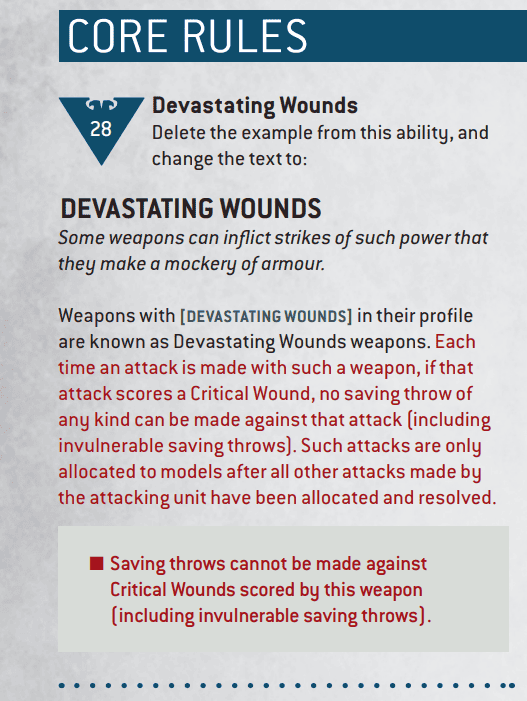
Defining the Mortally Wounded Brand: Beyond the PR Crisis
To understand the severity of a mortal wound in branding, one must first distinguish it from “flesh wounds.” A flesh wound is a product recall, a controversial tweet, or a quarterly loss. These are painful and require repair, but the brand’s “immune system”—its accumulated equity and customer loyalty—usually facilitates a recovery. A mortal wound, however, attacks the brand’s central nervous system: its credibility, its relevance, or its ethical foundation.
The Difference Between a Scrape and a Mortal Wound
The primary differentiator is the “Point of No Return.” In brand strategy, this occurs when the cost of rehabilitating the brand’s reputation exceeds the potential lifetime value of its current and future customers. If the market no longer believes the brand can fulfill its primary promise, the brand is mortally wounded. For example, if a luxury brand known for “exclusivity” is found to be mass-producing low-quality goods in sweatshops, the wound isn’t just to its sales; it is a mortal blow to its identity. Once the “prestige” is debunked, the brand loses its reason for existing at its price point.
The Concept of Negative Brand Equity
When a brand is mortally wounded, it often enters the territory of negative brand equity. This is a state where the brand name itself becomes a liability rather than an asset. In this scenario, the company might find that launching a new product under a different name would be more successful than using its established moniker. The brand name carries such a heavy “stigma tax” that every marketing dollar spent is consumed by the friction of public Distrust, rather than driving growth.
Anatomy of a Brand Failure: How Mortality Occurs
A brand does not usually reach a terminal state overnight. It is often the result of “death by a thousand cuts” or a singular, catastrophic event that exposes deep-seated systemic rot. Strategic failure occurs when the internal reality of a company deviates so far from its external branding that the tension snaps.
Erosion of Trust and the Ethical Collapse
Trust is the currency of branding. A mortally wounded brand often suffers from a “Trust Deficit” that is mathematically impossible to repay. This frequently happens during massive data breaches where negligence is proven, or in cases of systemic fraud (e.g., the Enron or Theranos sagas). When the audience realizes that the brand’s core value proposition was built on a deception, the wound is mortal. No amount of clever advertising can bridge the gap when the consumer feels personally betrayed by the brand’s leadership.
Failure to Adapt: The Innovation Gap
Sometimes, the wound is not ethical but structural. This is the “Kodak Moment.” A brand becomes mortally wounded when it remains tethered to a dying medium or technology while the rest of the world migrates. This isn’t just “falling behind”; it is a failure of brand vision. The brand’s identity becomes so synonymous with an obsolete category that it cannot pivot. In these cases, the brand is wounded by its own legacy—a paradox where its former strength (dominance in an old market) becomes the weight that drags it down.
Cultural Misalignment and the Death of Relevance
In the modern landscape, brands are expected to be cultural participants. A brand can be mortally wounded if it finds itself on the wrong side of a massive cultural shift. This is not about politics, but about relevance. If a brand continues to project values, aesthetics, or social norms that the rising generation finds abhorrent or laughable, that brand is essentially “dead on arrival” for the future market. This misalignment creates a “Brand Ghost”—a company that still exists but has no cultural presence or influence.
Case Studies: Brands That Faced Mortal Wounds
Analyzing historical examples allows us to see the mechanics of a mortal wound in real-time. These cases illustrate that the size of a company does not offer immunity; in fact, the larger the brand, the harder it falls when the foundation crumbles.
The Rapid Decline of a Legacy Giant: Blockbuster
Blockbuster is the textbook case of a mortally wounded brand that failed to diagnose its injury until it was too late. Their “wound” was their business model—specifically, “late fees.” The brand identity was built on convenience, but their profit model was built on penalizing the customer. When Netflix emerged with a model that eliminated those pain points, Blockbuster’s brand promise was revealed as hollow. They were mortally wounded not by a lack of money, but by a lack of foresight to see that their brand had become the “villain” in their own industry’s story.
The Digital Era’s First Fatalities: MySpace
In the tech-brand crossover space, MySpace represents a brand that was mortally wounded by a failure of design and user experience (UX) strategy. As Facebook offered a clean, streamlined identity-based platform, MySpace became cluttered, chaotic, and eventually, synonymous with “spam.” The wound here was to the brand’s “cool factor.” In the social media world, once a brand is no longer the “place to be,” it is mortally wounded. The network effect, which was once its greatest strength, became its greatest weakness as users migrated in droves.
Is Recovery Possible? The Science of Brand Resuscitation
When a strategist identifies a brand as mortally wounded, the question shifts from “How do we fix this?” to “Is this brand worth saving?” Resuscitating a terminal brand is one of the most difficult tasks in marketing, often requiring more resources than starting from scratch.
Radical Rebranding vs. Superficial Facelifts
A common mistake in managing a mortally wounded brand is attempting a superficial facelift—changing the logo or the color palette while leaving the internal culture and product flaws intact. This rarely works. To survive a mortal wound, a brand usually requires a “Phoenix Strategy”—it must effectively “die” and be reborn. This often involves a complete change in leadership, a radical shift in the business model, and a transparent admission of past failures. It is not about “moving on”; it is about “starting over.”
Structural Transformation and New Leadership
For a mortally wounded brand to recover, the market needs a “signal of change” that is too loud to ignore. This often comes in the form of a new CEO with a track record of integrity or a complete pivot in the product line. For example, when Domino’s Pizza admitted their product “tasted like cardboard” in a famous ad campaign, they were acknowledging a mortal wound to their quality reputation. By leaning into the criticism and fundamentally changing their recipe, they performed a rare successful resuscitation.
Preventive Measures: Immunizing Your Brand Against Terminal Damage
The best way to handle a mortal wound is to prevent it from ever occurring. Brand resilience is built through constant vigilance and a refusal to become complacent.
Strategic Audits and Early Warning Systems
Brands must perform regular “Stress Tests.” This involves looking at the brand through the eyes of its most cynical critics. Where are the vulnerabilities? If a competitor launched a “Blockbuster-killer” today, what would it look like? By identifying these weaknesses early, a brand can “self-inflict” minor changes to avoid major, mortal catastrophes later. This “Agile Branding” allows for constant evolution rather than waiting for a crisis to force a change.

Building a Resilient Community Foundation
A brand with a deep, authentic connection to its community is much harder to mortally wound. This is known as “Brand Insulation.” When a brand has spent years building genuine goodwill, the public is more likely to grant it the benefit of the doubt during a crisis. However, this goodwill must be earned through consistent action, not just marketing speak. A resilient brand is one that views its customers as stakeholders in its success, creating a mutual protective layer that can withstand even the most significant market shocks.
In conclusion, “mortally wounded” in the context of brand strategy refers to a state where the fundamental essence of a brand has been compromised beyond the point of easy repair. Whether through ethical failure, a lack of innovation, or cultural irrelevance, a mortally wounded brand faces an uphill battle for survival. By understanding the signs of these terminal injuries, brand managers can either work to prevent them or make the difficult, strategic decision to let a brand go so that something new and more vital can take its place.
aViewFromTheCave is a participant in the Amazon Services LLC Associates Program, an affiliate advertising program designed to provide a means for sites to earn advertising fees by advertising and linking to Amazon.com. Amazon, the Amazon logo, AmazonSupply, and the AmazonSupply logo are trademarks of Amazon.com, Inc. or its affiliates. As an Amazon Associate we earn affiliate commissions from qualifying purchases.