
The shift from traditional linear broadcasting to over-the-top (OTT) streaming services has fundamentally changed how we consume media. At the forefront of this digital revolution is YouTube TV, Google’s comprehensive solution for cord-cutters. Far more than just a repository for videos, YouTube TV represents a sophisticated blend of cloud computing, high-speed data delivery, and intuitive software design. For those looking to understand the technical depth and service breadth of this platform, it is essential to look beyond the surface level of “channels” and examine the technological infrastructure that makes it a market leader.
The Core Infrastructure: Channels, Cloud DVR, and Seamless Streaming
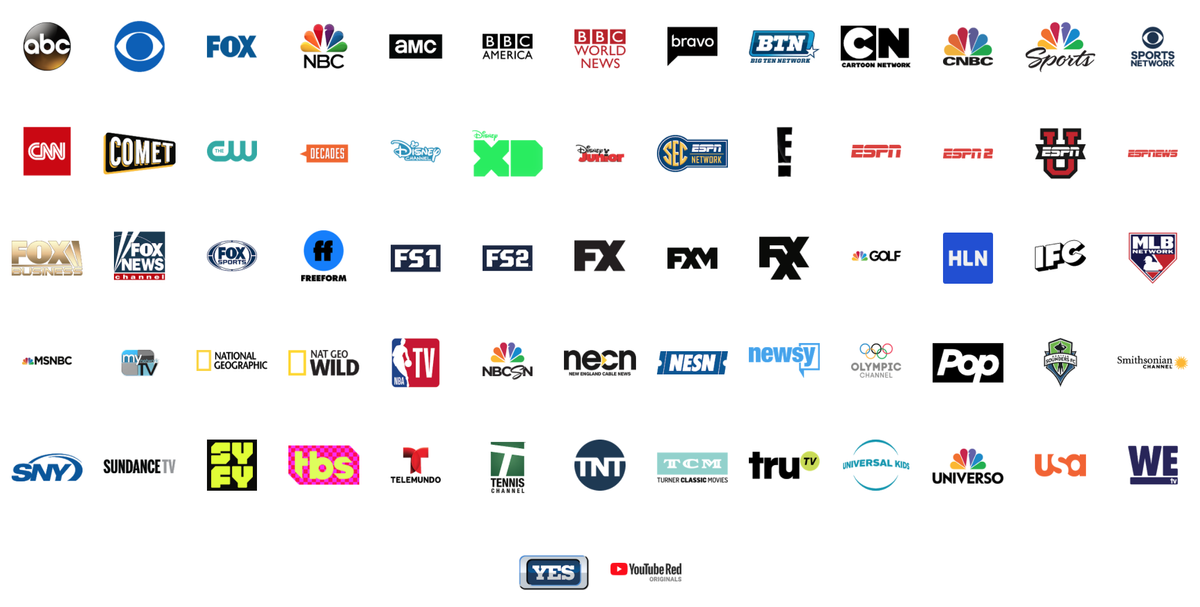
At its most basic level, YouTube TV is a live TV streaming service that provides access to over 100 channels, including local broadcast networks, sports hubs, and premium cable mainstays. However, the true value of the platform lies in how it manages this data. Unlike traditional cable, which relies on localized hardware and coaxial infrastructure, YouTube TV leverages Google’s massive global network of data centers to deliver low-latency high-definition video.
Unlimited Cloud DVR: The Tech Advantage
One of the most significant technical hurdles for legacy providers was the physical storage limit of a DVR box. YouTube TV effectively eliminated this bottleneck by introducing unlimited cloud DVR storage. When a user “records” a show, they aren’t saving data to a local hard drive; they are marking a pointer on Google’s servers.
This architecture allows for several key advantages:
-
Simultaneous Recordings: Users can record an unlimited number of programs at once without worrying about “tuners.”
-
Nine-Month Retention: Recordings are stored for nine months, providing a massive window for consumption that far exceeds the capacity of physical hardware.
-
Metadata Integration: Because the recordings exist in the cloud, they are integrated with rich metadata, allowing users to search for specific episodes, sports teams, or actors across their entire library.
Live Channel Lineup and Regional Feed Integration
YouTube TV provides a robust lineup that includes major networks like ABC, CBS, FOX, and NBC. The technical complexity here involves “geofencing.” Through IP address tracking and GPS data on mobile devices, the service delivers the correct local affiliate to the user. This ensures that news and local sports remain relevant to the viewer’s actual location, a feat that requires constant handshaking between the app and regional broadcast servers.
User Experience and Interface: More Than Just a TV App
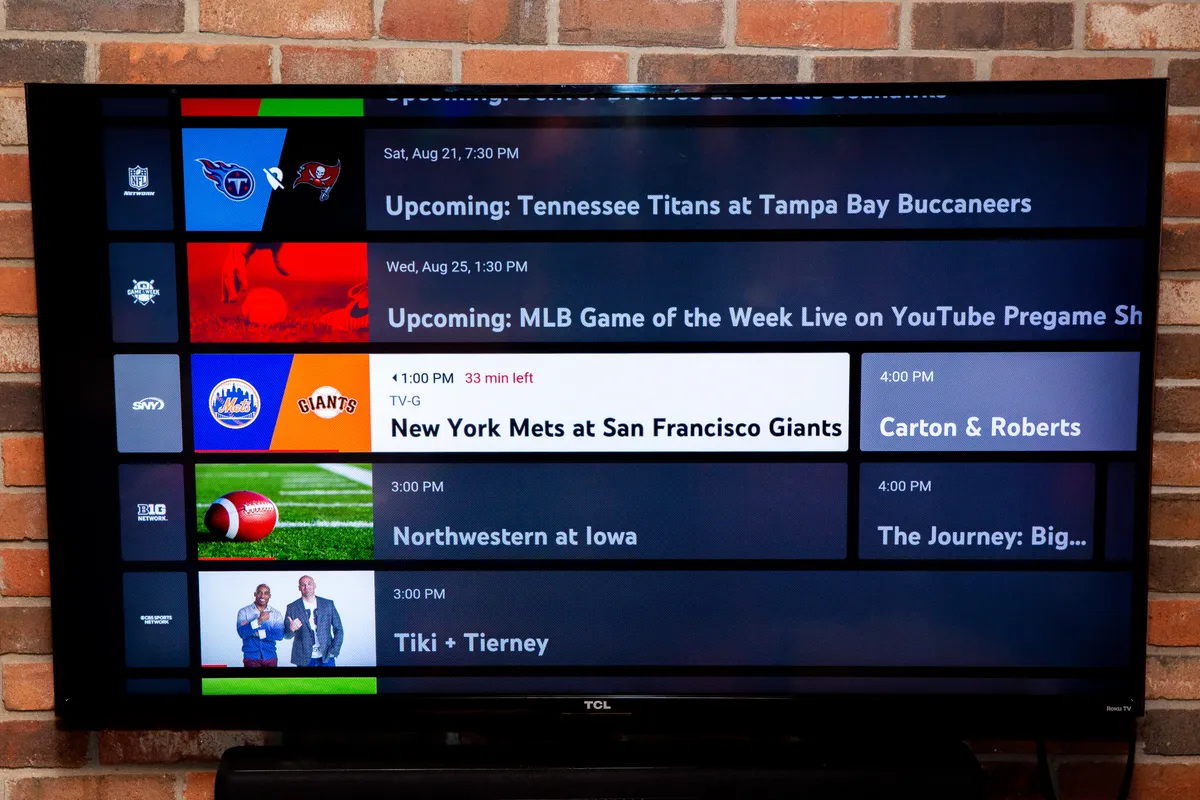
The software interface of YouTube TV is designed with the same “search-first” philosophy that defines Google. While traditional cable guides are often clunky and slow, YouTube TV utilizes a highly responsive UI (User Interface) that functions across a variety of hardware platforms.
AI-Driven Personalization and Recommendations
YouTube TV utilizes machine learning algorithms similar to those found on the standard YouTube platform. By analyzing viewing habits, the “Home” tab surfaces content the user is likely to enjoy. This isn’t just about suggesting a similar genre; the AI considers time of day, day of the week, and even the device being used. If you watch the local news every morning at 7:00 AM, the app will likely have that feed ready as the first option on your home screen.
Multi-View and Sports Integration
For sports enthusiasts, YouTube TV has introduced “Multi-view,” a feature that allows users to watch up to four different live feeds on a single screen. This requires significant server-side processing, as the platform must sync four separate high-bandwidth streams into one coherent mosaic without causing lag or buffering.
Additionally, the “Key Plays” and “Stats” features utilize real-time data overlays. Users can toggle a menu to see live box scores, player stats, and a breakdown of crucial moments in a game. This interactive layer is powered by low-latency data feeds that are synchronized with the video stream, providing a secondary layer of information that traditional broadcasting cannot match.
Technical Compatibility and Device Ecosystem
A primary reason for YouTube TV’s dominance is its agnostic approach to hardware. The application is built to run on almost any device with an internet connection, but the experience is optimized differently depending on the ecosystem.
Cross-Platform Performance
YouTube TV is compatible with a wide array of tech, including:
-
Smart TV Platforms: Native apps for Tizen (Samsung), webOS (LG), and Vizio SmartCast.
-
Streaming Sticks: Deep integration with Chromecast with Google TV, Roku, Amazon Fire TV, and Apple TV 4K.
-
Mobile and Web: Robust applications for iOS and Android, as well as a fully functional desktop browser experience.
The engineering challenge here is ensuring a consistent frame rate and resolution across vastly different processors. Google uses adaptive bitrate streaming, which constantly monitors the user’s bandwidth and adjusts the video quality in real-time. If your Wi-Fi dips, the resolution scales down to prevent buffering, then scales back up to 1080p or 4K as soon as the connection stabilizes.
Integration with the Google/Android Home Ecosystem
For users within the Google ecosystem, YouTube TV offers advanced integration. You can use Google Assistant to control the app via voice commands on a Nest Hub or a smartphone. Saying “Hey Google, play ESPN on the Living Room TV” triggers a series of API calls that wake the TV, open the app, and tune to the specific stream. This level of interconnectivity highlights the platform’s role as a cornerstone of the modern smart home.
Advanced Features: 4K Plus and Add-on Connectivity
While the base package offers a comprehensive experience, YouTube TV includes several “add-on” technical tiers for power users who demand the highest possible fidelity and flexibility.
4K Plus: High-Resolution Streaming and Bitrate Quality
The 4K Plus add-on is designed for users with high-end home theater setups. It unlocks 4K Ultra High Definition (UHD) streams for select live content and on-demand programming. Beyond just resolution, this tier often provides a higher bitrate, meaning less compression and a “cleaner” image with more detail in dark scenes.
Offline Viewing and Unlimited Home Streams
The 4K Plus package also addresses the technical limitations of mobile viewing. It allows users to download DVR recordings to their mobile devices for offline viewing—a feature essential for travelers or those with inconsistent data access. Furthermore, while the standard plan allows for three simultaneous streams, the 4K Plus tier enables unlimited streams on the user’s home Wi-Fi network, accommodating large households with multiple screens.
Premium Network Integration
YouTube TV acts as a centralized hub for other streaming services. Users can add HBO Max (Max), Showtime, Starz, and NFL Sunday Ticket directly to their bill. Technically, this simplifies the user experience by allowing them to search for a movie across all subscribed platforms within a single search bar, rather than jumping between disparate apps.
Security, Privacy, and Account Management
As a Google-backed product, YouTube TV benefits from some of the most robust digital security infrastructures in the world. Account management is handled through Google Accounts, which means users have access to Two-Factor Authentication (2FA) and advanced encryption protocols.
Family Sharing and Multi-Profile Logic
YouTube TV allows for up to six individual profiles per household. Each profile gets its own personalized recommendations and its own private, unlimited DVR library. This is achieved through sophisticated database management where user data is siloed. Even though the account is shared, the viewing history of one family member does not influence the recommendations or DVR contents of another.
Geolocation and Access Control
To comply with licensing agreements, YouTube TV utilizes precise location services. If a user travels, they can still access their “Home” library, but their live TV feed will update to reflect the local market they are currently in. The platform allows users to change their “Home Area” twice a year, a restriction managed by backend validation to prevent account sharing across different geographical regions.

The Future of the Platform
Looking forward, the technology behind YouTube TV continues to evolve. We are seeing increased experimentation with AI-generated highlights, deeper integration with social features, and improvements in “latency to live.” One of the biggest complaints about streaming live sports is the delay compared to cable; Google is actively working on “Low Latency” modes that shave seconds off the buffer to bring the stream closer to real-time.
YouTube TV is not just a collection of channels; it is a sophisticated software-as-a-service (SaaS) product that leverages cloud computing, AI, and global networking to redefine the television experience. By removing the physical constraints of hardware and focusing on a high-performance, cross-platform interface, it has set a high bar for what a modern digital utility should look and feel like. Whether it is through the seamless scaling of 4K content or the sheer utility of an unlimited cloud DVR, the platform offers a glimpse into a future where “TV” is synonymous with “Software.”
aViewFromTheCave is a participant in the Amazon Services LLC Associates Program, an affiliate advertising program designed to provide a means for sites to earn advertising fees by advertising and linking to Amazon.com. Amazon, the Amazon logo, AmazonSupply, and the AmazonSupply logo are trademarks of Amazon.com, Inc. or its affiliates. As an Amazon Associate we earn affiliate commissions from qualifying purchases.