
The term “stock market” often conjures images of bustling trading floors, flashing tickers, and urgent phone calls. While these cinematic portrayals capture a sliver of its essence, the reality is far more intricate, yet equally fundamental to modern finance and economic growth. At its core, the stock market is a sophisticated ecosystem where ownership stakes in publicly traded companies are bought and sold. It is a critical nexus that connects businesses seeking capital with investors looking to grow their wealth, thereby underpinning the financial prosperity of nations and individuals alike.
Demystifying the stock market is essential for anyone aspiring to understand the global economy, plan for their financial future, or simply make informed decisions about their money. Far from being a mere casino for high-stakes gamblers, the stock market is a regulated, organized mechanism vital for capital formation, economic expansion, and wealth distribution. This article will peel back the layers, exploring what stock markets truly are, how they operate, their multifaceted importance, and how individuals can navigate this dynamic landscape.

The Foundation of Stock Markets: More Than Just Numbers
To truly grasp the significance of stock markets, one must first understand their fundamental definition and the pivotal roles they play for both corporations and investors. It’s an intricate dance of capital, ownership, and opportunity.
Defining the Stock Market
Contrary to popular belief, “the stock market” isn’t a single physical location, but rather a vast, interconnected network of exchanges and brokers that facilitate the buying and selling of securities. These securities primarily include shares (also known as stocks or equities), which represent fractional ownership in a company. When you buy a share, you essentially become a part-owner of that company, with a claim on its assets and earnings proportional to the number of shares you own.
This network comprises various entities: stock exchanges (like the New York Stock Exchange or NASDAQ), brokerage firms that execute trades on behalf of investors, and regulatory bodies that ensure fairness and transparency. The market provides a platform for price discovery, where the value of a company’s shares is determined by the collective perception of its future prospects, influenced by supply and demand dynamics.
The Purpose of Stock Markets
The existence of stock markets serves dual, interconnected purposes that are vital for both corporate growth and individual financial advancement.
For Companies: Capital Formation and Expansion
For businesses, especially those seeking significant growth, the stock market offers an invaluable avenue for raising capital. When a private company decides to “go public” through an Initial Public Offering (IPO), it sells shares of ownership to the general public for the first time. The funds raised from an IPO are crucial for financing expansion projects, funding research and development, acquiring other companies, or repaying debt. This infusion of capital allows companies to grow beyond what traditional bank loans might permit, thereby fostering innovation, creating jobs, and contributing to economic productivity.
For Investors: Wealth Creation and Financial Goals
For individuals and institutions, the stock market presents a powerful opportunity for wealth accumulation. By investing in stocks, individuals can potentially benefit in two primary ways:
-
Capital Appreciation: If the company performs well and its value increases, the price of its shares may rise, allowing investors to sell their shares for a profit.
-
Dividends: Many profitable companies share a portion of their earnings with shareholders in the form of dividends, providing a regular income stream.
Over the long term, stock market investments have historically outpaced inflation, making them a cornerstone of retirement planning, college savings, and other significant financial goals. They offer a mechanism for ordinary individuals to participate in the success of leading corporations and sectors of the economy.
Deciphering the Mechanics: How Trading Happens
Understanding how stocks are actually bought and sold, and the mechanisms that dictate their prices, is crucial for anyone engaging with the market. It’s a continuous, dynamic process driven by economic principles and investor sentiment.
From IPO to Secondary Trading
The journey of a stock typically begins in the primary market. This is where new securities are issued for the first time. The most well-known event in the primary market is an Initial Public Offering (IPO), where a company sells its shares to the public for the first time, often with the help of investment banks. The funds from an IPO go directly to the issuing company, providing it with vital capital.
Once shares are initially sold in the primary market, they then trade in the secondary market. This is what most people refer to when they talk about the “stock market.” In the secondary market, investors buy and sell existing shares from each other, not directly from the issuing company. This is where the vast majority of daily trading activity occurs on exchanges like the NYSE or NASDAQ. The company whose stock is being traded does not directly receive money from these secondary market transactions; rather, it’s a transaction between two investors. However, the secondary market is vital as it provides liquidity, making it easy for investors to buy and sell shares, which in turn makes primary market offerings more attractive.
The Role of Supply, Demand, and Price Discovery
Stock prices are fundamentally determined by the basic economic principles of supply and demand.
-
Demand: When more investors want to buy a particular stock than sell it (high demand), its price tends to rise. This demand can be driven by positive company news, strong earnings reports, favorable economic conditions, or general investor optimism.
-
Supply: Conversely, if more investors want to sell a stock than buy it (high supply), its price tends to fall. Negative news, poor earnings, economic downturns, or a loss of investor confidence can increase the supply of shares for sale.
The interaction of these forces creates a continuous process of price discovery, where the market constantly adjusts a stock’s value based on all available information and collective investor sentiment. This mechanism ensures that stock prices reflect, at any given moment, the consensus opinion of millions of market participants about a company’s current value and future prospects.
Key Participants
The stock market is a complex ecosystem populated by various players, each with a distinct role:
-
Individual Investors: Everyday people investing their personal savings.
-
Institutional Investors: Large organizations like mutual funds, pension funds, hedge funds, and insurance companies that manage vast sums of money on behalf of clients. They often account for a significant portion of trading volume.
-
Brokers: Financial professionals or firms (e.g., Charles Schwab, Fidelity) that execute buy and sell orders on behalf of investors. They act as intermediaries between investors and the exchanges.
-
Market Makers: Firms that provide liquidity to the market by continuously quoting both buy (bid) and sell (ask) prices for a given stock, ready to trade at those prices.
-
Regulators: Government bodies (like the SEC in the U.S.) that oversee the markets to ensure fairness, protect investors, and maintain market integrity.
A Global Network: Types of Stock Markets and Exchanges
While the core principles of stock trading remain universal, the stock market is a global phenomenon, comprising numerous exchanges that cater to different types of companies and investors.
Major Global Exchanges
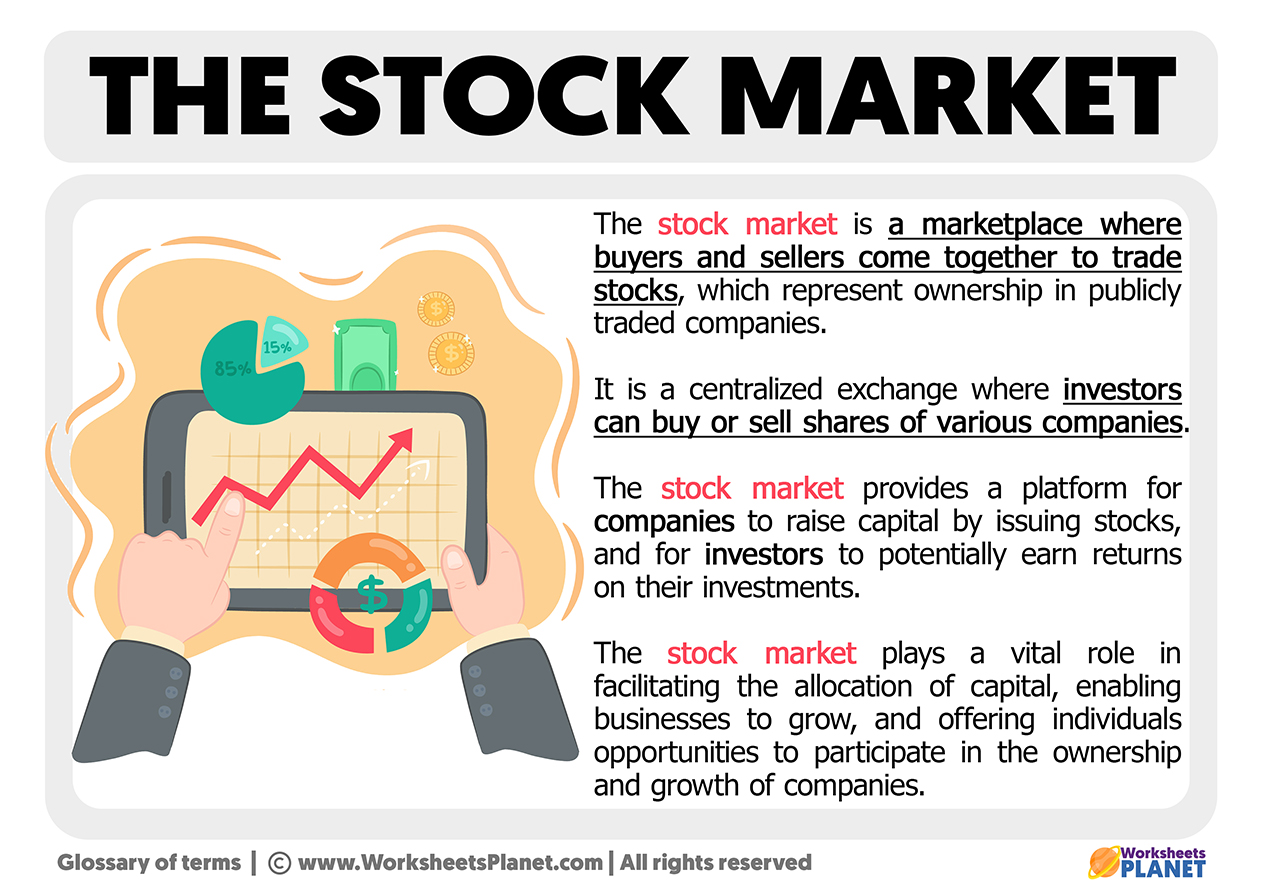
Stock exchanges are organized marketplaces where shares and other securities are listed and traded. Each exchange has its own listing requirements, trading hours, and regulatory frameworks. Some of the most prominent global stock exchanges include:
-
New York Stock Exchange (NYSE): Known for its traditional auction-based trading and home to many of the world’s largest and oldest “blue-chip” companies.
-
NASDAQ: A technology-driven electronic exchange, famous for listing leading tech giants and innovative growth companies.
-
London Stock Exchange (LSE): One of the oldest and most international exchanges, central to European financial markets.
-
Tokyo Stock Exchange (TSE): The largest exchange in Asia, reflecting Japan’s economic prowess.
-
Shanghai Stock Exchange (SSE) & Shenzhen Stock Exchange (SZSE): Dominant exchanges in mainland China, representing a rapidly growing economic force.
-
Euronext: A pan-European exchange group operating in several countries, including France, Belgium, and the Netherlands.
These exchanges are not isolated; they are interconnected, influencing each other through global economic trends, capital flows, and the operations of multinational corporations.
Market Segmentation and Indices
Within these exchanges, stocks are often categorized by various characteristics, such as market capitalization (the total value of a company’s outstanding shares). This leads to terms like:
-
Blue-chip stocks: Shares of large, well-established, financially sound companies with a history of stable earnings (e.g., Apple, Coca-Cola).
-
Mid-cap stocks: Shares of companies with medium market capitalization, offering a balance of growth potential and stability.
-
Small-cap stocks: Shares of smaller companies, often with higher growth potential but also higher risk.
To provide a snapshot of overall market performance, stock market indices are used. These are hypothetical portfolios of stocks that represent a particular market, sector, or segment. Examples include:
-
S&P 500: Represents 500 of the largest U.S. publicly traded companies, widely considered a benchmark for the overall U.S. stock market.
-
Dow Jones Industrial Average (DJIA): Tracks 30 prominent U.S. companies, reflecting a narrow but influential segment of the market.
-
FTSE 100: Represents the 100 largest companies by market capitalization listed on the London Stock Exchange.
-
Nikkei 225: Japan’s premier stock market index.
Indices help investors and analysts gauge market sentiment and economic health, providing context for individual stock performance.
Why Stock Markets Are Indispensable for Growth
Beyond their operational mechanics, stock markets play a profoundly important role in the broader economy and in individuals’ financial lives, acting as engines of growth and wealth creation.
Fueling Economic Development
Stock markets are often considered the barometer of a nation’s economic health. A thriving stock market indicates strong corporate earnings, investor confidence, and a generally optimistic economic outlook. They facilitate efficient capital allocation by directing funds from savers to businesses with the most promising growth opportunities. This capital injection allows companies to innovate, expand operations, and create jobs, thereby boosting productivity and overall economic output. Without a robust stock market, businesses would have fewer avenues to secure the large-scale funding needed for significant ventures, potentially stifling innovation and slowing economic progress.
Furthermore, stock markets reflect and amplify confidence. When markets are rising, it often translates into a “wealth effect,” where investors feel richer and are more likely to spend, further stimulating economic activity. Conversely, market downturns can signal economic headwinds and dampen consumer and business sentiment.
Personal Wealth Creation and Financial Planning
For individuals, the stock market offers one of the most powerful tools for building long-term wealth and achieving financial independence. Historically, investing in stocks has provided superior returns compared to other asset classes like bonds or savings accounts, particularly when considering inflation. This long-term growth potential is crucial for:
-
Retirement Planning: Enabling individuals to accumulate substantial savings over decades, ensuring financial security in their later years.
-
Achieving Major Financial Goals: Funding children’s education, purchasing a home, or starting a business.
-
Beating Inflation: Ensuring that the purchasing power of one’s savings is preserved and enhanced over time.
By providing access to diverse investment opportunities, the stock market empowers individuals to take an active role in their financial future, shifting from mere savers to active participants in economic growth.
Navigating the Market: A Guide for Aspiring Investors
While the stock market offers immense opportunities, it also entails risks. Successful navigation requires a blend of knowledge, strategy, and discipline.
Understanding Risks and Rewards
The stock market is synonymous with both potential for significant gains and the risk of losses.
-
Rewards: These include capital appreciation (your shares increasing in value), dividends (regular income from profits), and the potential to outpace inflation and grow wealth significantly over the long term.
-
Risks: The primary risk is market volatility, meaning stock prices can fluctuate dramatically over short periods. This can lead to losses, especially if an investor is forced to sell during a downturn. Specific company risks (poor management, declining sales), industry risks, and broader economic risks (recessions, interest rate hikes) also contribute to overall market uncertainty.
It’s crucial for every investor to assess their risk tolerance – their ability and willingness to endure potential losses – before allocating capital to the stock market. This assessment should guide investment decisions, ensuring strategies align with individual comfort levels.
Essential Investment Strategies
Successful investing in the stock market is rarely about timing the market; it’s about time in the market and employing sound strategies:
-
Diversification: The golden rule of investing. Spreading investments across different companies, industries, and asset classes (e.g., stocks, bonds, real estate) helps mitigate risk. If one investment underperforms, others may compensate.
-
Long-Term Investing: Focusing on holding investments for many years (often decades) allows short-term fluctuations to smooth out and harnesses the power of compounding returns.
-
Dollar-Cost Averaging: Investing a fixed amount of money at regular intervals (e.g., $100 every month) regardless of the stock price. This strategy averages out the purchase price over time, reducing the risk of buying at a market peak.
-
Research and Due Diligence: Before investing in a company, understand its business model, financial health, competitive landscape, and management team. Don’t invest in what you don’t understand.
-
Asset Allocation: Determining the appropriate mix of different asset classes (e.g., 60% stocks, 30% bonds, 10% cash) based on your age, financial goals, and risk tolerance.
Getting Started
For those looking to enter the stock market, the process is more accessible than ever:
-
Educate Yourself: Continuously learn about investing principles, market dynamics, and personal finance.
-
Define Your Goals: Understand what you’re investing for (retirement, house down payment, etc.) and your time horizon.
-
Choose a Brokerage Account: Open an investment account with a reputable online broker that offers low fees, a user-friendly platform, and robust research tools.
-
Start Small: Begin with an amount you’re comfortable losing, and gradually increase your investments as your knowledge and confidence grow.
-
Be Patient and Consistent: Investing is a marathon, not a sprint. Stick to your strategy and avoid impulsive decisions driven by market hype or fear.

Conclusion
The stock market, far from being an enigmatic realm exclusive to financial elites, is a foundational pillar of the global economy and an indispensable tool for personal wealth accumulation. It serves as a vital conduit for capital, channeling investments into companies that drive innovation and create jobs, while simultaneously offering individuals the opportunity to participate in economic growth and achieve their financial aspirations.
Understanding “what are stock markets” is the first step towards demystifying finance and taking control of one’s economic future. While inherent risks demand respect and careful consideration, an informed approach, coupled with strategic planning and a long-term perspective, can transform the stock market into a powerful ally on the journey towards financial prosperity. It is a dynamic, ever-evolving ecosystem, yet its fundamental principles remain steadfast: a marketplace of ownership, opportunity, and the engine of shared economic progress.
aViewFromTheCave is a participant in the Amazon Services LLC Associates Program, an affiliate advertising program designed to provide a means for sites to earn advertising fees by advertising and linking to Amazon.com. Amazon, the Amazon logo, AmazonSupply, and the AmazonSupply logo are trademarks of Amazon.com, Inc. or its affiliates. As an Amazon Associate we earn affiliate commissions from qualifying purchases.