
The phrase “work hard play hard” has transcended a mere colloquialism to become a powerful, multifaceted brand statement. It encapsulates a philosophy of intense dedication to professional pursuits balanced by an equally fervent commitment to leisure and personal enrichment. Within the realm of branding, understanding this ethos is crucial, as it informs corporate culture, shapes personal identity, and influences how entities are perceived in the marketplace. It’s not just about a lifestyle; it’s about a deliberate brand strategy that communicates ambition, resilience, and a holistic approach to success and well-being.
The Core Philosophy as a Brand Statement
At its essence, “work hard play hard” is a declaration of values. For a brand, whether corporate or personal, it signals a commitment to excellence and a recognition of the importance of rejuvenation and life outside of work. It’s a compelling narrative that appeals to those who seek high achievement without sacrificing a vibrant personal life.

Defining the Modern “Work Hard Play Hard” Ethos
Historically, the phrase might have been associated with long hours and hedonistic weekends. However, in contemporary branding, its meaning has evolved. It now often signifies a strategic approach to time and energy management. “Working hard” implies focus, efficiency, innovation, and a drive to exceed expectations, not merely logging excessive hours. It’s about impact and output. “Playing hard,” on the other hand, is about purposeful disengagement and investing in activities that recharge, inspire, and foster personal growth. This could range from adventure travel and competitive sports to creative hobbies, community involvement, or quality time with loved ones. For a brand, embodying this means championing high performance and advocating for employee well-being, acknowledging that one fuels the other. It’s a brand promise that productivity doesn’t have to come at the cost of a fulfilling life, but rather, that a fulfilling life enhances productivity.
Beyond the Stereotype: Nuance in Application
A superficial interpretation of “work hard play hard” can lead to burnout and cynicism if not genuinely embedded within a brand’s culture. For effective branding, it must be authentic and nuanced. It’s not about glorifying exhaustion or promoting irresponsible leisure. Instead, it’s about strategic intensity followed by intentional recovery. A brand that truly lives this philosophy understands that peak performance is unsustainable without proper breaks and diverse experiences. This nuance becomes a critical differentiator, allowing brands to avoid clichés and instead present a mature, sustainable model of success that resonates deeply with an increasingly health-conscious and experience-driven audience.
Corporate Branding: Attracting Talent and Shaping Culture
For organizations, “work hard play hard” is a potent tool for employer branding and defining corporate identity. It shapes perceptions among potential hires, current employees, and even customers, projecting an image of a dynamic, results-oriented, yet human-centric workplace.
Employer Branding and Talent Acquisition
In a competitive talent market, companies leverage the “work hard play hard” ethos to differentiate themselves. It signals an environment where ambition is rewarded, and personal lives are respected. This brand message appeals particularly to ambitious professionals who want to make a significant impact professionally but also value experiences outside the office. Recruitment campaigns often feature images of vibrant office environments juxtaposed with employees engaging in team-building activities, social events, or even pursuing their personal passions. This strategy positions the company not just as a place to work, but as a community that supports a holistic lifestyle, thereby attracting top-tier talent who are seeking more than just a paycheck. It communicates that the company invests in its people’s overall well-being, seeing it as integral to their professional output.
Fostering a Dynamic Company Culture
Beyond external recruitment, this philosophy is instrumental in shaping internal company culture. When authentically implemented, it cultivates an environment where high expectations are balanced with opportunities for decompression and camaraderie. Companies might offer generous vacation policies, organize team outings, sponsor employee sports leagues, or create inviting communal spaces within the office that encourage both collaboration and relaxation. This isn’t merely a perk; it’s a strategic cultural investment. It fosters a sense of belonging, reduces stress, and boosts morale, which in turn leads to higher engagement, reduced turnover, and increased creativity. The brand identity becomes synonymous with a place where challenging work is rewarding, and downtime is valued, strengthening internal cohesion and productivity.
Internal Branding and Employee Engagement
Effective internal branding ensures that the “work hard play hard” message is consistently lived and experienced by employees. It means leaders model the behavior, promoting both intense focus during work hours and encouraging genuine breaks. Company policies, from flexible work arrangements to mental health support, must reflect this ethos. When employees genuinely feel their company supports this balance, they become brand advocates themselves. They share positive experiences, reinforcing the company’s reputation and attracting others who align with these values. This internal alignment is vital because a brand is only as strong as its internal perception; employees who feel valued and balanced are more likely to deliver exceptional results and contribute positively to the brand’s external image.
Personal Branding: Crafting an Authentic Professional Identity
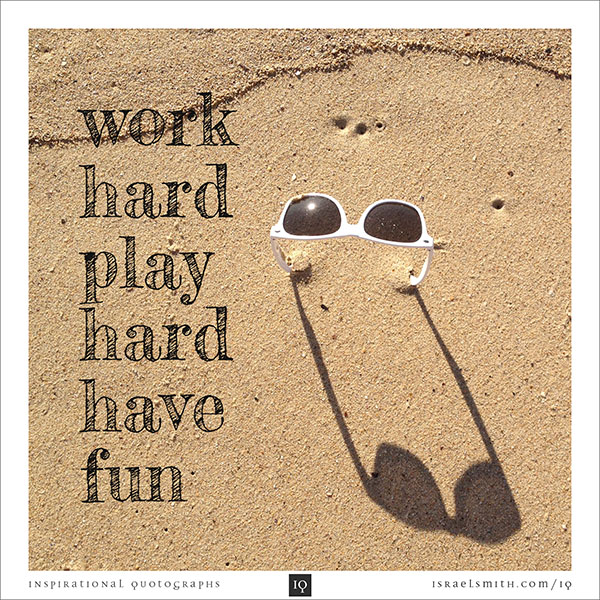
Individuals, particularly entrepreneurs, freelancers, and professionals in demanding fields, often adopt “work hard play hard” as a cornerstone of their personal brand. It’s a way to articulate their drive, their capacity for high performance, and their commitment to a well-rounded existence.
Entrepreneurial Spirit and Professional Image
For entrepreneurs, “work hard play hard” is often an inherent part of their journey. Building a business demands intense dedication, but successful entrepreneurs also understand the importance of stepping away to gain perspective, recharge, and prevent burnout. Their personal brand often reflects this duality: an image of relentless pursuit of goals combined with a zest for life. This resonates with clients and partners who value both reliability and an inspiring, balanced perspective. By showcasing both their professional achievements and their adventurous or fulfilling personal life, entrepreneurs create a more relatable and attractive personal brand that suggests vitality, resilience, and a comprehensive approach to success. It communicates that they are not just focused on profit, but on a holistic definition of achievement.
Demonstrating Balance and Drive
In personal branding, explicitly or implicitly communicating a “work hard play hard” philosophy helps manage perceptions. It counters the stereotype of the perpetually stressed professional by showcasing an individual who masters their craft while also pursuing personal passions. This can be conveyed through social media content—professional updates alongside travel photos, hobby engagements, or community work. It communicates efficiency and time management skills: if someone can achieve so much professionally while also maintaining a vibrant personal life, it suggests a high level of discipline and strategic execution. This balance can be particularly appealing to potential employers, clients, or collaborators who seek individuals who are not only capable but also well-adjusted and resilient. It brands the individual as someone who understands sustainable success.
Marketing and Perception: Communicating Brand Values
Brands that embrace the “work hard play hard” philosophy use it strategically in their marketing to communicate specific values, attract certain demographics, and build a distinctive market position.
Resonance with Target Audiences
Marketing campaigns often tap into the aspirations of their target audience. For demographics that value both professional growth and personal freedom, a “work hard play hard” message can be incredibly compelling. It suggests that a brand understands and supports a lifestyle where ambition doesn’t negate enjoyment. This might manifest in advertisements showcasing products or services that enable efficiency (for the “work hard” part) or enhance experiences (for the “play hard” part). Tech companies selling productivity tools, travel agencies promoting adventure tours, or even luxury brands positioning their products as rewards for dedication, all implicitly or explicitly leverage this ethos. They are not just selling a product; they are selling a lifestyle that embodies this balance, creating a deeper, more emotional connection with consumers.
Visual Identity and Experiential Marketing
The “work hard play hard” ethos significantly influences a brand’s visual identity and marketing experiences. Office designs often incorporate recreational zones, gyms, or inspiring breakout areas, which are then featured in recruitment videos and promotional materials. Events sponsored or hosted by brands might combine professional development workshops with social mixers or adventure activities. The visual language—from photography in ad campaigns to website design—often mixes elements of professional competence with dynamic, exciting leisure. This experiential marketing creates an immersive brand narrative, allowing customers and potential employees to visualize themselves within this vibrant culture, reinforcing the brand’s commitment to both achievement and enjoyment.
The Authenticity Imperative in “Work Hard Play Hard” Branding
For “work hard play hard” to be a genuinely effective brand statement, authenticity is non-negotiable. A brand that merely pays lip service to this philosophy risks alienating its audience and undermining its credibility.
Avoiding Performative Culture
Inauthentic “work hard play hard” branding can easily be perceived as performative. If a company claims to support work-life balance but consistently expects employees to work excessive hours without genuine opportunities for rest or rejuvenation, it creates a toxic environment. Employees will quickly see through the facade, leading to cynicism, disengagement, and a damaged employer brand. Similarly, a personal brand that exaggerates its leisure activities while truly struggling with burnout will eventually lose credibility. True authenticity requires alignment between external messaging and internal reality. Brands must genuinely invest in policies, resources, and a culture that supports both hard work and robust play, rather than just using it as a marketing slogan.

Building a Sustainable Brand Narrative
Ultimately, a sustainable “work hard play hard” brand narrative is built on integrity and a genuine understanding of human well-being. It requires transparent communication about expectations, a commitment to supporting employees’ mental and physical health, and a recognition that true productivity stems from a refreshed and motivated workforce. Brands that successfully integrate this philosophy do so by making it an intrinsic part of their operational DNA, not just a superficial layer. This builds trust, fosters loyalty, and creates a powerful, enduring brand that attracts the right talent, resonates with the ideal customers, and stands for a holistic vision of success. It means demonstrating that success is not just about output, but about the quality of life that output enables and sustains.
aViewFromTheCave is a participant in the Amazon Services LLC Associates Program, an affiliate advertising program designed to provide a means for sites to earn advertising fees by advertising and linking to Amazon.com. Amazon, the Amazon logo, AmazonSupply, and the AmazonSupply logo are trademarks of Amazon.com, Inc. or its affiliates. As an Amazon Associate we earn affiliate commissions from qualifying purchases.