
In the crowded landscape of global commerce, where consumers are bombarded by thousands of marketing messages daily, the power of a symbol often outweighs the power of a slogan. Symbols bypass the rational mind and speak directly to the subconscious, tapping into shared cultural archetypes and deep-seated psychological associations. Among the various animal motifs used in corporate identity, the white owl occupies a unique and prestigious position. In brand strategy, the white owl symbolizes a potent blend of wisdom, clarity, nocturnal vigilance, and rare luxury.
Understanding what the white owl symbolizes is not merely an exercise in mythology; it is a fundamental deep dive into semiotics—the study of signs and symbols. For brand architects and creative directors, leveraging the white owl is a strategic choice designed to position a company as an enlightened leader in its field.
The Semiotics of the White Owl in Corporate Identity
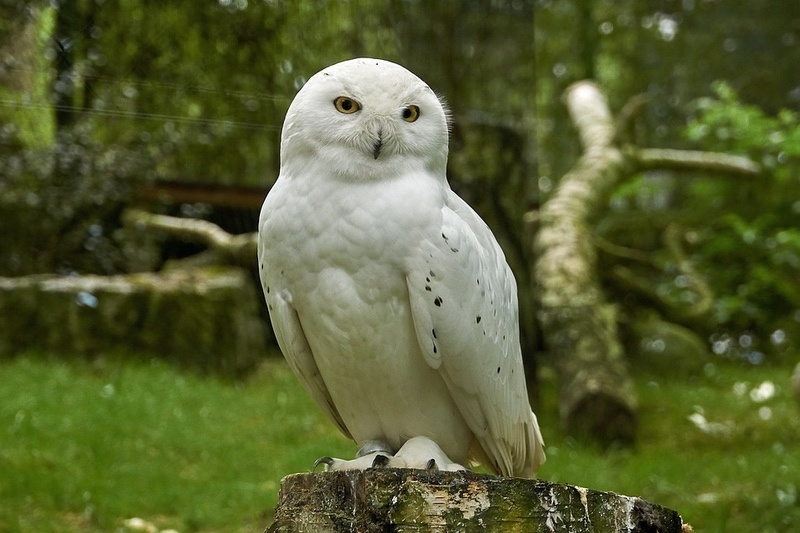
Semiotics allows brands to communicate complex values through a single visual shorthand. When a company adopts the white owl as part of its brand identity, it is signaling a specific set of attributes to its target audience. Unlike the traditional brown owl, which is often associated with rustic knowledge or academic tradition, the white owl—specifically the Snowy Owl—introduces elements of purity, innovation, and high-tier positioning.
Wisdom and Intelligence as Brand Pillars
At its core, the owl has been a symbol of Athena, the Greek goddess of wisdom, for millennia. In a modern branding context, this translates to “Expertise.” Brands in the consulting, legal, and financial sectors often utilize owl imagery to suggest that they possess deep insights that others might miss.
The white owl, however, elevates this wisdom. It suggests a “higher” intelligence—one that is refined and untainted. In the world of SaaS (Software as a Service) and AI, the white owl symbolizes the clarity that data brings to a chaotic marketplace. It tells the consumer: “We don’t just have information; we have the wisdom to apply it effectively.” This brand promise is essential for companies selling high-stakes solutions where the margin for error is slim.
The Rarity Factor: Positioning for Luxury and Exclusivity
In nature, the white owl is a rare sight, often associated with the pristine, untouched environments of the far north. In brand strategy, rarity equals value. High-end lifestyle brands and luxury goods often use rare animal symbols to mirror their own market position.
When a brand uses a white owl, it is making a statement about its exclusivity. It suggests that the brand’s offerings are not for everyone, but for the discerning few who recognize true quality. This “white space” in the market is where the most significant profit margins exist. By aligning with the white owl, a brand creates an aura of being “hard to find” yet “impossible to forget,” a key psychological trigger in prestige branding.
Visual Communication and Color Psychology
The effectiveness of a symbol is heavily dependent on its color palette. In branding, the color white is far from a neutral choice; it is a deliberate strategic tool. When combined with the silhouette of an owl, the resulting visual identity communicates a specific set of psychological triggers that influence consumer trust and perception.
The Purity of White in Minimalist Design
White symbolizes purity, cleanliness, and perfection. In the 21st-century design aesthetic, dominated by Apple-esque minimalism, white is the color of the future. It represents a “blank slate” and an absence of clutter. A white owl symbol allows a brand to appear modern and forward-thinking.
For technology and wellness brands, this is particularly effective. In tech, the white owl symbolizes “Clean Tech” or “Seamless Integration.” In the wellness and skincare industries, it suggests “Clinical Purity” combined with “Ancient Wisdom.” By stripping away the earth tones usually associated with owls, the brand distances itself from the “old way” of doing things and aligns itself with contemporary innovation.
Nocturnal Vigilance: Reliability and Security Branding
Owls are nocturnal hunters, capable of seeing what remains hidden to others under the cover of darkness. This characteristic is a goldmine for brands specializing in security, digital privacy, and 24/7 service.

In the realm of digital security and brand protection, the white owl symbolizes a “Guardian of the Night.” It suggests that while the customer sleeps, the brand is awake, vigilant, and protecting their interests. The “white” aspect adds a layer of transparency and ethical conduct to this vigilance. It assures the client that the monitoring is not “shadowy” or “nefarious,” but rather “protective” and “bright.” This is a critical distinction for brands in the fintech and cybersecurity sectors where trust is the primary commodity.
Implementing Symbolism in Your Personal and Corporate Brand
Strategic symbolism is not reserved for Fortune 500 companies. Whether you are building a personal brand as a thought leader or launching a new corporate entity, the way you utilize archetypes like the white owl can define your trajectory in the market.
Narrative Arc: Telling a Story Through Archetypes
Every great brand tells a story. The white owl fits into the “Sage” or “Magician” archetypes described by Carl Jung and later popularized in branding by Carol Pearson. If your brand story is about guiding clients through a complex transformation, the white owl is your ideal mascot.
When implementing this, the brand narrative should focus on “Illumination.” The white owl symbolizes the light of knowledge in the darkness of uncertainty. Your marketing copy should reflect this, using language that highlights clarity, vision, and the “unseen” opportunities that your brand helps clients discover. This creates a cohesive brand experience where the visual symbol and the verbal message are in perfect alignment.
Consistency Across Touchpoints
For the white owl to truly symbolize these high-level concepts, it must be applied with rigorous consistency across all brand touchpoints. This goes beyond the logo. It should influence:
- Typography: Clean, sans-serif fonts that mirror the owl’s streamlined feathers.
- Imagery: High-contrast photography with plenty of negative space (white space) to emphasize the “rarity” of the brand.
- Tone of Voice: Calm, authoritative, and insightful. A brand represented by a white owl should never sound frantic or loud; it should sound like the smartest person in the room who only speaks when they have something profound to say.
By maintaining this consistency, the symbol becomes more than a picture—it becomes a “mental shortcut” for the consumer. When they see that icon, they immediately feel the brand’s promise of wisdom and exclusivity without needing to read a single line of text.
The Strategic Advantage: Why Choose an Owl Over Other Icons?
In the competitive world of brand design, why would a strategist choose a white owl over, for example, a lion or an eagle? The answer lies in the specific emotional resonance of the owl.
Avoiding the “Predatory” Trap
While lions and eagles symbolize strength and power, they can also be perceived as aggressive or predatory. For many modern brands, especially those in service-based industries or B2B (business-to-business) sectors, “aggression” is not the desired trait. Brands today want to be seen as partners, mentors, and guides.
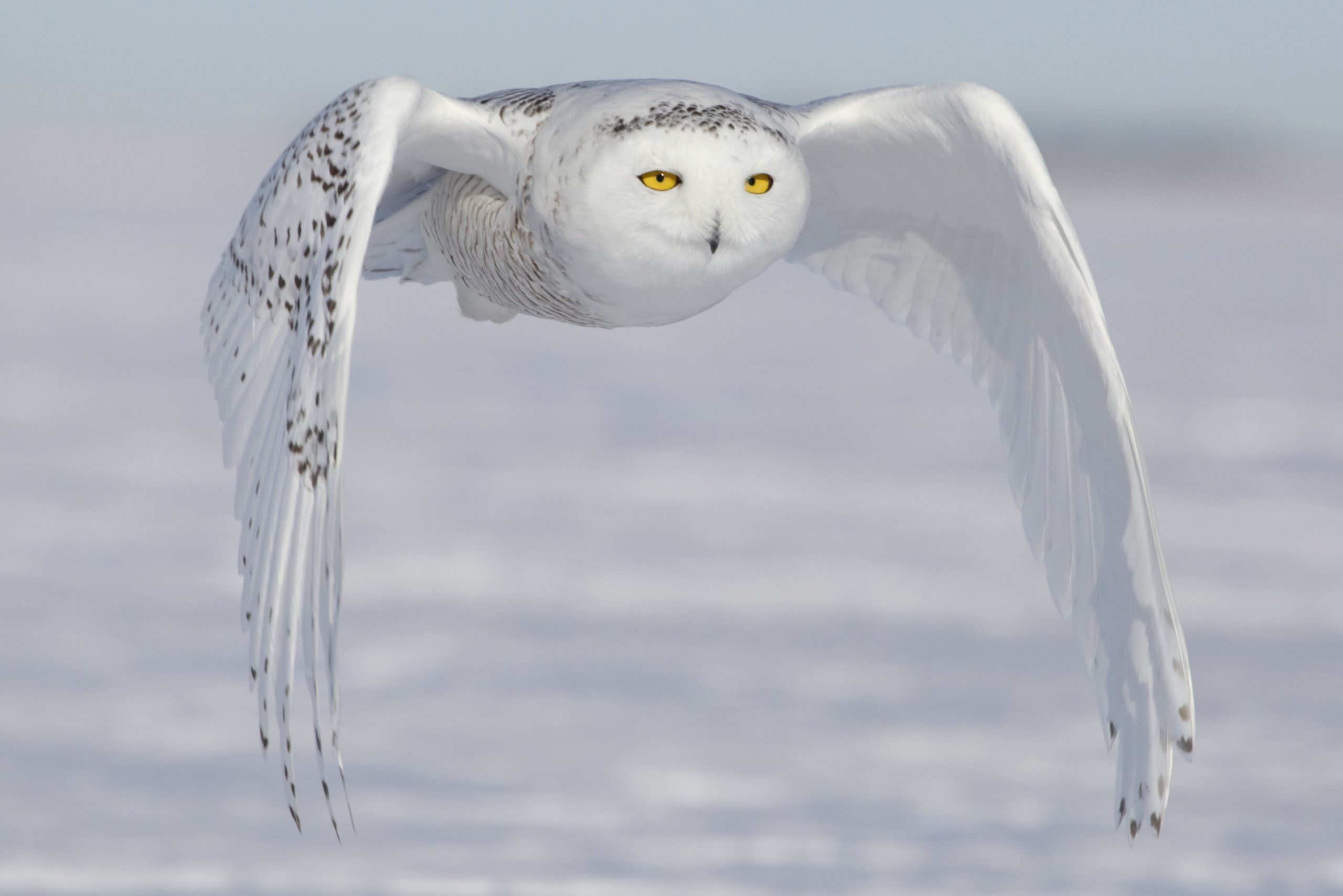
The white owl symbolizes a “passive power.” It is a predator, yes, but it is known for its silence and its observation. It represents the power of the mind over the power of the muscle. This makes it an ideal choice for brands that want to project strength without being intimidating. It suggests that the brand is powerful because it is smart, not because it is loud.
The Global Appeal of Owl Symbolism
Finally, the white owl has a broad cultural footprint. While some symbols vary wildly in meaning across different cultures, the owl’s association with hidden knowledge and sharp vision is nearly universal. This makes it an excellent choice for brands with global aspirations.
In a globalized economy, a brand’s visual identity must be “translatable.” The white owl transcends language barriers. Whether a consumer is in Tokyo, London, or New York, the image of a white owl conveys a sense of high-level intelligence and premium quality. It is a “pre-validated” symbol that comes with centuries of built-in meaning, allowing a brand to borrow that historical equity and apply it to a modern product or service.
In conclusion, what the white owl symbolizes in brand strategy is a sophisticated synthesis of intelligence, purity, and watchful protection. It is a symbol for brands that aspire to be more than just vendors—brands that want to be perceived as essential, enlightened, and elite. By carefully integrating this archetype into a brand’s visual and narrative DNA, companies can create a lasting impression of excellence that resonates deeply with their audience.
aViewFromTheCave is a participant in the Amazon Services LLC Associates Program, an affiliate advertising program designed to provide a means for sites to earn advertising fees by advertising and linking to Amazon.com. Amazon, the Amazon logo, AmazonSupply, and the AmazonSupply logo are trademarks of Amazon.com, Inc. or its affiliates. As an Amazon Associate we earn affiliate commissions from qualifying purchases.