
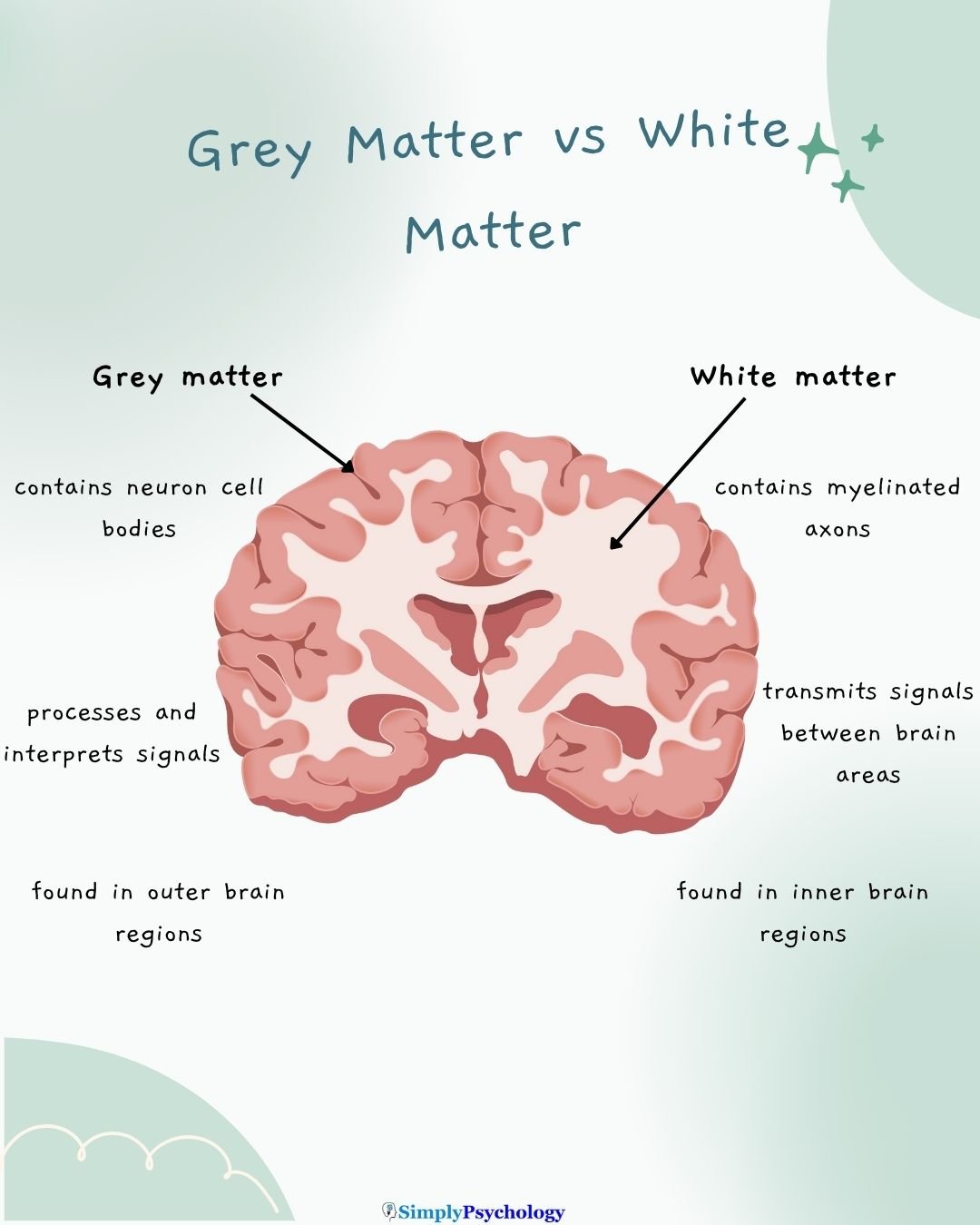
In the architectural hierarchy of the human brain, we often prioritize “gray matter”—the dense clusters of neurons where processing, computation, and decision-making occur. However, without the vast, intricate network of “white matter,” the brain would be a collection of isolated islands, unable to communicate, coordinate, or function as a cohesive system. White matter consists of the myelinated axons that act as the high-speed communication cables of the central nervous system.
In the world of technology, a parallel phenomenon exists. We frequently obsess over “gray matter” technologies—the raw processing power of the latest GPUs, the sophisticated logic of Large Language Models (LLMs), and the sheer storage capacity of massive data centers. But just as in biology, the “white matter” of technology is what truly defines the limits of our digital capabilities. In a tech context, white matter represents the infrastructure of connectivity: the high-speed interconnects, the global fiber-optic networks, the software-defined protocols, and the latency-shaving architectures that allow data to travel from point A to point B.
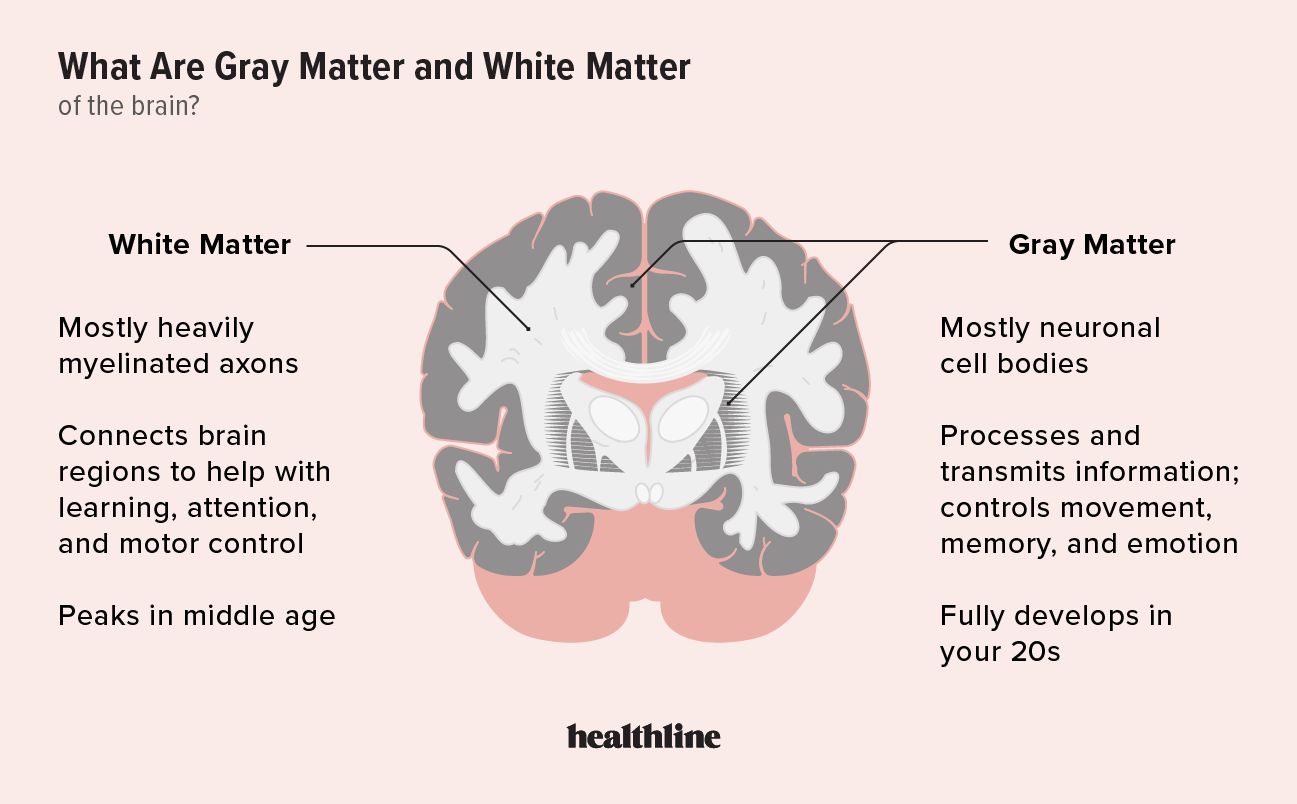
Understanding what “white matter” does in the tech landscape is essential for understanding the future of AI, edge computing, and global digital security.
1. The Interconnects of Artificial Intelligence: Gray vs. White Matter
When we discuss the rise of generative AI, the conversation usually centers on the number of parameters in a model or the TFLOPS (Tera Floating Point Operations Per Second) of an H100 GPU. This is the “gray matter” of AI. However, as models scale to trillions of parameters, the bottleneck is no longer the speed of a single chip, but the speed at which those chips can talk to each other.
The Role of NVLink and InfiniBand
In modern AI superclusters, the white matter is composed of specialized interconnects like NVIDIA’s NVLink or Mellanox’s InfiniBand. These are not merely “cables”; they are sophisticated communication fabrics that allow thousands of GPUs to act as a single, unified processor. Without this digital white matter, the “brain” of the AI would suffer from catastrophic latency, where the processing units spend more time waiting for data than actually computing it.
Distributed Computing and Synchronicity
White matter in tech ensures synchronicity. In distributed training—where a model is split across hundreds of servers—the “all-reduce” algorithms and the physical networking hardware ensure that every part of the system is updated simultaneously. If the white matter fails or slows down, the model’s training efficiency collapses. In this niche, the “white matter” does the heavy lifting of coordination, ensuring that the collective intelligence of the cluster is greater than the sum of its parts.
Memory Wall and the Unified Architecture
One of the most significant challenges in modern tech is the “Memory Wall”—the gap between how fast a processor can work and how fast it can access data from memory. Technologies like CXL (Compute Express Link) are the new “white matter” of the motherboard, creating a high-speed, low-latency path between CPUs, GPUs, and memory pools. By optimizing these pathways, we are essentially “myelinating” our hardware, allowing for faster signal transmission and more efficient power consumption.
2. The Global Nervous System: Fiber Optics and the Edge
On a macro scale, the white matter of our world is the global telecommunications network. If the internet is the “world brain,” then the undersea fiber-optic cables and 5G towers are the myelinated axons that keep information flowing at the speed of light.
Subsea Cables: The Axons of the Internet
The physical white matter of the global tech ecosystem consists of over 1.4 million kilometers of submarine cables. These cables are the primary reason a user in London can access a server in Virginia in milliseconds. The engineering behind these cables—utilizing dense wavelength division multiplexing (DWDM)—allows for the transmission of massive amounts of data through strands of glass no thicker than a human hair. Just as white matter in the brain facilitates long-range communication between distant cortical regions, these cables facilitate the global exchange of the world’s “thoughts”—its data, commerce, and communications.
5G and the Myelination of the Edge
Edge computing represents a shift where processing (gray matter) moves closer to the source of data. However, the success of the edge depends entirely on the “white matter” of 5G and 6G networks. By reducing the distance signals must travel and increasing the bandwidth of those signals, we are essentially increasing the “nerve conduction velocity” of our smart cities, autonomous vehicles, and industrial IoT devices.
Latency: The Digital Degeneration
In biology, the degradation of white matter leads to cognitive decline and slowed reaction times. In tech, high latency is the equivalent of white matter disease. For high-frequency trading, remote robotic surgery, or competitive gaming, the quality of the “white matter”—the network path—is often more valuable than the hardware at either end. The focus is shifting from “how much can we process?” to “how fast can the result be delivered?”
3. Software-Defined Networking: The Programmable White Matter
In the human brain, white matter is relatively static compared to the plastic nature of gray matter. In technology, however, we have developed “Software-Defined Networking” (SDN), which allows us to program and optimize our communication pathways on the fly. This is the digital equivalent of being able to rewire your brain’s connections to suit the task at hand.
Virtualization and the Cloud
The cloud is not just a collection of servers; it is a masterpiece of virtualized white matter. Through SDN, cloud providers like AWS, Azure, and Google Cloud can create virtual private clouds (VPCs), load balancers, and content delivery networks (CDNs) that route traffic through the most efficient paths possible. This programmable white matter allows the tech ecosystem to be resilient, automatically rerouting data if a “nerve” (a server or cable) is severed.
The Role of APIs as Connective Tissue
If hardware represents the physical white matter, APIs (Application Programming Interfaces) represent the functional white matter. APIs allow disparate software systems to communicate. In a modern enterprise, the “white matter” is the API layer that connects the CRM to the ERP and the front-end user interface. Without these standardized pathways, data would remain “siloed”—trapped in isolated pockets of gray matter, unable to be utilized by the rest of the organization.
Zero Trust and the “Myelin” of Encryption
In the brain, myelin is a fatty sheath that protects the axon and speeds up the signal. In tech, the “myelin” is encryption and security protocols. As data travels across the white matter of the internet, it must be protected. The “Zero Trust” architecture treats every connection as a potential threat, wrapping data in layers of encryption (like TLS/SSL) to ensure that even if the signal is intercepted, it remains unreadable. This “protected connectivity” is what allows the global economy to function securely on public infrastructure.
4. The Future: Quantum Networking and Neuromorphic Pathways
As we look toward the next decade, the “white matter” of technology is set to undergo a fundamental transformation. We are moving beyond classical binary signals toward quantum and neuromorphic architectures that mimic the biological brain more closely than ever before.
Quantum Interconnects and Entanglement
The ultimate “white matter” of the future is quantum entanglement. In a quantum network, information could theoretically be “transmitted” instantaneously between qubits across vast distances. This would represent a leap in “nerve conduction velocity” that defies classical physics. Companies are currently working on quantum repeaters—the “nodes” of the future quantum white matter—to extend the range of these fragile connections.
Neuromorphic Computing: Blurring the Line
Neuromorphic chips, such as Intel’s Loihi, are designed to mimic the brain’s structure, integrating processing and memory. In these systems, the distinction between gray and white matter begins to blur. The architecture itself is the network. By mimicking the “spiking” nature of biological neurons and the efficiency of white matter pathways, neuromorphic tech promises to reduce power consumption by orders of magnitude, enabling “intelligent” white matter that only consumes energy when a signal is being sent.
The Rise of Sovereign Networks
Just as a brain is contained within a skull, nations are increasingly looking to create “sovereign white matter”—domesticated internet infrastructures that are less dependent on foreign undersea cables or satellite constellations like Starlink. This trend toward “splinternets” suggests a future where the world’s digital white matter may become fragmented, leading to a geopolitical reordering based on who controls the most efficient and secure pathways of information.

Conclusion: The Vitality of the Connection
In both neurology and technology, we are often blinded by the brilliance of the processor—the “gray matter” that creates, thinks, and solves. But as we have explored, the “white matter” is the unsung hero of the digital age. It is the infrastructure of connectivity that allows an AI to learn from a petabyte of data, a surgeon to operate from across an ocean, and a global economy to pulse with trillions of transactions per second.
What does white matter do? It transforms isolated components into an intelligent system. It bridges the gap between potential and action. In the tech niche, investing in “white matter”—whether through 5G, fiber optics, AI interconnects, or secure APIs—is not just about building faster cables; it is about building a more responsive, resilient, and integrated world. As we move further into the era of hyper-connectivity, the value of the signal will always be defined by the quality of the path it travels.
aViewFromTheCave is a participant in the Amazon Services LLC Associates Program, an affiliate advertising program designed to provide a means for sites to earn advertising fees by advertising and linking to Amazon.com. Amazon, the Amazon logo, AmazonSupply, and the AmazonSupply logo are trademarks of Amazon.com, Inc. or its affiliates. As an Amazon Associate we earn affiliate commissions from qualifying purchases.