
The Physiology of Cannabis and Ocular Response
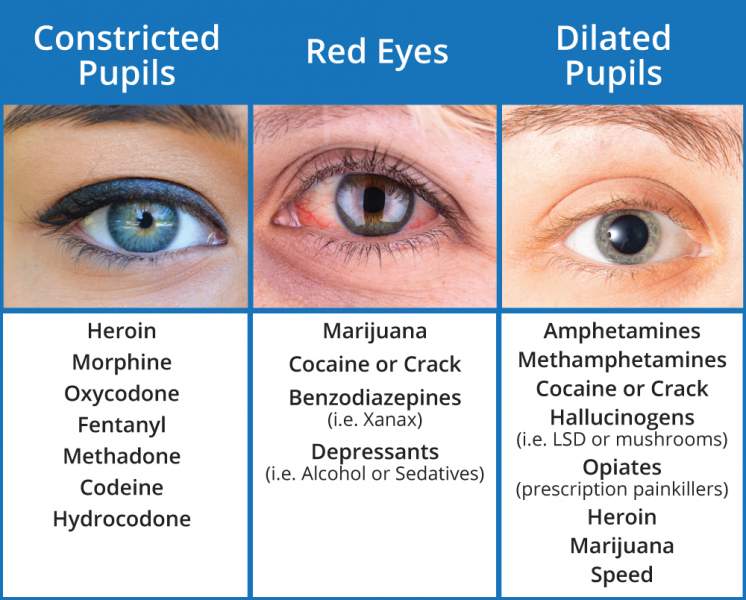
When analyzing the physiological impact of cannabis on the human body, the eyes serve as one of the most visible indicators of systemic change. While popular culture often focuses on the reddening of the sclera—caused by the vasodilation of ocular blood vessels—the internal mechanics regarding pupil size are frequently misunderstood. To understand what cannabis does to your pupils, we must first look at the intersection of pharmacology and the autonomic nervous system.
Cannabis contains over 100 cannabinoids, with delta-9-tetrahydrocannabinol (THC) and cannabidiol (CBD) being the most prominent. When these compounds enter the bloodstream, they interact with the endocannabinoid system, which is populated by receptors throughout the brain and body. Because the eyes are highly vascularized and contain a high density of receptors, they are susceptible to the shifts in neurotransmitter signaling triggered by THC.
The Autonomic Nervous System Connection
The size of the human pupil is governed by two opposing muscles in the iris: the sphincter muscle, which constricts the pupil, and the dilator muscle, which expands it. These muscles are controlled by the autonomic nervous system, specifically the balance between the sympathetic (“fight or flight”) and parasympathetic (“rest and digest”) branches.
Cannabis disrupts this delicate equilibrium. Because THC can have biphasic effects—meaning it can act as either a stimulant or a depressant depending on the dosage and the individual’s tolerance—the ocular response is rarely uniform. In many cases, the psychoactive experience of cannabis induces a state of relaxation that tilts the body toward parasympathetic dominance, which typically leads to pupil constriction. However, the anxiety or tachycardia often associated with higher doses can trigger a sympathetic response, potentially leading to dilation.
Distinguishing Dilation from Constriction
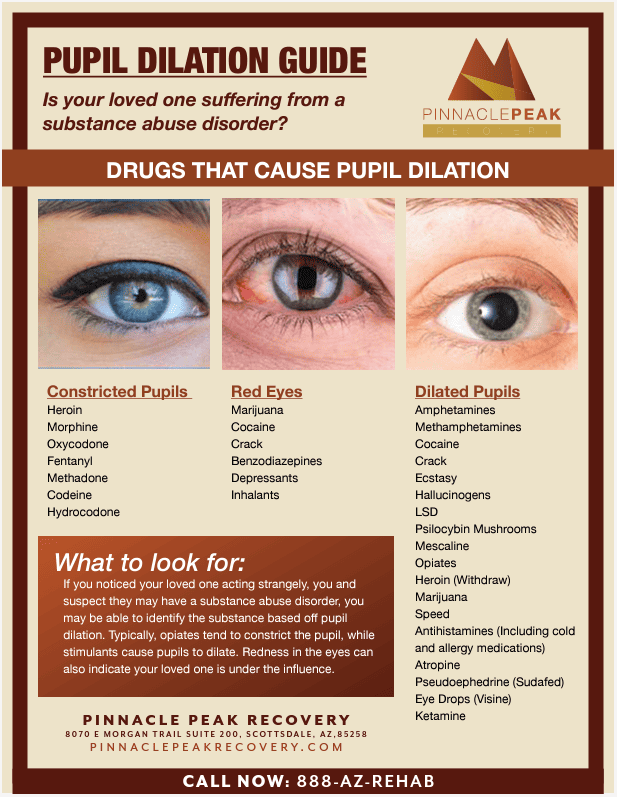
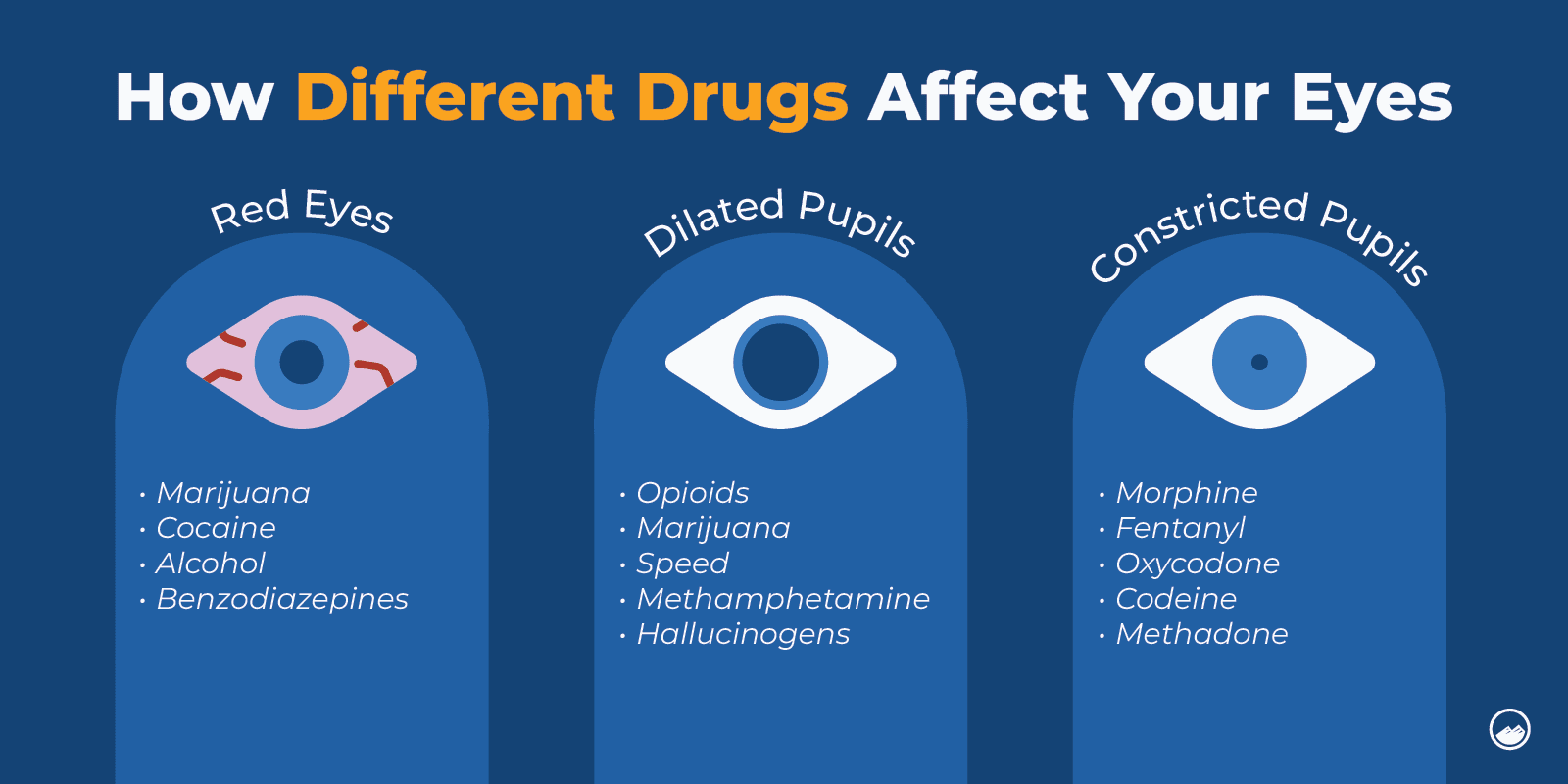
Most users report that their pupils remain largely unaffected by cannabis in terms of extreme dilation or constriction compared to substances like LSD or MDMA. Unlike stimulants such as cocaine, which cause profound mydriasis (extreme pupil dilation), cannabis is relatively subtle. When changes do occur, they are often secondary to the user’s emotional state or the environment’s lighting, rather than a direct, forced physiological command from the drug itself.
Cannabis in the Workplace: Understanding Impairment Metrics
From a professional standpoint, especially within industries prioritizing safety and precision, the “pupil test” has often been cited as a method for detecting impairment. However, current data suggests that relying on pupil size as a diagnostic tool for cannabis intoxication is scientifically flawed. In the context of corporate human resources and workplace safety policies, it is vital to distinguish between subjective observations and objective impairment.
The Fallacy of the “Dope-Eyed” Diagnostic
Many management teams and safety officers are trained to look for physical signs of cannabis consumption. While bloodshot eyes are a common byproduct of the drug’s effect on blood pressure, pupil size is not a reliable metric. Unlike alcohol, which significantly impairs coordination and cognitive function in measurable ways, or opioids, which cause “pinpoint” pupils, cannabis does not have a “signature” pupillary response.
If a safety officer relies solely on pupil size to determine whether an employee is fit for work, they are likely to encounter high false-positive and false-negative rates. This presents a significant challenge for HR professionals attempting to draft objective drug-free workplace policies. Relying on such anecdotal physical markers can lead to discriminatory practices, legal liability, and a breakdown in trust between management and staff.
Integrating Evidence-Based Impairment Protocols
As legalization spreads, organizations must shift away from outdated ocular observations and toward behavioral and performance-based assessments. Impairment is best measured through cognitive tests, reaction-time simulators, and documentation of behavioral changes rather than the inspection of a colleague’s irises. For companies operating in high-stakes environments—such as construction, aviation, or logistics—the focus must remain on standardized fitness-for-duty assessments rather than the superficial and often misleading physical cues associated with cannabis use.
The Financial Impact of Cannabis Marketing and Brand Identity
The ambiguity surrounding the physical effects of cannabis, including ocular symptoms, has profound implications for brand strategy and the burgeoning cannabis industry’s corporate identity. How a brand chooses to address these physical markers—or distance itself from them—is a critical component of their marketing strategy in a post-prohibition landscape.
Brand Positioning and the “Stigma-Free” Narrative
In the modern cannabis market, premium brands are actively distancing themselves from the “stoner” stereotypes of the past. Marketing campaigns are increasingly focused on wellness, lifestyle enhancement, and botanical efficacy rather than the recreational “high.” By framing cannabis as a sophisticated wellness product, these brands consciously move away from visual markers like reddened eyes or erratic pupillary behavior.
This branding pivot is essential for attracting a broader demographic, including health-conscious professionals and seniors, who might otherwise be alienated by counter-culture iconography. A clean, professional brand identity is an asset that commands higher valuation in investment circles. When a company positions itself as a clinical or high-end lifestyle brand, it aligns itself with the expectations of the modern consumer, which includes a departure from the visual tropes of 20th-century cannabis culture.
Investing in the Future of Cannabis Tech
For investors, understanding the nuance of physical symptoms like pupil changes is relevant when evaluating the viability of consumer-facing technologies. For instance, developers are working on apps designed to help users track their personal cannabis consumption and its effects on their physiology. A mobile app that promises to help a user determine if they are “ready to drive” or “safe for a meeting” must be built on scientifically accurate data.
If a developer builds a feature based on the assumption that cannabis causes massive pupil dilation, that feature is fundamentally flawed. Investors should scrutinize the R&D behind such digital health tools. Companies that leverage proprietary sensors or AI to track genuine markers of impairment—such as sway, cognitive load, or reaction time—are far more likely to capture long-term market share than those relying on the inaccurate physical assumptions of the past.
Balancing Clinical Reality and Corporate Strategy
The question of what cannabis does to your pupils is ultimately a microcosm of the wider debate surrounding the plant’s integration into professional and public life. While we have established that pupil size is a poor indicator of impairment, the narrative surrounding these physical markers continues to influence public perception and corporate regulation.
Navigating Regulatory Shifts
As legal frameworks evolve, the financial sector and corporate entities must rely on rigorous, objective data rather than outdated myths. Whether you are an investor looking to capitalize on the growth of the cannabis industry or a human resources leader refining your workplace safety policy, the takeaway remains consistent: scientific accuracy must take precedence over hearsay.
The industry is moving toward a more transparent, data-driven future. By acknowledging that cannabis does not trigger the dramatic pupil changes found in other substances, we can strip away the inaccurate social stigmas that have hindered both workplace productivity and corporate investment.
Final Synthesis for Industry Stakeholders
For the brand strategist, the path forward is clear: emphasize the science and de-emphasize the recreational tropes that focus on physical “symptoms.” For the financial analyst, look for companies that invest in legitimate impairment technology rather than gimmicky biometric trackers. And for the individual, understanding the biology behind one’s own physical responses allows for a more controlled and educated consumption experience.
Cannabis, like any other substance, interacts with the body in complex, individualized ways. By separating fact from fiction, we can better understand the true impact of the plant on our physiology, our professional lives, and the ever-growing global market. As the sector matures, the integration of objective, peer-reviewed science will be the hallmark of the most successful and resilient brands in the space. The pupil, once a point of confusion and mystery, is merely a small piece of a much larger, more sophisticated puzzle in the future of the cannabis economy.
aViewFromTheCave is a participant in the Amazon Services LLC Associates Program, an affiliate advertising program designed to provide a means for sites to earn advertising fees by advertising and linking to Amazon.com. Amazon, the Amazon logo, AmazonSupply, and the AmazonSupply logo are trademarks of Amazon.com, Inc. or its affiliates. As an Amazon Associate we earn affiliate commissions from qualifying purchases.