
The internal combustion engine is a marvel of mechanical engineering, but it is also an incredibly inefficient heat generator. Roughly 70% of the energy produced by burning fuel is converted into heat rather than mechanical motion. Without a sophisticated thermal management system, an engine would reach critical temperatures within minutes, leading to catastrophic structural failure. At the center of this vital system is the water pump—the mechanical “heart” that circulates coolant and ensures the vehicle operates within its optimal thermal range.
In the contemporary landscape of automotive technology, the water pump has evolved from a simple belt-driven device into a precision-engineered component often integrated with complex electronics and software. Understanding the role of the water pump requires a deep dive into the physics of heat exchange, the mechanics of fluid dynamics, and the shifting trends in automotive hardware.
The Heart of the Cooling System: Circulation and Heat Exchange
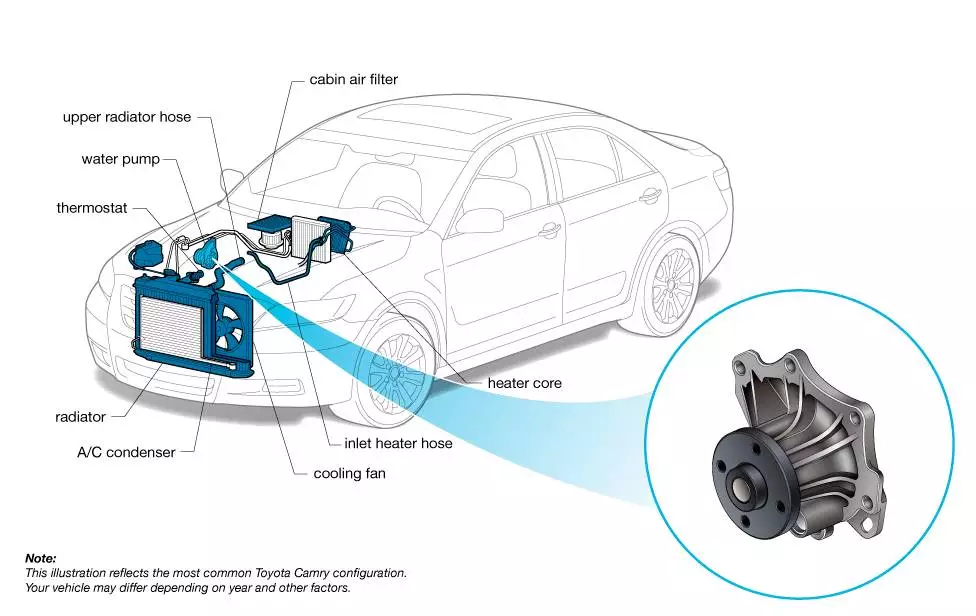
The primary function of the water pump is to facilitate the continuous movement of coolant through the engine block, cylinder heads, and radiator. This process is not merely about “moving water”; it is about the precise management of thermal energy. When the engine is running, the combustion process generates localized heat that exceeds the melting point of various engine components. The water pump ensures that this heat is absorbed by the coolant and transported to the radiator, where it can be dissipated into the atmosphere.
The Physics of the Cooling Circuit
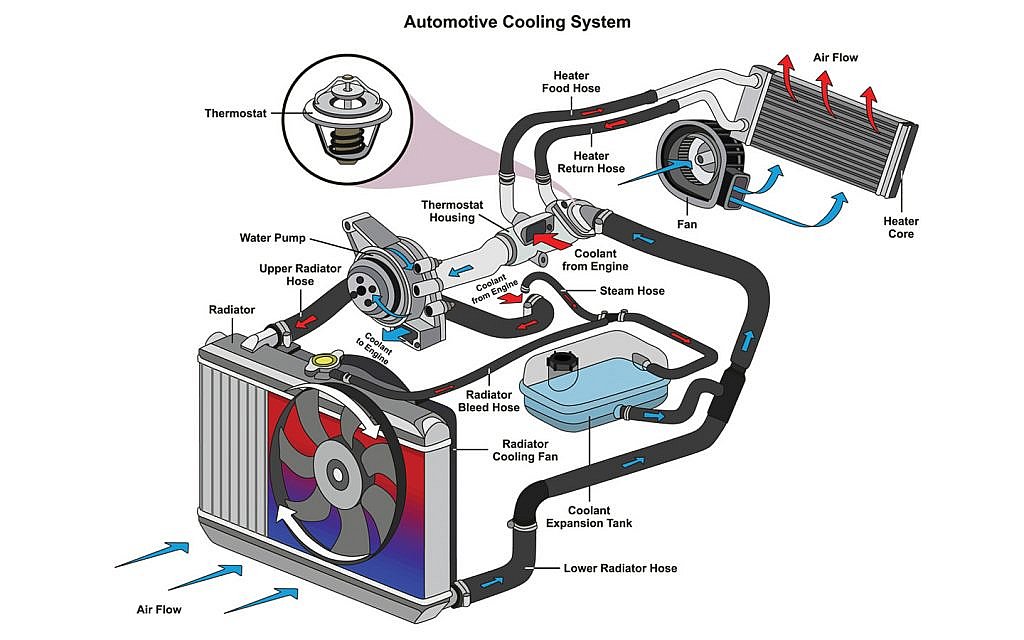
The cooling circuit is a closed-loop system designed to maximize surface area contact between the coolant and the heated metal of the engine. As the water pump spins, it creates a pressure differential that forces the coolant through the water jackets—passageways cast into the engine block and cylinder heads. This liquid acts as a heat sink.
The effectiveness of this system relies on the flow rate. If the coolant moves too slowly, it will boil within the engine, creating steam pockets (cavitation) that prevent further cooling. If it moves too fast, it may not have enough residence time in the radiator to release the absorbed heat. Modern water pumps are engineered to balance these variables, ensuring a constant “delta T” (temperature difference) that keeps the engine in its efficiency sweet spot, typically between 190°F and 220°F.
Maintaining the Thermal “Sweet Spot”
Efficiency in modern automotive tech is closely tied to thermal management. An engine that runs too cold is just as problematic as one that runs too hot. When an engine is cold, the oil is more viscous, friction is higher, and fuel does not atomize correctly, leading to higher emissions and lower MPG.
The water pump works in tandem with the thermostat to manage this. While the pump is always ready to move fluid, the thermostat remains closed during the warm-up phase to keep the coolant within the engine. Once the target temperature is reached, the thermostat opens, and the water pump begins its full cycle of pushing hot fluid to the radiator. This coordinated effort ensures the engine reaches its operating temperature as quickly as possible, a critical factor in modern emissions compliance.
Precision Engineering: How the Water Pump Operates
While the concept of a pump is simple, the execution within a high-performance engine requires extreme precision. The water pump is usually located on the front of the engine, driven by the timing belt, serpentine belt, or, in newer configurations, an independent electric motor.
The Centrifugal Force Principle
Most automotive water pumps are centrifugal pumps. They utilize a rotating impeller—a disc with curved vanes—to move fluid. As the impeller spins at high speeds, it uses centrifugal force to fling the coolant outward toward the pump’s housing. This creates a vacuum at the center (the eye of the impeller), which draws more coolant in from the radiator.
The design of the impeller is a major point of technological competition among manufacturers. High-efficiency impellers are often made of cast iron, stamped steel, or high-tech synthetic polymers. The curvature and angle of the vanes are digitally modeled to minimize turbulence and “parasitic drag”—the amount of engine power required to turn the pump.
Seals, Bearings, and the Weep Hole
The internal components of the pump must withstand extreme conditions. The pump shaft is supported by heavy-duty bearings that must endure the tension of the drive belt while spinning at thousands of revolutions per minute. To prevent the coolant from leaking into the bearings (which would wash away the grease and cause rapid failure), a mechanical seal is used.
A unique feature of automotive water pump technology is the “weep hole.” This is a small vent in the pump housing located between the seal and the bearing. Its purpose is to allow a tiny amount of coolant—which naturally seeps past the seal during the break-in period—to escape rather than being forced into the bearing assembly. Monitoring the weep hole is a fundamental diagnostic tutorial for any car owner; a consistent drip indicates that the internal seal has reached the end of its service life.
The Evolution of “Tech”: From Mechanical to Electric Water Pumps

The automotive industry is currently undergoing a massive shift from mechanical to electronic components. Traditionally, the water pump was a “slave” to engine speed; because it was driven by a belt connected to the crankshaft, it spun faster as the engine RPM increased. This is fundamentally inefficient because the engine often needs maximum cooling when it is under high load but at low RPM (such as towing a trailer uphill).
Reducing Parasitic Drag with EWPs
Electric Water Pumps (EWPs) are the new standard in high-performance and hybrid vehicles. Unlike mechanical pumps, EWPs operate independently of the engine’s speed. They are powered by the vehicle’s electrical system and controlled by the Engine Control Unit (ECU).
By removing the pump from the belt system, engineers reduce parasitic drag on the crankshaft. This allows the engine to dedicate more torque to the wheels, improving both horsepower and fuel economy. In the world of “Tech,” this is a classic example of hardware being optimized through digital control.
Smart Cooling and ECU Integration
The “smart” nature of EWPs allows for variable flow. The ECU uses data from various sensors—ambient air temperature, oil temperature, engine load, and throttle position—to determine exactly how much coolant flow is needed.
During a cold start, an electric pump can remain completely off to allow the engine to heat up rapidly, reducing wear and emissions. Conversely, after a hard drive, an electric pump can continue to run even after the engine is turned off. This “after-run” cooling prevents “heat soak,” where the stagnant coolant in a hot engine can boil and damage sensitive components like turbochargers. This level of software-integrated hardware management is a cornerstone of modern automotive technology.
Diagnostic Indicators and Failure Modes
As with any high-speed mechanical device, the water pump is a wear item. In the tech-savvy driver’s toolkit, understanding how to diagnose a failing pump is essential for preventing a total engine meltdown.
Identifying Physical Symptoms
The most common sign of a failing water pump is a coolant leak. Because the cooling system is pressurized, even a pinhole leak in the pump’s gasket or seal will result in a significant loss of fluid over time. Drivers may notice a sweet-smelling, brightly colored (often green, orange, or pink) puddle under the front of the car.
Another indicator is auditory. When the internal bearings of a water pump begin to fail, they often produce a high-pitched whining or grinding noise that increases with engine speed. This “bearing groan” is a warning that the pump shaft is no longer stabilized, which can lead to the impeller scraping against the housing or the belt slipping off entirely.
Utilizing On-Board Diagnostics (OBD-II)
In the realm of digital security and car diagnostics, the OBD-II system provides a window into the health of the cooling system. While most cars don’t have a sensor specifically labeled “Water Pump Health,” they do have coolant temperature sensors.
Using a smartphone app and an OBD-II scanner, a user can monitor real-time temperature data. If the temperature fluctuates wildly or rises rapidly during idling, it suggests that the water pump is no longer circulating fluid effectively. In newer vehicles with electric pumps, the ECU will often throw a specific “P-code” (diagnostic trouble code) if it detects that the pump motor is drawing too much current or failing to meet the commanded RPM.
The Future of Thermal Management in the EV Era
As the industry pivots toward Electric Vehicles (EVs), the water pump is not becoming obsolete; it is becoming more critical. While EVs do not have an internal combustion engine, they possess a massive battery pack and high-power electric motors that generate significant heat during charging and discharge.
Battery Thermal Management Systems (BTMS)
In an EV, the water pump is part of a complex Battery Thermal Management System. Batteries are incredibly sensitive to temperature; they must be kept within a narrow window to maintain longevity and charging speed. Electric water pumps in EVs often run 24/7 during the charging process to ensure the cells don’t overheat.
Furthermore, these systems are often “bidirectional.” During winter, the water pump might circulate fluid through a heater to warm the battery, ensuring it can accept a charge. This transition from “engine cooling” to “system-wide thermal management” represents the next frontier in automotive hardware technology.
The Role of Advanced Materials
The future of water pump tech lies in materials science. We are seeing the introduction of ceramic seals and carbon-fiber-reinforced impellers that can withstand higher pressures and more corrosive coolants. As software continues to eat the world, the humble water pump is being transformed into a data-driven module that communicates with the vehicle’s central nervous system to optimize every joule of energy.
Understanding what a water pump does for a car is no longer just about knowing a mechanical part; it is about recognizing the intricate balance of chemistry, physics, and digital control that keeps modern transportation moving. Whether it is a traditional belt-driven unit or a high-tech electric module, the water pump remains the silent guardian of the engine’s integrity.
aViewFromTheCave is a participant in the Amazon Services LLC Associates Program, an affiliate advertising program designed to provide a means for sites to earn advertising fees by advertising and linking to Amazon.com. Amazon, the Amazon logo, AmazonSupply, and the AmazonSupply logo are trademarks of Amazon.com, Inc. or its affiliates. As an Amazon Associate we earn affiliate commissions from qualifying purchases.