
In the world of personal branding and corporate identity, few linguistic markers carry as much historical weight and perceived sophistication as the Dutch preposition “van.” For individuals navigating the global marketplace, a surname is more than just an identifier; it is a component of personal brand equity. Whether you are a professional in the Netherlands or an expatriate bringing a heritage name into a foreign business environment, understanding the nuance of “van” is essential for effective communication and professional positioning.
The Linguistic and Historical Roots of “Van”
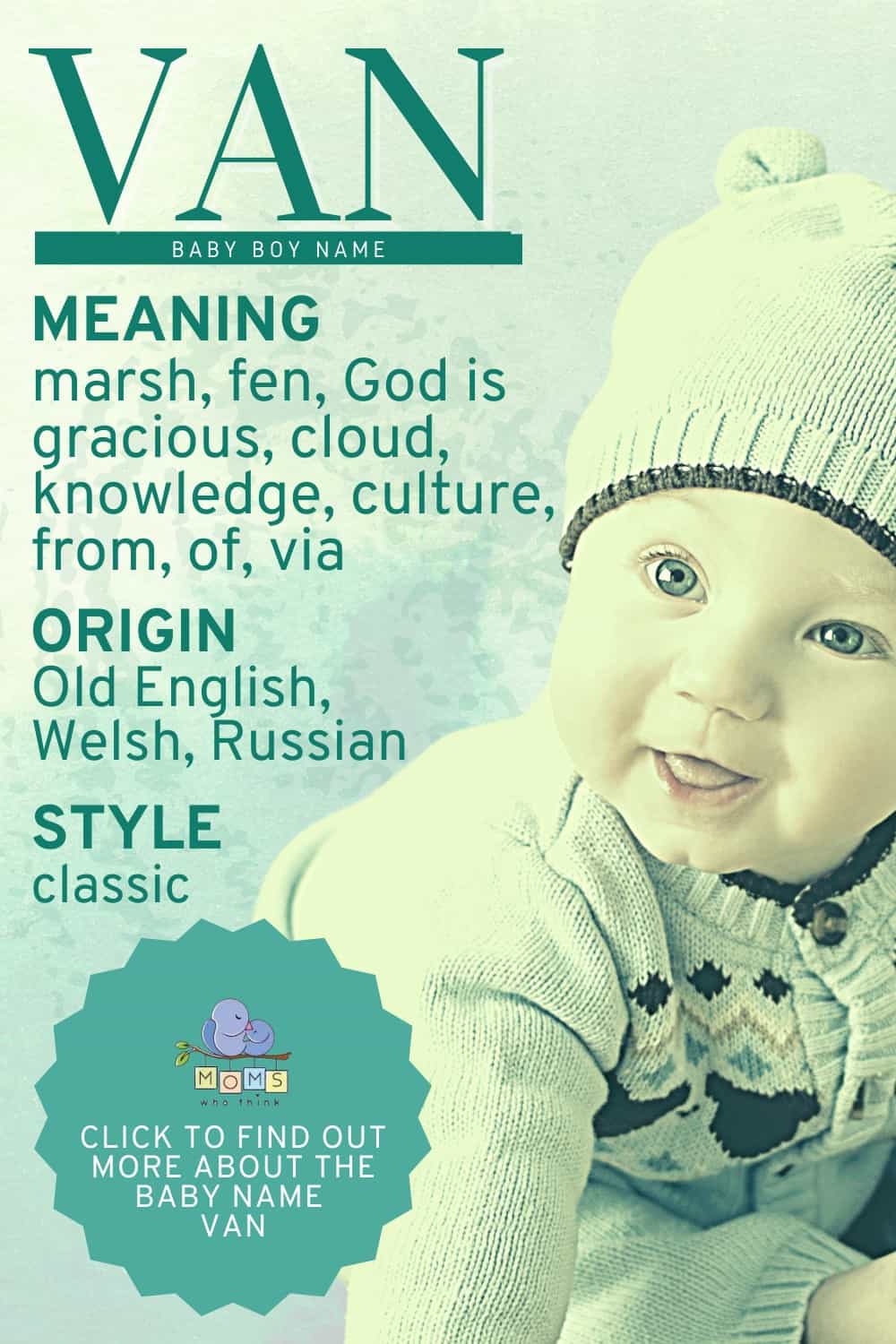
At its core, the word “van” in Dutch translates directly to “from.” Historically, it served as a toponymic marker, a simple way to denote the geographic origin of a person. In the Middle Ages, before the standardization of hereditary surnames, people were identified by their trade, their father’s name, or their place of residence.

Origins in Geography and Social Status
In the Dutch-speaking regions, including the modern Netherlands and the northern parts of Belgium (Flanders), the addition of “van” followed by a location—such as “van Utrecht” or “van den Berg”—was a functional tool for social navigation. It was not inherently aristocratic, unlike the German “von” which often signified nobility. Instead, “van” was egalitarian, reflecting the commonality of local identification. As people migrated from rural villages to burgeoning commercial hubs, the name remained, effectively turning a geographic descriptor into a family brand.
Evolution into Fixed Surnames
During the Napoleonic period and the subsequent introduction of civil registries, these descriptive labels were codified into fixed, hereditary surnames. This transition is a fascinating case study in brand stabilization. What was once a flexible, fluid identifier became a static corporate identity for the family unit. When we analyze these names today, we are looking at centuries of brand heritage that have survived shifts in language, borders, and cultural perceptions.
Personal Branding and the “Van” Identity
In the context of modern personal branding, your surname is the anchor of your professional digital footprint. The “van” in your name acts as a specific aesthetic and cultural signal. It communicates roots, stability, and a connection to a specific European history.
The Perception of Heritage
In international business, names containing “van” are often perceived as sophisticated or “old-world.” For professionals, this provides an immediate point of differentiation. When you are introducing yourself in a global boardroom, the prefix sets you apart from more generic, location-agnostic surnames. It invites a conversation about origin and culture, providing a “hook” for rapport-building that can be an invaluable asset in networking and client relations.
Navigating Global Professional Spaces
However, managing a name with a prefix requires careful consideration of personal branding standards. In many Anglo-Saxon business cultures, the “van” is often incorrectly capitalized or misinterpreted as a middle name. Establishing how your brand is written—whether it is “Van Gogh,” “van Gogh,” or “vangogh”—is a critical decision for your digital profile, email signature, and LinkedIn presence. Consistency is the hallmark of a professional brand; by standardizing how you present your name across platforms, you retain control over your brand narrative.
Linguistic Etiquette and Corporate Standardization
For organizations, particularly those with global teams, understanding the mechanics of Dutch names is a matter of corporate cultural competence. When a firm manages databases or client records, the handling of “van” is not merely a technicality; it is a matter of respect and brand accuracy.
Alphabetization and Database Management
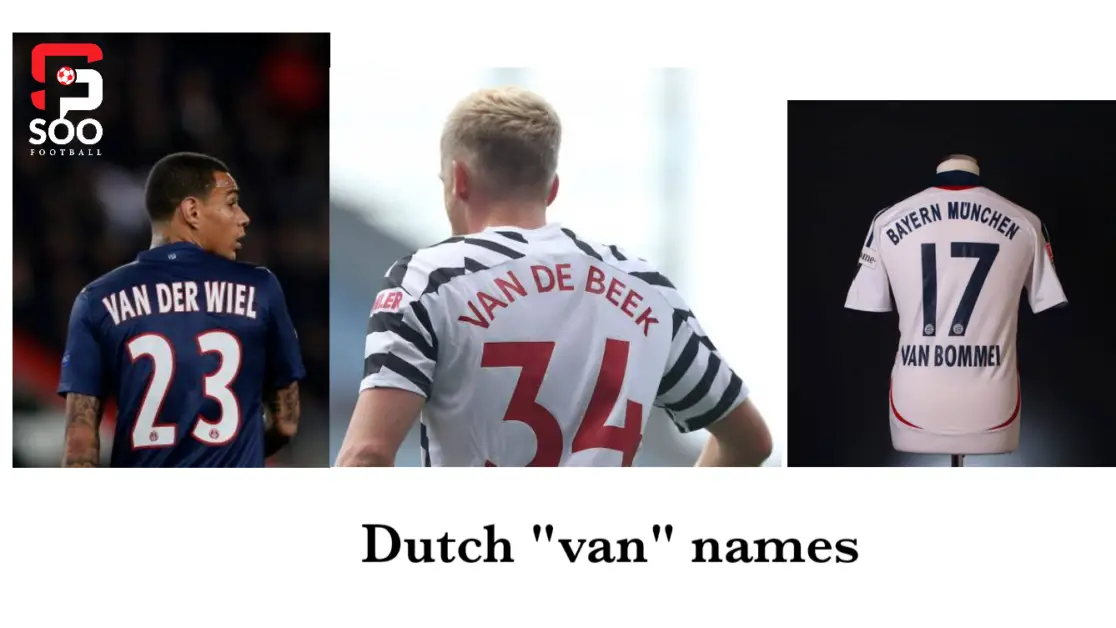
One of the most persistent issues in business finance and records management is the sorting of names containing “van.” In the Netherlands, the official convention for indexing is to ignore the prefix and sort by the main part of the surname. For instance, “van den Berg” is filed under “B” rather than “V.”
In an international context, however, systems are often set to prioritize the first letter of the string. For global corporate identities, choosing an internal policy for naming conventions is essential. Does your CRM alphabetize by the prefix, or by the root? Defining this standard ensures that your professional documentation remains clean and searchable, preventing the dilution of brand data across multiple departments.
Sensitivity in Global Marketing
When a brand is expanding into the Dutch market, understanding these naming nuances can influence how marketing materials are personalized. Using “van” correctly in a database or a personalized campaign demonstrates a high level of operational maturity. It signifies that your company pays attention to detail and respects local customs, which builds trust with potential clients and partners. Ignoring these nuances can result in a “foreign” feel that may subtly alienate a sophisticated Dutch audience.
The Value of Heritage in Corporate Identity
In the 21st century, companies are increasingly looking for stories that feel authentic and grounded. Family names—especially those with strong, historic foundations—often find their way into corporate nomenclature. Whether it is a boutique law firm, a design agency, or an architectural practice, utilizing a legacy name anchored by “van” provides a sense of institutional longevity.
Leveraging the Prefix for Brand Equity
If your personal brand or business identity includes the “van” prefix, you are effectively trading on a legacy of commerce and history. The Dutch were the architects of the modern stock exchange and global trade networks. By carrying a name that resonates with this history, you align your brand with values of internationalism, pragmatic innovation, and long-term endurance. These are powerful signals to prospective investors and clients who are looking for stability in an increasingly volatile market.
Crafting a Legacy Brand
For individuals building a legacy brand, the “van” is a linguistic bridge between the past and the future. It suggests that the brand is not a flash-in-the-pan entity, but rather part of a larger, evolving story. When crafting a brand story, this prefix should be embraced rather than minimized. It provides a distinct visual signature in logo design and typography, allowing for elegant, balanced compositions that are visually pleasing and professional.
Final Thoughts: The Professional Significance of a Name
Your name is the most valuable piece of intellectual property you own. It is the only asset that stays with you throughout your entire career trajectory, regardless of the companies you join or the industries you influence. For those with a “van” in their name, this prefix is a heritage marker that requires thoughtful management.
Consistency as a Branding Tool
As the digital landscape becomes more crowded, the distinctiveness of your personal brand becomes your primary competitive advantage. By taking ownership of your name—how it is spelled, how it is alphabetized, and how it is interpreted in different cultural contexts—you are taking a proactive role in your professional reputation. Whether you view the “van” as a nod to geographic origins or as a stylistic element of your brand identity, it is a feature that, when managed correctly, adds depth, history, and a unique rhythm to your professional presence.
Embracing Your Identity
Ultimately, the power of a name lies in how it is projected. In the professional sphere, your name is a signal of your identity, your history, and your intentions. Treat your surname with the same rigor you would apply to a corporate brand strategy. Understand its history, manage its presentation, and leverage its uniqueness. By doing so, you ensure that your identity is not just a label, but a compelling, well-structured component of your professional legacy. In a global economy that values clarity and authenticity, being deliberate about the “van” in your name is a small but powerful step toward achieving lasting recognition and authority.
aViewFromTheCave is a participant in the Amazon Services LLC Associates Program, an affiliate advertising program designed to provide a means for sites to earn advertising fees by advertising and linking to Amazon.com. Amazon, the Amazon logo, AmazonSupply, and the AmazonSupply logo are trademarks of Amazon.com, Inc. or its affiliates. As an Amazon Associate we earn affiliate commissions from qualifying purchases.