
In the vast landscape of science fiction, few designations carry as much weight, authority, and instant recognizability as the prefix “USS.” For decades, fans and casual viewers alike have watched the iconic vessels of the Star Trek universe traverse the galaxy, each bearing these three letters before their names. While the literal answer to “what does USS stand for in Star Trek” is a matter of in-universe lore, the deeper significance of the term lies in the realm of brand strategy, corporate identity, and the psychological impact of consistent nomenclature in world-building.

From a branding perspective, “USS” is more than just a military-style designation; it is a masterclass in semantic anchoring. It provides a bridge between the familiar and the futuristic, ensuring that the audience feels a sense of grounded reality within a high-concept narrative.
The Identity of a Fleet: Defining the USS Prefix
To understand the brand power of the “USS” designation, one must first look at its internal definition and historical roots. In the context of Star Trek, the acronym has seen slight variations in meaning over the years, yet its core purpose remains the same: to signify membership within a specific, unified organization.
United Star Ship or United Space Ship?
Across the various iterations of Star Trek—from the Original Series (TOS) to The Next Generation (TNG) and beyond—the meaning of “USS” has occasionally shifted. In the earliest episodes of the 1960s, it was sometimes referred to as standing for “United Space Ship.” However, as the franchise matured and the brand identity of Starfleet became more codified, it transitioned primarily to “United Star Ship.”
This shift is a perfect example of brand refinement. “Star Ship” sounds more expansive and aspirational than “Space Ship,” aligning better with the Federation’s mission of deep-space exploration and interstellar diplomacy. In branding, the specific choice of words can subtly alter the perception of a product’s scale; “Star” implies the infinite, whereas “Space” can feel cold or empty.
The Historical Weight of the “USS” Designation
The decision by creator Gene Roddenberry to use “USS” was a strategic move to leverage existing brand equity from the real-world United States Navy (where USS stands for “United States Ship”). By adopting a prefix that the audience already associated with discipline, exploration, and naval tradition, the Star Trek brand bypassed the need to explain the hierarchy of its fictional organization.
This is a classic technique in brand strategy: utilizing “associative triggers.” When a viewer sees “USS Enterprise,” they immediately understand that this is a vessel of official standing, part of a larger fleet, and governed by a set of rules and regulations. It grants the Starfleet brand instant legitimacy.
Branding the Final Frontier: How Consistent Naming Builds a Corporate Identity
Consistency is the cornerstone of any successful brand. Whether it is the “i” prefix for Apple products or the “Mc” in McDonald’s offerings, consistent naming conventions create a cohesive ecosystem. In Star Trek, the “USS” prefix serves as the primary identifier for the Starfleet “corporate” identity.
Establishing Authority through Semantic Anchoring
In the world of marketing and design, semantic anchoring refers to the use of specific terms to “anchor” a brand’s identity in the consumer’s mind. For Star Trek, “USS” anchors the concept of the United Federation of Planets as a stable, sovereign, and organized entity.
Without this consistent prefix, the various ships—the Enterprise, the Voyager, the Defiant—might feel like disparate elements. The “USS” label ties them together, signaling to the audience that no matter how far these ships travel, they represent a singular set of values and a unified brand promise. This creates a sense of “brand safety” for the viewer; they know exactly what the organization stands for when those three letters appear on the hull.
The USS Enterprise as a Flagship Product
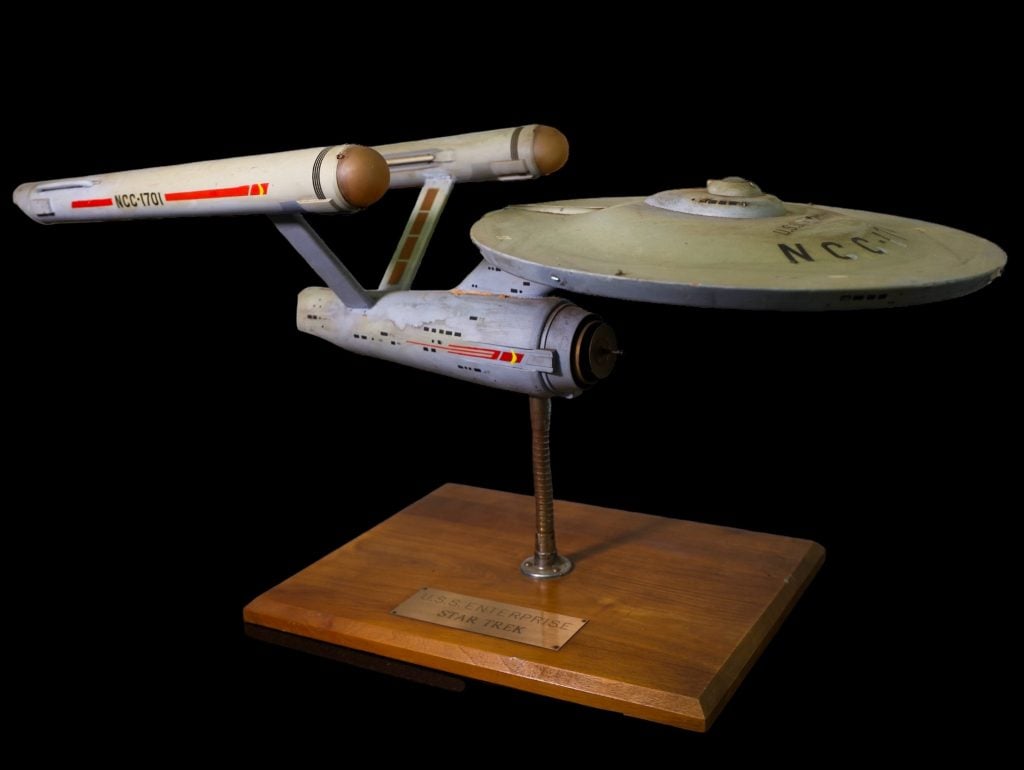
In any corporate structure, there is often a “flagship” product that defines the entire brand. For Starfleet, that is undoubtedly the USS Enterprise. The branding of the Enterprise is so powerful that the name itself has become synonymous with human achievement and the spirit of discovery.
The “USS” prefix acts as the “Master Brand,” while “Enterprise” acts as the “Sub-brand.” This architecture allows the franchise to introduce new ships (like the USS Discovery or USS Cerritos) while still benefiting from the established prestige of the master brand. It is an efficient way to expand an Intellectual Property (IP) portfolio without losing the core identity that fans trust.

The United Federation of Planets: A Case Study in Multi-National Brand Strategy
If we view the United Federation of Planets as a massive, multi-planetary corporation or a global NGO, the “USS” designation becomes its primary trademark. The Federation’s brand strategy is built on the pillars of peace, cooperation, and the pursuit of knowledge—values that are reflected in how their “products” (the ships) are named and presented.
Values-Driven Branding: Peace, Exploration, and Diplomacy
The “USS” prefix differentiates Federation vessels from those of their “competitors,” such as the Klingon Empire (which uses “IKS” for Imperial Klingon Ship) or the Romulan Star Empire (which uses “IRW” for Imperial Romulan Warbird).
Notice the branding differences: “Imperial” and “Warbird” suggest aggression and expansionism. “United Star Ship,” conversely, suggests collaboration and a focus on the stars rather than the “war” within them. This is a deliberate branding choice to position the Federation as the “ethical” brand in the galaxy. In real-world business, this is equivalent to “Value-Based Positioning,” where a company differentiates itself by its ethical standards and mission statement rather than just its service.
Visual Identity: Logos, Uniforms, and Ship Design
A brand is not just a name; it is a visual language. The “USS” prefix is always accompanied by the iconic Starfleet delta—the “corporate logo.” The consistency of this logo, paired with the “USS” designation, creates a powerful visual identity that is recognized globally.
Furthermore, the “industrial design” of the ships (the saucer section and nacelles) serves as a “Trade Dress.” Just as you can recognize a Coca-Cola bottle by its shape, you can recognize a “USS” vessel by its silhouette. This level of brand integration—from the acronym to the physical design—is why Star Trek remains one of the most valuable IPs in entertainment history.
Beyond the Screen: How Star Trek’s Brand Architecture Influences Real-World Policy
The branding of Star Trek has been so successful that it has crossed over from fiction into reality. This is the ultimate goal of any brand: to become so ubiquitous that it influences the culture it inhabits.
The NASA Connection: When Brand Identity Becomes Reality
The most famous example of the Star Trek brand influencing reality occurred in the 1970s. When NASA was preparing to launch its first space shuttle, a massive letter-writing campaign by fans (brand advocates) convinced the government to name the shuttle Enterprise.
This event illustrates the power of “Brand Equity.” The “USS Enterprise” was no longer just a fictional ship; it had become a symbol of real-world scientific aspiration. When NASA adopted the name, it was essentially a “brand partnership” between a government agency and a fictional universe. The “USS” prefix helped bridge that gap, providing a professional and serious tone that allowed NASA to embrace the name without it seeming like a mere gimmick.
Legacy Branding and the Longevity of the Star Trek IP
As the Star Trek franchise enters its sixth decade, the “USS” prefix remains a vital part of its brand longevity. In an era of “reboots” and “reimaginings,” maintaining certain brand constants is essential for retaining a loyal customer base.
By keeping the “USS” designation, the various production companies (Desilu, Paramount, CBS) have ensured that no matter how much the special effects or the actors change, the “Product DNA” remains intact. It allows for “Brand Extension”—creating new series for different demographics (like the animated Lower Decks or the darker Picard)—while ensuring they are all instantly identifiable as part of the same premium brand family.
Conclusion: The Lasting Impact of Iconic Brand Labels
What does “USS” stand for in Star Trek? On the surface, it stands for United Star Ship. But in the context of global media and brand strategy, it stands for something much larger: stability, authority, and a visionary corporate identity.
The “USS” prefix is a lesson in how a simple three-letter acronym can ground a fantastical world, create a sense of professional hierarchy, and build a lasting emotional connection with an audience. It proves that in the world of branding—whether you are selling software, gadgets, or a vision of the 23rd century—consistency and nomenclature are the engines that drive success. As Starfleet continues to expand its reach through new media, the “USS” designation will remain its most powerful trademark, guiding the brand toward a future that is as recognizable as it is bold.
aViewFromTheCave is a participant in the Amazon Services LLC Associates Program, an affiliate advertising program designed to provide a means for sites to earn advertising fees by advertising and linking to Amazon.com. Amazon, the Amazon logo, AmazonSupply, and the AmazonSupply logo are trademarks of Amazon.com, Inc. or its affiliates. As an Amazon Associate we earn affiliate commissions from qualifying purchases.