
Navigating the landscape of tax preparation can be as daunting as the tax code itself. For millions of taxpayers, TurboTax has become the gold standard for do-it-yourself filing, offering a user-friendly interface that translates complex legal jargon into simple interview questions. However, one of the most frequent questions consumers ask before clicking “Start for Free” is: What does TurboTax actually cost?
The answer is rarely a single number. TurboTax utilizes a tiered pricing model that scales based on the complexity of your financial life. From the simple W-2 employee to the high-frequency day trader or the multi-state small business owner, the price of the software fluctuates significantly. Understanding these costs—and the potential hidden fees—is essential for any savvy consumer looking to manage their personal finances effectively.
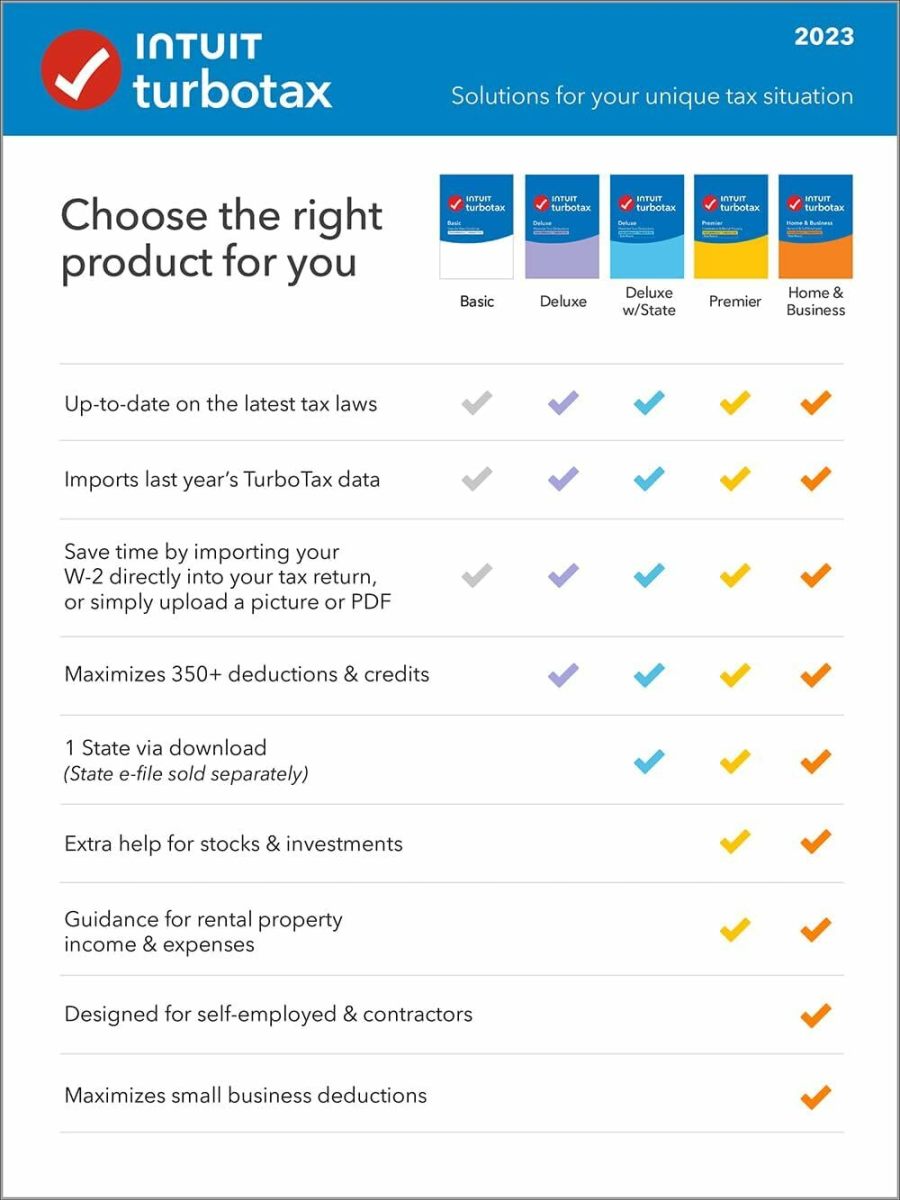
Navigating the TurboTax Pricing Matrix
The core of TurboTax’s pricing lies in its four primary product tiers. While the company frequently runs promotions, the base prices generally follow a predictable hierarchy based on the forms and schedules required for your specific tax situation.
The Free Edition: Limits and Use Cases
TurboTax offers a “Free Edition” designed specifically for simple tax returns. In the world of personal finance, a “simple return” is strictly defined as those filing a Form 1040 only. This typically covers W-2 income, limited interest and dividend income (1099-INT or 1099-DIV), and the standard deduction. If you qualify, the cost is $0 for both federal and state returns.
However, it is vital to note that “simple” does not include itemized deductions, unemployment income (in some years), rental property income, or business income. For many taxpayers, the Free Edition serves as an entry point, but they are quickly prompted to upgrade once they input data that requires additional schedules.
Deluxe: The Choice for Homeowners and Itemizers
The Deluxe tier is often the most popular choice for the average American household. It is designed for those who want to maximize their deductions and credits. If you own a home and want to deduct mortgage interest, or if you have significant charitable contributions and medical expenses that exceed the standard deduction, Deluxe is the baseline requirement.
While prices vary depending on the time of year—often starting around $59 and rising to $69 or more as the April deadline approaches—this tier provides the “Deduction Finder” which scans over 350 potential tax breaks. For a taxpayer looking to reduce their taxable income through itemization, the cost of the software is often offset by the additional savings identified.
Premium: For Investors and Rental Property Owners
As personal finance becomes more complex with the rise of retail investing and the gig economy, the Premium tier (formerly split between Premier and Self-Employed) has become increasingly relevant. This version is tailored for individuals with investments in stocks, bonds, or cryptocurrencies, as well as those who own rental real estate.
The Premium edition handles the reporting of capital gains and losses, cost basis tracking, and the nuances of Schedule E. If you sold assets on an exchange or received a 1099-B, this tier is mandatory. Prices for Premium generally range from $89 to $129 for federal filing. From a financial tools perspective, the ability to import data directly from brokerage accounts saves hours of manual entry and reduces the risk of mathematical errors.
The Impact of TurboTax Live and Professional Assistance
In recent years, TurboTax has pivoted toward a “hybrid” model of tax preparation. Recognizing that some taxpayers want the convenience of software but the security of a human expert, they introduced the “Live” service line. This significantly changes the cost structure.
Live Assisted: Expert Guidance on Demand
TurboTax Live Assisted adds a layer of professional oversight to any of the aforementioned tiers. With this service, you can connect with a Tax Pro (CPA or Enrolled Agent) via one-way video to ask questions as you go. Before you file, the expert performs a final review of your return to ensure accuracy and sign off on your work.
The cost for Live Assisted is roughly double the price of the software alone. For example, a Live Assisted Deluxe return may cost between $119 and $139. For many, this is a calculated financial decision: the cost is higher than DIY software but significantly lower than hiring a full-service accounting firm, providing a middle ground for those with moderate financial complexity.
Live Full Service: Handing Over the Reins
For those who want to avoid the preparation process entirely, “Full Service” allows a tax professional to do the work for you. You upload your documents, and the expert completes the return from start to finish.
Pricing for Full Service is the highest in the TurboTax ecosystem, often starting at $219 and climbing depending on the complexity of the return. From a personal finance management standpoint, this service competes directly with local CPAs. The value here lies in the brand’s “Maximum Refund Guarantee” and the convenience of a digital-first workflow.
Factoring in State Filings and Ancillary Fees
When budgeting for tax season, the price listed on the landing page is rarely the final amount charged to your credit card. Several additional costs can inflate the total price of using TurboTax.
The State Filing Surcharge
Except for the Free Edition (under specific circumstances), TurboTax typically charges an additional fee for each state return filed. This fee is often overlooked but is a significant component of the total cost, usually ranging from $50 to $60 per state. For taxpayers who lived in multiple states during the year or work in one state while residing in another, these fees can multiply quickly, potentially doubling the total cost of the software.
Refund Processing Fees
One of the most controversial “hidden” costs is the fee for paying for the software using your federal refund. While it sounds convenient to have the software cost deducted from your tax return rather than paying upfront, TurboTax (through its partner banks) charges a “Refund Processing Service” fee, which can be as high as $40 to $50. In the context of smart money management, this is a high-interest convenience fee that is best avoided by paying with a credit or debit card at the time of filing.
Audit Defense and Identity Protection
During the checkout process, users are often presented with “TurboTax Max.” This bundle typically includes audit defense, identity restoration services, and priority tech support. While the price for this add-on—often around $50—provides peace of mind, it is an optional expense. Many taxpayers may already have identity theft protection through their homeowners’ insurance or credit card benefits, making this an area where costs can be trimmed without sacrificing the quality of the tax filing itself.
Evaluating Cost vs. Value in Personal Finance
To determine if TurboTax is “worth it,” one must look beyond the sticker price and evaluate the return on investment (ROI). In the realm of financial tools, value is measured by time saved, accuracy, and the maximization of net worth.
Complexity and Time Equity
For a freelancer with dozens of 1099-NEC forms, various business expenses, and home office deductions, the time required to manually fill out a Schedule C is immense. If the TurboTax Premium edition costs $120 but saves five hours of labor and ensures all eligible expenses are tracked, the “hourly rate” of the software is highly efficient. For those with high-income potential, spending money to save time is a sound financial strategy.
Maximizing Deductions and Credits
The IRS estimates that billions of dollars in tax credits, such as the Earned Income Tax Credit (EITC) or the Child Tax Credit, go unclaimed every year. TurboTax’s algorithmic approach to searching for these credits is its primary value proposition. If the software’s $60 Deluxe version identifies a $500 credit that a taxpayer would have missed on a paper form, the software has paid for itself many times over.
Strategies to Lower Your Tax Preparation Expenses
If you have decided that TurboTax is the right tool for your financial needs, there are several ways to mitigate the costs and ensure you are not paying more than necessary.
Early Bird Discounts and Dynamic Pricing
TurboTax uses dynamic pricing that increases as the tax deadline nears. Generally, prices are at their lowest in January and February. By mid-March, “early bird” discounts often expire, and the base price for Deluxe, Premium, and Live services can jump by $20 to $40. Filing early not only helps you get your refund sooner but also serves as a direct way to lower your software expenses.
Financial Institution Partnerships
Many banks, credit unions, and brokerage firms (such as Fidelity, Vanguard, or Chase) offer discounted or even free versions of TurboTax to their customers. Before purchasing directly from the TurboTax website, check your financial accounts for “Partner Offers.” These discounts can range from 20% off to a completely free Premium federal return for high-net-worth clients.

The IRS Free File Program
For taxpayers with an Adjusted Gross Income (AGI) below a certain threshold (typically around $79,000), the IRS Free File program provides access to name-brand software at no cost. While TurboTax famously left the IRS Free File program recently, they still offer their own “Free Edition” for simple returns. It is crucial to verify your eligibility for these programs before committing to a paid tier, as it is one of the most effective ways to keep your tax preparation costs at zero.
In conclusion, while TurboTax is a premium financial tool with a matching price tag, its cost is manageable when approached with a clear understanding of your tax needs and the various tiers available. By avoiding unnecessary add-ons, filing early, and leveraging institutional discounts, you can harness the power of this software to secure your financial standing without overspending on the process itself.
aViewFromTheCave is a participant in the Amazon Services LLC Associates Program, an affiliate advertising program designed to provide a means for sites to earn advertising fees by advertising and linking to Amazon.com. Amazon, the Amazon logo, AmazonSupply, and the AmazonSupply logo are trademarks of Amazon.com, Inc. or its affiliates. As an Amazon Associate we earn affiliate commissions from qualifying purchases.