
In the world of high-stakes personal branding, every action is a signal. From the cut of a suit to the choice of words in a stump speech, public figures curate an image designed to resonate with a specific audience. However, one of the most potent yet overlooked tools in the arsenal of Donald Trump’s brand strategy is his diet. While critics often focus on the nutritional implications of his penchant for fast food, a brand strategist sees something entirely different: a masterclass in identity marketing, relatability, and cultural signaling.
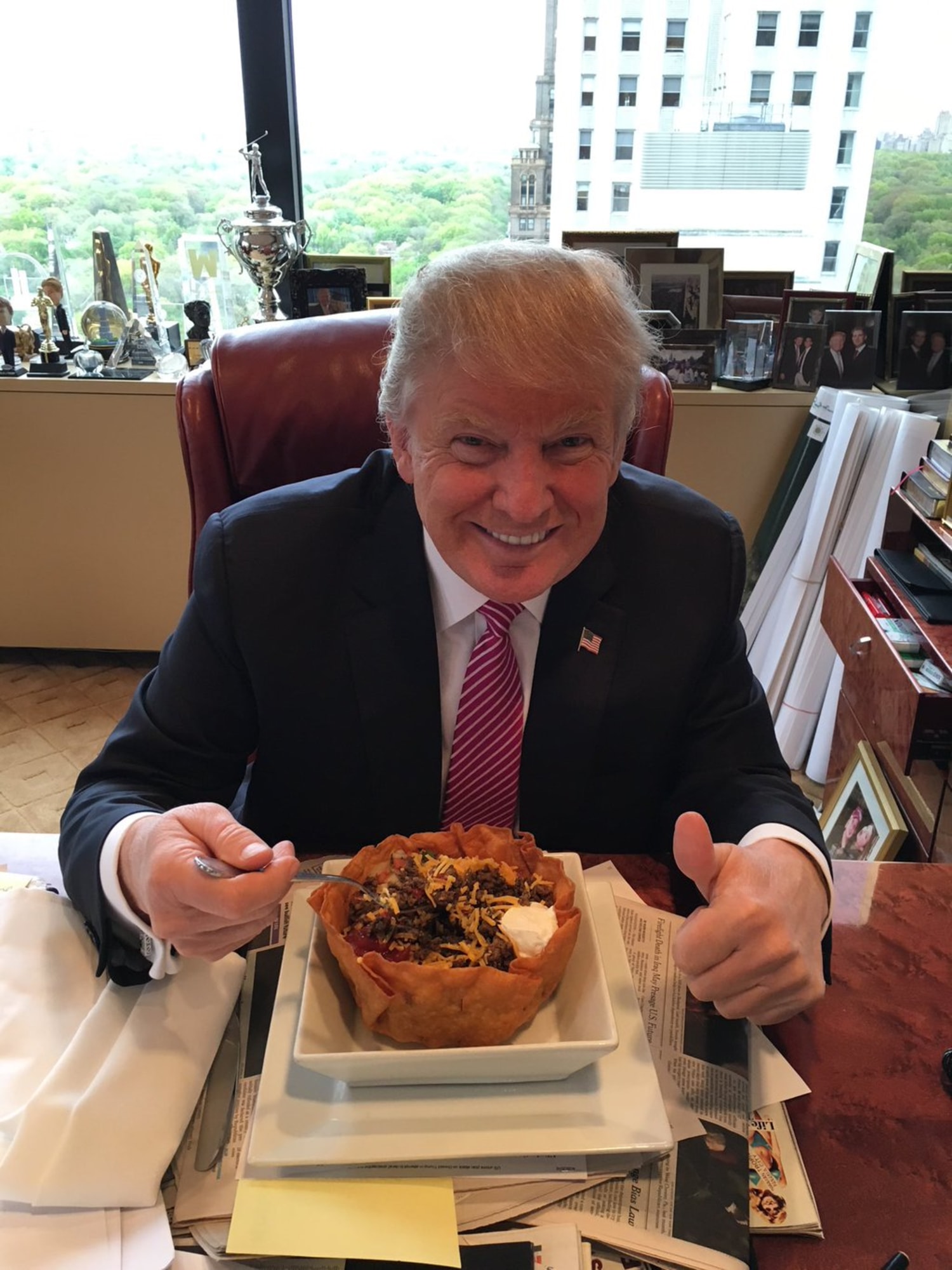
The question of “what does Trump eat” is rarely about sustenance; it is about the construction of a persona. By consistently choosing well-known American franchises and specific preparation methods, Trump has crafted a culinary brand that reinforces his political and personal narrative. This article explores how fast food, well-done steaks, and Diet Cokes serve as pillars of a sophisticated personal branding strategy.
The Relatability Factor: Using Fast Food to Bridge the Class Gap
At the heart of any successful brand is the ability to connect with a target demographic. For Donald Trump, whose brand is built on a foundation of extreme wealth and luxury real estate, there is an inherent “relatability gap.” To lead a populist movement, a billionaire must find common ground with the average citizen. His dietary choices serve as the ultimate bridge.
The “Everyman” Billionaire
By publicly consuming McDonald’s, KFC, and Burger King, Trump effectively humanizes a brand that might otherwise seem untouchable. When a man who travels in a private jet upholstered in 24-karat gold eats a Big Mac, he sends a powerful psychological message: “I am one of you.” In brand strategy, this is known as “mirroring.” It signals shared values and shared tastes, suggesting that despite the wealth, the core of the individual remains grounded in the common American experience.
Decoding the McDonald’s Photo-Ops
The frequent appearances of fast-food containers in Trump’s social media posts are rarely accidental. Whether it is a bucket of fried chicken on a private plane or a spread of silver-plattered Quarter Pounders at the White House for a championship football team, these images are carefully curated brand assets. They project a sense of approachability and a rejection of the “epicurean elitism” often associated with political power. From a marketing perspective, this associates the Trump brand with iconic, reliable American corporations, leveraging their pre-existing brand equity to bolster his own.
Consistency and Predictability: The Core of a Visual Identity
A hallmark of a strong brand is consistency. Just as a logo must remain recognizable across different platforms, a personal brand benefits from predictable behaviors. Trump’s diet is remarkably consistent, bordering on ritualistic. This predictability serves a vital function in corporate identity: it fosters a sense of authenticity and stability.
The Power of Repetition
In branding, repetition creates recognition. By rarely deviating from a menu of steaks, burgers, and Diet Coke, Trump ensures that his lifestyle brand is easily digestible (pun intended) for the public. There is no confusion about who he is or what he likes. This lack of “culinary evolution” suggests a person who is comfortable in his own skin and resistant to external pressure to change—a key trait for a brand positioned around strength and steadfastness.
Brand Trust through Culinary Routine
There is a psychological element to his preference for major food chains: cleanliness and safety. Trump has frequently cited the “cleanliness” of McDonald’s as a primary reason for his patronage. In brand strategy, this links his personal choices to the concept of “Quality Control.” He trusts the systems of a global corporation over the perceived unpredictability of a boutique kitchen. This aligns with his broader brand narrative of prioritizing efficiency, systems, and “common sense” over the complexities of high-culture alternatives.
Cultural Signal Jamming: Defying Elitist Norms

Personal branding is often defined as much by what it rejects as by what it embraces. Trump’s diet serves as a deliberate act of defiance against the cultural expectations of the “ruling class.” By leaning into foods that are often criticized by health advocates and high-society food critics, he reinforces his brand as an outsider and a disruptor.
The “Well-Done Steak” Controversy
Perhaps no culinary choice has sparked more debate than Trump’s preference for steak cooked well-done and served with ketchup. To the culinary elite, this is considered a “faux pas.” However, from a brand perspective, this controversy is a goldmine. It allows the Trump brand to lean into the “anti-elitist” narrative. When critics mock his taste, it reinforces his connection with a base that feels similarly judged by “coastal elites.” The steak becomes a symbol of cultural autonomy—a statement that he will not be told how to live, even in the smallest details of his private life.
Rejecting Coastal Sophistication
While many modern brands strive for “aspirational” status through organic, farm-to-table, or artisanal labels, the Trump brand deliberately heads in the opposite direction. He rejects the aesthetics of the “Whole Foods” demographic. In doing so, he carves out a unique market niche. He isn’t trying to appeal to the person who wants a kale salad; he is speaking to the person who feels that the kale salad is a symbol of a culture that has moved away from them. This “signal jamming” ensures that his brand remains distinct and fiercely loyal to its core audience.
Fueling the Persona: Energy, Stamina, and the Perception of Vigor
In branding, particularly for leaders, “energy” is a vital attribute. The public’s perception of a leader’s stamina can make or break a brand’s credibility. Trump has effectively integrated his diet—specifically his consumption of Diet Coke—into the narrative of his relentless work ethic.
Diet Coke as a Productivity Symbol
Reports of a “coke button” on the Resolute Desk and the high volume of Diet Coke consumed daily have become legendary in the lore of his brand. Instead of being viewed as a simple caffeine habit, it is marketed as the “fuel” for a 24/7 operator. The drink becomes a prop in the theatre of productivity. It suggests a brand that is always “on,” eschewing the slow-paced, wine-sipping lifestyle of a traditional diplomat for the fast-paced, high-octane energy of a businessman.
The Aesthetics of Success
Even the way the food is presented matters. When Trump serves fast food on fine china, it creates a visual juxtaposition that defines his brand: “High-Low Luxury.” It is the fusion of billionaire status with common-man tastes. This aesthetic choice tells the story of a man who has reached the pinnacle of success but hasn’t lost his “authentic” self. It is a powerful marketing tool that reinforces the idea that one can achieve the American Dream without having to adopt the mannerisms of the old-money establishment.
Key Takeaways for Modern Personal Branding
The analysis of Donald Trump’s diet provides several critical insights for anyone looking to build a resilient and recognizable personal brand. While the specific choices—burgers and soda—may not be for everyone, the underlying strategy is universally applicable.
Authenticity vs. Curation
The most successful brands are those that feel authentic, even if they are heavily curated. Trump’s diet feels genuine because he has maintained it for decades, long before it was a political asset. For personal branding, the lesson is to lean into your actual preferences and amplify them, rather than trying to adopt a persona that doesn’t fit. Authenticity is the ultimate currency in a crowded market.

Owning the Narrative
Trump does not apologize for his diet. When questioned, he leans in. This refusal to be “shamed” into changing his brand behavior is a powerful lesson in brand ownership. If you allow critics to define what is “correct” for your brand, you lose control of the narrative. By owning his choices—no matter how polarizing—Trump ensures that he remains the primary architect of his public identity.
In conclusion, “what Trump eats” is a foundational element of a brand that prizes relatability, consistency, and defiance. It is a strategic choice that reinforces his position as a populist billionaire and an American original. Whether one agrees with the menu or not, the brilliance of the brand strategy behind it is undeniable. It proves that in the world of marketing, even a hamburger can be a powerful political statement.
aViewFromTheCave is a participant in the Amazon Services LLC Associates Program, an affiliate advertising program designed to provide a means for sites to earn advertising fees by advertising and linking to Amazon.com. Amazon, the Amazon logo, AmazonSupply, and the AmazonSupply logo are trademarks of Amazon.com, Inc. or its affiliates. As an Amazon Associate we earn affiliate commissions from qualifying purchases.