
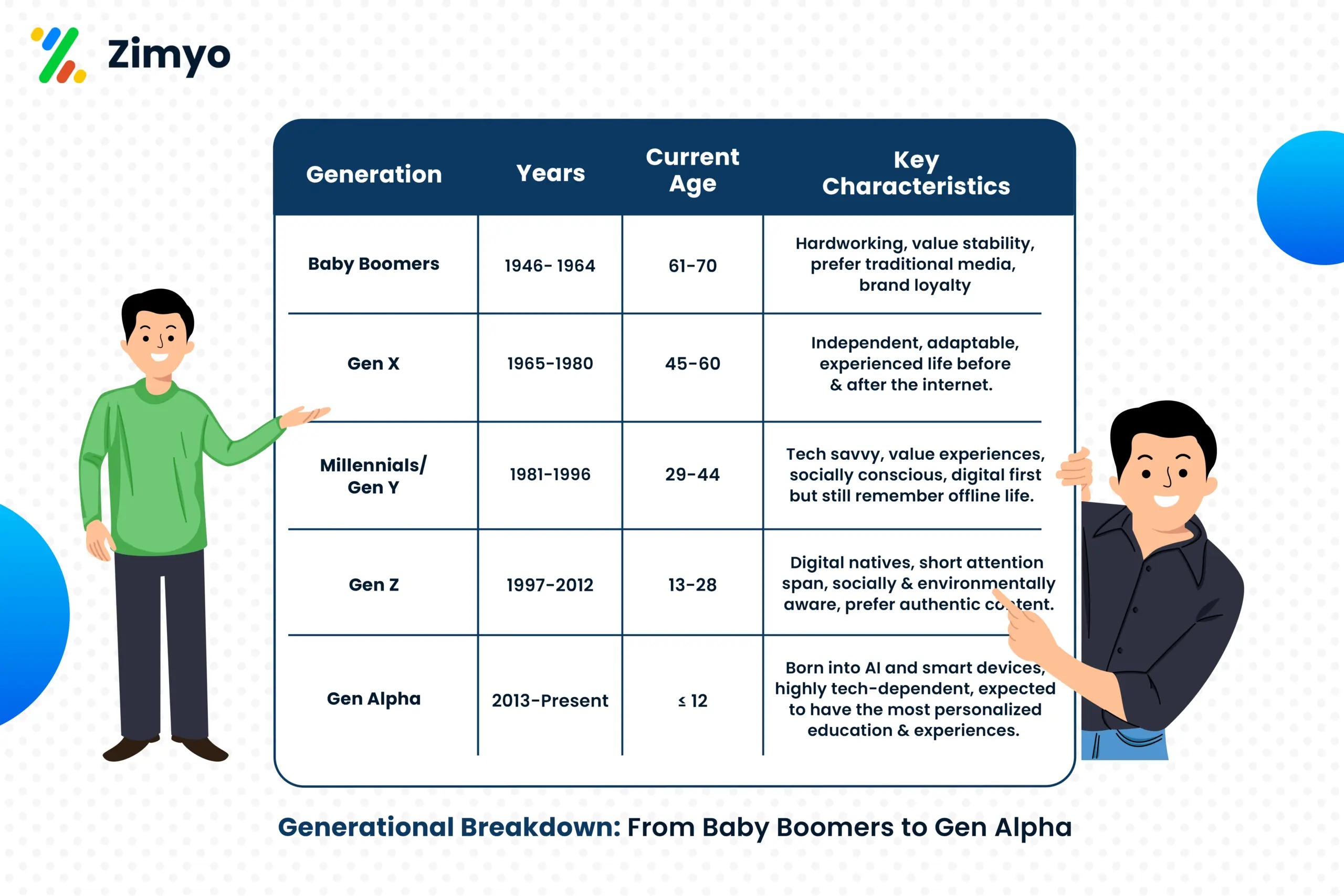
The letter ‘Z’ in Generation Z does not carry a specific, symbolic meaning or stand for a particular word. Instead, it signifies a sequential designation, marking the generation that follows Generation Y (Millennials). This alphabetical progression, a convenient and widely adopted naming convention, serves primarily as a framework for demographers, marketers, and social scientists to categorize distinct cohorts. For brand strategists and marketers, however, understanding the implications of this designation — the unique characteristics, values, and digital fluency associated with Gen Z — is far more crucial than the etymology of the letter itself. The ‘Z’ has become shorthand for a complex, digitally native, and highly influential demographic that is reshaping brand identity, marketing strategies, and the very concept of consumer engagement.
The Sequential Logic of Generational Naming and its Brand Relevance
The practice of categorizing generations provides a valuable lens through which to understand societal shifts, technological adoption, and evolving consumer behaviors. Each generational label, from Baby Boomers to Generation X, Y, and finally Z, acts as a cultural touchstone, implicitly carrying a set of perceived attributes. For brands, these labels are not mere arbitrary letters; they represent distinct target audiences with unique psychographics that demand tailored brand strategies.
The Alphabetic Progression and Its Implications for Market Segmentation
The ‘Z’ in Generation Z (typically born between the mid-1990s and early 2010s) follows the ‘Y’ of Millennials, which in turn followed ‘X’. This alphabetical sequence originated from a need to define the cohorts that followed the post-World War II “Baby Boom.” When the generation after Baby Boomers emerged, they were labeled ‘X’ largely due to their perceived undefined or unknown nature at the time. Following this precedent, the subsequent generation became ‘Y’ (Millennials), and logically, the one after that became ‘Z’.
From a brand perspective, this sequential naming underscores the ongoing evolution of the consumer landscape. Each letter signals a demographic shift, often characterized by different formative experiences, technological environments, and economic realities. For brands, correctly identifying and understanding these differences is paramount for effective market segmentation. Misinterpreting the ‘Z’ generation’s distinct characteristics and lumping them with ‘Y’ can lead to significant marketing missteps, alienating a demographic known for its discerning nature and demand for authenticity. The ‘Z’ thus implies a fresh slate, a new set of rules for engagement that brands must decipher.
Beyond the Letter: Identity as a Brand Asset
While the letter ‘Z’ itself lacks inherent meaning, the identity it has come to represent is a powerful brand asset. Gen Z is often defined by its digital nativism, having grown up entirely immersed in the internet, social media, and mobile technology. This has profoundly shaped their expectations of brands. They are not merely consumers; they are participants, co-creators, and highly skeptical evaluators.
For brand strategists, understanding the ‘Z’ identity means recognizing a generation that values authenticity, transparency, social responsibility, and personalized experiences above all else. A brand’s identity must resonate with these core values to gain traction. The ‘Z’ in their name has become shorthand for a worldview that prioritizes purpose over profit, ethical production over convenience, and genuine connection over superficial advertising. Brands that fail to embody these principles in their own identity risk being dismissed by this influential demographic. The letter ‘Z’, therefore, encapsulates a generational identity that dictates how brands must evolve their own messaging, values, and corporate ethos to remain relevant.
Decoding Gen Z: A Brand Strategist’s Imperative
The characteristics commonly attributed to Generation Z provide critical insights for brand strategists. These traits aren’t just cultural observations; they are actionable data points that inform brand positioning, communication strategies, and product development. The ‘Z’ represents a cohort that expects brands to adapt to their world, not the other way around.
Authenticity and Transparency: The New Brand Currency
Gen Z has an innate ability to sniff out inauthenticity. Having grown up bombarded by digital content, they are adept at discerning genuine connection from contrived marketing. For brands, this means that every message, every campaign, and every interaction must be steeped in transparency. The ‘Z’ generation demands to know a brand’s true values, its supply chain ethics, and its social impact.
Brands that succeed with Gen Z often do so by embracing radical transparency, admitting imperfections, and showcasing their commitment to causes beyond profit. This isn’t just about corporate social responsibility initiatives; it’s about embedding these values into the core brand identity. An authentic brand voice, real-time engagement, and a willingness to be vulnerable are far more valuable than polished, curated facades. The ‘Z’ in Generation Z signifies a demand for realness, making authenticity the ultimate brand currency.
Digital Fluency: Crafting Omni-Channel Brand Experiences
Having never known a world without the internet, Gen Z is inherently digitally fluent. This isn’t just about using social media; it’s about seamless navigation across platforms, an expectation of instant access, and a preference for visual, interactive content. For brands, this necessitates a robust and integrated omni-channel strategy. The ‘Z’ consumer moves effortlessly between TikTok, Instagram, YouTube, and e-commerce sites, often simultaneously.
Brand experiences must be consistent, engaging, and personalized across all touchpoints. This means investing in responsive website design, optimizing for mobile-first interactions, leveraging influencer marketing strategically, and embracing new formats like short-form video and augmented reality. Brands must understand that the ‘Z’ generation perceives their online and offline identities as interconnected, and their brand experiences should mirror this fluidity. From discovery to purchase to post-purchase engagement, every step must be designed with digital fluency in mind, ensuring a cohesive and intuitive brand journey.
Values-Driven Consumption: Aligning Brand Purpose
Perhaps one of the most defining characteristics of Gen Z, and a critical consideration for brands, is their values-driven consumption. This generation cares deeply about social justice, environmental sustainability, mental health, and diversity. They are willing to put their money where their values are, actively seeking out brands that align with their ethical stance and shunning those that don’t. The ‘Z’ in their designation implies a generation that sees purchasing as a political or ethical act.
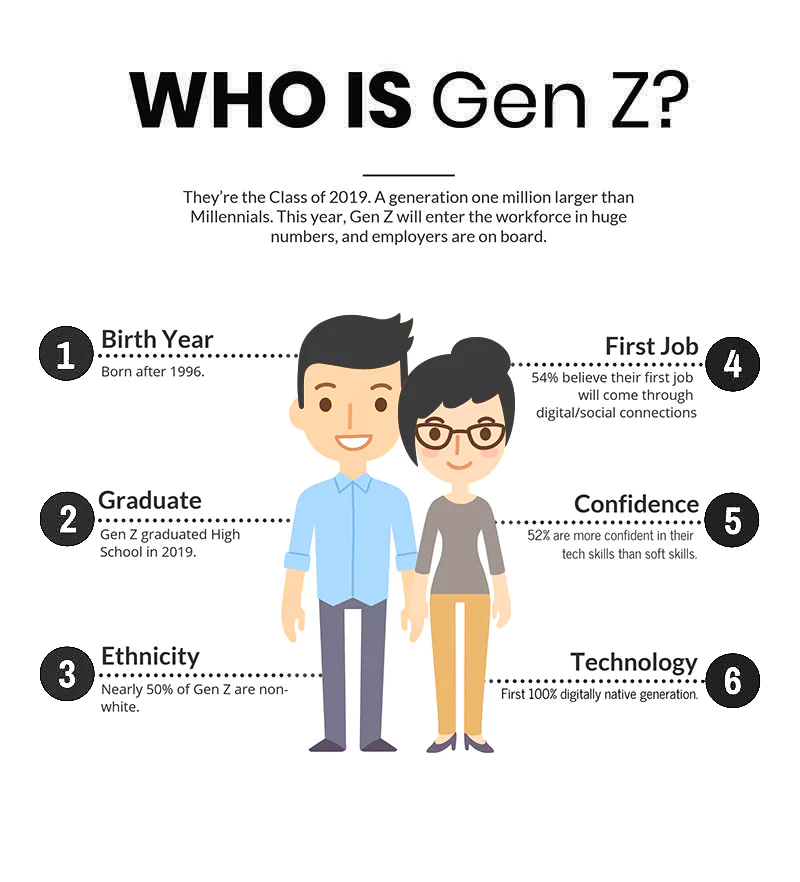
For brands, aligning purpose with profit is no longer optional; it’s a strategic imperative. This involves more than just superficial “woke-washing.” Brands must authentically integrate their values into their mission, operations, and marketing. This could mean sustainable sourcing, equitable labor practices, diverse representation in advertising, or tangible contributions to social causes. Communicating these efforts transparently and consistently builds trust and loyalty among Gen Z consumers. A brand’s purpose becomes an integral part of its identity, a beacon that attracts and retains the values-driven ‘Z’ consumer.
The Impact of ‘Z’ on Brand Identity and Marketing Paradigms
The rise of Generation Z has not merely added a new demographic to target; it has fundamentally reshaped the landscape of brand identity and marketing. Brands are now compelled to rethink their foundational strategies, moving from traditional broadcast models to more interactive, authentic, and purpose-driven engagement.
Reimagining Corporate Identity for a ‘Z’ Audience
Corporate identity, encompassing a brand’s visual elements, tone of voice, and overall ethos, must evolve to resonate with Gen Z. This generation gravitates towards brands that are dynamic, inclusive, and authentic. Static, overly corporate, or inauthentic identities often fail to capture their attention or trust. The ‘Z’ impact means brands are streamlining their logos, embracing more natural and diverse imagery, and adopting a conversational, less formal tone in their communications.
Beyond aesthetics, a brand’s corporate identity now includes its public stance on social issues. Gen Z expects brands to be transparent about their values and to act on them. This means that a brand’s identity is not just what it says it is, but what it does. For instance, a fashion brand’s identity for Gen Z might be defined not just by its designs, but by its commitment to ethical labor or sustainable materials. The corporate identity must reflect a genuine commitment to a purpose that extends beyond profit, a key differentiator for the ‘Z’ generation.
Marketing in the Age of Co-Creation and Influence
Traditional marketing, characterized by one-way communication and polished advertising campaigns, holds less sway with Gen Z. This generation thrives on interaction, user-generated content, and peer recommendations. They are not passive recipients of marketing messages; they are active participants. The ‘Z’ influence has accelerated the shift towards co-creation and influencer marketing as cornerstones of modern brand strategy.
Brands are now leveraging Gen Z’s innate creativity by inviting them to co-create content, participate in challenges, and share their experiences. This not only generates authentic content but also fosters a sense of community and ownership. Influencer marketing, particularly with micro- and nano-influencers who offer relatable and authentic voices, is highly effective. Gen Z trusts peers and creators more than traditional celebrities or brand-generated ads. Brands must therefore cultivate genuine relationships with their audience, fostering a dialogue rather than a monologue, and empowering the ‘Z’ generation to be ambassadors for their brand.
Personal Branding for the ‘Z’ Professional
The concept of personal branding, once largely confined to public figures or entrepreneurs, has become an intrinsic part of the ‘Z’ professional’s journey. Growing up in an age of social media, Gen Z understands that their online presence is an extension of their personal and professional identity. The ‘Z’ generation views their digital footprint as a living resume, a portfolio of their skills, values, and aspirations.
For organizations looking to attract and retain top Gen Z talent, understanding this emphasis on personal branding is crucial. Companies must create environments where employees feel empowered to cultivate their own professional identities, both internally and externally. This means fostering cultures that encourage thought leadership, provide platforms for skill development, and celebrate individual contributions. Furthermore, brands themselves can learn from Gen Z’s approach to personal branding – prioritizing authenticity, showcasing diverse perspectives, and building community around shared values to attract both consumers and talent.
Future-Proofing Brands: Embracing the ‘Z’ Mindset
The ‘Z’ in Generation Z signifies not just a demographic group, but a harbinger of future trends in consumer behavior and brand engagement. Brands that can internalize the ‘Z’ mindset — embracing agility, purpose, and community — will be better positioned for sustained relevance in an ever-evolving market.
Agility and Adaptation: The ‘Z’ Legacy for Brands
Gen Z has grown up in a world of constant change, rapid technological advancements, and fluid social norms. This has fostered an innate agility and adaptability that brands must emulate. The ‘Z’ generation expects brands to be responsive, quick to adapt to new trends, and open to feedback. Brand strategies that are rigid or slow to evolve will struggle to keep pace.
For brands, this means embracing a continuous learning cycle: listening actively to consumer sentiment, experimenting with new technologies and platforms, and being prepared to pivot quickly. Agile marketing methodologies, rapid prototyping of products and campaigns, and a culture of innovation are becoming essential. The ‘Z’ generation teaches brands that relevance is not a static state but an ongoing process of adaptation and evolution.

Building Community, Not Just Customers
At its core, the ‘Z’ generation seeks connection and community. They are driven by shared values and collective experiences. For brands, this translates into a powerful imperative: move beyond transactional relationships and focus on building genuine communities around their products and values. The ‘Z’ in their name implies a desire for belonging, for being part of something larger than themselves.
Brands can foster community by creating platforms for interaction, hosting virtual and physical events, supporting user-generated content, and facilitating dialogue among their customers. This isn’t just about customer loyalty; it’s about creating a tribal affinity where the brand acts as a unifying force. When a brand successfully cultivates a strong community, it transforms customers into advocates, multiplying its reach and reinforcing its identity through shared purpose. The ultimate lesson from Gen Z is that successful brands don’t just sell products; they foster a sense of belonging.
aViewFromTheCave is a participant in the Amazon Services LLC Associates Program, an affiliate advertising program designed to provide a means for sites to earn advertising fees by advertising and linking to Amazon.com. Amazon, the Amazon logo, AmazonSupply, and the AmazonSupply logo are trademarks of Amazon.com, Inc. or its affiliates. As an Amazon Associate we earn affiliate commissions from qualifying purchases.