
In the world of brand strategy, few symbols possess the sheer equity, recognition, and emotional resonance of the Christmas tree. While its origins are rooted in ancient traditions and religious observance, from a modern branding perspective, the Christmas tree represents the ultimate “hero asset.” It is a visual shorthand for a complex set of values: warmth, continuity, celebration, and community.
For brand strategists and marketing professionals, analyzing what the tree represents provides a blueprint for building a lasting corporate identity. It is an icon that has survived centuries of cultural shifts, successfully rebranding itself from a pagan symbol of life in winter to a global centerpiece of the multi-billion-dollar holiday industry. To understand what the tree represents at Christmas is to understand the power of visual semiotics and experiential marketing at their most potent.
The Christmas Tree as a Corporate Visual Identity (CVI)
At its core, a brand’s visual identity is a set of tools used to communicate its essence to the public. The Christmas tree functions as the “logo” of the holiday season. It is instantly recognizable regardless of the language spoken or the geographical location. In branding, this level of “top-of-mind awareness” is the holy grail.
Evergreen Consistency: Maintaining Brand Longevity
The “evergreen” nature of the tree is the perfect metaphor for brand longevity. In marketing, an “evergreen” strategy is one that remains relevant regardless of the season or current trends. The tree represents reliability. Every year, consumers expect the tree to return; its reappearance signals the start of a specific consumer cycle. For a brand, this type of seasonal consistency builds trust. Just as a consumer feels a sense of comfort when the tree goes up, they feel a similar sense of security when a brand maintains its core visual elements over decades.
Visual Semiotics: Decoding the Ornaments and Lights
In design theory, every element added to a base logo modifies its meaning. The tree itself is the “master brand,” while the ornaments, lights, and tinsel represent “brand extensions” or “sub-brands.”
- Gold and Silver: These represent luxury, prestige, and high-tier positioning.
- Handmade Ornaments: These represent authenticity, heritage, and the “human” side of a brand.
- The Star or Angel: This represents the “North Star” of a company—its mission statement or ultimate goal.
By customizing the tree, individuals and businesses are engaging in a form of personal branding, signaling their values to anyone who sees the display.
Experiential Marketing: How the Tree Drives Consumer Behavior
Modern branding has shifted from being purely transactional to being experiential. We no longer just buy products; we buy how those products make us feel. The Christmas tree is perhaps the world’s most successful piece of experiential marketing. It is not merely a static object; it is an environment.
Sensory Branding: More Than Just a Visual
Effective brand strategy engages as many senses as possible. The “brand” of the Christmas tree is not just what we see; it is what we smell (pine needles), what we feel (the texture of the branches), and what we hear (the rustle of presents underneath).
For retailers, the tree serves as a multisensory touchpoint. When a luxury hotel places a massive, pine-scented tree in its lobby, it isn’t just decorating; it is curated brand immersion. They are using the tree to anchor a “holiday experience” that justifies premium pricing and encourages customer loyalty. The tree represents an invitation to step out of the mundane and into a branded world of magic and nostalgia.
The Anchor Point: The Tree as a Retail Destination
In retail design, the “anchor” is a feature that draws foot traffic. The Christmas tree represents the ultimate psychological anchor. From the Rockefeller Center in New York to the Galeries Lafayette in Paris, the “Big Tree” is a destination brand in its own right.
These installations serve a dual purpose: they create a “shareable moment” for social media (organic brand reach) and they establish the location as a center of community activity. When a brand associates itself with a landmark tree, it inherits the tree’s positive equity. This is why brands like Swarovski or Chanel often sponsor high-profile trees; they are leveraging the tree’s universal symbolism to reinforce their own status as “stewards of celebration.”

Strategic Symbolism and Emotional Connection
A brand is nothing without an emotional connection to its audience. If a logo is the face of a brand, its symbolism is its soul. The Christmas tree represents a complex tapestry of emotional triggers that marketers spend billions trying to replicate.
Building Community Through Shared Icons
The tree represents a “collective brand.” It is one of the few symbols that can bridge the gap between a private home and a public square. In brand strategy, “community building” is the process of turning customers into fans and fans into advocates. The tree facilitates this by providing a shared focal point.
When people gather around a tree to sing or exchange gifts, they are participating in a communal brand experience. For a business, mimicking this “tree effect” means creating products or services that encourage shared usage and social interaction. The tree represents the idea that the brand is not just a vendor, but a member of the community.
Brand Storytelling: From Origins to Global Staple
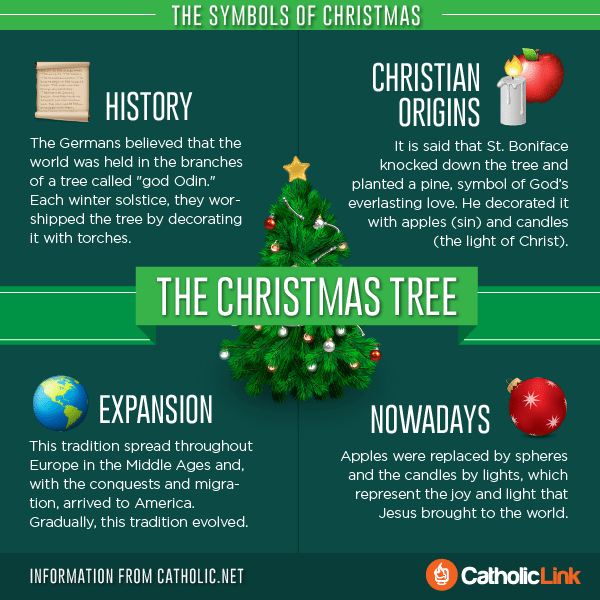
The story of the Christmas tree is a masterclass in brand evolution. It began as a Germanic tradition (the Tannenbaum), was “imported” to the UK by Queen Victoria and Prince Albert (the “Influencers” of their day), and was eventually commodified by 20th-century American retail.
What the tree represents today—family, warmth, and generosity—is a narrative that was carefully polished over time. This teaches us that a brand’s story is not static. It can be adapted to fit new markets and new eras while keeping its core “DNA” intact. The tree’s transition from a religious icon to a secular symbol of the “holiday spirit” allowed it to scale globally, much like how a niche tech startup might rebrand to appeal to a mass-market consumer base.
Adapting the Icon: Modern Brand Interpretation
In the digital age, even the most traditional symbols must evolve to remain relevant. The Christmas tree has proven remarkably adaptable to modern brand requirements, particularly in the realms of ethics and digital presence.
Sustainability and Ethical Branding
In recent years, what the tree represents has expanded to include environmental consciousness. The debate between “Real vs. Artificial” trees is essentially a branding conflict over sustainability.
- The Real Tree Brand: Positions itself as “Authentic,” “Biodegradable,” and “Traditional.” It appeals to the consumer who values the “Farm-to-Table” ethos.
- The Artificial Tree Brand: Positions itself as “Convenient,” “Long-lasting,” and “Modern.”
For companies today, the choice of tree in their corporate office is a statement of their ESG (Environmental, Social, and Governance) values. A brand that chooses a recycled-material tree is communicating its commitment to a circular economy. In this context, the tree represents the brand’s alignment with 21st-century ethics.
The Digital Tree: Branding in the Metaverse and Social Media
The Christmas tree has successfully migrated from the physical world to the digital one. On platforms like Instagram and Pinterest, the “aesthetic” of the tree is a key component of seasonal personal branding. Influencers use their trees to signal their design tastes and lifestyle aspirations.
Furthermore, in the “Metaverse” and digital gaming spaces (like Fortnite or Roblox), the Christmas tree remains a vital environmental asset. It signals to users that the digital space is “live” and “current.” In these virtual environments, the tree represents a bridge between the physical reality of the user and the digital identity of the platform. It proves that a strong brand icon can transcend physical form and maintain its meaning in a purely data-driven landscape.

Conclusion: The Ultimate Brand Legacy
Ultimately, what the tree represents at Christmas is the power of a unified vision. It is a symbol that manages to be both universal and deeply personal. It carries a “brand equity” that has been built over a millennium, making it the most successful piece of visual identity in human history.
For those in the fields of brand strategy and marketing, the Christmas tree serves as a reminder that great branding is about more than just a logo. It is about creating a symbol that represents a lifestyle, a feeling, and a set of values. The tree teaches us that if you can anchor your brand in the rituals of human life—and if you can maintain its core essence while allowing for modern interpretation—you can create an identity that doesn’t just last for a season, but for generations. The Christmas tree is not just a decoration; it is a global icon of enduring brand power.
aViewFromTheCave is a participant in the Amazon Services LLC Associates Program, an affiliate advertising program designed to provide a means for sites to earn advertising fees by advertising and linking to Amazon.com. Amazon, the Amazon logo, AmazonSupply, and the AmazonSupply logo are trademarks of Amazon.com, Inc. or its affiliates. As an Amazon Associate we earn affiliate commissions from qualifying purchases.