
Closing a bank account is rarely as simple as clicking a single button. When dealing with a financial giant like JPMorgan Chase, the process requires a strategic approach to ensure that your transition to a new institution is seamless, your credit remains unaffected, and no “zombie” transactions return to haunt your balance. Whether you are moving toward a high-yield savings account, a credit union, or a digital-first fintech platform, understanding the mechanics of closing a Chase account is a vital component of proactive personal finance management.

This guide provides an exhaustive roadmap for navigating the closure process, from the initial preparation to the final confirmation, ensuring you maintain complete control over your capital throughout the transition.
Preparing Your Finances for a Clean Break
Before you initiate the cancellation process with Chase, you must conduct a thorough audit of your current financial activity. Simply withdrawing your funds and walking away can lead to overdraft fees if a forgotten subscription hits the account or if a scheduled bill is processed after you believe the account is “dead.”
Managing Automatic Payments and Direct Deposits
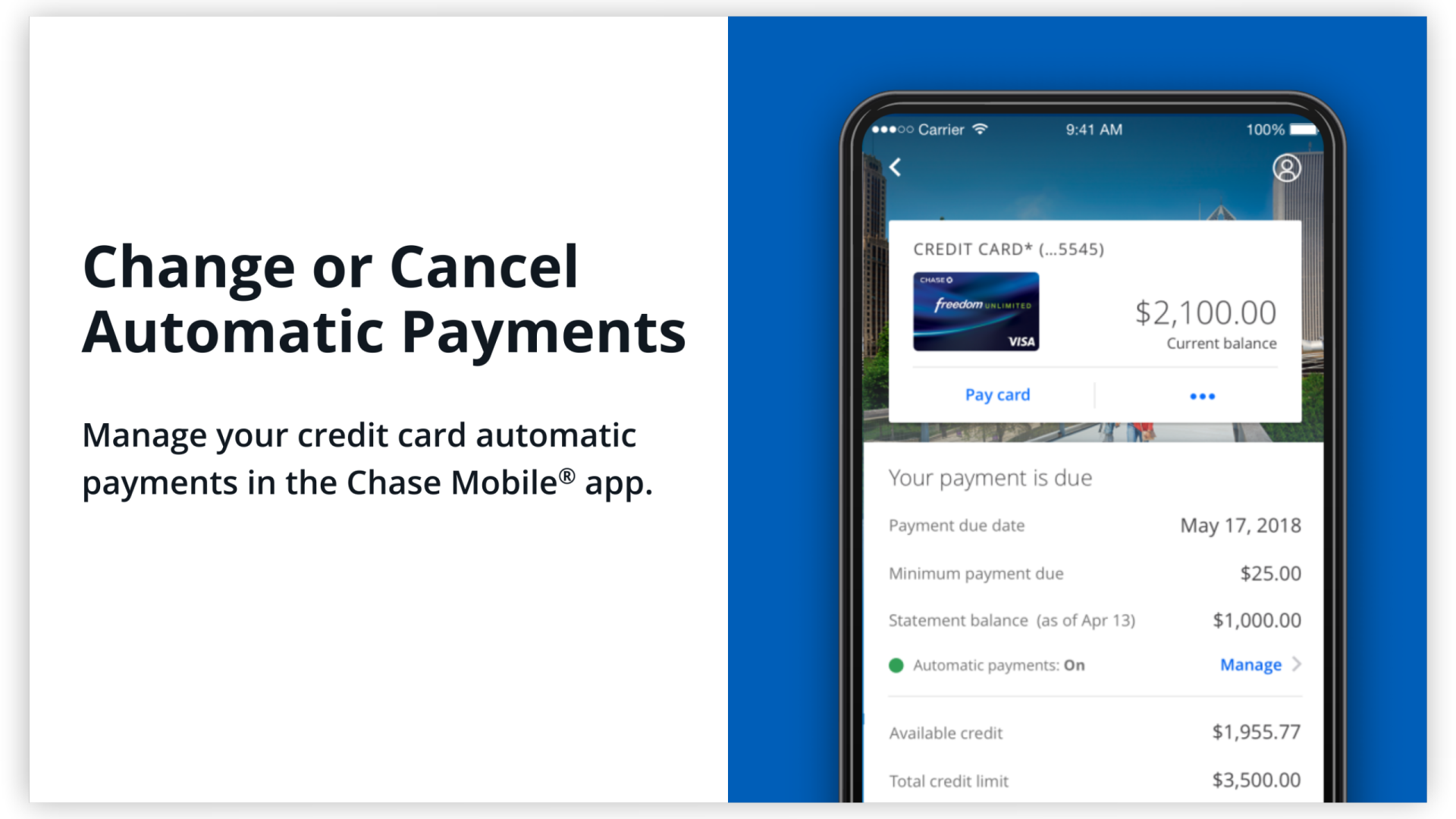
The most common mistake made during an account closure is failing to reroute automated clearing house (ACH) transactions. Begin by scanning at least three to six months of bank statements to identify recurring payments. This includes utility bills, insurance premiums, gym memberships, and streaming services.
Once identified, move these payments to your new bank account at least one full billing cycle before you close the Chase account. Simultaneously, you must notify your employer’s payroll department to redirect your direct deposit. Because payroll systems often take one or two pay cycles to update, keeping a “buffer” amount in your Chase account during this transition period is a prudent move to avoid missed paychecks or failed bill payments.
Reconciling Pending Transactions
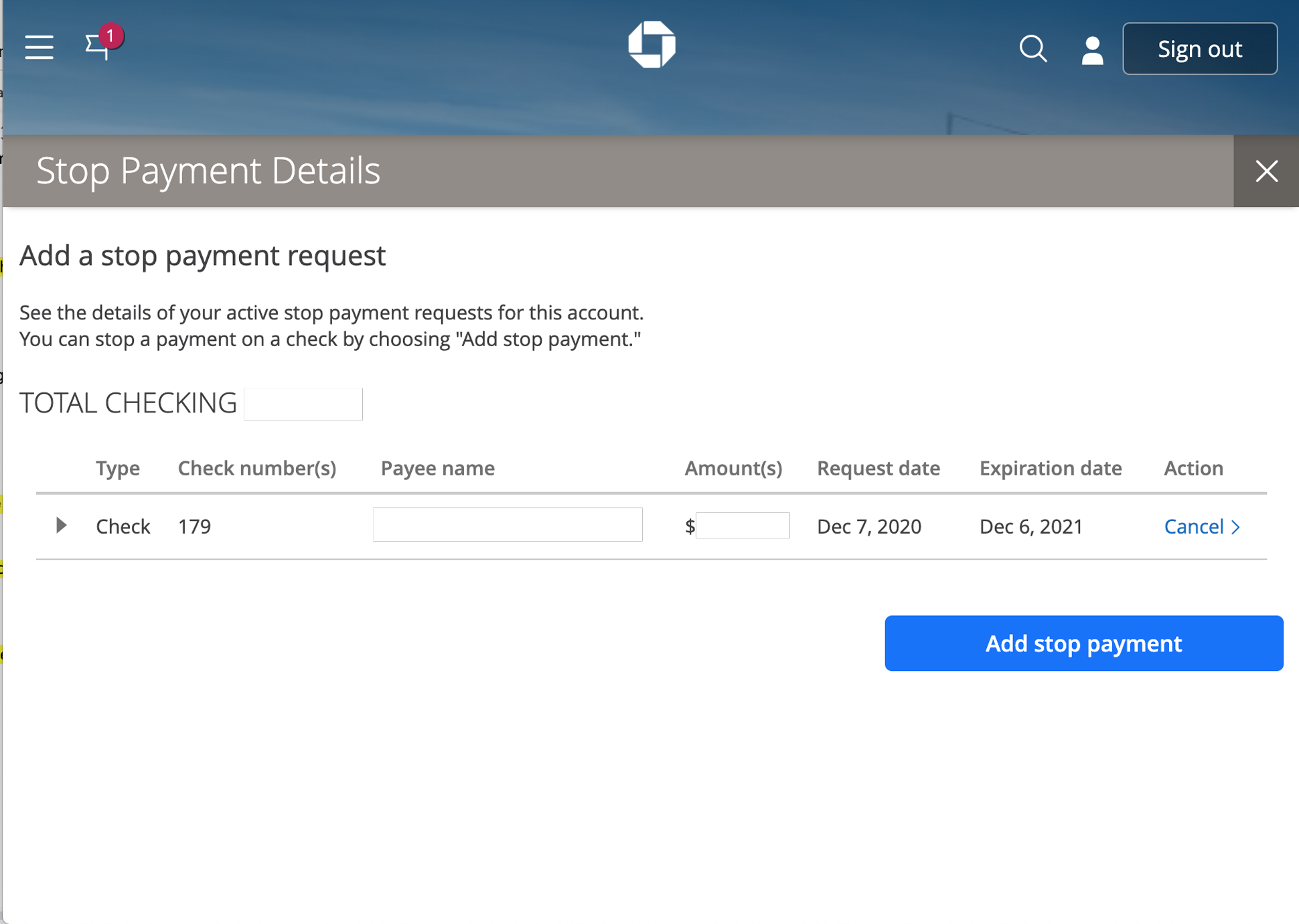
Ensure that every check you have written has cleared and every “pending” debit card transaction has been finalized. If you close an account while a check is still “in the wild,” that check will bounce, potentially resulting in non-sufficient funds (NSF) fees from Chase and “returned check” fees from the merchant. It is generally recommended to wait at least 10 business days after your last check was written before initiating the final closure.
Moving the Majority of Your Capital
While you should leave a small amount of money in the account to cover any surprise charges, you should transfer the bulk of your balance to your new institution ahead of time. Use an electronic transfer (ACH) or a wire transfer to move these funds. This ensures that you have liquidity and access to your money while the official closing process takes place, which can sometimes take a few days to finalize in Chase’s internal systems.
Navigating the Chase Cancellation Methods
Chase offers several avenues for closing an account, depending on your preference for digital convenience or in-person verification. Each method has its own set of protocols.
Closing Your Account via the Online Message Center
For those who prefer a digital paper trail, Chase allows you to request account closure through their Secure Message Center.
- Log in to your Chase online banking portal.
- Navigate to the “Menu” and select “Secure Messages.”
- Click on “New Message” and select “Account Inquiry” as the topic.
- Specify the account you wish to close and state clearly that you want the account closed.
The benefit of this method is the written record of your request. A Chase representative will typically respond within 1–2 business days to confirm the closure or request further information.
Initiating Closure via the Mobile App or Phone
If you want an immediate resolution, calling Chase customer service is the most direct route. By calling 1-800-935-9935, you can speak with a representative who can process the request in real-time. During this call, be prepared for “retention tactics.” Banks are incentivized to keep customers, and the representative may offer to waive fees or provide other incentives to keep you. Be firm but professional in your request to close the account. Ensure you ask the representative for their name and a reference number for the call.
Visiting a Physical Chase Branch
For complex situations—such as closing a joint account or a business account with multiple signatories—visiting a branch in person is often the most efficient path. When you visit a branch, bring a valid government-issued ID and any debit cards associated with the account. The advantage here is that you can receive a printed, stamped receipt of closure before you leave the building, providing immediate peace of mind.
Avoiding Fees and Common Pitfalls
Closing a bank account involves more than just bringing the balance to zero. In the world of personal finance, the “fine print” dictates whether your exit is free or costly.
The 90-Day Early Account Termination Fee
One of the most critical factors to consider is the age of your account. Like many major banks, Chase may charge an “Early Account Termination Fee” if you close a checking or savings account within 90 days of opening it. This fee is typically around $25 but can vary based on the specific account type. If you recently opened the account to take advantage of a sign-up bonus, ensure you have met the minimum time requirements to avoid forfeiting that bonus or paying a penalty.
The Danger of the “Zero Balance” Trap
A common misconception is that an account with a $0.00 balance is effectively closed. This is not true. If your account remains open with a zero balance, Chase may still apply monthly service fees. This can push your account into a negative balance, leading to overdraft fees and potential reporting to ChexSystems—a specialized credit reporting agency for bank accounts. Always ensure you receive official confirmation that the status of the account is “Closed,” not just “Empty.”
Dealing with Interest-Bearing Accounts
If you are closing a Chase Savings or a Chase Certificate of Deposit (CD), you must account for accrued interest. For savings accounts, ensure that the final interest payment is calculated and included in your final withdrawal. For CDs, be aware of early withdrawal penalties if you close the account before the maturity date. In some cases, it may be financially wiser to wait until the CD matures before shuttering the account.
The Administrative Aftermath: Ensuring Permanent Closure
Once the bank has processed your request, your responsibility shifts to administrative cleanup. This stage is crucial for protecting your identity and ensuring no residual financial activity triggers a reopening of the account.
Securing Your Written Confirmation
Always insist on a formal letter or email confirming that the account has been closed. This document is your primary defense if a merchant attempts to charge the account later or if the bank mistakenly reports the account as “delinquent” due to an unpaid fee. Keep this confirmation in your permanent financial records for at least seven years.
Physical Destruction of Banking Materials
Once the account is closed, your Chase debit cards and unused checks are liabilities. Use a cross-cut shredder to destroy your debit cards, making sure to cut through the EMV chip and the magnetic stripe. Similarly, shred all remaining checks. This prevents “dumpster divers” or bad actors from obtaining your old account information and attempting fraudulent transactions that could be difficult to dispute once the account is inactive.
Monitoring Your Credit and ChexSystems Reports
While closing a checking or savings account does not directly impact your FICO credit score, it can affect your “banking reputation.” Roughly 30 to 60 days after closure, it is a good practice to pull your ChexSystems report to ensure the account is listed as “Closed at Consumer Request.” This ensures that future banks will see a clean history when you apply for new financial products.
Evaluating the Marketplace: Where to Move Your Capital
Closing a Chase account is often the first step in optimizing your personal finance strategy. If you found the fees at a traditional “big bank” to be prohibitive, the modern financial landscape offers several compelling alternatives.
High-Yield Online Savings Accounts (HYSA)
If your primary goal is wealth preservation and growth, moving your funds to an online-only bank can result in significantly higher interest rates. Because online banks lack the overhead of physical branches, they often pass those savings to consumers in the form of APYs (Annual Percentage Yields) that are often 10 to 20 times higher than the national average.
Credit Unions: The Community-Focused Alternative
For those who value personalized service and lower loan rates, credit unions are an excellent alternative to Chase. As member-owned cooperatives, credit unions prioritize member benefits over corporate profits. This often translates to lower fees, more lenient overdraft policies, and a more community-centric approach to lending.
Digital-First Neobanks and Fintechs
For the tech-savvy consumer, neobanks offer streamlined mobile experiences, integrated budgeting tools, and early access to direct deposits. While these platforms often lack the robust physical infrastructure of Chase, they excel in providing a frictionless, fee-free daily banking experience.
By following these steps, you can transition your capital away from Chase with the confidence of a seasoned financial manager. Closing an account is not just an administrative task; it is a strategic move toward a more efficient and profitable financial future.
aViewFromTheCave is a participant in the Amazon Services LLC Associates Program, an affiliate advertising program designed to provide a means for sites to earn advertising fees by advertising and linking to Amazon.com. Amazon, the Amazon logo, AmazonSupply, and the AmazonSupply logo are trademarks of Amazon.com, Inc. or its affiliates. As an Amazon Associate we earn affiliate commissions from qualifying purchases.