
In the expansive ecosystem of sandbox gaming and procedural software design, few items have shifted the “meta” or player behavior as significantly as the Totem of Undying. Introduced as a high-tier utility item within Minecraft, the Totem of Undying serves as a sophisticated fail-safe mechanism, designed to prevent the termination of a user’s progress upon reaching a zero-health state. While it may appear as a simple golden trinket to the casual observer, its integration into the game’s logic represents a fascinating study in risk management, status effect layering, and technical optimization.
This article provides an in-depth technical analysis of the Totem of Undying, exploring its functional mechanics, the logistics of its acquisition, and its broader impact on high-level survival strategies.
1. Core Functionality: The Algorithmic Prevention of Death
At its most fundamental level, the Totem of Undying is a conditional trigger item. Unlike standard consumables that are activated through user input (such as eating or drinking), the Totem operates as a passive listener within the game’s code. It monitors the player’s health variable and intervenes the moment that value reaches zero.
Understanding the Activation Triggers
To function, the Totem of Undying must be held in either the player’s main hand or their off-hand slot at the moment of fatal damage. It does not activate if it is simply sitting in the general inventory. This requirement forces a strategic trade-off: the player must sacrifice the utility of a shield or a secondary tool to maintain this “insurance policy.”
When the player’s health is depleted by any source—be it kinetic energy from a fall, combustion, drowning, or hostile entity attacks—the game engine checks the hand slots. If a Totem is detected, the item is consumed (destroyed), and the death event is canceled. Instead of the “You Died” screen, the player’s health is instantly reset to one half-heart (1 HP).
The Layering of Status Effects
The Totem’s utility extends beyond mere survival. Because the player is often still in a hazardous environment when the Totem triggers, the software applies a suite of powerful status effects to facilitate an immediate escape. These are not merely cosmetic; they are high-level buffs designed to stabilize the “user entity” under extreme stress:
- Absorption II: Provides two extra “yellow” hearts for 5 seconds, acting as a temporary shield against immediate follow-up damage.
- Regeneration II: Accelerates health recovery for 45 seconds (in the Java Edition) or shorter durations in other versions, allowing the player to regain a viable health pool quickly.
- Fire Resistance I: Grants 40 seconds of immunity to fire and lava. This is a critical technical inclusion, as falling into lava is one of the most common causes of permanent loss in “Hardcore” software modes.
2. Acquiring the Asset: Technical Strategies for Obtaining Totems
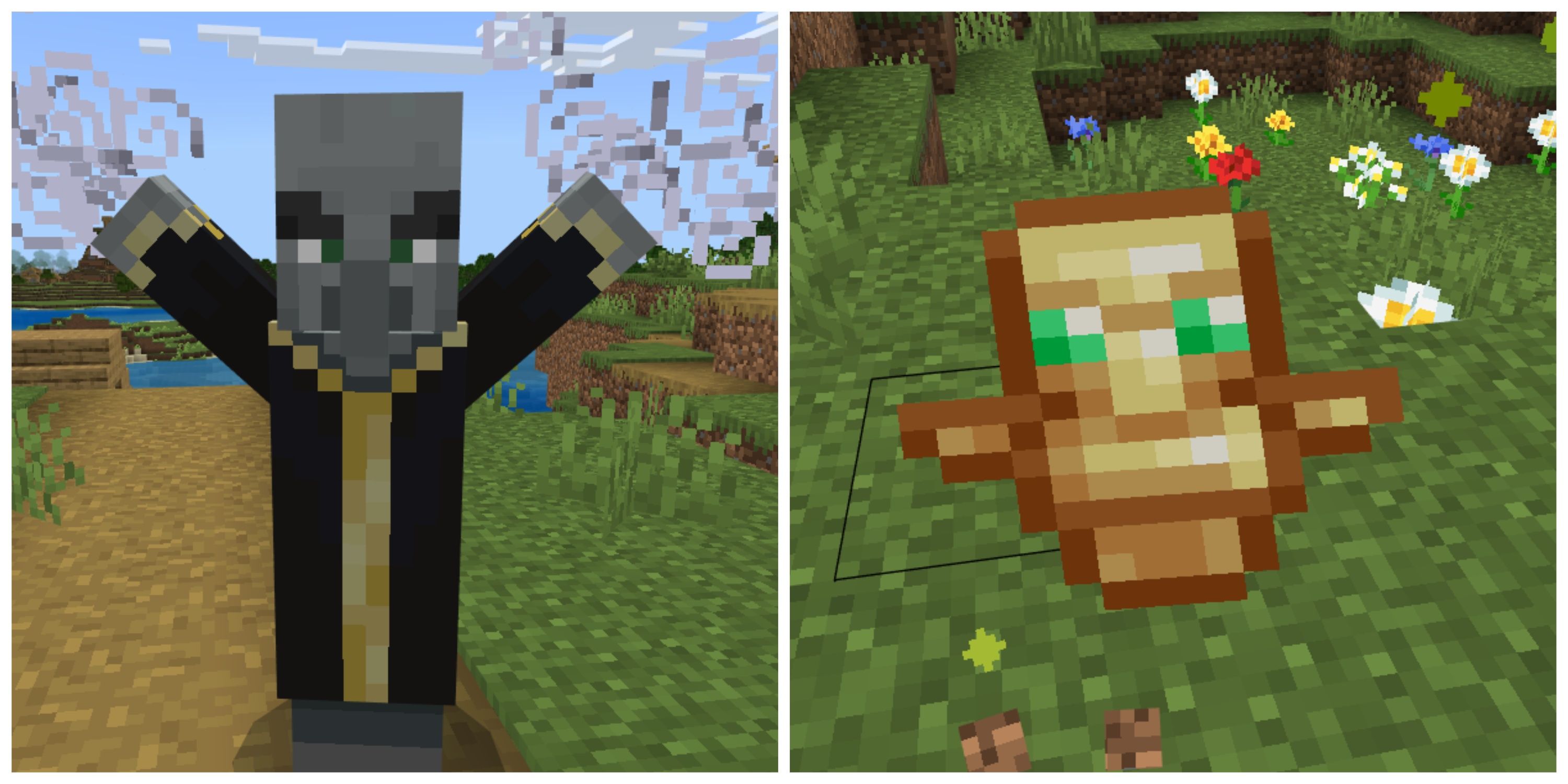
The Totem of Undying is not a craftable item. Within the game’s economy, it is classified as a “non-renewable-ish” drop that can only be obtained by defeating a specific high-level entity: the Evoker. Understanding the spawn logic of Evokers is essential for any player looking to secure their survival.
The Woodland Mansion Encounter
Originally, Totems were exclusive to Woodland Mansions—massive, procedurally generated structures found in Dark Forest biomes. Evokers spawn in specific rooms within these mansions. Because Woodland Mansions are incredibly rare, often located tens of thousands of blocks from the world spawn, the Totem was initially viewed as a finite, precious resource. From a technical perspective, this made the “insurance” it provided extremely expensive in terms of time and exploration effort.
Optimizing Acquisition via Raid Mechanics
The introduction of “Villager Raids” fundamentally changed the accessibility of this technology. When a player with the “Bad Omen” status effect enters a village, it triggers a multi-wave combat event. In the later waves of these raids, multiple Evokers spawn.

For advanced players, this presented an opportunity for automation. By constructing “Raid Farms”—complex structures that use water flow, entity pathfinding manipulation, and precise player positioning—users can trigger and defeat raids indefinitely. This transforms the Totem of Undying from a rare treasure into a mass-produced commodity. In technical terms, this is an optimization of the “drop-rate” logic, allowing players to fill entire storage systems with “extra lives.”
3. Strategic Integration in Survival and Competitive Play
The existence of the Totem of Undying has fundamentally altered the risk-reward calculus of the game. Its impact is most visible in two specific areas: Hardcore Mode and high-stakes Player vs. Player (PvP) combat.
The Hardcore Mode Fail-Safe
In “Hardcore” difficulty, the death of a player is permanent; the world file is effectively locked upon death. In this high-stakes environment, the Totem of Undying is not just a luxury—it is the primary objective of the early-to-mid game.
The technical implications are significant. Players in Hardcore mode will often “cycle” Totems, keeping a chest full of them near dangerous worksites. By effectively bypassing the permadeath mechanic, the Totem allows for the construction of massive, dangerous technical projects (like Void-level sorting systems or high-altitude builds) that would otherwise be too risky to attempt.
PvP Meta and Inventory Management
In competitive multiplayer environments, the Totem of Undying has created a “durability meta.” High-level combat often becomes a battle of attrition. Rather than focusing solely on damage output, players must focus on “popping” their opponent’s Totems.
This has led to a technical shift in inventory management. Players utilize “hotkeying” to quickly move fresh Totems from their inventory into their off-hand slot as soon as one is consumed. This “Totem-cycling” requires high dexterity and low latency, turning a game mechanic into a test of technical skill and reaction time.
4. User Experience: UI Feedback and Visual Cues
A crucial aspect of any software’s emergency fail-safe is the feedback it provides to the user. The Totem of Undying utilizes a distinctive “overlay” to signal its activation.
The Animation Sequence
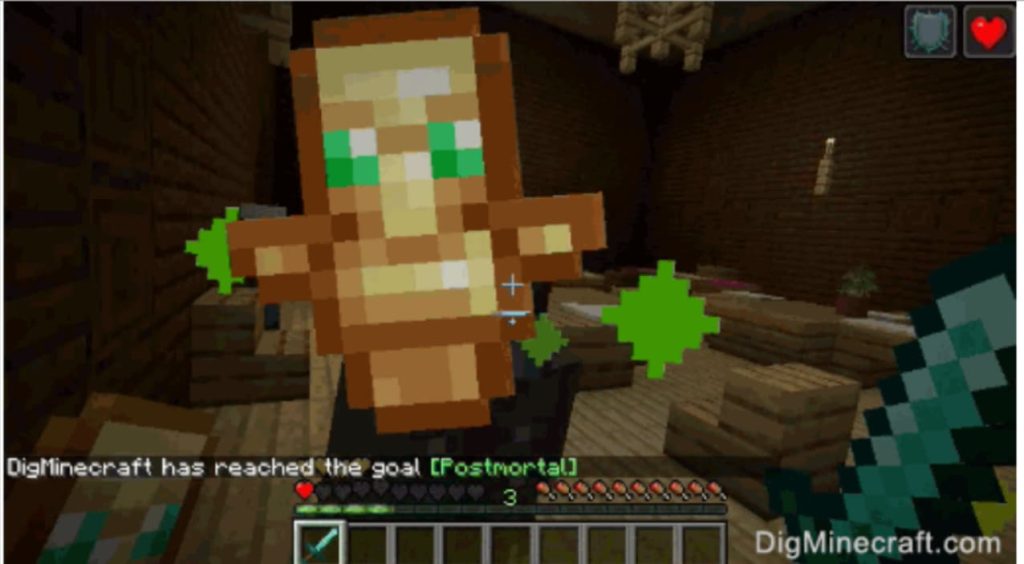
When a Totem is triggered, a large, translucent sprite of the Totem rises from the bottom of the screen and floats toward the center, accompanied by a triumphant, orchestral sound effect. This is a vital UX (User Experience) component. Because the player is often in a chaotic situation when the Totem triggers (such as being surrounded by explosions or falling into the void), the clear visual and auditory feedback informs them immediately that their “insurance” has been used and they are currently in a brief window of invulnerability.
Performance and Reliability
From a technical standpoint, the Totem’s activation is prioritized by the game’s tick-rate processing. It is designed to be frame-perfect. However, there are known “edge cases” where the Totem can fail. For instance, the /kill command—a developer-level function—overrides the Totem’s logic entirely. Similarly, falling out of the “world bounds” (the Void) will eventually result in death regardless of how many Totems a player holds, as the damage ticks faster than the regeneration effects can compensate.
5. Conclusion: The Philosophical Shift in Game Design
The Totem of Undying represents a shift from “punitive” game design to “managed risk” design. By providing players with a technical solution to the finality of death, the developers have encouraged more ambitious playstyles and higher engagement with the game’s most dangerous content.
In the world of technology and software, we often speak of “redundancy” and “fail-overs.” The Totem of Undying is the ultimate fail-over for the Minecraft user. It is a piece of digital equipment that bridges the gap between total loss and continued progress, proving that even in a world governed by rigid code and unforgiving physics, there is room for a second chance. Whether you are an automated farm builder or a competitive combatant, understanding the technical nuances of the Totem is the difference between starting over and moving forward.
aViewFromTheCave is a participant in the Amazon Services LLC Associates Program, an affiliate advertising program designed to provide a means for sites to earn advertising fees by advertising and linking to Amazon.com. Amazon, the Amazon logo, AmazonSupply, and the AmazonSupply logo are trademarks of Amazon.com, Inc. or its affiliates. As an Amazon Associate we earn affiliate commissions from qualifying purchases.