
Snapchat, a pioneer in ephemeral messaging and augmented reality, has always distinguished itself with a unique approach to digital communication. Beyond its disappearing messages and quirky filters, the platform is renowned for its intricate system of friend emojis and badges, each conveying a specific nuance about your relationships within the app. These symbols, often subtle, play a significant role in gamifying social interactions and providing quick, visual cues about the dynamics of your social circle. Among these various emojis, the sunglasses icon stands out, often sparking curiosity among users eager to decipher its meaning. Far from a mere aesthetic addition, this emoji carries a precise definition within Snapchat’s ecosystem, shedding light on the shared connections within your network. Understanding these digital breadcrumbs is key to navigating the social landscape of Snapchat effectively, offering insights into not just your direct friendships, but also the broader web of mutual best friends that ties your Snapchat world together. This article delves into the specific meaning of the sunglasses emoji, contextualizing it within Snapchat’s larger emoji system and exploring why such subtle design elements are crucial for user engagement and experience in modern applications.

The Core Meaning: Snapchat’s Friendship Badges and Trophies
Snapchat’s design philosophy heavily relies on visual shorthand to communicate complex social information quickly and efficiently. At the heart of this system are the friend emojis, dynamic indicators that evolve based on your interaction patterns with others. The sunglasses emoji is one such indicator, serving a very specific purpose in illustrating your social proximity to another user through shared connections.
Understanding Snapchat’s Emoji System
To truly grasp the significance of the sunglasses emoji, one must first appreciate the broader context of Snapchat’s emoji system. These aren’t just random decorative elements; they are powerful tools of gamification and social signaling. Each emoji appearing next to a friend’s name in your chat list or “My Friends” section provides immediate feedback about your relationship status with that person, as defined by Snapchat’s algorithms. These algorithms typically weigh factors like the frequency of snaps exchanged, the recency of interaction, and the overall volume of communication. The purpose is to provide users with a dynamic, at-a-glance overview of their most important connections, encouraging continued engagement and fostering a sense of progress or status within their social network. From indicating your number one best friend to signaling a shared close contact, these emojis transform the abstract concept of friendship into tangible, trackable metrics, enhancing the overall user experience by adding a layer of interactive depth.
Unveiling the Sunglasses Emoji (Cool Kids Emoji)
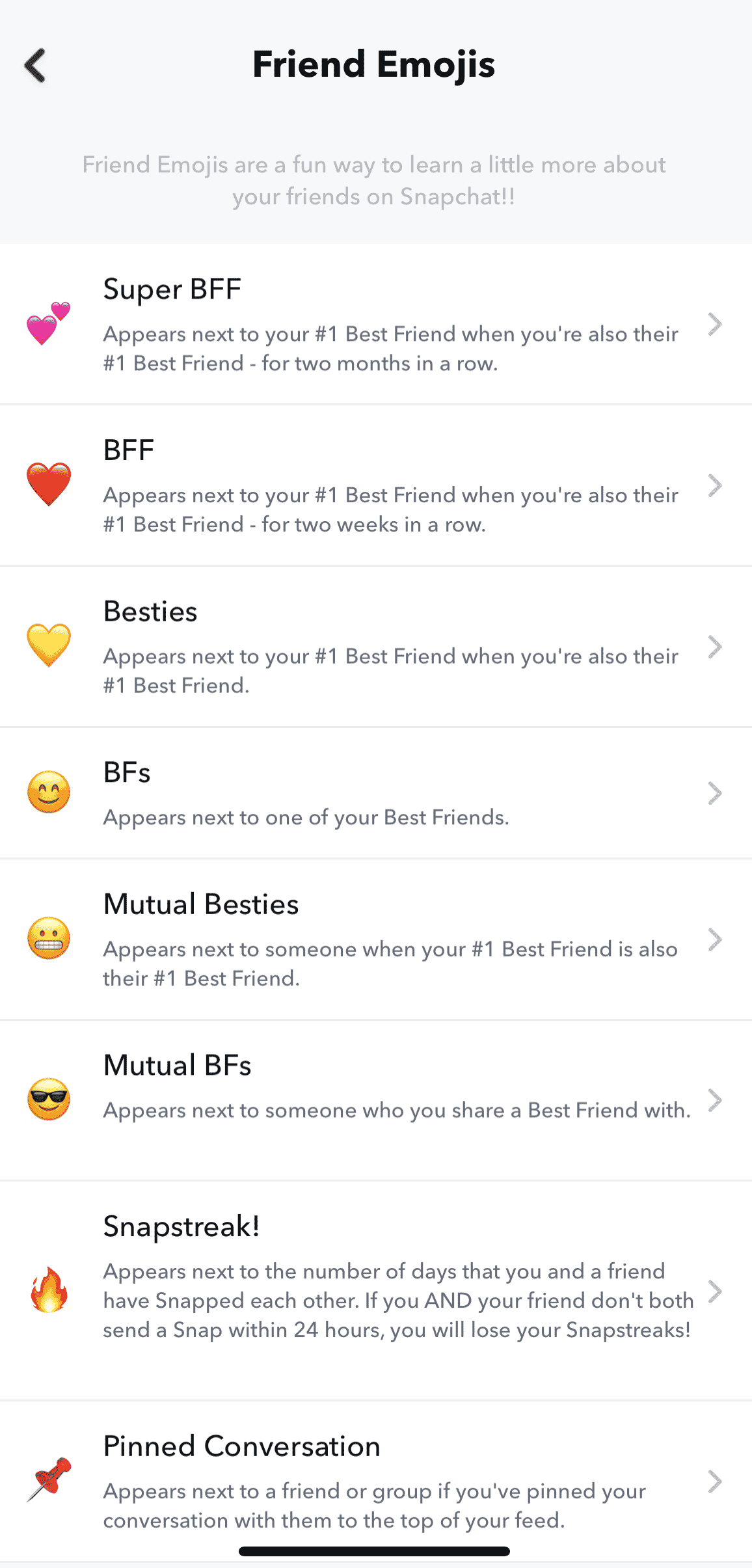
The sunglasses emoji ( ), often affectionately referred to as the “Cool Kids” emoji, signifies a very particular relationship dynamic on Snapchat: “You share a Best Friend with this person.” This means that both you and the person next to whom the sunglasses emoji appears have the same individual as your number one best friend on Snapchat. It does not mean that you are best friends with the person displaying the sunglasses emoji, nor does it mean that they are your number one best friend. Instead, it acts as a digital triangulation tool, indicating a mutual close connection to a third party. For instance, if you frequently snap with Alice, and Alice frequently snaps with Bob, then you might see the sunglasses emoji next to Bob’s name, signifying that both you and Bob consider Alice to be your top Snapchatter. This subtle yet insightful indicator helps users understand the interconnectedness of their social graph, revealing shared close ties that might not otherwise be apparent. It’s a testament to Snapchat’s ability to embed social intelligence directly into its user interface, providing valuable context without requiring explicit input from users.
The Nuance of Mutual Best Friends
The concept of a “Best Friend” on Snapchat is fluid and purely algorithmic. It’s typically the person you send the most snaps to, and who sends the most snaps back to you. The key nuance with the sunglasses emoji is that it highlights a shared best friend. This distinction is crucial for understanding its actual utility. It’s not about the strength of your direct relationship with the person, but rather about a common, highly active link you both possess within the Snapchat ecosystem. This can often reflect real-world social circles, where friends of friends might interact with the same core individual, solidifying a particular social nexus. For example, if you and a classmate both spend a lot of time snapping with your mutual study partner, the sunglasses emoji might appear. This feature allows users to subtly identify individuals who are core to their collective social fabric, making it easier to identify common acquaintances and potentially deepen connections through these shared points of contact. It exemplifies how technology can mirror and even illuminate the intricate patterns of human relationships.
Beyond the Sunglasses: A Glimpse into Snapchat’s Emoji Ecosystem
While the sunglasses emoji offers a specific piece of information, it exists within a rich tapestry of other friendship emojis, each designed to communicate different facets of your interactions. Understanding these additional symbols provides a holistic view of Snapchat’s relationship signaling system and enhances the overall user experience by making social dynamics more transparent.
The Full Spectrum of Friendship Emojis
Snapchat employs a diverse range of emojis to indicate various levels and types of friendship:
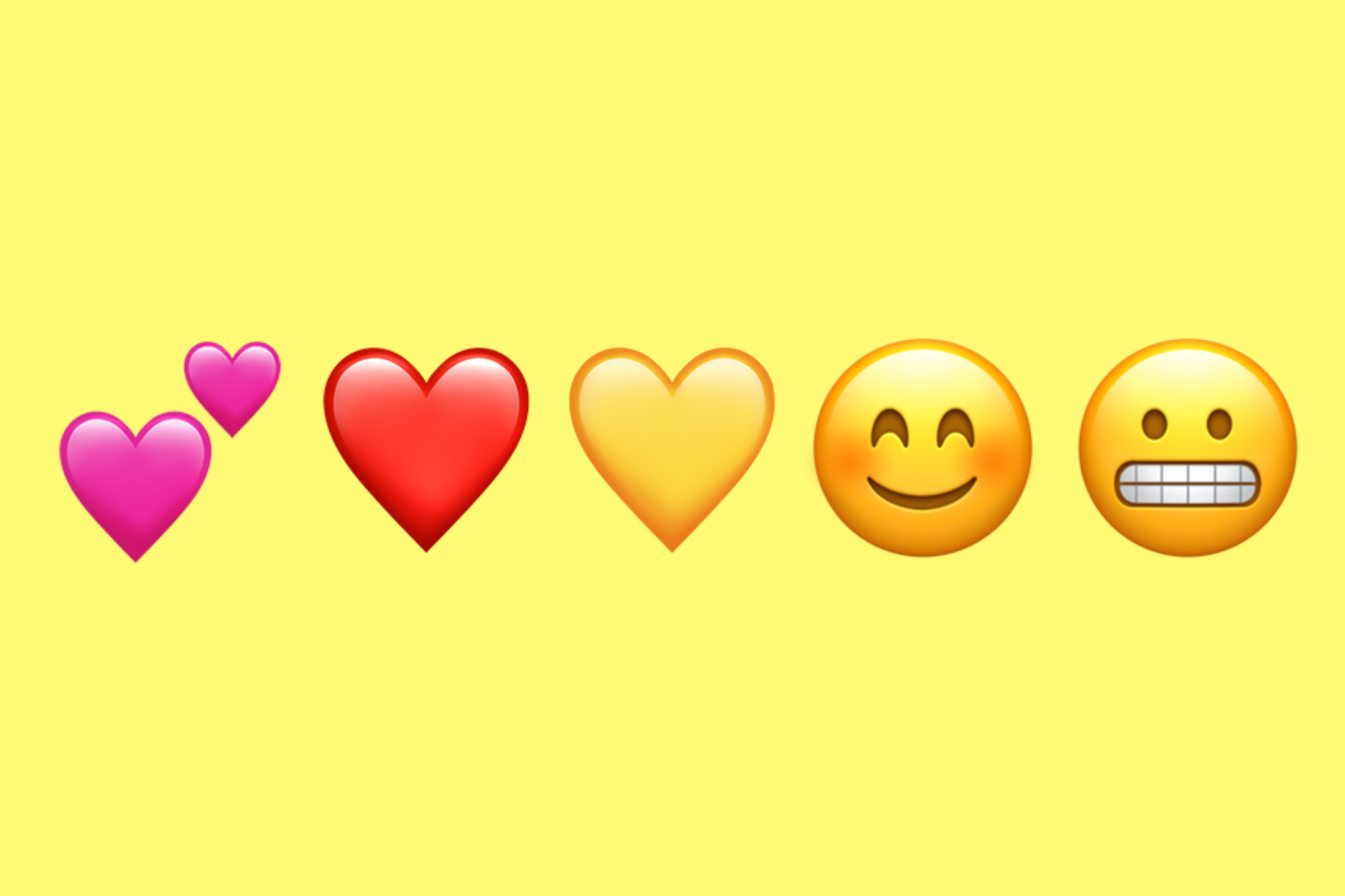
- Gold Heart ( ): You are each other’s #1 Best Friend. You send the most snaps to this person, and they send the most snaps to you. This is the ultimate symbol of a strong Snapchat bond.
- Red Heart (❤️): You have been each other’s #1 Best Friend for two weeks straight. It signifies a consistent and strong top friendship.
- Pink Hearts ( ): You have been each other’s #1 Best Friend for two months straight. This indicates an enduring and deeply established best friendship.
- Grimace/Grinning Face ( ): Your #1 Best Friend is their #1 Best Friend. Essentially, you share the same top person, but you are not each other’s top person. This is very similar to the sunglasses emoji but implies a stronger “best friend” bond from both sides to the third party.
- Smirking Face ( ): You are one of their best friends, but they are not one of yours. This emoji subtly suggests an imbalance in the intensity of your Snapchat interactions.
- Smiling Face ( ): You are one of their best friends. You send a lot of snaps to this person, but they aren’t your #1 Best Friend.
- Baby Face ( ): You just became friends with this person. A simple welcome indicator for new connections.
- Birthday Cake ( ): It’s your friend’s birthday. A celebratory reminder to send a special snap.
Each of these emojis contributes to a complex, real-time social graph that users can intuitively interpret, adding depth to what might otherwise be a simple list of contacts. They act as dynamic badges, constantly updating to reflect the evolving nature of digital relationships.
Snapstreaks and Their Indicators
Beyond friendship rankings, Snapchat also places a strong emphasis on consistent interaction through “Snapstreaks.” A Snapstreak occurs when you and a friend send snaps to each other (not chats) within a 24-hour window for multiple consecutive days. These streaks are highly valued by users as a testament to their ongoing connections and commitment to daily interaction.
- Fire Emoji ( ): Appears next to the number of days you’ve been on a Snapstreak with someone. The higher the number, the longer the streak.
- Hundred Emoji ( ): Appears next to the Fire emoji when you reach a 100-day Snapstreak, celebrating a significant milestone.
- Hourglass Emoji (⏳): This crucial emoji appears when your Snapstreak is about to end, signaling that you and your friend need to send a snap to each other soon to keep the streak alive. This clever UI element creates urgency and encourages continued engagement, leveraging game mechanics to drive app usage.
Together, these emojis, from friendship indicators to streak alerts, create a rich, self-contained ecosystem of social feedback, making Snapchat a deeply engaging platform that transcends basic messaging.
Why Snapchat Uses Emojis: Enhancing User Experience and Engagement
The strategic deployment of emojis within Snapchat is not accidental; it’s a deliberate design choice aimed at optimizing user experience and fostering deeper engagement. These seemingly simple icons serve multiple psychological and functional purposes, transforming the way users perceive and interact with their social connections within the app.
Gamification and Social Feedback Loops
One of the primary reasons Snapchat employs such an extensive emoji system is for gamification. By assigning different emojis based on interaction frequency and intensity, Snapchat turns social interaction into a tangible game. Users are implicitly encouraged to “level up” their friendships, maintain streaks, and strive for coveted emojis like the gold or red heart. This creates a powerful feedback loop: users engage more to achieve or maintain certain emoji statuses, and these statuses then provide visible rewards, reinforcing the behavior. This mechanism taps into fundamental human desires for achievement, recognition, and social validation, making the app inherently more “sticky” and addictive. It transforms casual communication into a dynamic challenge, where maintaining a high status with friends becomes a mini-game in itself.
Simplifying Complex Social Dynamics
In the vast and often ambiguous landscape of online friendships, emojis offer a simplified, intuitive way to understand complex social dynamics. Instead of requiring users to explicitly define their relationships or navigate elaborate friend lists, Snapchat’s emojis provide instant, at-a-glance insights. A quick scan of your friend list reveals who your closest confidantes are, who shares mutual connections, and who you’ve recently befriended. This visual shorthand reduces cognitive load, allowing users to quickly process and react to their social environment without having to deep-dive into individual interaction histories. It streamlines the user interface, making social navigation effortless and accessible even for those who might find traditional social network graphs overwhelming.
Privacy and Subtlety
Snapchat’s emoji system also offers a nuanced approach to privacy and social signaling. Unlike public relationship statuses on other platforms, these friend emojis are personal; only you can see the emojis next to your friends’ names, and your friends see the emojis next to their friends’ names based on their interaction data. This means the specific emoji representing your relationship with a friend is unique to your view, and vice-versa. This private, bilateral signaling allows for subtle communication of relationship intensity without broadcasting it to the entire network. It provides users with a discreet way to understand their social standing without the pressure or visibility associated with public declarations, aligning with Snapchat’s general ethos of more intimate, ephemeral communication. This subtlety enhances the feeling of a private, curated social space, distinct from the broader, more public spheres of other social media platforms.
Managing Your Snapchat Friend Emojis and Privacy
While Snapchat’s emoji system is largely automated, the platform does offer some flexibility for users to personalize their experience and manage their privacy settings. Understanding these options empowers users to tailor their in-app environment to better suit their preferences and safeguard their digital interactions.
Customizing Friendship Emojis
For users who might not resonate with Snapchat’s default emoji assignments, the app provides an option to customize them. This feature allows for a degree of personalization, letting users assign their preferred emoji to represent specific friendship statuses.
To customize your friend emojis:
- Open Snapchat and tap your profile icon at the top left.
- Tap the Settings gear icon at the top right.
- Scroll down to the “Who Can…” section and tap “Friend Emojis.”
- Here, you’ll see a list of each emoji category (e.g., Best Friends, Super Best Friends, BF, Shared Best Friends) with its default emoji. You can tap on any category to choose a different emoji from Snapchat’s available options.
This customization feature, though small, reinforces the user’s sense of ownership over their digital space, allowing them to imbue their social interactions with personal meaning. It’s a testament to good UI design, recognizing that one-size-fits-all solutions don’t always work for personal preferences.
Understanding Emoji Dynamics and Updates
It’s important to remember that Snapchat’s friend emojis are dynamic and constantly updating. They are not static declarations but rather fluid reflections of your current interaction patterns. If your snapping habits change, so too will your friend emojis. If you stop interacting with your “Best Friend” for a while, the gold heart might disappear, or if you start snapping more with someone else, they might eventually earn that coveted spot. This constant recalculation means that your friend emojis are always a real-time indicator of your most active relationships. There’s no manual way to change a friendship emoji for a specific person directly (unless you’re changing the meaning of the emoji itself in settings, as described above); it’s entirely driven by your engagement with others. This ensures the system remains an authentic reflection of actual interaction, rather than static labels.
Protecting Your Privacy on Snapchat
While friend emojis themselves are private to your view, understanding Snapchat’s broader privacy settings is crucial for a secure and comfortable user experience. Emojis reveal aspects of your social interactions, and protecting who can initiate contact with you, view your stories, or see your location can indirectly impact who you share these emoji statuses with.
Key privacy settings to review include:
- Contact Me: Who can send you Snaps and Chats.
- View My Story: Who can see your Stories and Charms.
- See My Location: Control your location visibility on the Snap Map.
- Customizing friend lists: For sending snaps only to specific groups.
By managing these settings, users can control their exposure and interactions within the app, ensuring that their private social data, including the insights gleaned from friend emojis, remains within their desired circle. It’s an essential aspect of digital security and responsible app usage, ensuring that the technology enhances, rather than compromises, personal boundaries.
Conclusion
The sunglasses emoji on Snapchat, signifying a shared best friend, is much more than just a playful icon; it’s a sophisticated piece of user interface design that provides valuable social context within the app. It’s a prime example of how modern tech platforms leverage subtle visual cues and gamified mechanics to enhance user engagement and facilitate intuitive understanding of complex social dynamics. From the gold heart representing your closest bond to the hourglass signaling an expiring Snapstreak, each emoji serves a distinct purpose, transforming the simple act of sending snaps into a dynamic, interactive experience. Snapchat’s elaborate emoji system not only makes the app more engaging and intuitive but also highlights a broader trend in app development: using intelligent, real-time feedback loops to enrich the user journey. By deciphering these digital symbols, users gain a deeper appreciation for the intricate design choices that shape their online interactions, turning every tap and swipe into a meaningful step within their digital social landscape. As apps continue to evolve, we can expect even more innovative uses of such unobtrusive yet powerful visual communication tools to define how we connect and perceive our online worlds.
aViewFromTheCave is a participant in the Amazon Services LLC Associates Program, an affiliate advertising program designed to provide a means for sites to earn advertising fees by advertising and linking to Amazon.com. Amazon, the Amazon logo, AmazonSupply, and the AmazonSupply logo are trademarks of Amazon.com, Inc. or its affiliates. As an Amazon Associate we earn affiliate commissions from qualifying purchases.